
Kill Bill C-11; Protect Online Freedom of Speech in Canada
Kill Bill C-11; Protect Online Freedom of Speech in Canada
The Issue
Edit: “Bill C-11 is now law, BUT, the CRTC still needs to decide how they are going to enforce it. Let’s tell them to forfeit the power to regulate user generated content!”
I am here to speak against bill C-11 and all Canadian Content Quotas. I will speak against any system which attempts to force certain amounts of culture into anyone's focus. This bill needs to be adjusted so as not to block content from other parts of the world or to make creators jump through unnecessary hoops. This is directly opposed by the fact that Bill C-11 would give the Canadian Radio-television and Telecommunications Commission (CRTC) the power to regulate user generated content. We want accessible Canadian content, but not at the expense of losing other views from across the world.
Our relationships with the rest of the world strengthens and edifies us. They do not weaken us.
PART 1: Free Speech
Bill C-11 and all Canadian Content Quotas are an assault on the right of free speech. Just because free speech is still allowed doesn't mean that is it is being supported or protected. How valuable is of free speech if you have difficulty actually sharing it with others. Bill C-11 and Canadian Content Quotas have no bearing on verbal abuses or harassment so there is no understandable reason to wear away at free speech.
This bill slows the sharing and uptake of new ideas which leaves the country in a more stagnant mindset than would otherwise exist. New ideas bring new actions which can improve overall wellbeing. In any democracy, any policy exists because the public hasn't shot it down. By making content creators "jump through hoops" and by decreasing the amount of new ideas which can become from abroad, it slows the spread of information and allows harmful policies to remain for longer or to get further than a well-informed public would allow. It already takes time, as one new source isn't sufficient evidence to change your opinion on a topic. In reducing the number of sources, the process of citizen democracy is slowed.
PART 2: Culture
Social Media Platforms such as YouTube and FaceBook do not prevent Canadians from making or accessing Canadian content, but this bill might. This is because people resent any blockage to their desired content. They are liable to find new sources of sharing information.
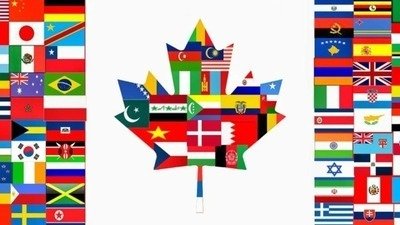
Canada is a very diverse nation with a rich history of immigration from all over the world. Therefore, the sharing of foreign stories is synonymous with the sharing of purely domestic ones. It is the collection of different individuals and groups which makes Canada such an impressive country. Canada likes to prize itself on being a "cultural mosaic," rather than America's "cultural melting pot." If this sentiment is to ring true, the sharing of stories and information from foreign sources must be a cornerstone of Canadian Culture.
Culture is not valuable because it is a static imitation of previous generations. Culture and human expression change as new information and new realities emerge. People connect with their ancestors and neighbours because of the emotional satisfaction and important advice gleamed from these relationships.
English Canadian culture has already become inextricably linked with global ideas and art. This is not a bad thing, as it was not forced upon the people of Canada. Rather, it came about as the result of new desires brought forth from new information. Indigenous peoples don't wear exclusively pre-contact clothing, the Dutch no longer wear wooden shoes, but are these places worse for this change? No. New generations learned new information and adapted based on their preferences. They maintain their link with their ancestors through religion and ceremony, but they acknowledge that each generation is different from the next. They have access to new information and tools. They acknowledge that culture changes over time.
PART #3: How to promote Canadian content
Thus, the only way to promote "traditional" ideas and values of parts of Canadian culture is to subsidize Canadian artists and creators. This maintains the link with the past while allowing the embracing of new ideas. Interaction doesn't occur because people are forced together, regardless of any other regional, biological, or other connection.
Part #4: Sources:
Bill C-11: An Act to amend the Broadcasting Act and to make related and consequential amendments to other Acts
https://www.justice.gc.ca/eng/csj-sjc/pl/charter-charte/c11_2.html
I went to Parliament to save Canadian YouTube (Bill C-11); By: J.J. McCullough
https://www.youtube.com/watch?v=ZN5kZPs1XSw&t=1491s

The Issue
Edit: “Bill C-11 is now law, BUT, the CRTC still needs to decide how they are going to enforce it. Let’s tell them to forfeit the power to regulate user generated content!”
I am here to speak against bill C-11 and all Canadian Content Quotas. I will speak against any system which attempts to force certain amounts of culture into anyone's focus. This bill needs to be adjusted so as not to block content from other parts of the world or to make creators jump through unnecessary hoops. This is directly opposed by the fact that Bill C-11 would give the Canadian Radio-television and Telecommunications Commission (CRTC) the power to regulate user generated content. We want accessible Canadian content, but not at the expense of losing other views from across the world.
Our relationships with the rest of the world strengthens and edifies us. They do not weaken us.
PART 1: Free Speech
Bill C-11 and all Canadian Content Quotas are an assault on the right of free speech. Just because free speech is still allowed doesn't mean that is it is being supported or protected. How valuable is of free speech if you have difficulty actually sharing it with others. Bill C-11 and Canadian Content Quotas have no bearing on verbal abuses or harassment so there is no understandable reason to wear away at free speech.
This bill slows the sharing and uptake of new ideas which leaves the country in a more stagnant mindset than would otherwise exist. New ideas bring new actions which can improve overall wellbeing. In any democracy, any policy exists because the public hasn't shot it down. By making content creators "jump through hoops" and by decreasing the amount of new ideas which can become from abroad, it slows the spread of information and allows harmful policies to remain for longer or to get further than a well-informed public would allow. It already takes time, as one new source isn't sufficient evidence to change your opinion on a topic. In reducing the number of sources, the process of citizen democracy is slowed.
PART 2: Culture
Social Media Platforms such as YouTube and FaceBook do not prevent Canadians from making or accessing Canadian content, but this bill might. This is because people resent any blockage to their desired content. They are liable to find new sources of sharing information.
Canada is a very diverse nation with a rich history of immigration from all over the world. Therefore, the sharing of foreign stories is synonymous with the sharing of purely domestic ones. It is the collection of different individuals and groups which makes Canada such an impressive country. Canada likes to prize itself on being a "cultural mosaic," rather than America's "cultural melting pot." If this sentiment is to ring true, the sharing of stories and information from foreign sources must be a cornerstone of Canadian Culture.
Culture is not valuable because it is a static imitation of previous generations. Culture and human expression change as new information and new realities emerge. People connect with their ancestors and neighbours because of the emotional satisfaction and important advice gleamed from these relationships.
English Canadian culture has already become inextricably linked with global ideas and art. This is not a bad thing, as it was not forced upon the people of Canada. Rather, it came about as the result of new desires brought forth from new information. Indigenous peoples don't wear exclusively pre-contact clothing, the Dutch no longer wear wooden shoes, but are these places worse for this change? No. New generations learned new information and adapted based on their preferences. They maintain their link with their ancestors through religion and ceremony, but they acknowledge that each generation is different from the next. They have access to new information and tools. They acknowledge that culture changes over time.
PART #3: How to promote Canadian content
Thus, the only way to promote "traditional" ideas and values of parts of Canadian culture is to subsidize Canadian artists and creators. This maintains the link with the past while allowing the embracing of new ideas. Interaction doesn't occur because people are forced together, regardless of any other regional, biological, or other connection.
Part #4: Sources:
Bill C-11: An Act to amend the Broadcasting Act and to make related and consequential amendments to other Acts
https://www.justice.gc.ca/eng/csj-sjc/pl/charter-charte/c11_2.html
I went to Parliament to save Canadian YouTube (Bill C-11); By: J.J. McCullough
https://www.youtube.com/watch?v=ZN5kZPs1XSw&t=1491s
Petition Closed
Share this petition
The Decision Makers
Petition Updates
Share this petition
Petition created on June 9, 2022