Save Somerville Arts and Creative Spaces
Save Somerville Arts and Creative Spaces
The Issue
To: City Council and Land Use Committee
From: Gilman Square Neighborhood Association
Date: April 28, 2021
Re: 343 Medford Street, Knights of Malta Building
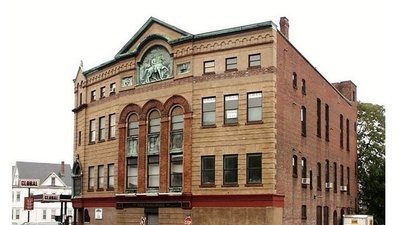
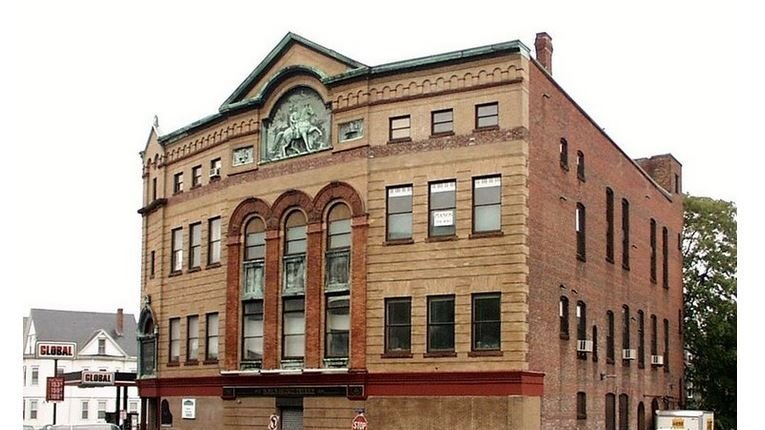
The purpose of this memo is to urge the City Council and the Land Use Committee to reject any map change/zoning request for the property located at 343 Medford Street, the “Knights of Malta Building” or also known as the “Piano Building”. In recent years, the owner, James Kaplan, has held the community and city hostage in an effort to force a zoning designation change to maximize his personal profit at the detriment of the cultural and historic character of Gilman Square. It is Mr Kaplan's expressed intention to drive out the current tenants by raising the rents, enabling him to install condos and a franchised cafe in their place. In addition to the loss of local arts and creative businesses, we feel a settlement agreement would set legal precedent for all owners of fabrication buildings to challenge their zoning designation which is crucial to the health and vibrancy of the City.
Any negotiations to rezone 343 Medford street out of a Fabrication Designation should be rejected for the following reasons:
- It leads to the loss of culturally important arts and creative and community spaces in Gilman Square.
- Negotiating with Mr Kaplan sets a legal precedent to challenge all fabrication zoning across the city. This could lead to the depletion of arts and creative spaces; replacing the culture and character of a unique, artsy Somerville with a generic white-washed character of the national chain stores.
- If rezoned to MR6 it can result in the loss of historic architecture in the heart of Gilman Square.
- Mr Kaplan has clearly stated his desire to displace existing successful local small businesses in Gilman Square that benefit many people who are patrons or work in these spaces.
- Fabrication zoning covers a wide variety of uses that have been proven to be profitable in other areas of the city. The zoning designation by no means causes Mr Kaplan a loss in his existing financial stability which will already increase in profitability with the new T-station opening across the street from his building.
We, the community, request a formal, public process to determine the path forward for the building zoning designation.
1 - Cultural Importance of Arts and Creative Spaces:
The City of Somerville gains much of its cultural value from its reputation as a place that supports and houses artists, creators and makers of Massachusetts. As stated on the City of Somerville Website “Somerville is Arts Central: only New York has more artists per capita than the City of Somerville; the local artists make the City one of the most vibrant and exciting arts centers in the country.” This culture of arts and maker spaces drives industry, business, and residential success. It attracts people to live, work, play and create in Somerville. Our arts and creative spaces must be preserved if Somerville is to maintain its unique character and culture that brings the city so much success and has driven so many people to call it home.
One of the goals of SomerVision 2040 is to: “Support and protect artists. With rising costs, special effort is needed to preserve and extend Somerville’s status as a home for artists and musicians.” or “Explore incentives for commercial building owners to preserve existing studio spaces for artists.”
2 - Legal Precedent to Challenge the Fabrication Designation
Artists and arts organizations can be housed in Fabrication zoned spaces, but there are many other kinds of uses under this important designation, including STEM incubators, light manufacturing start ups, and other professional design services. These are not only critical to Somerville, they are some of the largest employment fields. Our city has become home to this work because we have purposefully made space for them. Greentown Labs, a building zoned Fabrication, is the largest climate incubator in North America. We desperately need these spaces not to exist on the whim of a kind-hearted building owner, but to be built into the DNA of the fabric of our community. The current zoning code codified this reality and desired future. Any change from Fabrication to other designations jeopardizes all fabrication space across the city.
3 - Importance of Historic Preservation
Gilman Square once was home to many buildings similar to the Piano Building. Around the turn of the 20th century, it looked more like Brookline Village. The Piano Building is one of the last remaining buildings from this era and it was built to house a charitable organization, became the first location for the foundation of Fischer College and continued to exist as fabrication and creative use spaces and businesses throughout its history. Preserving the building uses as well as its facade shows and shares our history as a distinct neighborhood and as a city, while helping to set design precedence for the many current and future building sites in the Square.
We envision Gilman Square becoming one of the primary neighborhood centers in the City. The preservation of this building as it stands with the use it was designed for is critical to protecting this building block for the future Square. Redesignating The Piano Building from FAB to MR6 would potentially destroy this structure and an important piece of fabric of the square.
4 - Displacement of Local Businesses:
At our February 2020 meeting Mike Jaffe, Mr Kaplan’s property manager, presented plans and renderings for Mr Kaplan’s visions for The Piano Building. He stated their intention was to raise rents to force current existing tenants out. Once they were gone they could then convert the ground floor into a Starbucks or other national chain coffee shop, and renovate the top 3 floors to luxury condos. These ideas were met with immediate and collective opposition from the community. His current tenants run strong local creative businesses as well as important public service organizations like the Guatemalan Refugee Center. Supporting these businesses and organizations is tantamount to preserving the unique, local character that is foundational to the community of Gilman Square and to the success of the entire City of Somerville. GSNA has always supported development without displacement. Given the owner’s above described plans for displacement and his opposition to the community’s values, GSNA can not support such a project.
5 - Examples of Successful and Profitable Fabrication Uses
Somerville’s Artisan’s Asylum became a national model for the economic and cultural benefits of fostering makers’ spaces through the codification of FAB zoning with its focus on artisans. In the Urban Manufacturing Alliance’s Report, “All about the Jobs” the authors conclude that based on the study of numerous successful models of the protection of light manufacturing, cities diversify their economic bases and “bring family-sustaining wages to residents from a range of educational backgrounds. That in turn can help communities access economic mobility. Governments, economic development groups, social justice organizations, and education practitioners alike recognize manufacturing as a community asset for this reason.” The results of these successful strategies are beginning to show here in Somerville but these gains will be reversed if Somerville begins to allow developers to undermine these newly established protections.

The Issue
To: City Council and Land Use Committee
From: Gilman Square Neighborhood Association
Date: April 28, 2021
Re: 343 Medford Street, Knights of Malta Building
The purpose of this memo is to urge the City Council and the Land Use Committee to reject any map change/zoning request for the property located at 343 Medford Street, the “Knights of Malta Building” or also known as the “Piano Building”. In recent years, the owner, James Kaplan, has held the community and city hostage in an effort to force a zoning designation change to maximize his personal profit at the detriment of the cultural and historic character of Gilman Square. It is Mr Kaplan's expressed intention to drive out the current tenants by raising the rents, enabling him to install condos and a franchised cafe in their place. In addition to the loss of local arts and creative businesses, we feel a settlement agreement would set legal precedent for all owners of fabrication buildings to challenge their zoning designation which is crucial to the health and vibrancy of the City.
Any negotiations to rezone 343 Medford street out of a Fabrication Designation should be rejected for the following reasons:
- It leads to the loss of culturally important arts and creative and community spaces in Gilman Square.
- Negotiating with Mr Kaplan sets a legal precedent to challenge all fabrication zoning across the city. This could lead to the depletion of arts and creative spaces; replacing the culture and character of a unique, artsy Somerville with a generic white-washed character of the national chain stores.
- If rezoned to MR6 it can result in the loss of historic architecture in the heart of Gilman Square.
- Mr Kaplan has clearly stated his desire to displace existing successful local small businesses in Gilman Square that benefit many people who are patrons or work in these spaces.
- Fabrication zoning covers a wide variety of uses that have been proven to be profitable in other areas of the city. The zoning designation by no means causes Mr Kaplan a loss in his existing financial stability which will already increase in profitability with the new T-station opening across the street from his building.
We, the community, request a formal, public process to determine the path forward for the building zoning designation.
1 - Cultural Importance of Arts and Creative Spaces:
The City of Somerville gains much of its cultural value from its reputation as a place that supports and houses artists, creators and makers of Massachusetts. As stated on the City of Somerville Website “Somerville is Arts Central: only New York has more artists per capita than the City of Somerville; the local artists make the City one of the most vibrant and exciting arts centers in the country.” This culture of arts and maker spaces drives industry, business, and residential success. It attracts people to live, work, play and create in Somerville. Our arts and creative spaces must be preserved if Somerville is to maintain its unique character and culture that brings the city so much success and has driven so many people to call it home.
One of the goals of SomerVision 2040 is to: “Support and protect artists. With rising costs, special effort is needed to preserve and extend Somerville’s status as a home for artists and musicians.” or “Explore incentives for commercial building owners to preserve existing studio spaces for artists.”
2 - Legal Precedent to Challenge the Fabrication Designation
Artists and arts organizations can be housed in Fabrication zoned spaces, but there are many other kinds of uses under this important designation, including STEM incubators, light manufacturing start ups, and other professional design services. These are not only critical to Somerville, they are some of the largest employment fields. Our city has become home to this work because we have purposefully made space for them. Greentown Labs, a building zoned Fabrication, is the largest climate incubator in North America. We desperately need these spaces not to exist on the whim of a kind-hearted building owner, but to be built into the DNA of the fabric of our community. The current zoning code codified this reality and desired future. Any change from Fabrication to other designations jeopardizes all fabrication space across the city.
3 - Importance of Historic Preservation
Gilman Square once was home to many buildings similar to the Piano Building. Around the turn of the 20th century, it looked more like Brookline Village. The Piano Building is one of the last remaining buildings from this era and it was built to house a charitable organization, became the first location for the foundation of Fischer College and continued to exist as fabrication and creative use spaces and businesses throughout its history. Preserving the building uses as well as its facade shows and shares our history as a distinct neighborhood and as a city, while helping to set design precedence for the many current and future building sites in the Square.
We envision Gilman Square becoming one of the primary neighborhood centers in the City. The preservation of this building as it stands with the use it was designed for is critical to protecting this building block for the future Square. Redesignating The Piano Building from FAB to MR6 would potentially destroy this structure and an important piece of fabric of the square.
4 - Displacement of Local Businesses:
At our February 2020 meeting Mike Jaffe, Mr Kaplan’s property manager, presented plans and renderings for Mr Kaplan’s visions for The Piano Building. He stated their intention was to raise rents to force current existing tenants out. Once they were gone they could then convert the ground floor into a Starbucks or other national chain coffee shop, and renovate the top 3 floors to luxury condos. These ideas were met with immediate and collective opposition from the community. His current tenants run strong local creative businesses as well as important public service organizations like the Guatemalan Refugee Center. Supporting these businesses and organizations is tantamount to preserving the unique, local character that is foundational to the community of Gilman Square and to the success of the entire City of Somerville. GSNA has always supported development without displacement. Given the owner’s above described plans for displacement and his opposition to the community’s values, GSNA can not support such a project.
5 - Examples of Successful and Profitable Fabrication Uses
Somerville’s Artisan’s Asylum became a national model for the economic and cultural benefits of fostering makers’ spaces through the codification of FAB zoning with its focus on artisans. In the Urban Manufacturing Alliance’s Report, “All about the Jobs” the authors conclude that based on the study of numerous successful models of the protection of light manufacturing, cities diversify their economic bases and “bring family-sustaining wages to residents from a range of educational backgrounds. That in turn can help communities access economic mobility. Governments, economic development groups, social justice organizations, and education practitioners alike recognize manufacturing as a community asset for this reason.” The results of these successful strategies are beginning to show here in Somerville but these gains will be reversed if Somerville begins to allow developers to undermine these newly established protections.
Petition Closed
Share this petition
The Decision Makers
Petition Updates
Share this petition
Petition created on May 10, 2021