

Investigate American Addiction Centers: Preventable Deaths & Overdoses
The Issue
Petition for Accountability and Investigation Into American Addiction Centers (AAC) and River Oaks Treatment Center
Negligence That Results in Death or Serious Harm is Unacceptable
Content Warning ⚠️ : Sexual Violence, Death and Abuse
They changed names. Filed bankruptcy. Hid behind shell companies. But people are still dying—at the same facilities, under the same system. It’s the ouroboros of shapeshifting deceit—and people have suffered, been seriously neglected, hurt and left homeless.
This petition is a call to action for accountability, justice, and change. Too many lives have been lost or irreversibly harmed due to negligence and inadequate care provided by American Addiction Centers (AAC)... These are not just incidents—they are patterns. Patterns of preventable death, trauma, and systemic failure. We are petitioning the Joint Commission, the Commission on Accreditation of Rehabilitation Facilities, the State of Florida, Department of Health and Human Services (SAMHSA-Substance Abuse and Mental Health Services Administration), the American Psychiatric Center (APA), American Board of Addiction Medicine (ABAM founded in 2007), Law Enforcement and The United States government to investigate American Addiction Centers, especially the location in Riverview, Florida called River Oaks Treatment Center and American Addiction Centers for gross neglect of patients.
People Who Have Died After Receiving Care at AAC While on Premises:
1. Stone Galaway
2. Joe Nicolosi-Jean
3. Graeme Hill
4. A 23-year-old man who died by suicide after being allowed to leave campus during a psychotic episode
5. Shaun Reyna (California)
6. Conner Johnson
7. Cody Arbuckle
8. April Leeming
9. Andrew "Drew" Sanders
10. Bradley Keith Bongar
11. Gary Benefield
12. Billy Patient
13. Duarte Caetano
Sources:
https://nevadacurrent.com/briefs/aac-sued-for-another-las-vegas-patient-death
https://nevadacurrent.com/2019/05/29/lawmakers-aim-to-clean-up-drug-and-alcohol-rehab-industry
Known Survivors Who Suffered Serious Harm:
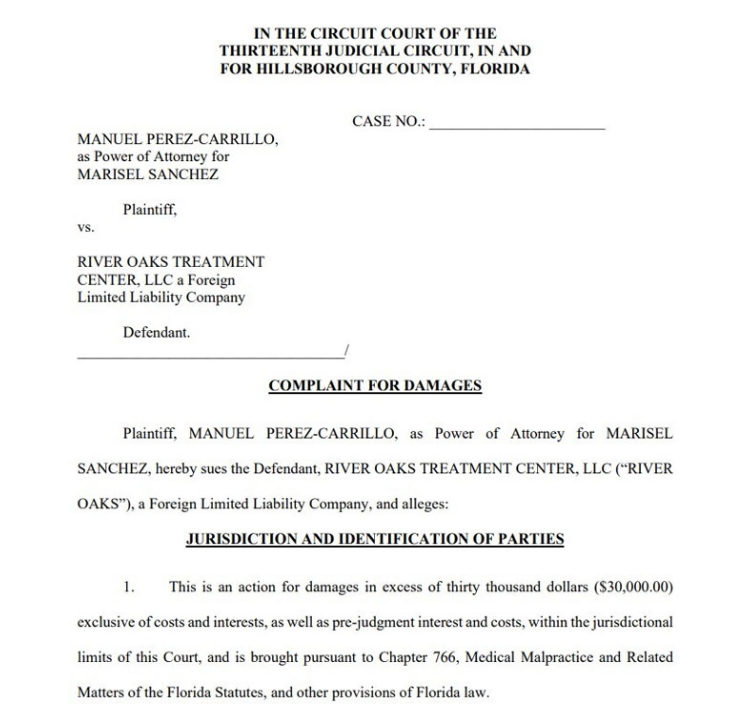
- Marisel Sanchez: Suffered life-threatening burns due to lack of supervision while detoxing from alcohol.
- Anaceona Mejias: Found unresponsive after her drink was spiked with fentanyl on campus.
- While I was there in the fall of 2021, I personally witnessed at least four or more fentanyl-related emergencies on campus, including incidents where individuals brought drugs intentionally and spiked others’ drinks—creating a terrifying and unsafe environment for everyone involved.
- I also witnessed violence frequently, including people recently released from jail who came to the facility and, in moments of rage, flipped tables and caused chaos following fights that broke out on campus.
Look, we understand — nothing is perfect. This place serves thousands of people, so some complaints are inevitable. But there's a big difference between minor issues like dirty sheets and serious incidents like gang r*pe or death.
Is this part of a broader systemic issue? The failure of the ACA, the fact that these facilities pretend to offer something exclusive yet also inclusive — a kind of curated support — when in reality, the experience often feels barely a step above prison-like conditions? This isn't about politics; it's about a glaring reality that most people won't understand until they've been through it themselves. Sure, there will always be bad actors who end up in these places, but that doesn't excuse the facilities for their false promises. They sell wild claims, and just because they quietly update their websites or reword their marketing, it doesn't mean the people they failed will forget.
How can you possibly differentiate — and legally, you can't — between someone who is desperate for help and willing to do anything to improve, regardless of finance, and someone who shows up just to target and harass others? Many people who genuinely need help also bring chaos with them, and the truth is, the corporation simply isn't equipped to handle it. That's the elephant in the room — and people have been hurt because of it because they had no idea what they were walking into, even after hours of "research" that was actually based on information from a carefully constructed misleading "presence".
Addiction is a disease, and treatment centers see it as a business model. AAC is seemingly no different. Some people self medicate because they've experienced trauma and have underlying disorders.
The addiction treatment industry in the U.S. is a billion-dollar behemoth—but behind the marketing brochures and pristine rehab brochures lies a labyrinth of fraud, coercion, death, and abuse. At its most extreme, what masquerades as care for the vulnerable can become indistinguishable from human trafficking.
https://www.motherjones.com/politics/2019/04/american-addiction-centers-publicly-traded-rehab/
https://www.motherjones.com/criminal-justice/2019/02/opioid-epidemic-rehab-recruiters
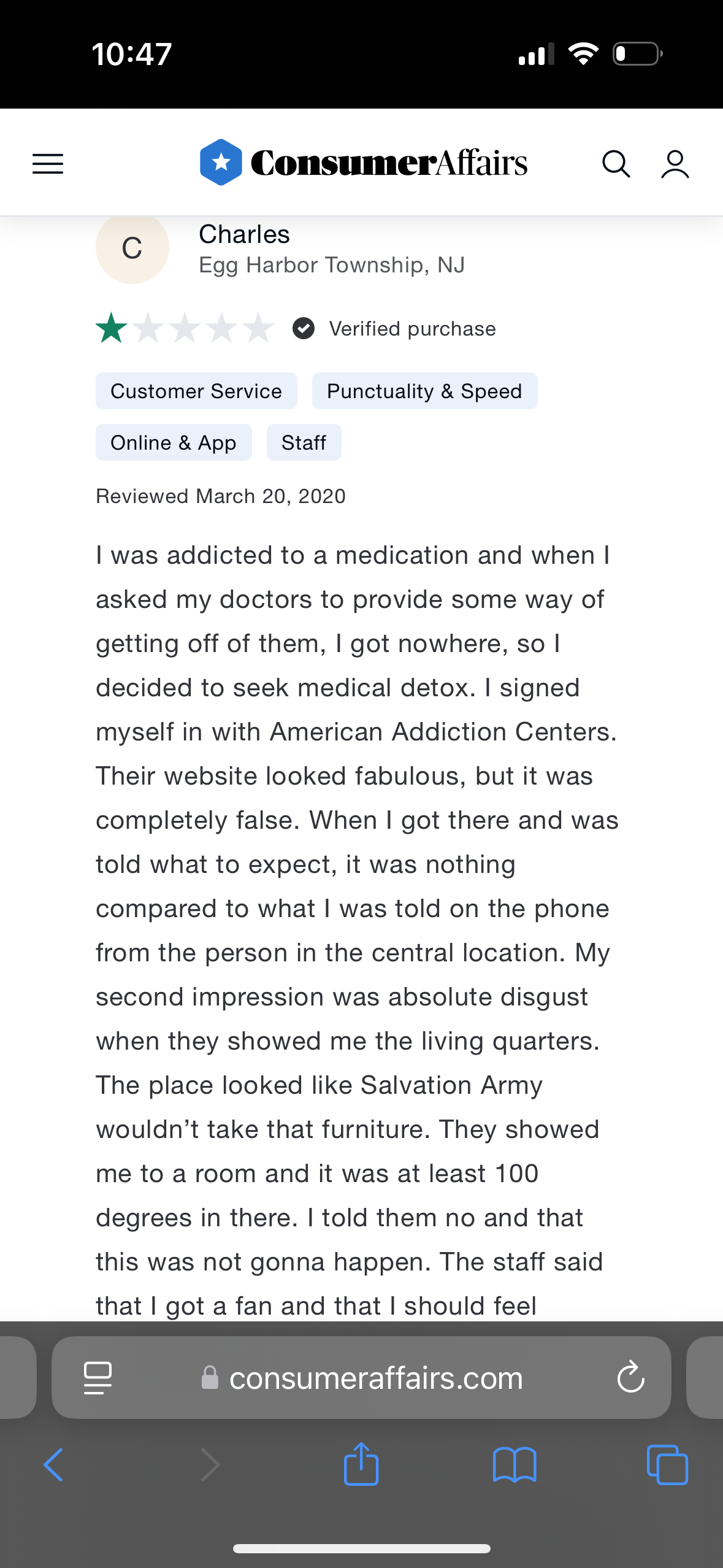
^and why did he go? cause the multi-million dollar corporation that's a also bankrupt had a great UX web designer and content creator behind the scenes
This exposé is not theory. It’s built on firsthand accounts, legal insight, and the voices of those who've lived and lost within this system. It focuses particularly on American Addiction Centers (AAC) and related treatment facilities, pulling back the curtain on a hidden economy fueled by pain.
Body brokering is the practice of "buying and selling" patients to treatment centers for profit. These brokers are often former addicts themselves, now using connections to funnel insured patients into whatever facility pays best—regardless of whether it's safe, legal, or even remotely therapeutic.
When I was instructed to go to this place in the Fall of 2021, I felt like I had no other option. I'll never forget that phone call—what I now realize was a form of body brokering, where they manipulated both my parents and the legal system, convincing them they were the best choice for my supposed "cannabis misuse disorder." It was all so smooth, so calculated. I really wish I had remembered their names or the details of how that phone call was orchestrated. One thing was certain, though—they were after a credit card number. I've learned a lot from that experience!
At the core of body brokering is the recruitment of individuals with substance abuse issues by brokers who are incentivized through financial kickbacks. These brokers often prey on vulnerable people—homeless individuals, those recently relapsed, or those without insurance—and convince them to enter treatment programs that prioritize profit over recovery. These treatment centers bill insurance companies excessively and may cycle patients through multiple centers for continuous billing once their benefits run out.
This phenomenon is closely related to the "Florida Shuffle," a term used to describe the revolving door that people with addiction are pushed through in Florida, a state that has become notorious for this practice. The Florida Shuffle often sees individuals move from one treatment center to another, never receiving proper care, only to be discharged once their insurance benefits are exhausted, only to be recruited again when they relapse. The goal of such centers is not to achieve long-term recovery but to create a continuous flow of insurance payments.
As laid out in The New Yorker’s deep-dive on Florida’s rehab economy, many rehab clients are lured with promises of cash, drugs, or housing—only to be bounced from one center to the next to milk their insurance dry.
According to Vox, areas like South Florida have earned a reputation as the "relapse capital of America," where the addiction recovery industry has become a billion-dollar business that feeds off vulnerable individuals caught in this endless cycle (Bell, 2017).
There’s a dark underbelly to addiction treatment that rarely gets the public scrutiny it deserves. It's called body brokering, and it's not just unethical—it's often indistinguishable from human trafficking.
At the surface, body brokering in addiction treatment looks like people helping others into rehab. But what really happens is far more sinister: individuals and organizations profit off vulnerable people, moving them from one treatment center to another, exploiting their addiction for insurance payouts, and in many cases, leaving them worse off—or even dead
https://nevadacurrent.com/2019/03/05/drug-screens-raising-revenue-for-rehabs-costs-for-patients
There are entire Facebook groups and activists trying to expose predatorily practices in the Addiction Treatment Center world like "It's Time for Ethics in Addiction Treatment" (ITFEIAT)
Link: https://www.facebook.com/groups/1601249249894958
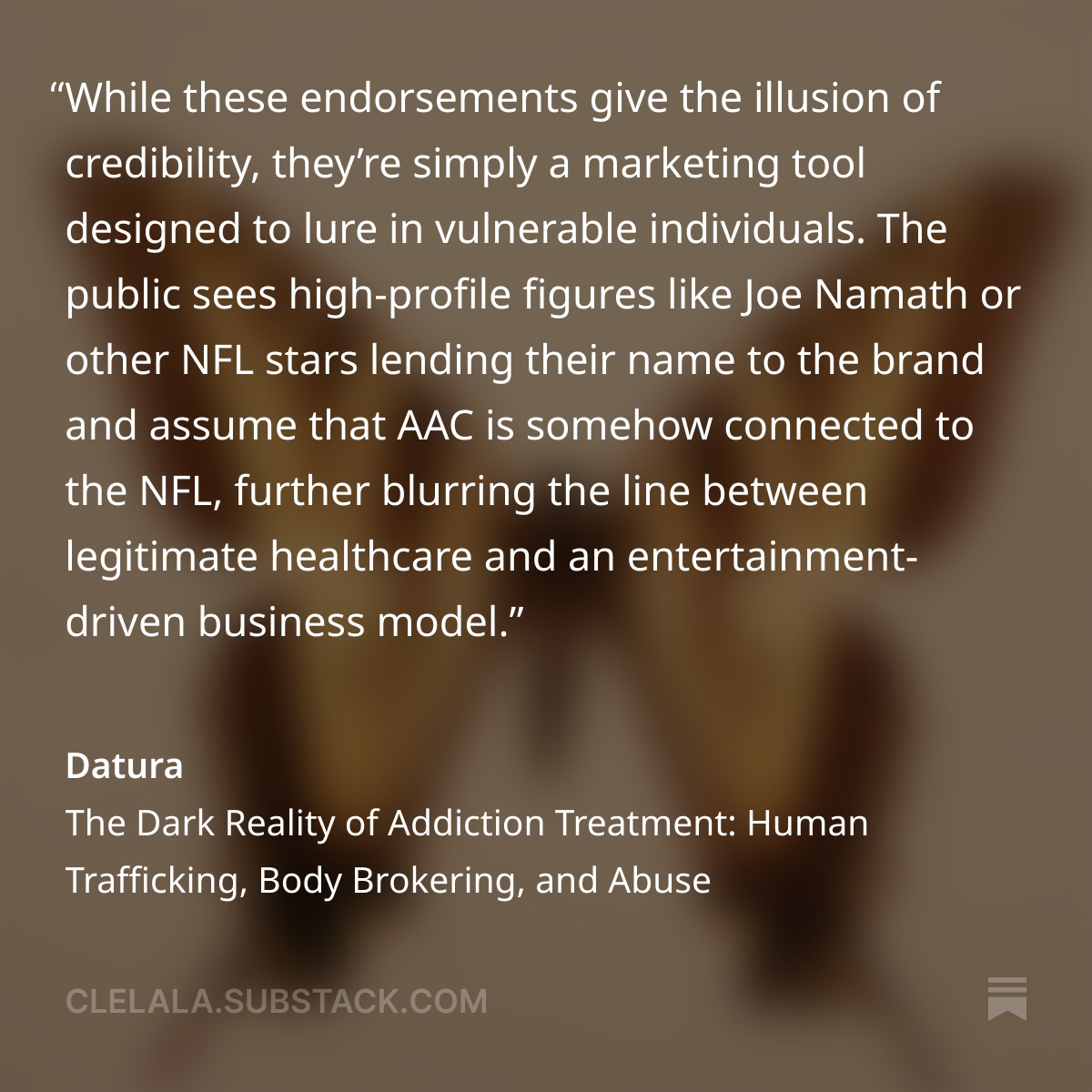
The addiction treatment industry is a multi-billion-dollar business in the United States, but behind its glossy marketing campaigns and celebrity endorsements, there lies a disturbing underbelly of corruption, exploitation, and abuse. A chilling conversation with J., Esq. – a seasoned attorney who has worked on numerous cases involving unethical addiction centers – uncovered the deep-seated issues that have been festering within this industry for years. The problems are far more grave than many realize, ranging from human trafficking and body brokering to physical abuse and even sex trafficking.
https://usiaht.org/resources/chrysalis-house
https://en.wikipedia.org/wiki/Florida_shuffle
This petition dives into these issues and sheds light on the ways addiction treatment centers – specifically those within the American Addiction Centers (AAC) network – exploit vulnerable individuals for profit. From the very structure of these facilities to the shady dealings that occur behind closed doors, the truth about the addiction treatment industry is more shocking than anyone can imagine.
The Problem of Body Brokering and Human Trafficking
In some of the most disturbing cases, especially in parts of Florida and California, body brokering overlaps with sex trafficking. Patients—often young, struggling, and isolated—are manipulated or coerced into sex work, sometimes under the guise of "housing" or "support." It's a cycle of abuse hiding under the banner of healthcare.
NBC News reported how fraudulent treatment centers lure addicts into sex trafficking under the pretense of offering care.
What complicates this issue further is the link between body brokering and human trafficking. As addiction treatment centers become more focused on maximizing profits, some centers have crossed the line into sex trafficking. Vulnerable patients, who may be coerced into sex work, are manipulated into participating under the guise of addiction treatmen
One of the most sinister aspects of the addiction treatment industry is the practice of body brokering. Body brokers are individuals or entities that exploit patients by selling them to the highest bidder—sometimes to treatment centers, other times to unscrupulous individuals involved in the world of human trafficking. In some cases, these brokers manipulate the insurance system by offering up patients in exchange for kickbacks, leading to inflated medical bills and unnecessary treatments.
J., Esq. paints a stark picture of how this happens:
“They’ll show up at a facility, and all they care about is how much money they can make off of you. It's all about moving you in and out, generating money from your insurance, whether you need the treatment or not.”
This exploitation often takes the form of selling individuals into treatment centers that are either underperforming or using unethical methods to "treat" patients. But it goes beyond that; these brokers don’t just sell to legitimate centers. In some cases, the individuals they sell are later forced into situations resembling human trafficking, where they’re treated as little more than commodities.
The AAC network is notorious for its use of body brokers, which J. acknowledges in their conversation:
“There are definitely shady things going on, with brokers pushing people into facilities for the insurance money... A whole underground market operates off of these vulnerable individuals who are just trying to get help.”
Exploiting Vulnerable Patients for Profit
The larger issue is that treatment centers like those run by AAC often exploit these individuals even further, treating them like cash cows. The level of deceit and manipulation to maximize profits is staggering. Addiction centers often tell patients they need extensive treatment – in some cases, treatments that may not even be necessary. As J., Esq. explains, many facilities will keep patients in programs longer than necessary, simply because the longer they stay, the more money they make from insurance companies.
“These centers are structured so that the longer you stay, the more money they make. It's a profit-driven operation where your recovery is secondary to the dollars being made.”
This exploitation feeds into a vicious cycle, as vulnerable individuals, often desperate for a way out of addiction, are kept trapped in a system that profits off their misfortune. In some cases, patients are even coerced or forced into these programs, unable to escape once they’re in the system.
The Disturbing Tale of Abuse: Gang Rape and the Fence
But the problems don’t stop at body brokering and insurance fraud. There are darker, more horrific things happening inside these treatment centers. J., Esq. relays the details of a case that involved an incredibly traumatic event: a gang rape that occurred inside one of the facilities:
“I worked on a case where a patient was gang-raped at a treatment facility. They weren’t even adequately supervised. The staff either turned a blind eye or were complicit. There was no accountability.”
The story doesn’t end there. The treatment centers involved in these cases are not only negligent in their care but actively create environments where abuse is not only possible, but likely. Patients who are already vulnerable are often left unsupervised or are placed in dangerous situations, all in the name of profit.
“It's like a cattle pen. They don’t care about the people, they just care about how many beds they can fill.”
Moreover, the lack of proper oversight and regulation means that incidents like these – which are often covered up – continue to happen unchecked. J. elaborates on the difficulty in holding these centers accountable:
“Even when you get a case to court, they do everything in their power to prevent accountability. The system is set up to protect them, not the people they’re supposed to help.”
The “Fence”: A Shocking Network of Exploitation
As if body brokering and neglect weren’t bad enough, there’s another horrifying reality that exists within these centers: a hidden network of exploitation known as the "fence." J., Esq. explains the term and its relevance to the addiction treatment industry:
“The 'fence' is a shady network that buys and sells patients to different facilities. Some of these places are selling people into trafficking networks. It’s all about making the money, at any cost.”
This “fence” isn’t just a figure of speech—it’s a real underground market where patients are treated like merchandise. These individuals are shuffled from one treatment center to the next, with each transfer earning someone a kickback. In some cases, these individuals are transported to facilities that are not only unsafe but may even be involved in trafficking or illegal activities.
Deaths, Shady Deals, and the Fight for Transparency
The discussion turns to the alarming number of deaths that have occurred within the AAC network. Clelia Sheppard, who has been deeply involved in trying to uncover the truth, talks about the lack of transparency when it comes to tracking the number of people who have died at these facilities.
“This mom, Joe Nicolosi’s mom, she spoke to me a lot and then she’s not responding anymore. She told me at least 50 people have died at AAC.”
However, J., Esq. cautions that even finding definitive numbers on deaths is incredibly difficult:
“You won’t be able to find it. Even if there were 50 deaths across the country, it’s hard to get any solid proof. The data is buried, hidden, or manipulated. Getting any kind of public information on these deaths is nearly impossible.”
It’s not just the deaths that are hidden, but the entire structure of these treatment centers is designed to evade public scrutiny. Even when families or lawyers do their best to get answers, they’re met with resistance, legal loopholes, and stonewalling.
“They’ve created an outfit where they have truly done a nice job from a legal perspective of structuring their organization in a way that gives them as much insulation as they can.”
This makes it incredibly hard for families to seek justice or for advocacy groups to bring these issues to the forefront.
Conclusion: A Call to Expose the Truth
The more we dig into the world of addiction treatment, the more we realize how much needs to be exposed. Human trafficking, body brokering, abuse, and even deaths—these are just a few of the many dark realities that patients face when they enter addiction treatment centers like those run by AAC.
The fight against these unethical practices is far from over, and the road ahead is long and fraught with obstacles. But we cannot stop pushing for accountability, for the truth to come out, and for those responsible to face the consequences of their actions. If we want to protect vulnerable individuals from falling prey to exploitation, we must stand up and demand change, because the system in place now is failing those who need help the most.
If you or someone you know has been affected by these practices, it’s crucial to keep fighting. The truth needs to be exposed, and the survivors need to be heard.
Patients died at this location because untrained staff failed to recognize the symptoms of overdose or did not provide a secure campus. River Oaks in Florida does not have proper protection to their facility and this allows for patients to leave premises and bring paraphernalia and contraband back onto the campus as well as to engage in harmful behaviors < id est> purchasing alcohol or obtaining weapons. Drug Rehabilitation centers should know better than anyone just how far addicts will go to act on their impulses and compulsions in order to find relief from their disease.
When a facility fails to offer proper care and treatment of patients, and not at a cheap price tag either, it falls upon the individuals and their families who have suffered the most to report these egregious errors to proper authorities. Even then, concerns go largely unchecked.
American Addiction Centers promises many lofty claims including top notch environmental care, emergency care and management, infection control, infection prevention, individual rights and responsibilities to the patient, care and treatment of patients, safety (including 24/7 monitoring and care, which they've recently as of 2024 removed from their website, reserved for detox only) and a mission to prevent them from acting on their addiction.
Time and time again, River Oaks has failed to do this resulting in the harm of patients and even their death. So have their other 25+ locations and off shoot facilities/recovery homes.
The deaths they are responsible for are unforgivable.
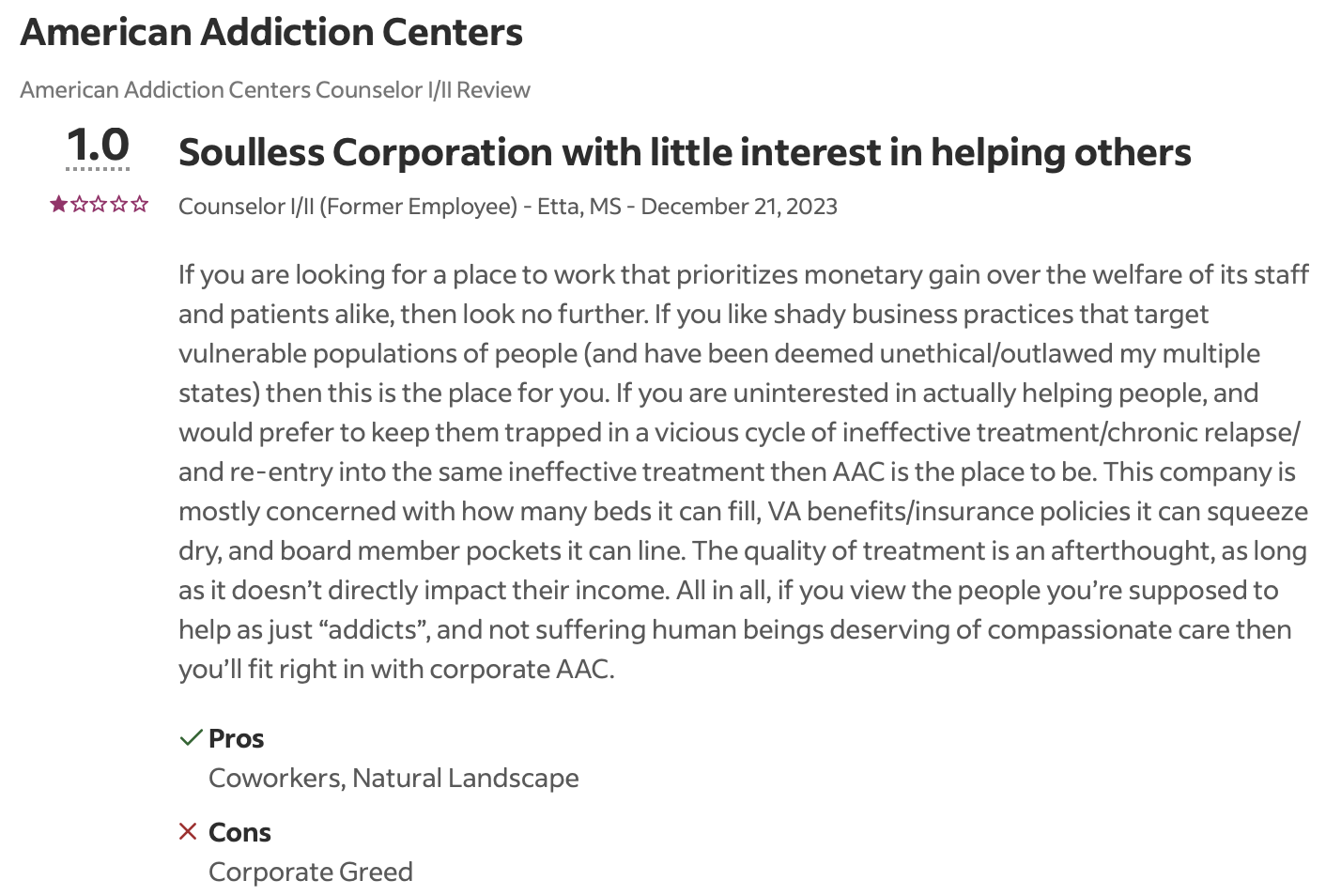
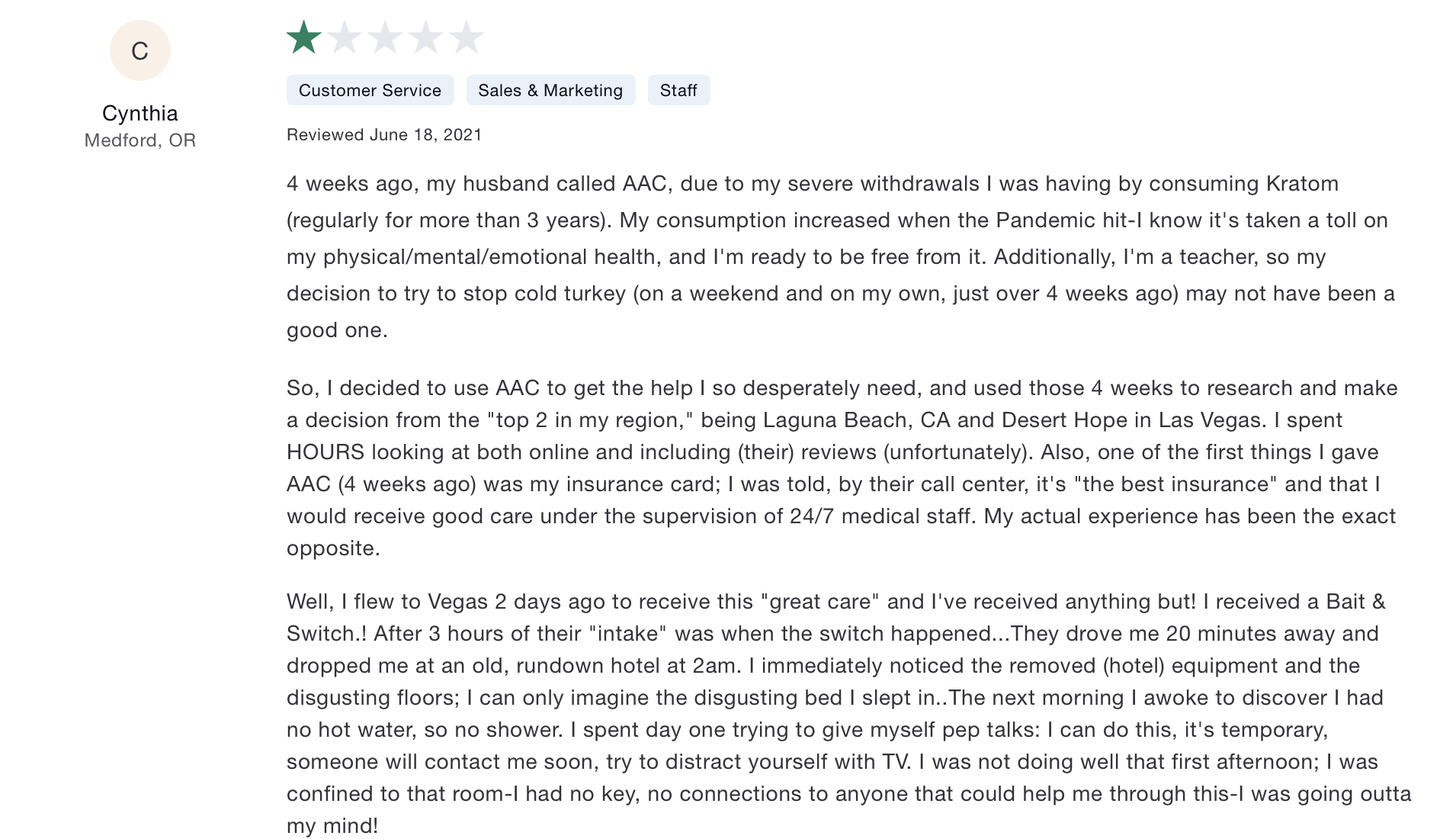
The therapist to patient ratio is abysmal, and although some therapists really try to help, they are outnumbered, underpaid and many of them leave contributing to a high staff turnover. Read my post on Substack: https://clelala.substack.com/p/the-dark-reality-of-addiction-treatment?utm_source=substack&utm_content=feed%3Arecommended%3Acopy_link to read reviews (towards the bottom) of not only people from consumer affairs.com but also Indeed.com, from former employees. Some of them were shocking/atrocious.
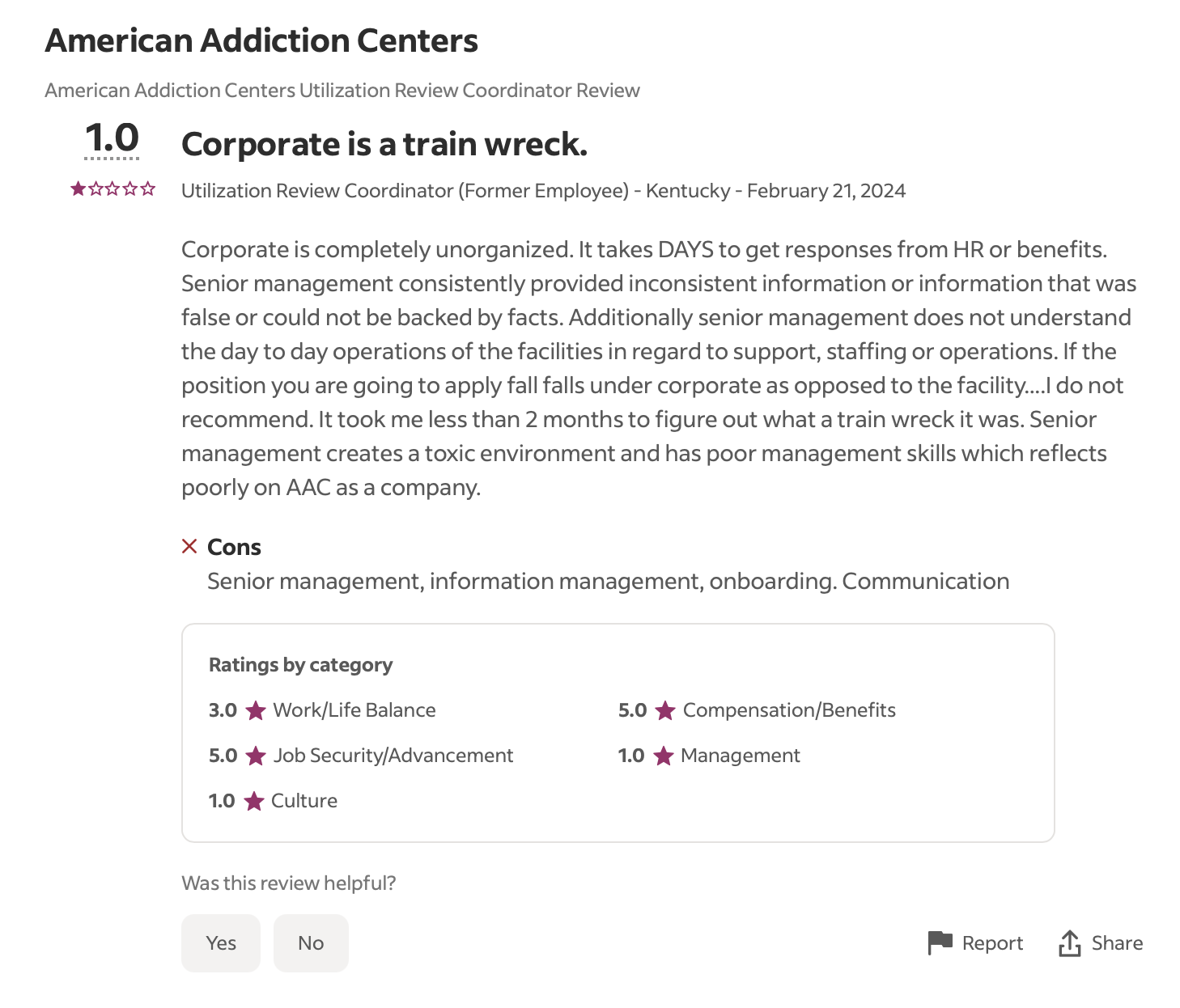
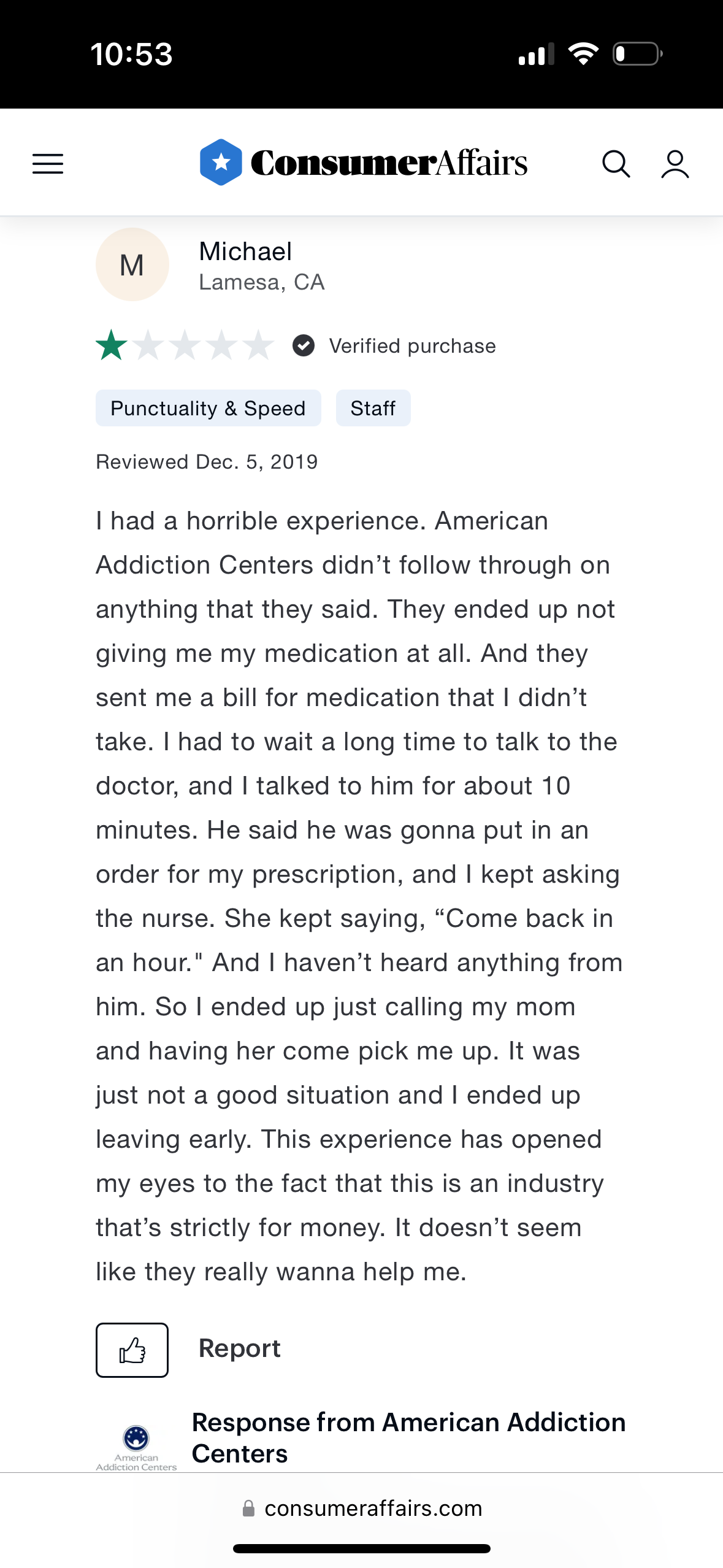
🧾 Legal Shielding and Corporate Evasion
Despite all this, AAC and companies like them continue to operate behind layers of corporate shielding. They avoid liability through shell companies, staff NDAs, and relentless legal maneuvers.
When these cases make it to court, families are often gaslit, ghosted, or buried under legal delays.
Some AAC execs have even quit during these lawsuits only to re-emerge running for public office:
Example: A rehab executive facing lawsuits over client deaths ran for Las Vegas City Council.
The staff who spends the most time with patients aren’t really the therapists or educators, but people walking around campus in blue scrubs who are essentially professional babysitters aka "T.A."s. Many of them do not have a medical background and are not trauma informed in their approach to care. They seem stressed, burned out and not invested in the overall mission, probably due to low pay. They are essentially the first responders to all the drama on campus, and it is quite evident.
I witnessed firsthand women being intimidated and cornered by male “resident assistants” who bullied them inappropriately and got way too close for comfort to yell at them for something really trivial like working on an art project such as a collage about their addiction in "the wrong space". They will go out of their way to intimidate patients and stalk them, yet when someone is on the verge of death and losing consciousness along with taking their last breath the signs are ignored until the last minute. If a patient is lucky, someone-most likely another patient, will call 9-1-1. They are not trained in trauma-informed care, let alone basic CPR, and if they are... it doesn't show.
There is documentation of preferential treatment for some patients over others, including many being kicked out for one reason while another patient does the same thing and is allowed to stay. Patients are pumped full of chemicals they have never taken before (like Seroquel or Klonopin) and then left homeless on the streets because they didn't kiss up to the administration during an interrogation over behavior and were kicked out immediately when they needed help the most. How do they expect someone who is detoxing from major drug abuse and mental illness to behave when confronted with a minor behavioral infraction? The staff seems to take it personally, another reflection of their lack of training and awareness.
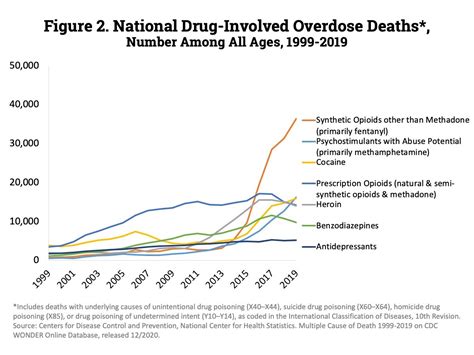
Another "inmate" while there witnessed at least three Fentanyl overdoses in the span of a few days in 2021. How is this happening at a verified drug treatment center? How is this happening in our country? Too many people are dying. Why are executives in China sitting in cubicles selling the ingredients to make illicit Fentanyl to labs run by Cartels in Mexico allowed to pass through US borders, killing thousands every day?
There are patients at River Oaks Treatment Center experiencing psychosis who were mocked and treated with brutality. I will never forget how staff ignored a woman with schizophrenia walking around half-dressed because her clothes were taken by another patient. I personally had to go to administration and insist they take her to a clothing bin to get dressed. She had clearly experienced recent domestic violence and was displaying signs of acute trauma. She lacked proper hygiene and was underweight, yet they kicked her out because she was difficult to handle. She later tried to come back-and was not given a chance to reenter. I often wonder what happened to her? One patient experiencing acute psychosis was allowed to leave campus-walking straight into traffic and instantly killed. Another left campus and shot himself. Yet another patient set herself on fire with a lighter.
This could have been avoided had AAC invested in a proper gate and monitoring system as well honoring their promise of 24/7 monitoring and care.

There are other incidents where people will make it past Stage One of detox, only to be kicked out because their insurance (despite ERISA/Parity Act/ACA) could not cover the cost of living “in the shoe” aka the second phase of detoxing-which they were not informed of upon entering the facilities.
Is it because they're needed to run expensive urine tests to bill insurance?
Patients/Clients regularly had articles of clothing and other personal affects stolen from their personal storage. Staff would deflect any liability. People in Phase I are incredibly vulnerable and prone to volatility. There were not many measures in place to protect others in the same unit from abuse that happens from patients experiencing intense symptoms while in the midst of painful detoxing.
"....Relapses are common among addicts, even when things seem to be going well, and treatment is expensive. A month of inpatient rehab can cost tens of thousands of dollars; in the past, this kind of treatment was mostly limited to the wealthy. The A.C.A. made it easier for the owners of treatment centers to bill insurers, and rehab, suddenly democratic, fell within reach of the well-insured middle class and its children.
Because there is no federal licensing framework for addiction-treatment centers, insurance companies trust the facilities to abide by state regulations. But little in medicine is as ill defined or as anecdotal as addiction treatment. Most rehab centers are not hospitals. The counsellors are often not psychologists. The medical directors can submit instructions from a distance...."
Excerpt from "My Years in the Florida Shuffle of Drug Addiction" <an analysis of a recovery journey in Palm Beach County and the Piss Farm Industry>
The term "piss farms" refers to a troubling practice within certain addiction treatment centers, where patients are subjected to frequent and often unnecessary urine drug tests. These tests are not always medically justified but are conducted primarily because they are highly profitable for the facilities.
In some cases, treatment centers have been known to bill insurance companies exorbitant amounts for routine urinalysis tests. For instance, a report highlighted that a facility billed $12,000 for nine urinalysis tests over a three-week period . This practice turns patients into sources of revenue, prioritizing profit over genuine care.
This exploitation is part of a broader issue known as the "Florida shuffle," where individuals with health insurance are cycled through various rehab centers and sober living houses. These facilities repeatedly bill the patient's insurance, often without providing effective treatment .
Lives have been lost because of these oversights. Families will never be the same because of losing their loved ones.
Stone Galaway, a 21 year old was found unresponsive in his room after others tried to alert resident authorities, including his roommate, only for their pleas for help to be ignored-resulting in his death. His family will never be able to see him again because they entrusted him to the care of people who did not do their job properly.
Families fork out thousands upon thousands of dollars for the mental and physical rehabilitation of relatives, only to discover funds are not being properly allocated to the training of informed staff with the necessary backgrounds to conduct health and safety protocols. They are understaffed and not paid enough to justify going out of their way to help a patient, as demonstrated by his death and others. It is agreed upon by many who have contributed to this petition's contents that 9-1-1 is called on campus at LEAST once per day.
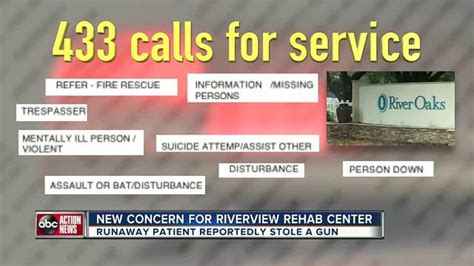
433 calls, In the first two years of opening in 2018. Sponsored by your tax dollars. This truly is inaccurate.
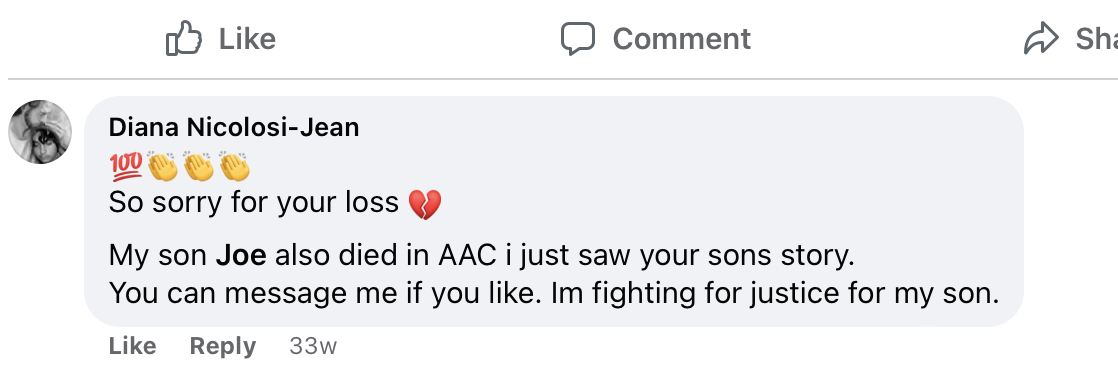
Diana Nicolosi-Jean will never see her son Joe again because he overdosed in a rehabilitation clinic at AAC. Her grief will last a lifetime, and because she entrusted the care of her son to people who took all her money but failed to uphold their promise to monitor her son 24/7 as advertised-she will not be able to see her loved one because of their negligence. This is a crime of the spirit and soul-and they should be held accountable.
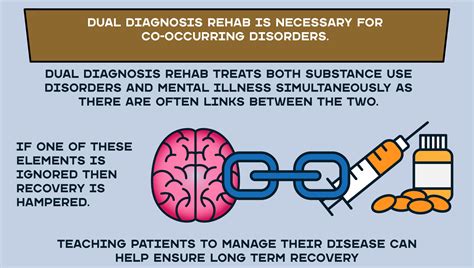
Treating and caring for those suffering from addiction is not a simple process and people who are addicts often have other co-morbid issues in addition to being addicted, like being diagnosed with Bipolar Disorder, Schizophrenia or an Eating Disorder with Generalized Anxiety and Major Depressive Disorder. This however, does not excuse providers and institutions such as AAC from being absolved of their failure to provide a safe treatment center for patients. This is what they advertise- this is their field of specialty, and they still cannot uphold the promise.
If corporations such as AAC are people according to the Citizens United Ruling, they should act like it.
There should be an investigation of AAC for putting residents in harm’s way by allowing for the death of so many patients to occur. One death is one too many. It is time we ask those with the power to investigate to do so before other people lose family members.
Here are some reviews of River Oaks, found from dark corners of the internet, places that can't be as easily "scrubbed", such as consumer affairs.com:
“If you are serious about recovery, don’t go here-you will be offered drugs on campus. 1/2 my belongings were stolen and everyone was on their phones the entire time.” -Trenton, Tampa Bay, Fl
“Legal Trap House- they sell you a dream over the phone, not even deserving of one star” -Beth, Alabama
“The director harassed a patient for speaking up, the people who work at this location need a lesson on how to treat people with these issues, rooms are filthy.” -Tom, West Orlando, FL
“There are cockroaches in all the rooms because staff let patients eat food in their rooms” -Clay, MO
“I was drugged with fentanyl at River Oaks, staff did not check on me and I had a seizure, was found unresponsive. “ Anaceona, Florida
“Demetrius is the only shining spot of this whole place, everything else is an F. They are all in it for the money and don’t care about your recovery, I got the wrong meds.” Pod, Tampa, FL
“The entire time I was there, I was forced to undergo weekly covid nasal swabs, I was never given a choice about this. It felt like my brain was being probed on a weekly basis and I have no sense of smell anymore. This is wrong-I never had Covid and it should be my choice what is done to my body” -Anonymous
“If you love your loved one do not send them to this rehab, words cannot describe the horrendous experience we had sending my husband there. There are more drugs being sold in this facility than in prison, every type of drug you can imagine. Maybe this is why they allow patients to have cell phone and laptops. The last day my husband was there, he was stumbling and not speaking coherently.” -Mitzie F, Ft. Lauderdale, FL
“They lie to family members about the status of the patients. They allow patients to steal and be discharged with items they didn’t check in.” -Maggie S. Fresno, CA
“They lied to us about blood lab work and in the end we were charged thousands of dollars from Quest Diagnostics. We were lied to and mislead. Please be aware of this scam they run. “ Darrell, Murrells Inlet, SC
“While there, there was a client who would leave campus several days in a row screaming about how he wanted to kill white girls, when I began to have a panic attack the resident assistants, aka TA's, would reprimand me for sharing my concerns about my safety.” Darrah, Fort Polk, LA
“While I was still intoxicated, staff coerced me to sign papers that would later cost me hundreds of dollars in extra treatment I did not consent to.” Christina, Hollywood, FL
River Oaks fails to provide 24/7 medical oversight, overcharges customers and lies to them about their insurance status, does not care about theft of property that occurs regularly on campus, has uniformed staff that do not have the training to handle mental illness and drug addiction, and they have allowed for residents to walk out and leave while still under the influence of drugs-ending up homeless or dead.
This treatment facility needs to be investigated and potentially shut down, as do other rehabilitation and mental health facilities throughout America. This call for an investigation to mental health and drug addiction facilities isn't limited to River Oaks in Florida.
🧠 He explains how these places legally operate without needing to be licensed as medical facilities.
⚠️ He describes, in chilling detail, how a 17-year-old girl was gang r*ped inside one of these facilities by fellow residents. And how the system separates LLCs to avoid liability.
💰 He details how corporate recovery centers exploit addiction as a business model—choosing volume over care.
⚠️ He discusses legal structures that shield these centers from liability—even in horrific cases.
🛬 He describes a man placed on a flight while psychotic, met by undertrained staff pretending to be a counselor. That facility later promoted a former cook to Director of Intake.
🧑⚖️ His conclusion: lawsuits—not regulation—are what lead to change.
It’s a brutal, honest conversation. It lays bare the system for what it really is.
- Bankruptcy Filing with undeclared claims:
https://dr201.s3.amazonaws.com/aac/schedules-sofas/SOAL%2020-11651.pdf
- Palm Beach Professional Group NPI Registry:
https://npidb.org/organizations/allopathic_osteopathic_physicians/psychiatry_2084p0800x/1952734873.aspx
- Transcript of Lawyer Conversation:
https://www.rev.com/transcript-editor/shared/axSOxwwqJjxY1-PpTW1E3YzpWFfJV8BmIJRhPfXnuQ-eKAvsmF50EH_FpQ_pGS_CyMwXBN14mSDnRv3fCP4FP8UE4tY?loadFrom=SharedLink
This lawyer is a verified source who worked directly on a death case tied to this location. His insights cut through the corporate fog.
📉 Let’s Talk Numbers
Nearly 27,000 people have viewed this petition.
Only 1,150 have signed.
What does that tell you about stigma?
Most read it and think, “Well, they were addicts.” Or worse—dismiss it entirely. Oh, well, addiction is a choice. Or as if abuse is acceptable in facilities a step above jail, totally ignoring the very real pain and suffering involved....the lasting trauma of seeking treatment already hurt only to be hurt even further, and ignored for it.
Real Stories, Real Pain
Read the comment section (some of which are missing). Survivors, families, and former staff all share a common theme: this facility, and others like it, operate with a shocking disregard for human life and recovery.
We are asking for:
- Full-scale audits of AAC and affiliates
- Review of licensing and accreditation procedures
- Policy reform and greater accountability within the addiction treatment industry
-Justice for the victims’ families, acknowledgment of their loss, and the hope for closure or serious redress.
-Give people who were endangered on their campus a full refund, at the very least! Absolutely ridiculous
These are treatable medical conditions. Yet families are left shattered, searching for answers. Searching for loved ones who were just trying to get help. I write this in the hope it reaches someone who can do something.
If You Agree:
- Sign this petition
- Share your story in the comments
- Help hold AAC accountable before more lives are lost
We want no more families to suffer preventable tragedies. The time to act is now. Please sign if you agree and share your thoughts in the comments below.
The butterfly effect is a concept from chaos theory that suggests small changes in a system can lead to vastly different outcomes. It’s often illustrated by the idea that the flap of a butterfly’s wings in Brazil could eventually cause a tornado in Texas.
In simpler terms: even tiny actions or events can set off a chain reaction that results in major consequences, especially in complex systems like weather, ecosystems, or human behavior.
The butterfly effect also applies to human actions, including people giving a damn—standing up against injustice, stopping abuse before it happens, and shutting down harmful facilities or compensating victims who have been shoved under the rug for their suffering. Small acts of care and responsibility can ripple out and create lasting change, affecting systems and individuals in ways that might seem small at first, but have huge, far-reaching consequences.

1,230
The Issue
Petition for Accountability and Investigation Into American Addiction Centers (AAC) and River Oaks Treatment Center
Negligence That Results in Death or Serious Harm is Unacceptable
Content Warning ⚠️ : Sexual Violence, Death and Abuse
They changed names. Filed bankruptcy. Hid behind shell companies. But people are still dying—at the same facilities, under the same system. It’s the ouroboros of shapeshifting deceit—and people have suffered, been seriously neglected, hurt and left homeless.
This petition is a call to action for accountability, justice, and change. Too many lives have been lost or irreversibly harmed due to negligence and inadequate care provided by American Addiction Centers (AAC)... These are not just incidents—they are patterns. Patterns of preventable death, trauma, and systemic failure. We are petitioning the Joint Commission, the Commission on Accreditation of Rehabilitation Facilities, the State of Florida, Department of Health and Human Services (SAMHSA-Substance Abuse and Mental Health Services Administration), the American Psychiatric Center (APA), American Board of Addiction Medicine (ABAM founded in 2007), Law Enforcement and The United States government to investigate American Addiction Centers, especially the location in Riverview, Florida called River Oaks Treatment Center and American Addiction Centers for gross neglect of patients.
People Who Have Died After Receiving Care at AAC While on Premises:
1. Stone Galaway
2. Joe Nicolosi-Jean
3. Graeme Hill
4. A 23-year-old man who died by suicide after being allowed to leave campus during a psychotic episode
5. Shaun Reyna (California)
6. Conner Johnson
7. Cody Arbuckle
8. April Leeming
9. Andrew "Drew" Sanders
10. Bradley Keith Bongar
11. Gary Benefield
12. Billy Patient
13. Duarte Caetano
Sources:
https://nevadacurrent.com/briefs/aac-sued-for-another-las-vegas-patient-death
https://nevadacurrent.com/2019/05/29/lawmakers-aim-to-clean-up-drug-and-alcohol-rehab-industry
Known Survivors Who Suffered Serious Harm:
- Marisel Sanchez: Suffered life-threatening burns due to lack of supervision while detoxing from alcohol.
- Anaceona Mejias: Found unresponsive after her drink was spiked with fentanyl on campus.
- While I was there in the fall of 2021, I personally witnessed at least four or more fentanyl-related emergencies on campus, including incidents where individuals brought drugs intentionally and spiked others’ drinks—creating a terrifying and unsafe environment for everyone involved.
- I also witnessed violence frequently, including people recently released from jail who came to the facility and, in moments of rage, flipped tables and caused chaos following fights that broke out on campus.
Look, we understand — nothing is perfect. This place serves thousands of people, so some complaints are inevitable. But there's a big difference between minor issues like dirty sheets and serious incidents like gang r*pe or death.
Is this part of a broader systemic issue? The failure of the ACA, the fact that these facilities pretend to offer something exclusive yet also inclusive — a kind of curated support — when in reality, the experience often feels barely a step above prison-like conditions? This isn't about politics; it's about a glaring reality that most people won't understand until they've been through it themselves. Sure, there will always be bad actors who end up in these places, but that doesn't excuse the facilities for their false promises. They sell wild claims, and just because they quietly update their websites or reword their marketing, it doesn't mean the people they failed will forget.
How can you possibly differentiate — and legally, you can't — between someone who is desperate for help and willing to do anything to improve, regardless of finance, and someone who shows up just to target and harass others? Many people who genuinely need help also bring chaos with them, and the truth is, the corporation simply isn't equipped to handle it. That's the elephant in the room — and people have been hurt because of it because they had no idea what they were walking into, even after hours of "research" that was actually based on information from a carefully constructed misleading "presence".
Addiction is a disease, and treatment centers see it as a business model. AAC is seemingly no different. Some people self medicate because they've experienced trauma and have underlying disorders.
The addiction treatment industry in the U.S. is a billion-dollar behemoth—but behind the marketing brochures and pristine rehab brochures lies a labyrinth of fraud, coercion, death, and abuse. At its most extreme, what masquerades as care for the vulnerable can become indistinguishable from human trafficking.
https://www.motherjones.com/politics/2019/04/american-addiction-centers-publicly-traded-rehab/
https://www.motherjones.com/criminal-justice/2019/02/opioid-epidemic-rehab-recruiters
^and why did he go? cause the multi-million dollar corporation that's a also bankrupt had a great UX web designer and content creator behind the scenes
This exposé is not theory. It’s built on firsthand accounts, legal insight, and the voices of those who've lived and lost within this system. It focuses particularly on American Addiction Centers (AAC) and related treatment facilities, pulling back the curtain on a hidden economy fueled by pain.
Body brokering is the practice of "buying and selling" patients to treatment centers for profit. These brokers are often former addicts themselves, now using connections to funnel insured patients into whatever facility pays best—regardless of whether it's safe, legal, or even remotely therapeutic.
When I was instructed to go to this place in the Fall of 2021, I felt like I had no other option. I'll never forget that phone call—what I now realize was a form of body brokering, where they manipulated both my parents and the legal system, convincing them they were the best choice for my supposed "cannabis misuse disorder." It was all so smooth, so calculated. I really wish I had remembered their names or the details of how that phone call was orchestrated. One thing was certain, though—they were after a credit card number. I've learned a lot from that experience!
At the core of body brokering is the recruitment of individuals with substance abuse issues by brokers who are incentivized through financial kickbacks. These brokers often prey on vulnerable people—homeless individuals, those recently relapsed, or those without insurance—and convince them to enter treatment programs that prioritize profit over recovery. These treatment centers bill insurance companies excessively and may cycle patients through multiple centers for continuous billing once their benefits run out.
This phenomenon is closely related to the "Florida Shuffle," a term used to describe the revolving door that people with addiction are pushed through in Florida, a state that has become notorious for this practice. The Florida Shuffle often sees individuals move from one treatment center to another, never receiving proper care, only to be discharged once their insurance benefits are exhausted, only to be recruited again when they relapse. The goal of such centers is not to achieve long-term recovery but to create a continuous flow of insurance payments.
As laid out in The New Yorker’s deep-dive on Florida’s rehab economy, many rehab clients are lured with promises of cash, drugs, or housing—only to be bounced from one center to the next to milk their insurance dry.
According to Vox, areas like South Florida have earned a reputation as the "relapse capital of America," where the addiction recovery industry has become a billion-dollar business that feeds off vulnerable individuals caught in this endless cycle (Bell, 2017).
There’s a dark underbelly to addiction treatment that rarely gets the public scrutiny it deserves. It's called body brokering, and it's not just unethical—it's often indistinguishable from human trafficking.
At the surface, body brokering in addiction treatment looks like people helping others into rehab. But what really happens is far more sinister: individuals and organizations profit off vulnerable people, moving them from one treatment center to another, exploiting their addiction for insurance payouts, and in many cases, leaving them worse off—or even dead
https://nevadacurrent.com/2019/03/05/drug-screens-raising-revenue-for-rehabs-costs-for-patients
There are entire Facebook groups and activists trying to expose predatorily practices in the Addiction Treatment Center world like "It's Time for Ethics in Addiction Treatment" (ITFEIAT)
Link: https://www.facebook.com/groups/1601249249894958
The addiction treatment industry is a multi-billion-dollar business in the United States, but behind its glossy marketing campaigns and celebrity endorsements, there lies a disturbing underbelly of corruption, exploitation, and abuse. A chilling conversation with J., Esq. – a seasoned attorney who has worked on numerous cases involving unethical addiction centers – uncovered the deep-seated issues that have been festering within this industry for years. The problems are far more grave than many realize, ranging from human trafficking and body brokering to physical abuse and even sex trafficking.
https://usiaht.org/resources/chrysalis-house
https://en.wikipedia.org/wiki/Florida_shuffle
This petition dives into these issues and sheds light on the ways addiction treatment centers – specifically those within the American Addiction Centers (AAC) network – exploit vulnerable individuals for profit. From the very structure of these facilities to the shady dealings that occur behind closed doors, the truth about the addiction treatment industry is more shocking than anyone can imagine.
The Problem of Body Brokering and Human Trafficking
In some of the most disturbing cases, especially in parts of Florida and California, body brokering overlaps with sex trafficking. Patients—often young, struggling, and isolated—are manipulated or coerced into sex work, sometimes under the guise of "housing" or "support." It's a cycle of abuse hiding under the banner of healthcare.
NBC News reported how fraudulent treatment centers lure addicts into sex trafficking under the pretense of offering care.
What complicates this issue further is the link between body brokering and human trafficking. As addiction treatment centers become more focused on maximizing profits, some centers have crossed the line into sex trafficking. Vulnerable patients, who may be coerced into sex work, are manipulated into participating under the guise of addiction treatmen
One of the most sinister aspects of the addiction treatment industry is the practice of body brokering. Body brokers are individuals or entities that exploit patients by selling them to the highest bidder—sometimes to treatment centers, other times to unscrupulous individuals involved in the world of human trafficking. In some cases, these brokers manipulate the insurance system by offering up patients in exchange for kickbacks, leading to inflated medical bills and unnecessary treatments.
J., Esq. paints a stark picture of how this happens:
“They’ll show up at a facility, and all they care about is how much money they can make off of you. It's all about moving you in and out, generating money from your insurance, whether you need the treatment or not.”
This exploitation often takes the form of selling individuals into treatment centers that are either underperforming or using unethical methods to "treat" patients. But it goes beyond that; these brokers don’t just sell to legitimate centers. In some cases, the individuals they sell are later forced into situations resembling human trafficking, where they’re treated as little more than commodities.
The AAC network is notorious for its use of body brokers, which J. acknowledges in their conversation:
“There are definitely shady things going on, with brokers pushing people into facilities for the insurance money... A whole underground market operates off of these vulnerable individuals who are just trying to get help.”
Exploiting Vulnerable Patients for Profit
The larger issue is that treatment centers like those run by AAC often exploit these individuals even further, treating them like cash cows. The level of deceit and manipulation to maximize profits is staggering. Addiction centers often tell patients they need extensive treatment – in some cases, treatments that may not even be necessary. As J., Esq. explains, many facilities will keep patients in programs longer than necessary, simply because the longer they stay, the more money they make from insurance companies.
“These centers are structured so that the longer you stay, the more money they make. It's a profit-driven operation where your recovery is secondary to the dollars being made.”
This exploitation feeds into a vicious cycle, as vulnerable individuals, often desperate for a way out of addiction, are kept trapped in a system that profits off their misfortune. In some cases, patients are even coerced or forced into these programs, unable to escape once they’re in the system.
The Disturbing Tale of Abuse: Gang Rape and the Fence
But the problems don’t stop at body brokering and insurance fraud. There are darker, more horrific things happening inside these treatment centers. J., Esq. relays the details of a case that involved an incredibly traumatic event: a gang rape that occurred inside one of the facilities:
“I worked on a case where a patient was gang-raped at a treatment facility. They weren’t even adequately supervised. The staff either turned a blind eye or were complicit. There was no accountability.”
The story doesn’t end there. The treatment centers involved in these cases are not only negligent in their care but actively create environments where abuse is not only possible, but likely. Patients who are already vulnerable are often left unsupervised or are placed in dangerous situations, all in the name of profit.
“It's like a cattle pen. They don’t care about the people, they just care about how many beds they can fill.”
Moreover, the lack of proper oversight and regulation means that incidents like these – which are often covered up – continue to happen unchecked. J. elaborates on the difficulty in holding these centers accountable:
“Even when you get a case to court, they do everything in their power to prevent accountability. The system is set up to protect them, not the people they’re supposed to help.”
The “Fence”: A Shocking Network of Exploitation
As if body brokering and neglect weren’t bad enough, there’s another horrifying reality that exists within these centers: a hidden network of exploitation known as the "fence." J., Esq. explains the term and its relevance to the addiction treatment industry:
“The 'fence' is a shady network that buys and sells patients to different facilities. Some of these places are selling people into trafficking networks. It’s all about making the money, at any cost.”
This “fence” isn’t just a figure of speech—it’s a real underground market where patients are treated like merchandise. These individuals are shuffled from one treatment center to the next, with each transfer earning someone a kickback. In some cases, these individuals are transported to facilities that are not only unsafe but may even be involved in trafficking or illegal activities.
Deaths, Shady Deals, and the Fight for Transparency
The discussion turns to the alarming number of deaths that have occurred within the AAC network. Clelia Sheppard, who has been deeply involved in trying to uncover the truth, talks about the lack of transparency when it comes to tracking the number of people who have died at these facilities.
“This mom, Joe Nicolosi’s mom, she spoke to me a lot and then she’s not responding anymore. She told me at least 50 people have died at AAC.”
However, J., Esq. cautions that even finding definitive numbers on deaths is incredibly difficult:
“You won’t be able to find it. Even if there were 50 deaths across the country, it’s hard to get any solid proof. The data is buried, hidden, or manipulated. Getting any kind of public information on these deaths is nearly impossible.”
It’s not just the deaths that are hidden, but the entire structure of these treatment centers is designed to evade public scrutiny. Even when families or lawyers do their best to get answers, they’re met with resistance, legal loopholes, and stonewalling.
“They’ve created an outfit where they have truly done a nice job from a legal perspective of structuring their organization in a way that gives them as much insulation as they can.”
This makes it incredibly hard for families to seek justice or for advocacy groups to bring these issues to the forefront.
Conclusion: A Call to Expose the Truth
The more we dig into the world of addiction treatment, the more we realize how much needs to be exposed. Human trafficking, body brokering, abuse, and even deaths—these are just a few of the many dark realities that patients face when they enter addiction treatment centers like those run by AAC.
The fight against these unethical practices is far from over, and the road ahead is long and fraught with obstacles. But we cannot stop pushing for accountability, for the truth to come out, and for those responsible to face the consequences of their actions. If we want to protect vulnerable individuals from falling prey to exploitation, we must stand up and demand change, because the system in place now is failing those who need help the most.
If you or someone you know has been affected by these practices, it’s crucial to keep fighting. The truth needs to be exposed, and the survivors need to be heard.
Patients died at this location because untrained staff failed to recognize the symptoms of overdose or did not provide a secure campus. River Oaks in Florida does not have proper protection to their facility and this allows for patients to leave premises and bring paraphernalia and contraband back onto the campus as well as to engage in harmful behaviors < id est> purchasing alcohol or obtaining weapons. Drug Rehabilitation centers should know better than anyone just how far addicts will go to act on their impulses and compulsions in order to find relief from their disease.
When a facility fails to offer proper care and treatment of patients, and not at a cheap price tag either, it falls upon the individuals and their families who have suffered the most to report these egregious errors to proper authorities. Even then, concerns go largely unchecked.
American Addiction Centers promises many lofty claims including top notch environmental care, emergency care and management, infection control, infection prevention, individual rights and responsibilities to the patient, care and treatment of patients, safety (including 24/7 monitoring and care, which they've recently as of 2024 removed from their website, reserved for detox only) and a mission to prevent them from acting on their addiction.
Time and time again, River Oaks has failed to do this resulting in the harm of patients and even their death. So have their other 25+ locations and off shoot facilities/recovery homes.
The deaths they are responsible for are unforgivable.
The therapist to patient ratio is abysmal, and although some therapists really try to help, they are outnumbered, underpaid and many of them leave contributing to a high staff turnover. Read my post on Substack: https://clelala.substack.com/p/the-dark-reality-of-addiction-treatment?utm_source=substack&utm_content=feed%3Arecommended%3Acopy_link to read reviews (towards the bottom) of not only people from consumer affairs.com but also Indeed.com, from former employees. Some of them were shocking/atrocious.
🧾 Legal Shielding and Corporate Evasion
Despite all this, AAC and companies like them continue to operate behind layers of corporate shielding. They avoid liability through shell companies, staff NDAs, and relentless legal maneuvers.
When these cases make it to court, families are often gaslit, ghosted, or buried under legal delays.
Some AAC execs have even quit during these lawsuits only to re-emerge running for public office:
Example: A rehab executive facing lawsuits over client deaths ran for Las Vegas City Council.
The staff who spends the most time with patients aren’t really the therapists or educators, but people walking around campus in blue scrubs who are essentially professional babysitters aka "T.A."s. Many of them do not have a medical background and are not trauma informed in their approach to care. They seem stressed, burned out and not invested in the overall mission, probably due to low pay. They are essentially the first responders to all the drama on campus, and it is quite evident.
I witnessed firsthand women being intimidated and cornered by male “resident assistants” who bullied them inappropriately and got way too close for comfort to yell at them for something really trivial like working on an art project such as a collage about their addiction in "the wrong space". They will go out of their way to intimidate patients and stalk them, yet when someone is on the verge of death and losing consciousness along with taking their last breath the signs are ignored until the last minute. If a patient is lucky, someone-most likely another patient, will call 9-1-1. They are not trained in trauma-informed care, let alone basic CPR, and if they are... it doesn't show.
There is documentation of preferential treatment for some patients over others, including many being kicked out for one reason while another patient does the same thing and is allowed to stay. Patients are pumped full of chemicals they have never taken before (like Seroquel or Klonopin) and then left homeless on the streets because they didn't kiss up to the administration during an interrogation over behavior and were kicked out immediately when they needed help the most. How do they expect someone who is detoxing from major drug abuse and mental illness to behave when confronted with a minor behavioral infraction? The staff seems to take it personally, another reflection of their lack of training and awareness.
Another "inmate" while there witnessed at least three Fentanyl overdoses in the span of a few days in 2021. How is this happening at a verified drug treatment center? How is this happening in our country? Too many people are dying. Why are executives in China sitting in cubicles selling the ingredients to make illicit Fentanyl to labs run by Cartels in Mexico allowed to pass through US borders, killing thousands every day?
There are patients at River Oaks Treatment Center experiencing psychosis who were mocked and treated with brutality. I will never forget how staff ignored a woman with schizophrenia walking around half-dressed because her clothes were taken by another patient. I personally had to go to administration and insist they take her to a clothing bin to get dressed. She had clearly experienced recent domestic violence and was displaying signs of acute trauma. She lacked proper hygiene and was underweight, yet they kicked her out because she was difficult to handle. She later tried to come back-and was not given a chance to reenter. I often wonder what happened to her? One patient experiencing acute psychosis was allowed to leave campus-walking straight into traffic and instantly killed. Another left campus and shot himself. Yet another patient set herself on fire with a lighter.
This could have been avoided had AAC invested in a proper gate and monitoring system as well honoring their promise of 24/7 monitoring and care.
There are other incidents where people will make it past Stage One of detox, only to be kicked out because their insurance (despite ERISA/Parity Act/ACA) could not cover the cost of living “in the shoe” aka the second phase of detoxing-which they were not informed of upon entering the facilities.
Is it because they're needed to run expensive urine tests to bill insurance?
Patients/Clients regularly had articles of clothing and other personal affects stolen from their personal storage. Staff would deflect any liability. People in Phase I are incredibly vulnerable and prone to volatility. There were not many measures in place to protect others in the same unit from abuse that happens from patients experiencing intense symptoms while in the midst of painful detoxing.
"....Relapses are common among addicts, even when things seem to be going well, and treatment is expensive. A month of inpatient rehab can cost tens of thousands of dollars; in the past, this kind of treatment was mostly limited to the wealthy. The A.C.A. made it easier for the owners of treatment centers to bill insurers, and rehab, suddenly democratic, fell within reach of the well-insured middle class and its children.
Because there is no federal licensing framework for addiction-treatment centers, insurance companies trust the facilities to abide by state regulations. But little in medicine is as ill defined or as anecdotal as addiction treatment. Most rehab centers are not hospitals. The counsellors are often not psychologists. The medical directors can submit instructions from a distance...."
Excerpt from "My Years in the Florida Shuffle of Drug Addiction" <an analysis of a recovery journey in Palm Beach County and the Piss Farm Industry>
The term "piss farms" refers to a troubling practice within certain addiction treatment centers, where patients are subjected to frequent and often unnecessary urine drug tests. These tests are not always medically justified but are conducted primarily because they are highly profitable for the facilities.
In some cases, treatment centers have been known to bill insurance companies exorbitant amounts for routine urinalysis tests. For instance, a report highlighted that a facility billed $12,000 for nine urinalysis tests over a three-week period . This practice turns patients into sources of revenue, prioritizing profit over genuine care.
This exploitation is part of a broader issue known as the "Florida shuffle," where individuals with health insurance are cycled through various rehab centers and sober living houses. These facilities repeatedly bill the patient's insurance, often without providing effective treatment .
Lives have been lost because of these oversights. Families will never be the same because of losing their loved ones.
Stone Galaway, a 21 year old was found unresponsive in his room after others tried to alert resident authorities, including his roommate, only for their pleas for help to be ignored-resulting in his death. His family will never be able to see him again because they entrusted him to the care of people who did not do their job properly.
Families fork out thousands upon thousands of dollars for the mental and physical rehabilitation of relatives, only to discover funds are not being properly allocated to the training of informed staff with the necessary backgrounds to conduct health and safety protocols. They are understaffed and not paid enough to justify going out of their way to help a patient, as demonstrated by his death and others. It is agreed upon by many who have contributed to this petition's contents that 9-1-1 is called on campus at LEAST once per day.
433 calls, In the first two years of opening in 2018. Sponsored by your tax dollars. This truly is inaccurate.
Diana Nicolosi-Jean will never see her son Joe again because he overdosed in a rehabilitation clinic at AAC. Her grief will last a lifetime, and because she entrusted the care of her son to people who took all her money but failed to uphold their promise to monitor her son 24/7 as advertised-she will not be able to see her loved one because of their negligence. This is a crime of the spirit and soul-and they should be held accountable.
Treating and caring for those suffering from addiction is not a simple process and people who are addicts often have other co-morbid issues in addition to being addicted, like being diagnosed with Bipolar Disorder, Schizophrenia or an Eating Disorder with Generalized Anxiety and Major Depressive Disorder. This however, does not excuse providers and institutions such as AAC from being absolved of their failure to provide a safe treatment center for patients. This is what they advertise- this is their field of specialty, and they still cannot uphold the promise.
If corporations such as AAC are people according to the Citizens United Ruling, they should act like it.
There should be an investigation of AAC for putting residents in harm’s way by allowing for the death of so many patients to occur. One death is one too many. It is time we ask those with the power to investigate to do so before other people lose family members.
Here are some reviews of River Oaks, found from dark corners of the internet, places that can't be as easily "scrubbed", such as consumer affairs.com:
“If you are serious about recovery, don’t go here-you will be offered drugs on campus. 1/2 my belongings were stolen and everyone was on their phones the entire time.” -Trenton, Tampa Bay, Fl
“Legal Trap House- they sell you a dream over the phone, not even deserving of one star” -Beth, Alabama
“The director harassed a patient for speaking up, the people who work at this location need a lesson on how to treat people with these issues, rooms are filthy.” -Tom, West Orlando, FL
“There are cockroaches in all the rooms because staff let patients eat food in their rooms” -Clay, MO
“I was drugged with fentanyl at River Oaks, staff did not check on me and I had a seizure, was found unresponsive. “ Anaceona, Florida
“Demetrius is the only shining spot of this whole place, everything else is an F. They are all in it for the money and don’t care about your recovery, I got the wrong meds.” Pod, Tampa, FL
“The entire time I was there, I was forced to undergo weekly covid nasal swabs, I was never given a choice about this. It felt like my brain was being probed on a weekly basis and I have no sense of smell anymore. This is wrong-I never had Covid and it should be my choice what is done to my body” -Anonymous
“If you love your loved one do not send them to this rehab, words cannot describe the horrendous experience we had sending my husband there. There are more drugs being sold in this facility than in prison, every type of drug you can imagine. Maybe this is why they allow patients to have cell phone and laptops. The last day my husband was there, he was stumbling and not speaking coherently.” -Mitzie F, Ft. Lauderdale, FL
“They lie to family members about the status of the patients. They allow patients to steal and be discharged with items they didn’t check in.” -Maggie S. Fresno, CA
“They lied to us about blood lab work and in the end we were charged thousands of dollars from Quest Diagnostics. We were lied to and mislead. Please be aware of this scam they run. “ Darrell, Murrells Inlet, SC
“While there, there was a client who would leave campus several days in a row screaming about how he wanted to kill white girls, when I began to have a panic attack the resident assistants, aka TA's, would reprimand me for sharing my concerns about my safety.” Darrah, Fort Polk, LA
“While I was still intoxicated, staff coerced me to sign papers that would later cost me hundreds of dollars in extra treatment I did not consent to.” Christina, Hollywood, FL
River Oaks fails to provide 24/7 medical oversight, overcharges customers and lies to them about their insurance status, does not care about theft of property that occurs regularly on campus, has uniformed staff that do not have the training to handle mental illness and drug addiction, and they have allowed for residents to walk out and leave while still under the influence of drugs-ending up homeless or dead.
This treatment facility needs to be investigated and potentially shut down, as do other rehabilitation and mental health facilities throughout America. This call for an investigation to mental health and drug addiction facilities isn't limited to River Oaks in Florida.
🧠 He explains how these places legally operate without needing to be licensed as medical facilities.
⚠️ He describes, in chilling detail, how a 17-year-old girl was gang r*ped inside one of these facilities by fellow residents. And how the system separates LLCs to avoid liability.
💰 He details how corporate recovery centers exploit addiction as a business model—choosing volume over care.
⚠️ He discusses legal structures that shield these centers from liability—even in horrific cases.
🛬 He describes a man placed on a flight while psychotic, met by undertrained staff pretending to be a counselor. That facility later promoted a former cook to Director of Intake.
🧑⚖️ His conclusion: lawsuits—not regulation—are what lead to change.
It’s a brutal, honest conversation. It lays bare the system for what it really is.
- Bankruptcy Filing with undeclared claims:
https://dr201.s3.amazonaws.com/aac/schedules-sofas/SOAL%2020-11651.pdf
- Palm Beach Professional Group NPI Registry:
https://npidb.org/organizations/allopathic_osteopathic_physicians/psychiatry_2084p0800x/1952734873.aspx
- Transcript of Lawyer Conversation:
https://www.rev.com/transcript-editor/shared/axSOxwwqJjxY1-PpTW1E3YzpWFfJV8BmIJRhPfXnuQ-eKAvsmF50EH_FpQ_pGS_CyMwXBN14mSDnRv3fCP4FP8UE4tY?loadFrom=SharedLink
This lawyer is a verified source who worked directly on a death case tied to this location. His insights cut through the corporate fog.
📉 Let’s Talk Numbers
Nearly 27,000 people have viewed this petition.
Only 1,150 have signed.
What does that tell you about stigma?
Most read it and think, “Well, they were addicts.” Or worse—dismiss it entirely. Oh, well, addiction is a choice. Or as if abuse is acceptable in facilities a step above jail, totally ignoring the very real pain and suffering involved....the lasting trauma of seeking treatment already hurt only to be hurt even further, and ignored for it.
Real Stories, Real Pain
Read the comment section (some of which are missing). Survivors, families, and former staff all share a common theme: this facility, and others like it, operate with a shocking disregard for human life and recovery.
We are asking for:
- Full-scale audits of AAC and affiliates
- Review of licensing and accreditation procedures
- Policy reform and greater accountability within the addiction treatment industry
-Justice for the victims’ families, acknowledgment of their loss, and the hope for closure or serious redress.
-Give people who were endangered on their campus a full refund, at the very least! Absolutely ridiculous
These are treatable medical conditions. Yet families are left shattered, searching for answers. Searching for loved ones who were just trying to get help. I write this in the hope it reaches someone who can do something.
If You Agree:
- Sign this petition
- Share your story in the comments
- Help hold AAC accountable before more lives are lost
We want no more families to suffer preventable tragedies. The time to act is now. Please sign if you agree and share your thoughts in the comments below.
The butterfly effect is a concept from chaos theory that suggests small changes in a system can lead to vastly different outcomes. It’s often illustrated by the idea that the flap of a butterfly’s wings in Brazil could eventually cause a tornado in Texas.
In simpler terms: even tiny actions or events can set off a chain reaction that results in major consequences, especially in complex systems like weather, ecosystems, or human behavior.
The butterfly effect also applies to human actions, including people giving a damn—standing up against injustice, stopping abuse before it happens, and shutting down harmful facilities or compensating victims who have been shoved under the rug for their suffering. Small acts of care and responsibility can ripple out and create lasting change, affecting systems and individuals in ways that might seem small at first, but have huge, far-reaching consequences.
The Decision Makers

Supporter Voices
Petition Updates
Share this petition
Petition created on September 4, 2023