Save Kensington Mansion!
Save Kensington Mansion!
The Issue
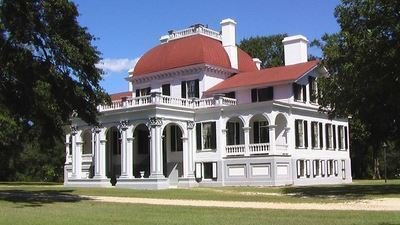
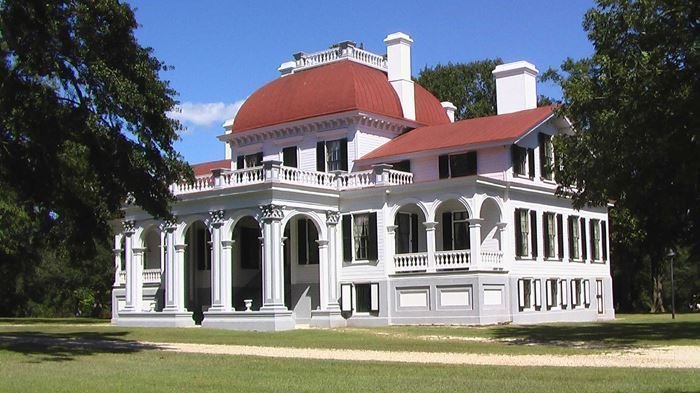
Kensington Mansion, a ca. 1853 plantation home located in Eastover, South Carolina that operated as a historic house museum since the early 1980s, is owned by International Paper, which closed the house in February 2014 when damage from an ice storm made the house unsafe for tours. Since closing, repairs have not been made to the building, which at this point it is experiencing demolition by neglect. In February 2015, International Paper, terminated the contract with the Scarborough Hamer Foundation, which owns the collections and manages tours at Kensington, and has actively prevented repairs to the mansion.
Join us in asking International Paper to keep their promises to preserve this integral piece of South Carolina history!
IP HAS A LEGAL OBLIGATION TO PRESERVE KENSINGTON.
IP has ignored its legal obligation as a condition to withdraw water from and discharge water into the Wateree River, which they need for the plant on the property to function. Failure of International Paper to maintain and preserve Kensington Mansion amounts to an “adverse effect” in violation of Section 106 of the National Historic Preservation Act. Since 1999, IP has taken more than $46 million in tax inducements given to create jobs and economic growth, based on a commitment to good corporate citizenship.
IP HAS DENIED PUBLIC ACCESS.
IP’s cooperation with the community to open the Mansion to the public has dwindled to literally nothing. Over the past two decades, the Mansion has been less and less accessible to the public with opening days reduced over time from several times a month, to only during the Christmas season and special occasions to totally closed. This resulted in a loss of revenue to help operate the Mansion for the public benefit.
IP HAS BLOCKED EFFORTS TO ASSIST AND REFUSED ANY ATTEMPT AT DIALOGUE WITH THE COMMUNITY.
Offers to seek assistance from private, public or grant making organizations have been turned down by International Paper. IP even prohibited the placement of a tarp on the roof to stop leaks from damaging the valuable historic collection and significant plasterwork. Advocates for the mansion were prohibited from speaking about its condition publicly or from seeking assistance from local governments, and IP executives have time and time again refused to meet or explain IP’s plans or decision making process or timeline.
IP MUST HONOR ITS COMMITMENT TO THE COMMUNITY
We are asking executive staff from International Paper in Memphis to travel to Eastover to:
- Meet with key leaders in the community and tour the buildings at Kensington
- Commit the money to making repairs to the Mansion, kitchen house and slave dwelling
- Develop a long-term plan for use of the property
History of Kensington Mansion:
- Construction on the plantation home began in 1851 and was completed in 1853. The design is unique in its predominantly Italianate elaboration wedged into a plain farmhouse.
- Its builder, Colonel Richard Singleton, was a wealthy planter of cotton. His sister was Angelica Singleton Van Buren, daughter-in-law and hostess of President Martin Van Buren in the White House.
- In addition to the main house, the site includes the original kitchen building and one slave cabin, the latter of which is in significant disrepair. Jacob Stroyer, born and enslaved on the plantation, documented life at the site in his 1879 memoir, My Life in the South, an extraordinary insight into plantation life in South Carolina. This place is a tangible link to that story.
- In 1981, Union Camp Corporation acquired Kensington Mansion. As part of a 1982 agreement with the Army Corps of Engineers, Union Camp was required to “preserve and maintain” the historic site in exchange for the right to move water in and out of the Wateree River.
- In 1999 the Union Camp Corporation was acquired by International Paper, which now owns and manages the site.

The Issue
Kensington Mansion, a ca. 1853 plantation home located in Eastover, South Carolina that operated as a historic house museum since the early 1980s, is owned by International Paper, which closed the house in February 2014 when damage from an ice storm made the house unsafe for tours. Since closing, repairs have not been made to the building, which at this point it is experiencing demolition by neglect. In February 2015, International Paper, terminated the contract with the Scarborough Hamer Foundation, which owns the collections and manages tours at Kensington, and has actively prevented repairs to the mansion.
Join us in asking International Paper to keep their promises to preserve this integral piece of South Carolina history!
IP HAS A LEGAL OBLIGATION TO PRESERVE KENSINGTON.
IP has ignored its legal obligation as a condition to withdraw water from and discharge water into the Wateree River, which they need for the plant on the property to function. Failure of International Paper to maintain and preserve Kensington Mansion amounts to an “adverse effect” in violation of Section 106 of the National Historic Preservation Act. Since 1999, IP has taken more than $46 million in tax inducements given to create jobs and economic growth, based on a commitment to good corporate citizenship.
IP HAS DENIED PUBLIC ACCESS.
IP’s cooperation with the community to open the Mansion to the public has dwindled to literally nothing. Over the past two decades, the Mansion has been less and less accessible to the public with opening days reduced over time from several times a month, to only during the Christmas season and special occasions to totally closed. This resulted in a loss of revenue to help operate the Mansion for the public benefit.
IP HAS BLOCKED EFFORTS TO ASSIST AND REFUSED ANY ATTEMPT AT DIALOGUE WITH THE COMMUNITY.
Offers to seek assistance from private, public or grant making organizations have been turned down by International Paper. IP even prohibited the placement of a tarp on the roof to stop leaks from damaging the valuable historic collection and significant plasterwork. Advocates for the mansion were prohibited from speaking about its condition publicly or from seeking assistance from local governments, and IP executives have time and time again refused to meet or explain IP’s plans or decision making process or timeline.
IP MUST HONOR ITS COMMITMENT TO THE COMMUNITY
We are asking executive staff from International Paper in Memphis to travel to Eastover to:
- Meet with key leaders in the community and tour the buildings at Kensington
- Commit the money to making repairs to the Mansion, kitchen house and slave dwelling
- Develop a long-term plan for use of the property
History of Kensington Mansion:
- Construction on the plantation home began in 1851 and was completed in 1853. The design is unique in its predominantly Italianate elaboration wedged into a plain farmhouse.
- Its builder, Colonel Richard Singleton, was a wealthy planter of cotton. His sister was Angelica Singleton Van Buren, daughter-in-law and hostess of President Martin Van Buren in the White House.
- In addition to the main house, the site includes the original kitchen building and one slave cabin, the latter of which is in significant disrepair. Jacob Stroyer, born and enslaved on the plantation, documented life at the site in his 1879 memoir, My Life in the South, an extraordinary insight into plantation life in South Carolina. This place is a tangible link to that story.
- In 1981, Union Camp Corporation acquired Kensington Mansion. As part of a 1982 agreement with the Army Corps of Engineers, Union Camp was required to “preserve and maintain” the historic site in exchange for the right to move water in and out of the Wateree River.
- In 1999 the Union Camp Corporation was acquired by International Paper, which now owns and manages the site.
Petition Closed
Share this petition
The Decision Makers
Petition Updates
Share this petition
Petition created on April 2, 2015