

Install Rope Bridge Wildlife Crossings in San Antonio
The Issue
Installing Rope Bridge Wildlife Crossings in San Antonio. How they can help:
Imagine this, you wake up and decide its a nice day to go outside. you make your way to a nearby park when suddenly your path is obstructed by a disfigured squirrel, a victim of traffic. How do you feel after encountering this image? In recent months, my region (Northwest of San Antonio) has seen a large number of roadkills. The majority of these being squirrels, opossums, and even cats. Since these animals are typically in danger of traffic near neighboring schools and residential areas, many people and I worry about the effects that this large number of roadkills can have on children or other pedestrians on a daily basis. In response to this issue, I believe the installation of wildlife rope bridges could help the aforementioned animals navigate the city more inclusively. Allowing for less roadkill incidents, which as a result can help improve the emotional wellbeing of pedestrians and drivers.
As someone who has lived in San Antonio my entire life, I understand that this city has built and expanded a lot. San Antonio has worked very hard to build the safety of all its inhabitants. Some good examples include but are not limited to:
Robert L. B. Tobin Land Bridge- This land bridge has helped tons of animals safely cross the busy Wurzbach Parkway.
The Complete Streets Policy (2024)- This policy was made to help implement the plan to create accessible roads “to serve the different modes of travel on San Antonio streets”.
San Antonio has shown that they care about making the city a safe place for everyone. However, they are missing one very important factor. All throughout San Antonio, one can expect to see at least one dead animal a day. Animals from squirrels to dogs can be spotted in highways and residential areas. One individual M. Villanueva shares her thoughts on the problem, “There's definitely been more roadkills than I've seen in previous years. The most recent ones I can think of this past year are a dead skunk, squirrel, and a small deer near my subdivision.” Villanueva is not alone in experiencing road kills within her subdivision. Concerned individual N. Parker shares her thoughts, “I live in an area with a lot of trees so I often see dead animals in the road — I often wonder how the children who attend the school on the same street feel and how it affects them to see that so frequently.” Both Parker and Villanueva are strong examples of the encounters citizens experience each day on the streets of San Antonio.
Animals should be given just as much attention as humans, and in order to help San Antonio truly have “complete streets” we should look for ways to help animals have a safe way to navigate urban regions all across the city. Trails, Land bridges, and other wildlife corridors are great, however they are expensive. These methods also limit San Antonio’s ability to create accessibility for wildlife all throughout. This is why I believe that we could create an alternative affordable solution, wildlife rope bridges.
In Brazil these rope bridges have shown to help primates safely cross busy roads. The Smithsonian Biology Conservation Institute writes about Brazil's design: “In response to these conservation challenges, our team installed seven bridges in late 2024. By March 2025, these bridges had already proven to be a tremendous success”.
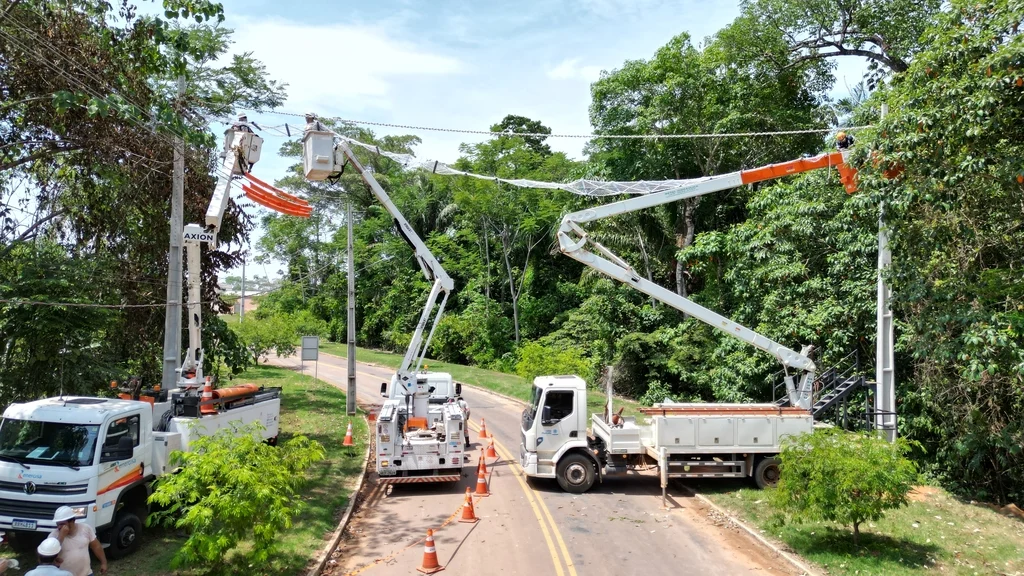
Brazil's canopy bridge being installed over a 2 lane road, allowing for primates to cross safely. Credit: Fernanda Abra, Smithsonian
Another example being Australia's Fauna Crossings, serving the same purpose helping their native animals navigate the city. Implementing a unique design here in San Antonio meant for native wildlife, can lead to similar successes.
I am calling on the San Antonio city council and local wildlife authorities to take immediate action. Installing these wildlife rope bridges will not only protect our animals but help maintain our community's safety and natural beauty.
Please sign this petition to urge our city leaders to recognize this issue and implement a practical solution. Together, we can make San Antonio a safer place for both wildlife and humans.
Sources:
Robert L. B. Tobin Land Bridge Information
Complete Streets Policy (2024)

269
The Issue
Installing Rope Bridge Wildlife Crossings in San Antonio. How they can help:
Imagine this, you wake up and decide its a nice day to go outside. you make your way to a nearby park when suddenly your path is obstructed by a disfigured squirrel, a victim of traffic. How do you feel after encountering this image? In recent months, my region (Northwest of San Antonio) has seen a large number of roadkills. The majority of these being squirrels, opossums, and even cats. Since these animals are typically in danger of traffic near neighboring schools and residential areas, many people and I worry about the effects that this large number of roadkills can have on children or other pedestrians on a daily basis. In response to this issue, I believe the installation of wildlife rope bridges could help the aforementioned animals navigate the city more inclusively. Allowing for less roadkill incidents, which as a result can help improve the emotional wellbeing of pedestrians and drivers.
As someone who has lived in San Antonio my entire life, I understand that this city has built and expanded a lot. San Antonio has worked very hard to build the safety of all its inhabitants. Some good examples include but are not limited to:
Robert L. B. Tobin Land Bridge- This land bridge has helped tons of animals safely cross the busy Wurzbach Parkway.
The Complete Streets Policy (2024)- This policy was made to help implement the plan to create accessible roads “to serve the different modes of travel on San Antonio streets”.
San Antonio has shown that they care about making the city a safe place for everyone. However, they are missing one very important factor. All throughout San Antonio, one can expect to see at least one dead animal a day. Animals from squirrels to dogs can be spotted in highways and residential areas. One individual M. Villanueva shares her thoughts on the problem, “There's definitely been more roadkills than I've seen in previous years. The most recent ones I can think of this past year are a dead skunk, squirrel, and a small deer near my subdivision.” Villanueva is not alone in experiencing road kills within her subdivision. Concerned individual N. Parker shares her thoughts, “I live in an area with a lot of trees so I often see dead animals in the road — I often wonder how the children who attend the school on the same street feel and how it affects them to see that so frequently.” Both Parker and Villanueva are strong examples of the encounters citizens experience each day on the streets of San Antonio.
Animals should be given just as much attention as humans, and in order to help San Antonio truly have “complete streets” we should look for ways to help animals have a safe way to navigate urban regions all across the city. Trails, Land bridges, and other wildlife corridors are great, however they are expensive. These methods also limit San Antonio’s ability to create accessibility for wildlife all throughout. This is why I believe that we could create an alternative affordable solution, wildlife rope bridges.
In Brazil these rope bridges have shown to help primates safely cross busy roads. The Smithsonian Biology Conservation Institute writes about Brazil's design: “In response to these conservation challenges, our team installed seven bridges in late 2024. By March 2025, these bridges had already proven to be a tremendous success”.
Brazil's canopy bridge being installed over a 2 lane road, allowing for primates to cross safely. Credit: Fernanda Abra, Smithsonian
Another example being Australia's Fauna Crossings, serving the same purpose helping their native animals navigate the city. Implementing a unique design here in San Antonio meant for native wildlife, can lead to similar successes.
I am calling on the San Antonio city council and local wildlife authorities to take immediate action. Installing these wildlife rope bridges will not only protect our animals but help maintain our community's safety and natural beauty.
Please sign this petition to urge our city leaders to recognize this issue and implement a practical solution. Together, we can make San Antonio a safer place for both wildlife and humans.
Sources:
Robert L. B. Tobin Land Bridge Information
Complete Streets Policy (2024)
The Decision Makers


Supporter Voices
Petition Updates
Share this petition
Petition created on March 31, 2026