
Inequality and Poverty
Inequality and Poverty
The Issue
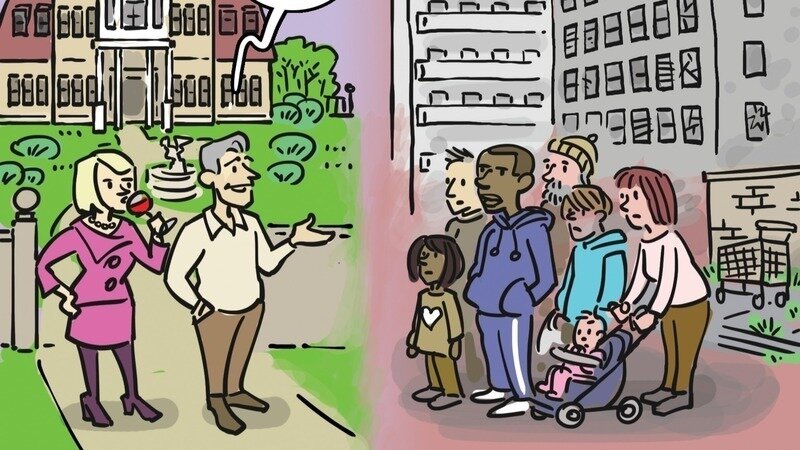
Poverty is a global issue that affects billions of people, transcending borders, cultures, and socioeconomic statuses. It deprives individuals and families of basic human rights, including access to food, clean water, education, and healthcare. In response to this pressing problem, the United Nations established the International Day for the Eradication of Poverty, observed annually on October 17th. This day serves as a rallying point for communities, organizations, and governments worldwide to come together, reflect on progress made, and renew their commitment to eradicating poverty in all its forms.
Understanding the root causes of poverty is essential in developing effective strategies for eradication. While the factors contributing to poverty are complex and multifaceted, they can be broadly categorized into structural, systemic, and individual determinants.
Structural Determinants: These include policies, economic structures, and societal norms that perpetuate inequality. Lack of access to education, healthcare, and job opportunities are all structural barriers that hinder individuals and communities from breaking free from the cycle of poverty.
Systemic Determinants: Systemic factors encompass issues like discrimination, corruption, and political instability. Discrimination based on race, gender, or social class can lead to unequal distribution of resources and opportunities, exacerbating poverty.
Individual Determinants: These factors relate to personal circumstances and choices, but they are often influenced by the larger social and economic environment. Factors such as health, education level, and family structure can significantly impact an individual’s ability to escape poverty.

The Issue
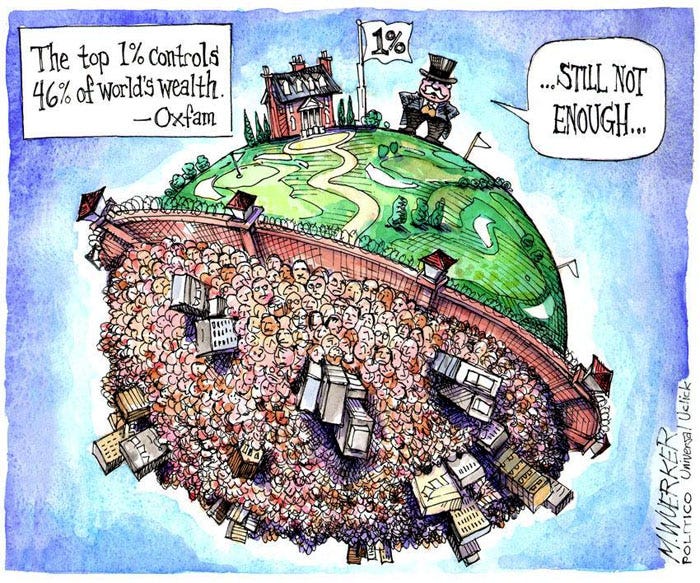
Poverty is a global issue that affects billions of people, transcending borders, cultures, and socioeconomic statuses. It deprives individuals and families of basic human rights, including access to food, clean water, education, and healthcare. In response to this pressing problem, the United Nations established the International Day for the Eradication of Poverty, observed annually on October 17th. This day serves as a rallying point for communities, organizations, and governments worldwide to come together, reflect on progress made, and renew their commitment to eradicating poverty in all its forms.
Understanding the root causes of poverty is essential in developing effective strategies for eradication. While the factors contributing to poverty are complex and multifaceted, they can be broadly categorized into structural, systemic, and individual determinants.
Structural Determinants: These include policies, economic structures, and societal norms that perpetuate inequality. Lack of access to education, healthcare, and job opportunities are all structural barriers that hinder individuals and communities from breaking free from the cycle of poverty.
Systemic Determinants: Systemic factors encompass issues like discrimination, corruption, and political instability. Discrimination based on race, gender, or social class can lead to unequal distribution of resources and opportunities, exacerbating poverty.
Individual Determinants: These factors relate to personal circumstances and choices, but they are often influenced by the larger social and economic environment. Factors such as health, education level, and family structure can significantly impact an individual’s ability to escape poverty.
Petition Closed
Share this petition
Petition Updates
Share this petition
Petition created on December 11, 2023