

In Honour of Murdered and Disappeared Women: A Call To Preserve Evidence In Pickton Case
The Issue
We are deeply concerned about a recent application by the RCMP to dispose of an estimated 14,000 exhibits collected from Project Evenhanded and the Pickton investigation. The exhibits were obtained during the investigations into 50+ women who were murdered and disappeared from the Downtown Eastside. The majority of these missing women are Indigenous and their cases remain unsolved to this date.
Robert Pickton was charged with 26 of those cases, but was ultimately convicted of only 6 women’s murders: Marnie Frey, Serena Abotsway, Georgina Papin, Brenda Ann Wolfe, Andrea Joesbury, Mona Wilson. The remaining 20 charges were stayed by the Attorney General of British Columbia, while the additional 25+ cases have never been solved.
We stand united with the families of the murdered and disappeared women associated with the Pickton investigation who oppose the RCMP’s disposal applications. These families have been profoundly and adversely affected by these applications, which have revived the horror and injustice of their lost loved ones and the justice system failures.
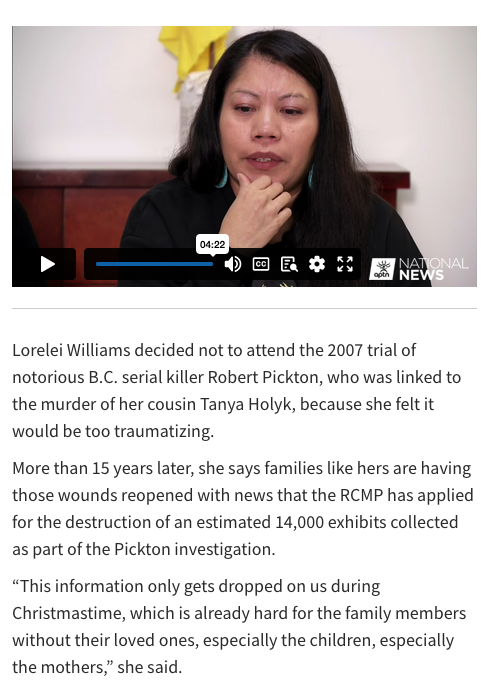
The Pickton case exemplifies longstanding and deeply rooted discrimination against Indigenous and marginalized women by police. The families of the women whose disappearances were connected to Pickton have endured nearly two decades of disappointment and anguish in their search for justice. Meanwhile, years of advocacy, multiple investigations, inquiries, hundreds of recommendations and Calls for Justice continue to be ignored by Canadian authorities while women and girls pay the price.
This latest step by the RCMP symbolizes yet another failure for these families, for our communities and for Canada’s overall commitment to justice, human rights and dignity for stolen sisters, mothers, daughters, aunties and grandmothers.
We call upon the governments of Canada and British Columbia, as well as the RCMP, to immediately withdraw these applications and to prioritize access to justice for the women and their families, as well as accountability of those responsible for the deaths and disappearances of these women.
History of Canada’s repeated failures to prevent and remedy violence against women
The National Inquiry into Missing and Murdered Indigenous Women and Girls determined that ongoing, pervasive and widespread violence against Indigenous women and girls in Canada constitutes a genocide.
Multiple investigations and inquiries documenting violence against women and girls have highlighted systemic failures in police investigations into these cases, revealing a disturbing pattern of negligence and discrimination. In their 2014 investigation into this issue in Canada, the Inter-American Commission on Human Rights (IACHR), noted the disproportionate impact of violence against Indigenous women and girls in Canada, criticizing the lack of effective investigations and prosecution or remedies in response to these cases. They called upon Canada to implement recommendations from the previous inquiries, including the Missing Women Commission of Inquiry (the “Oppal Inquiry”).
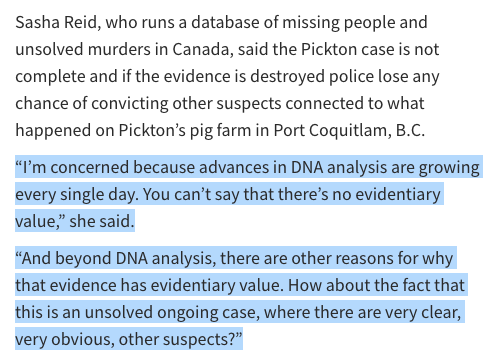
Findings from Canada’s Truth and Reconciliation Commission (TRC) emphasized the historical and ongoing trauma experienced by Indigenous communities in Canada. The TRC’s work highlighted how this trauma contributes to the marginalization of Indigenous women and girls, and how the lack of adequate response from law enforcement agencies is a continuing form of systemic racism and discrimination.
The Oppal Inquiry, which scrutinized police failures in the cases of missing women in BC, including those associated with the Pickton case, revealed significant failures by police to thoroughly investigate cases of missing and murdered women. The inquiry highlighted a disturbing lack of coordination among various police forces and a general failure to recognize the seriousness of these cases, rooted in discriminatory attitudes towards marginalized women.
These findings highlight significant challenges and areas for improvement within law enforcement. Ultimately, these reports and inquiries reveal a troubling depiction of Canada's justice system, particularly its failure to equally value the lives of women and girls, disproportionately Indigenous women, as well as the inadequacies in our law enforcement institutions and their failures to protect them.
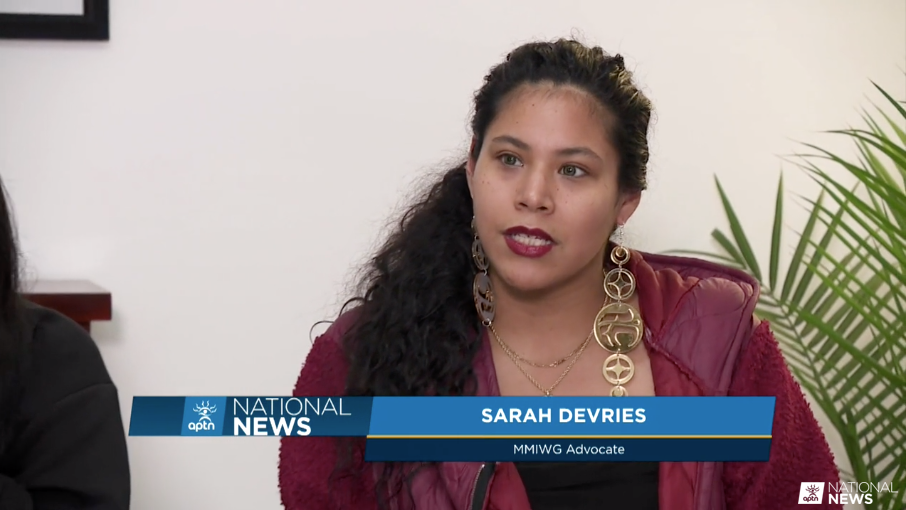
This backdrop is essential for understanding why it's crucial to preserve evidence in the Pickton case. The RCMP's intent to destroy this evidence stands in stark contrast to Canada's commitments to reconciliation and human rights.
Why the Pickton Evidence must be preserved
Canada has ratified the United Nations Declaration on the Rights of Indigenous Peoples, the Convention on the Elimination of Discrimination against Women (CEDAW), the United Nations Declaration on Human Rights and the International Covenant on Civil and Political Rights and various other Conventions and agreements which legally obligate Canada to prevent and respond to violence against women and girls with due diligence, particularly Indigenous women.
Calls for Justice 1.5,1.6, 9.1, and 9.5 of the MMIWG Inquiry reiterate these obligations. They also call for the elimination of jurisdictional gaps, improved services to address Indigenous women's marginalization, and recognition of the historical and current impact of colonialism, racism, bias, and discrimination in the justice system.
Violence against women is a serious human rights violation and states’ failures to exercise due diligence to investigate and remedy this violence undermines the principle of women’s equality before the law. Domestically, sections 7 and 15 of the Charter of Rights and Freedoms guarantee the right to security of the person and equality before the law, the discharge of which requires Canada to prevent violence against women and ensure their equality before the law.
The due diligence obligation is further underscored by the IACHR, which states: “A lack of due diligence that leads to impunity, and engenders further incidents of the very violence that was targeted, is itself a form of discrimination in access to justice.”
Twenty of the charges against Pickton were stayed, and have not yet resulted in any convictions. For the families of those victims, justice has been elusive and they still hold hope that one day they will know what happened to their loved ones. Disposal of the exhibits will quash any remaining hope they have and solidify their perception that their daughters, mothers, sisters and aunties are less important than the space required to keep that evidence.
Moreover, evidence tendered in R v Pickton, including statements by the defence, the Crown and the jury, strongly suggest a shared belief that he did not act alone and others may be implicated in the deaths of the six women Robert Pickton was convicted of killing. To date, no charges have been laid against possible co-conspirators. Adhering to the principles of due diligence and thoroughness in investigations compels police to exhaustively explore all possibilities, including the potential involvement of other suspects, before disposing of this crucial evidence.
At bare minimum, preservation of evidence is necessary to give effect to Canada’s due diligence obligations. The principle of preserving evidence is in line with the United Nations Approach to Rule of Law Assistance Guidance Notes. These guidelines advocate for the protection of evidence as a means to uphold the rights of marginalized populations globally, emphasizing evidence preservation as a foundational element in fostering justice.
The evidence in question is not merely forensic in nature and protecting the integrity of this evidence is not simply a legal formality, it must be considered a basic requirement for Canada’s discharge of its legal obligations. A failure to preserve this evidence will perpetuate a legacy of neglect and discrimination against the women and families affected by violence.
Calls to Action
We strongly urge your intervention in the matter of evidence disposal in the Pickton case and respectfully make following requests:
1. Moratorium on Evidence Destruction: We call for an immediate end to the RCMP’s disposal (including dispersion or destruction) of evidence related to the Pickton case and for adequate resources to be allocated to insure the integrity of this evidence is preserved to ensure thorough investigation into the unsolved cases and prevent impunity for co-conspirators.
2. Legislative Review and Reform: We call for a review and reform of the legislative framework governing evidence disposition, particularly in unsolved cases involving Indigenous and marginalized women and girls. This review should aim to create clear, consistent and transparent national policy that aligns with Canada’s human rights obligations to prevent and remedy violence against women
3. Strengthening Accountability: Reinforce mechanisms of accountability within the RCMP and related judicial bodies to ensure that the handling of evidence always reflects the highest standards of investigation and respects the principles of reconciliation, human rights and equality.
4. Prioritize Resources Towards the Unsolved Missing Women’s Investigations: We call for the RCMP to exercise their due diligence by prioritizing adequate resources towards the investigations of the unsolved missing women’s cases related to Pickton to ensure that they are capable of leading to prosecutions and remedies for victims. This includes ensuring that all legal avenues are explored to bring justice to any additional perpetrators or unexamined aspects of the case.
We strongly encourage immediate action to prevent further distress to the affected families and to maintain the principles of human rights, justice and reconciliation championed by Canada.
Thank you for your prompt and urgent attention to this matter.
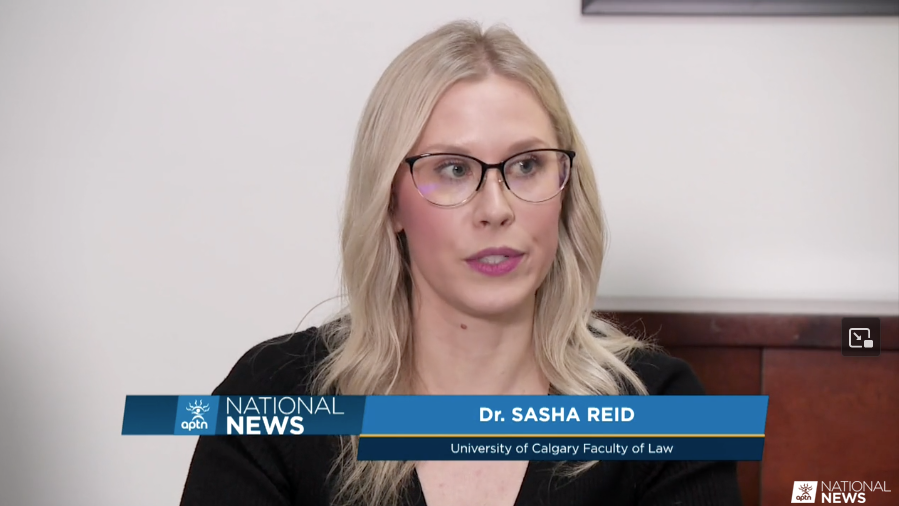
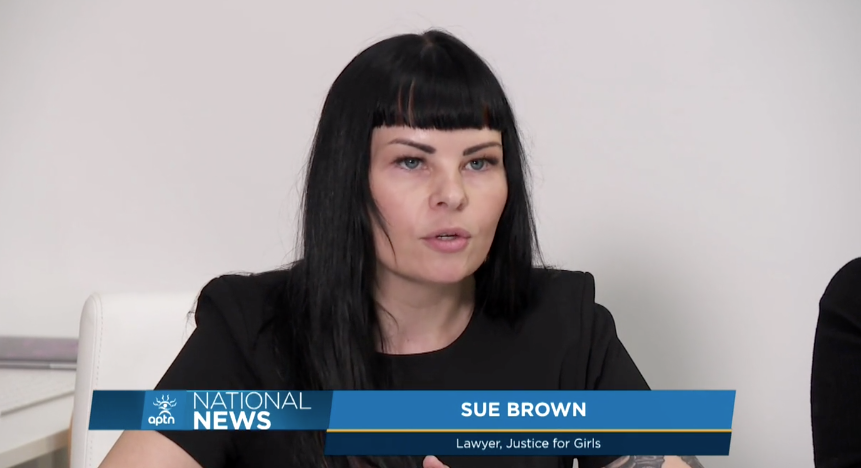
(This text was is from an open letter composed by Dr. Sasha Reid, PhD, MA, JD (Candidate) and Founder of the Missing/Murdered Database (MMD), and Sue Brown, MA, JD, Director of Advocacy & Staff Lawyer at Justice for Girls
The letter is addressed to:
The Honourable Dominic LeBlanc, Minister of Public Safety, Democratic Institutions and Intergovernmental Affairs
Government of Canada
269 Laurier Avenue West
Ottawa ON K1A 0P8
Niki Sharma, Attorney General of British Columbia
Room 232 Parliament Buildings
Government of British Columbia
Victoria BC V8V 1X4
Mike Farnworth, Minister of Public Safety and Solicitor General of
British Columbia
Government of British Columbia
PO Box 9282, Stn Prov Govt,
Victoria BC V8W 9J7
Mike Duheme, Commissioner, Royal Canadian Mounted Police (RCMP)
RCMP National Headquarters
73 Leikin Drive
Ottawa ON K1A 0R2
also cc-ed to:
Inter-American Commission on Human Rights (IACHR)
United Nations Committee on the Elimination of Discrimination Against Women (CEDAW)
This open letter is endorsed by the following individuals, academics and
organizations:
Downtown Eastside Women's Centre
British Columbia Assembly Of First Nations (BCAFN)
First Nations Summit (FNS)
Union Of BC Indian Chiefs (UBCIC)
British Columbia Association Of Aboriginal Friendship Centres
British Columbia First Nations Justice Council
Amnesty International Canada (English Speaking Section)
West Coast Leaf
Wish Drop-In Centre Society
Canadian Feminist Alliance for International Action (FAFIA)
British Columbia Civil Liberties Association (BCCLA)
BC Poverty Reduction Coalition
Canadian Research Institute For The Advancement Of Women/ L'institut Canadien De
Recherches Sur Les Femmes (Criaw-Icref)
National Association Of Women And The Law (NAWL)
Canadian Femicide Observatory For Justice & Accountability
Ontario Native Women's Association (Onwa)
BC Native Women’s Association
Battered Women’s Support Services (BWSS)
Women's Centre For Social Justice (Womenatthecentre)
Iskwewuk E-Wichiwitochik (Women Walking Together)
Carrier Sekani Family Services
Indigenous Women Rise Society
Vancouver Aboriginal Community Policing Centre (VACPC)
Squamish Climate Action Network Society
UBC ischool Global Majority Student Collective
Robson Valley Community Services
Ladders To Kindness Training
Whistler’s Sisters In Spirit Vigil
Women Who Choose To Live
Crest Consulting Group
Support Network For Indigenous Women & Women Of Colour
Alberta Rudolf, President Of The Vancouver Council Of Women
Vancouver Women’s Health Collective (VWHC)
Justice For Girls
Individuals
Elizabeth Sheehy Professor Emerita Of Law, University Of Ottawa
Jenny Kwan, Member Of Parliament For Vancouver East
Cameron Ward
Myrna Cramer, February 14th Women's Memorial March
Lorelei Williams
Kaummajuk Holly Jarrett
Susan Gingell, University Of Saskatchewan
Debbie Scarborough, Independent Contractor
Christina Entrekin Coad - Ivah Consulting
Andrea Yellow Horn, 2l University Of Calgary Faculty Of Law
Sources:
Human Rights Watch, Those Who Take Us Away: Abusive Policing and Failures in Protection of Indigenous Women and Girls in Northern British Columbia, (13 February 2013), online https://www.hrw.org/report/2013/02/13/those-who-take-us-away/abusive-policing-and-failures-protection-indigenous-women
Carol Muree Martin and Harsha Walia, Red Women Rising: Indigenous Women Survivors in Vancouver’s Downtown Eastside, (2019) Vancouver: Downtown Eastside Women’s Centre, University of British Columbia Library
Lheidli T’enneh First Nation et al, The Highway of Tears Symposium: Recommendations Report (2006) online (pdf): https://iportal.usask.ca/record/28131
National Inquiry into Missing and Murdered Indigenous Women and Girls, Reclaiming Power and Place: The Final Report of the National Inquiry into Missing and Murdered Indigenous Women and Girls, vol 1A [Vancouver]: Privy Council Office, 2019
Reclaiming Power and Place: The Final Report of the National Inquiry into Missing and Murdered Indigenous Women and Girls, Calls For Justice, (2019), online (pdf): https://www.mmiwg-ffada.ca/wp-content/uploads/2019/06/Calls_for_Justice.pdf [CFJ].
United Nations Declaration on the Rights of Indigenous Peoples, A Res 61/295, UNGAOR, 61st Sess, Supp No 53, UN Doc A/RES/61/295 (2007), 1 [UNDRIP]
Convention on the Elimination of All Forms of Discrimination Against Women, 18 December 1979, 1249 UNTS 13 (entered into force 3 September 1981), UN Doc A/34/46, at 193 (1980) (ratified by Canada 10 December 1981)
Universal Declaration of Missing Women Commission of Inquiry, Forsaken: The Report of the Missing Women Commission of Inquiry Volume IIA-B, (19 November 2012), online (pdf): https://missingwomen.library.uvic.ca/wp-ontent/uploads/2010/10/Forsaken-Vol-2A-web-RGB.pdf
Truth and Reconciliation Commission of Canada, What We Have Learned Principles of Truth and Reconciliation, (2015), online (pdf): https://ehprnh2mwo3.exactdn.com/wp-content/uploads/2021/01/Principles_English_Web.pdf
Inter-American Commission on Human Rights, Missing and Murdered Indigenous Women in British Columbia, Canada, (21 December 2014), online (pdf): https://www.oas.org/en/iachr/reports/pdfs/Indigenous-Women-BC-Canada-en.pdf
R v Pickton, 2010 2 SCR 198; R v Pickton, 2007 BCSC 1033; R v Pickton, 2007 BCSC 799.
Inter-American Commission on Human Rights, Missing and Murdered Indigenous Women in British Columbia Canada, OEA/SerL/V/II, Doc 30/14, 21 December 2014, online: https://www.oas.org/en/iachr/reports/pdfs/Indigenous-Women-BC-Canada-en.pdf at para 183.
Canadian Charter of Rights and Freedoms, s 15, Part I of the Constitution Act, 1982, being Schedule B to the Canada Act 1982 (UK), 1982, c 11.
Universal Declaration of Human Rights, GA Res 217A (III), UN GAOR, 3d Sess, Supp No 13, at 71, UN Doc A/810 (10 December 1948)
International Covenant on Civil and Political Rights, 16 December 1966, 999 UNTS 171 (entered into force 23 March 1976), (ratified by Canada 19 May 1976)
Violence Against Women: The Due Diligence Standard as a Tool for the Elimination of Violence against Women. Report of the Special Rapporteur on Violence Against Women, its Causes and Consequences, Yakin Ertürk. E/ CN 4/2006/61, 2006, para. 29.; IACHR, para. 181.
United Nations, Secretary General, Guidance Note of the Secretary-General: Transition Justice A Strategic Tool for People, Prevention, and Peace, (11 October 2023), online (pdf): https://www.ohchr.org/sites/default/files/documents/issues/transitionaljustice/sg-guidance-note/2023_07_guidance_note_transitional_justice_en.pdf
Media:
http://www.justiceforgirls.org/

13,971
The Issue
We are deeply concerned about a recent application by the RCMP to dispose of an estimated 14,000 exhibits collected from Project Evenhanded and the Pickton investigation. The exhibits were obtained during the investigations into 50+ women who were murdered and disappeared from the Downtown Eastside. The majority of these missing women are Indigenous and their cases remain unsolved to this date.
Robert Pickton was charged with 26 of those cases, but was ultimately convicted of only 6 women’s murders: Marnie Frey, Serena Abotsway, Georgina Papin, Brenda Ann Wolfe, Andrea Joesbury, Mona Wilson. The remaining 20 charges were stayed by the Attorney General of British Columbia, while the additional 25+ cases have never been solved.
We stand united with the families of the murdered and disappeared women associated with the Pickton investigation who oppose the RCMP’s disposal applications. These families have been profoundly and adversely affected by these applications, which have revived the horror and injustice of their lost loved ones and the justice system failures.
The Pickton case exemplifies longstanding and deeply rooted discrimination against Indigenous and marginalized women by police. The families of the women whose disappearances were connected to Pickton have endured nearly two decades of disappointment and anguish in their search for justice. Meanwhile, years of advocacy, multiple investigations, inquiries, hundreds of recommendations and Calls for Justice continue to be ignored by Canadian authorities while women and girls pay the price.
This latest step by the RCMP symbolizes yet another failure for these families, for our communities and for Canada’s overall commitment to justice, human rights and dignity for stolen sisters, mothers, daughters, aunties and grandmothers.
We call upon the governments of Canada and British Columbia, as well as the RCMP, to immediately withdraw these applications and to prioritize access to justice for the women and their families, as well as accountability of those responsible for the deaths and disappearances of these women.
History of Canada’s repeated failures to prevent and remedy violence against women
The National Inquiry into Missing and Murdered Indigenous Women and Girls determined that ongoing, pervasive and widespread violence against Indigenous women and girls in Canada constitutes a genocide.
Multiple investigations and inquiries documenting violence against women and girls have highlighted systemic failures in police investigations into these cases, revealing a disturbing pattern of negligence and discrimination. In their 2014 investigation into this issue in Canada, the Inter-American Commission on Human Rights (IACHR), noted the disproportionate impact of violence against Indigenous women and girls in Canada, criticizing the lack of effective investigations and prosecution or remedies in response to these cases. They called upon Canada to implement recommendations from the previous inquiries, including the Missing Women Commission of Inquiry (the “Oppal Inquiry”).
Findings from Canada’s Truth and Reconciliation Commission (TRC) emphasized the historical and ongoing trauma experienced by Indigenous communities in Canada. The TRC’s work highlighted how this trauma contributes to the marginalization of Indigenous women and girls, and how the lack of adequate response from law enforcement agencies is a continuing form of systemic racism and discrimination.
The Oppal Inquiry, which scrutinized police failures in the cases of missing women in BC, including those associated with the Pickton case, revealed significant failures by police to thoroughly investigate cases of missing and murdered women. The inquiry highlighted a disturbing lack of coordination among various police forces and a general failure to recognize the seriousness of these cases, rooted in discriminatory attitudes towards marginalized women.
These findings highlight significant challenges and areas for improvement within law enforcement. Ultimately, these reports and inquiries reveal a troubling depiction of Canada's justice system, particularly its failure to equally value the lives of women and girls, disproportionately Indigenous women, as well as the inadequacies in our law enforcement institutions and their failures to protect them.
This backdrop is essential for understanding why it's crucial to preserve evidence in the Pickton case. The RCMP's intent to destroy this evidence stands in stark contrast to Canada's commitments to reconciliation and human rights.
Why the Pickton Evidence must be preserved
Canada has ratified the United Nations Declaration on the Rights of Indigenous Peoples, the Convention on the Elimination of Discrimination against Women (CEDAW), the United Nations Declaration on Human Rights and the International Covenant on Civil and Political Rights and various other Conventions and agreements which legally obligate Canada to prevent and respond to violence against women and girls with due diligence, particularly Indigenous women.
Calls for Justice 1.5,1.6, 9.1, and 9.5 of the MMIWG Inquiry reiterate these obligations. They also call for the elimination of jurisdictional gaps, improved services to address Indigenous women's marginalization, and recognition of the historical and current impact of colonialism, racism, bias, and discrimination in the justice system.
Violence against women is a serious human rights violation and states’ failures to exercise due diligence to investigate and remedy this violence undermines the principle of women’s equality before the law. Domestically, sections 7 and 15 of the Charter of Rights and Freedoms guarantee the right to security of the person and equality before the law, the discharge of which requires Canada to prevent violence against women and ensure their equality before the law.
The due diligence obligation is further underscored by the IACHR, which states: “A lack of due diligence that leads to impunity, and engenders further incidents of the very violence that was targeted, is itself a form of discrimination in access to justice.”
Twenty of the charges against Pickton were stayed, and have not yet resulted in any convictions. For the families of those victims, justice has been elusive and they still hold hope that one day they will know what happened to their loved ones. Disposal of the exhibits will quash any remaining hope they have and solidify their perception that their daughters, mothers, sisters and aunties are less important than the space required to keep that evidence.
Moreover, evidence tendered in R v Pickton, including statements by the defence, the Crown and the jury, strongly suggest a shared belief that he did not act alone and others may be implicated in the deaths of the six women Robert Pickton was convicted of killing. To date, no charges have been laid against possible co-conspirators. Adhering to the principles of due diligence and thoroughness in investigations compels police to exhaustively explore all possibilities, including the potential involvement of other suspects, before disposing of this crucial evidence.
At bare minimum, preservation of evidence is necessary to give effect to Canada’s due diligence obligations. The principle of preserving evidence is in line with the United Nations Approach to Rule of Law Assistance Guidance Notes. These guidelines advocate for the protection of evidence as a means to uphold the rights of marginalized populations globally, emphasizing evidence preservation as a foundational element in fostering justice.
The evidence in question is not merely forensic in nature and protecting the integrity of this evidence is not simply a legal formality, it must be considered a basic requirement for Canada’s discharge of its legal obligations. A failure to preserve this evidence will perpetuate a legacy of neglect and discrimination against the women and families affected by violence.
Calls to Action
We strongly urge your intervention in the matter of evidence disposal in the Pickton case and respectfully make following requests:
1. Moratorium on Evidence Destruction: We call for an immediate end to the RCMP’s disposal (including dispersion or destruction) of evidence related to the Pickton case and for adequate resources to be allocated to insure the integrity of this evidence is preserved to ensure thorough investigation into the unsolved cases and prevent impunity for co-conspirators.
2. Legislative Review and Reform: We call for a review and reform of the legislative framework governing evidence disposition, particularly in unsolved cases involving Indigenous and marginalized women and girls. This review should aim to create clear, consistent and transparent national policy that aligns with Canada’s human rights obligations to prevent and remedy violence against women
3. Strengthening Accountability: Reinforce mechanisms of accountability within the RCMP and related judicial bodies to ensure that the handling of evidence always reflects the highest standards of investigation and respects the principles of reconciliation, human rights and equality.
4. Prioritize Resources Towards the Unsolved Missing Women’s Investigations: We call for the RCMP to exercise their due diligence by prioritizing adequate resources towards the investigations of the unsolved missing women’s cases related to Pickton to ensure that they are capable of leading to prosecutions and remedies for victims. This includes ensuring that all legal avenues are explored to bring justice to any additional perpetrators or unexamined aspects of the case.
We strongly encourage immediate action to prevent further distress to the affected families and to maintain the principles of human rights, justice and reconciliation championed by Canada.
Thank you for your prompt and urgent attention to this matter.
(This text was is from an open letter composed by Dr. Sasha Reid, PhD, MA, JD (Candidate) and Founder of the Missing/Murdered Database (MMD), and Sue Brown, MA, JD, Director of Advocacy & Staff Lawyer at Justice for Girls
The letter is addressed to:
The Honourable Dominic LeBlanc, Minister of Public Safety, Democratic Institutions and Intergovernmental Affairs
Government of Canada
269 Laurier Avenue West
Ottawa ON K1A 0P8
Niki Sharma, Attorney General of British Columbia
Room 232 Parliament Buildings
Government of British Columbia
Victoria BC V8V 1X4
Mike Farnworth, Minister of Public Safety and Solicitor General of
British Columbia
Government of British Columbia
PO Box 9282, Stn Prov Govt,
Victoria BC V8W 9J7
Mike Duheme, Commissioner, Royal Canadian Mounted Police (RCMP)
RCMP National Headquarters
73 Leikin Drive
Ottawa ON K1A 0R2
also cc-ed to:
Inter-American Commission on Human Rights (IACHR)
United Nations Committee on the Elimination of Discrimination Against Women (CEDAW)
This open letter is endorsed by the following individuals, academics and
organizations:
Downtown Eastside Women's Centre
British Columbia Assembly Of First Nations (BCAFN)
First Nations Summit (FNS)
Union Of BC Indian Chiefs (UBCIC)
British Columbia Association Of Aboriginal Friendship Centres
British Columbia First Nations Justice Council
Amnesty International Canada (English Speaking Section)
West Coast Leaf
Wish Drop-In Centre Society
Canadian Feminist Alliance for International Action (FAFIA)
British Columbia Civil Liberties Association (BCCLA)
BC Poverty Reduction Coalition
Canadian Research Institute For The Advancement Of Women/ L'institut Canadien De
Recherches Sur Les Femmes (Criaw-Icref)
National Association Of Women And The Law (NAWL)
Canadian Femicide Observatory For Justice & Accountability
Ontario Native Women's Association (Onwa)
BC Native Women’s Association
Battered Women’s Support Services (BWSS)
Women's Centre For Social Justice (Womenatthecentre)
Iskwewuk E-Wichiwitochik (Women Walking Together)
Carrier Sekani Family Services
Indigenous Women Rise Society
Vancouver Aboriginal Community Policing Centre (VACPC)
Squamish Climate Action Network Society
UBC ischool Global Majority Student Collective
Robson Valley Community Services
Ladders To Kindness Training
Whistler’s Sisters In Spirit Vigil
Women Who Choose To Live
Crest Consulting Group
Support Network For Indigenous Women & Women Of Colour
Alberta Rudolf, President Of The Vancouver Council Of Women
Vancouver Women’s Health Collective (VWHC)
Justice For Girls
Individuals
Elizabeth Sheehy Professor Emerita Of Law, University Of Ottawa
Jenny Kwan, Member Of Parliament For Vancouver East
Cameron Ward
Myrna Cramer, February 14th Women's Memorial March
Lorelei Williams
Kaummajuk Holly Jarrett
Susan Gingell, University Of Saskatchewan
Debbie Scarborough, Independent Contractor
Christina Entrekin Coad - Ivah Consulting
Andrea Yellow Horn, 2l University Of Calgary Faculty Of Law
Sources:
Human Rights Watch, Those Who Take Us Away: Abusive Policing and Failures in Protection of Indigenous Women and Girls in Northern British Columbia, (13 February 2013), online https://www.hrw.org/report/2013/02/13/those-who-take-us-away/abusive-policing-and-failures-protection-indigenous-women
Carol Muree Martin and Harsha Walia, Red Women Rising: Indigenous Women Survivors in Vancouver’s Downtown Eastside, (2019) Vancouver: Downtown Eastside Women’s Centre, University of British Columbia Library
Lheidli T’enneh First Nation et al, The Highway of Tears Symposium: Recommendations Report (2006) online (pdf): https://iportal.usask.ca/record/28131
National Inquiry into Missing and Murdered Indigenous Women and Girls, Reclaiming Power and Place: The Final Report of the National Inquiry into Missing and Murdered Indigenous Women and Girls, vol 1A [Vancouver]: Privy Council Office, 2019
Reclaiming Power and Place: The Final Report of the National Inquiry into Missing and Murdered Indigenous Women and Girls, Calls For Justice, (2019), online (pdf): https://www.mmiwg-ffada.ca/wp-content/uploads/2019/06/Calls_for_Justice.pdf [CFJ].
United Nations Declaration on the Rights of Indigenous Peoples, A Res 61/295, UNGAOR, 61st Sess, Supp No 53, UN Doc A/RES/61/295 (2007), 1 [UNDRIP]
Convention on the Elimination of All Forms of Discrimination Against Women, 18 December 1979, 1249 UNTS 13 (entered into force 3 September 1981), UN Doc A/34/46, at 193 (1980) (ratified by Canada 10 December 1981)
Universal Declaration of Missing Women Commission of Inquiry, Forsaken: The Report of the Missing Women Commission of Inquiry Volume IIA-B, (19 November 2012), online (pdf): https://missingwomen.library.uvic.ca/wp-ontent/uploads/2010/10/Forsaken-Vol-2A-web-RGB.pdf
Truth and Reconciliation Commission of Canada, What We Have Learned Principles of Truth and Reconciliation, (2015), online (pdf): https://ehprnh2mwo3.exactdn.com/wp-content/uploads/2021/01/Principles_English_Web.pdf
Inter-American Commission on Human Rights, Missing and Murdered Indigenous Women in British Columbia, Canada, (21 December 2014), online (pdf): https://www.oas.org/en/iachr/reports/pdfs/Indigenous-Women-BC-Canada-en.pdf
R v Pickton, 2010 2 SCR 198; R v Pickton, 2007 BCSC 1033; R v Pickton, 2007 BCSC 799.
Inter-American Commission on Human Rights, Missing and Murdered Indigenous Women in British Columbia Canada, OEA/SerL/V/II, Doc 30/14, 21 December 2014, online: https://www.oas.org/en/iachr/reports/pdfs/Indigenous-Women-BC-Canada-en.pdf at para 183.
Canadian Charter of Rights and Freedoms, s 15, Part I of the Constitution Act, 1982, being Schedule B to the Canada Act 1982 (UK), 1982, c 11.
Universal Declaration of Human Rights, GA Res 217A (III), UN GAOR, 3d Sess, Supp No 13, at 71, UN Doc A/810 (10 December 1948)
International Covenant on Civil and Political Rights, 16 December 1966, 999 UNTS 171 (entered into force 23 March 1976), (ratified by Canada 19 May 1976)
Violence Against Women: The Due Diligence Standard as a Tool for the Elimination of Violence against Women. Report of the Special Rapporteur on Violence Against Women, its Causes and Consequences, Yakin Ertürk. E/ CN 4/2006/61, 2006, para. 29.; IACHR, para. 181.
United Nations, Secretary General, Guidance Note of the Secretary-General: Transition Justice A Strategic Tool for People, Prevention, and Peace, (11 October 2023), online (pdf): https://www.ohchr.org/sites/default/files/documents/issues/transitionaljustice/sg-guidance-note/2023_07_guidance_note_transitional_justice_en.pdf
Media:
http://www.justiceforgirls.org/
The Decision Makers

Supporter Voices
Petition Updates
Share this petition
Petition created on December 13, 2023