

Hybrid vs Petrol Cars: Pros, Cons, and Comparison
Le problème
Are you in the market for a new car and trying to decide between a hybrid and a petrol car? The decision can be difficult, as both options have their advantages and disadvantages. In this article, we will compare the two types of vehicles in terms of performance, fuel efficiency, cost, and environmental impact.
Performance
When it comes to performance, petrol cars tend to have a higher horsepower and torque compared to hybrids. Petrol engines are also capable of faster acceleration and higher top speeds, making them a better option for those who prioritize speed and power.
On the other hand, hybrid cars are designed for efficiency, not necessarily speed. Hybrids typically have smaller engines and rely on electric motors to assist with acceleration, resulting in a smoother and quieter ride. Hybrids are also equipped with regenerative braking systems that convert kinetic energy into electrical energy, which is then used to charge the battery and improve fuel efficiency.
Fuel Efficiency
One of the main benefits of hybrid cars is their fuel efficiency. Hybrids use a combination of petrol engines and electric motors, resulting in a significant improvement in fuel economy compared to traditional petrol cars. According to the Environmental Protection Agency (EPA), the average hybrid car gets around 48 miles per gallon (mpg), while the average petrol car gets around 25 mpg.
To determine which option would be more fuel or gas efficient for you, consider using a gas mileage calculator. This tool takes into account your driving habits, fuel prices, and vehicle information to estimate your gasoline costs and potential savings with a hybrid or petrol car.
Cost
Hybrid cars tend to be more expensive upfront than petrol cars, with a higher sticker price due to the cost of the battery and electric motor. However, this cost can be offset by savings in gas and fuels costs over time. In addition, some hybrid models may qualify for tax incentives and rebates, further reducing the overall cost.
Petrol cars, on the other hand, tend to be more affordable upfront, but may cost more in the long run due to their lower fuel efficiency. The cost of gas and petrol can add up quickly, especially if you have a long commute or frequently drive long distances.
Environmental Impact
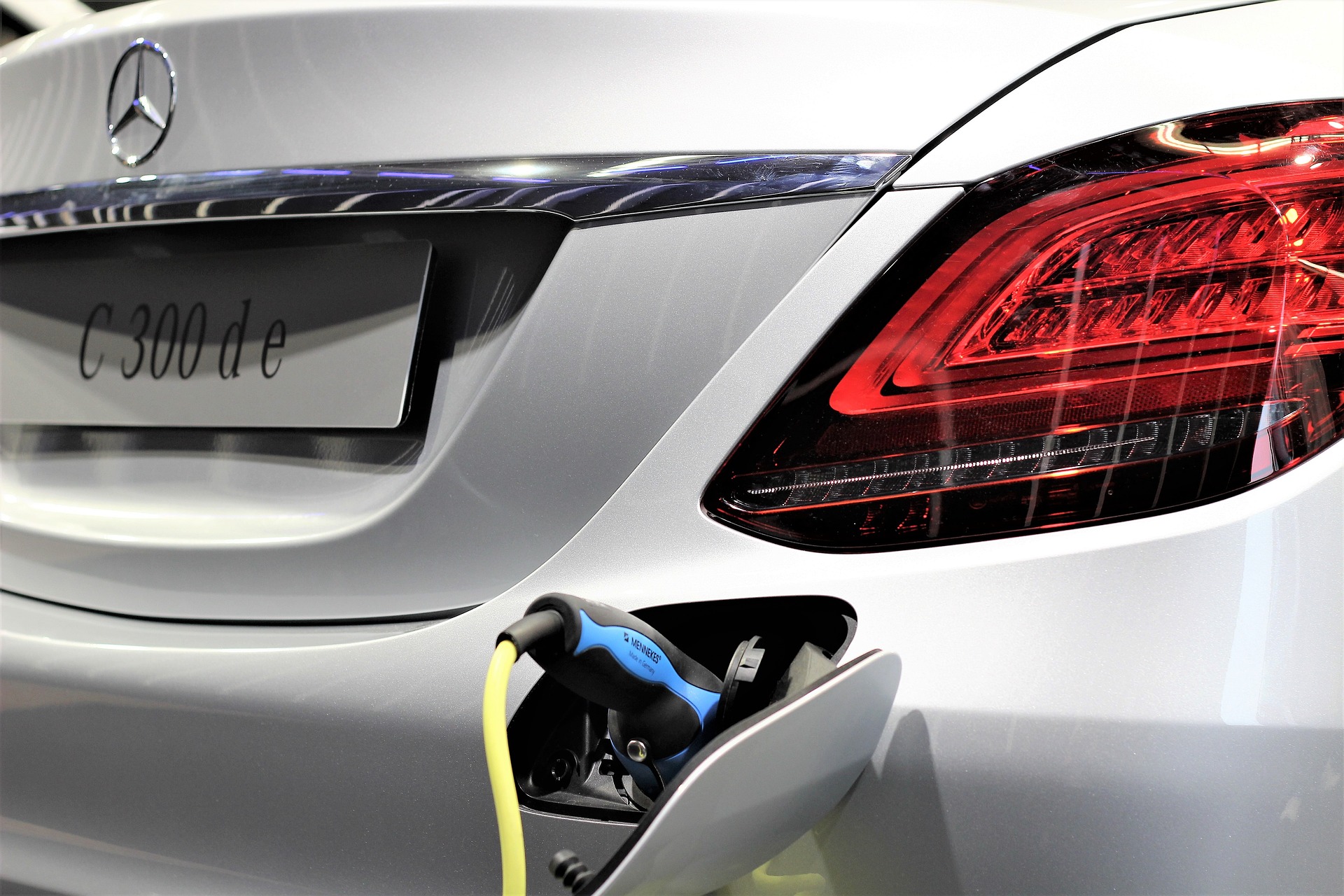
When it comes to the environment, hybrids have a clear advantage over petrol cars. Hybrids produce fewer emissions than petrol cars, thanks to their electric motors and regenerative braking systems. In addition, some hybrid models are equipped with start-stop systems that turn off the engine when the car is idle, further reducing emissions and fuel consumption.
Petrol cars, on the other hand, are known for their high emissions of greenhouse gases and other pollutants, contributing to air pollution and climate change.
Conclusion
When deciding between a hybrid and petrol car, it ultimately comes down to your individual needs and priorities. If you prioritize speed and power, a petrol car may be the better option for you. However, if you are looking for a fuel-efficient and environmentally friendly option, a hybrid car may be the way to go. Consider your budget, driving habits, and environmental impact when making your decision.
Our Website: https://www.change.org/

Victoire
Le problème
Are you in the market for a new car and trying to decide between a hybrid and a petrol car? The decision can be difficult, as both options have their advantages and disadvantages. In this article, we will compare the two types of vehicles in terms of performance, fuel efficiency, cost, and environmental impact.
Performance
When it comes to performance, petrol cars tend to have a higher horsepower and torque compared to hybrids. Petrol engines are also capable of faster acceleration and higher top speeds, making them a better option for those who prioritize speed and power.
On the other hand, hybrid cars are designed for efficiency, not necessarily speed. Hybrids typically have smaller engines and rely on electric motors to assist with acceleration, resulting in a smoother and quieter ride. Hybrids are also equipped with regenerative braking systems that convert kinetic energy into electrical energy, which is then used to charge the battery and improve fuel efficiency.
Fuel Efficiency
One of the main benefits of hybrid cars is their fuel efficiency. Hybrids use a combination of petrol engines and electric motors, resulting in a significant improvement in fuel economy compared to traditional petrol cars. According to the Environmental Protection Agency (EPA), the average hybrid car gets around 48 miles per gallon (mpg), while the average petrol car gets around 25 mpg.
To determine which option would be more fuel or gas efficient for you, consider using a gas mileage calculator. This tool takes into account your driving habits, fuel prices, and vehicle information to estimate your gasoline costs and potential savings with a hybrid or petrol car.
Cost
Hybrid cars tend to be more expensive upfront than petrol cars, with a higher sticker price due to the cost of the battery and electric motor. However, this cost can be offset by savings in gas and fuels costs over time. In addition, some hybrid models may qualify for tax incentives and rebates, further reducing the overall cost.
Petrol cars, on the other hand, tend to be more affordable upfront, but may cost more in the long run due to their lower fuel efficiency. The cost of gas and petrol can add up quickly, especially if you have a long commute or frequently drive long distances.
Environmental Impact
When it comes to the environment, hybrids have a clear advantage over petrol cars. Hybrids produce fewer emissions than petrol cars, thanks to their electric motors and regenerative braking systems. In addition, some hybrid models are equipped with start-stop systems that turn off the engine when the car is idle, further reducing emissions and fuel consumption.
Petrol cars, on the other hand, are known for their high emissions of greenhouse gases and other pollutants, contributing to air pollution and climate change.
Conclusion
When deciding between a hybrid and petrol car, it ultimately comes down to your individual needs and priorities. If you prioritize speed and power, a petrol car may be the better option for you. However, if you are looking for a fuel-efficient and environmentally friendly option, a hybrid car may be the way to go. Consider your budget, driving habits, and environmental impact when making your decision.
Our Website: https://www.change.org/
Message aux signataires
Partager la pétition
Pétition lancée le 27 avril 2023