

Hurricanes, Typhoons or Cyclones prevailing, a critical call to preserve and save nature!
The Issue
Natural Disasters
Hurricanes, typhoons, and cyclones present considerable risks worldwide to both lives and property, including storm surges, flooding, extreme winds, and tornadoes.
Hurricanes, cyclones, and typhoons are different names for the same weather event. The World Meteorological Organization (WMO) explains the terminology as follows:
• “In the Caribbean Sea, Gulf of Mexico, North Atlantic Ocean, and the eastern and central North Pacific Ocean, it is referred to as ‘hurricane.’
• In the western North Pacific, the term used is typhoon. • In the Arabian Sea and Bay of Bengal, it is known as cyclone. • In the western South Pacific and southeast Indian Ocean, it is termed severe tropical cyclone.
• In the southwest Indian Ocean, it is called tropical cyclone.”
(Center for Disaster Philanthropy, 2024)
International News
Hurricane Milton leaves path of destruction across Florida, at least 24 dead.
• Hurricane Milton made landfall near Siesta Key, Florida, on Wednesday night, Oct. 9, as a Category 3 storm.
• At least 24 people died from the storm, officials confirmed to CBS News.
• Milton moved across the Florida peninsula and out over the Atlantic Ocean.
Local News
Typhoon Usagi pounds the Philippines, fifth major storm in a month, with a sixth due Sunday.
- •Typhoon Usagi impacts rural areas with floods, toppled power lines, and displaced thousands before it moved on from the northern Philippines on Friday. This region has recently faced five significant storms within less than a month.
- Usagi made landfall in the northeastern part of the Philippines on Thursday, just two days after the previous typhoon, Toraji, departed, which had triggered floods and forced over 82,500 individuals to evacuate their homes in the northern provinces.
(PBS News, 2024)
Faulty warnings, deforestation turned Philippine rains 'deadly': study
- In Cagayan province, located at the northernmost part of the main Luzon region, a significant concrete bridge linking two towns partially collapsed on Thursday after logs carried by strong river currents crashed into it. A study suggests that inadequate warnings and deforestation have made the rains in the Philippines increasingly dangerous.
- In January and February, more than 100 lives were lost on Mindanao, the Philippines' second-largest island, due to landslides and floods triggered by heavy rainfall from the northeast monsoon and a low-pressure trough.
- Researchers discovered that the above-average poverty levels in the mountainous area made residents more susceptible to the effects of increased rainfall, while heightened deforestation had elevated the danger of landslides.
(Agence France-Presse, 2024)
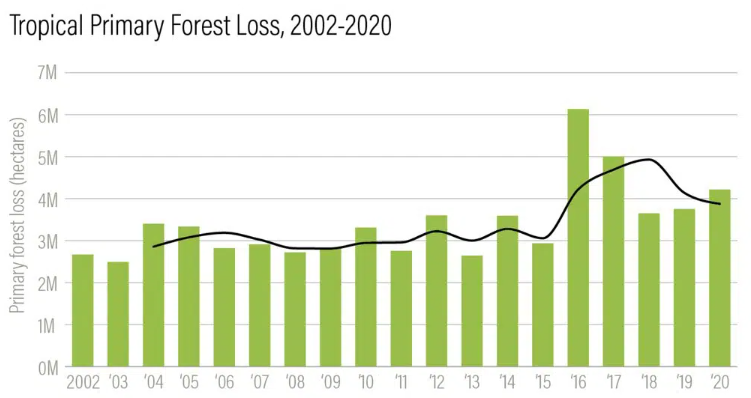
Deforestation effects to Humans and the Environment
Forests play a crucial role in sustaining life on Earth, making up roughly 31% of the land area. Unfortunately, over 75% of the Earth's surface has been altered and degraded as a result of human activities, particularly deforestation. This destruction affects weather patterns, eliminates habitats, and has adverse effects on rural communities, contributing to food insecurity and inflicting permanent damage on entire ecosystems (Igini, 2024).
Nature Withstanding to Natural Calamities caused by Hurricanes or Typhoons:
1. Mangroves
A vital part of our planet's health, offering a range of benefits to both human and natural communities. Planting mangroves helps to restore and protect our coastlines, acting as a frontline defence mechanism against the impacts of climate change and extreme weather events. With their dense root systems, mangroves bind and build soils, reducing coastal erosion and protecting nearby populated areas from flooding and storm surges (Nussman, 2024).
2. Typhoon-resilient trees
Typhoon-resilient trees are specifically adapted to survive the strong weather conditions characteristic of typhoons. The Forest Foundation Philippines notes that these trees possess a unique root system composed of primary, secondary, and tertiary roots, which offers remarkable stability. This extensive root network securely anchors the trees, enabling them to stand strong against strong winds and heavy rainfall (Pilipinas, D. S. 2024).
Urgent Need for Action to Preserve Nature’s Trees and Mangroves
Importance of Forests and Mangroves for Climate Mitigation - Forests and mangroves serve as vital carbon sinks, absorbing significant amounts of carbon dioxide and playing a key role in the fight against climate change. Protecting these ecosystems is essential for global initiatives aimed at reducing carbon emissions and stabilizing the climate.
Biodiversity Conservation - Both forests and mangroves host a diverse range of plant, animal, and marine species. Safeguarding these habitats is crucial for preserving biodiversity and maintaining ecological balance, thereby helping to prevent the extinction of at-risk species.
Natural Disaster Protection - Mangroves shield coastal zones from storm surges and erosion, while forests help mitigate soil erosion, landslides, and flooding. Maintaining these ecosystems boosts resilience against natural disasters, safeguarding both human populations and wildlife.
Strategies for Preservation and Restoration
Governments need to strengthen and enforce legislation that protects forests and mangroves from illegal logging, development, and deforestation. This should include imposing strict penalties for unlawful activities along with incentives for sustainable practices.
Supporting large-scale reforestation initiatives and mangrove restoration projects can aid in revitalizing degraded ecosystems. Community-led tree-planting efforts and collaborations with NGOs can help speed up restoration activities.
Furthermore, raising awareness and fostering global cooperation through campaigns can educate communities on the significance of trees and mangroves. International collaboration and funding for preservation and restoration are crucial in addressing the worldwide nature of this environmental issue.
There's a must to preserve and protect our nature's trees and mangroves!
Natural disasters such as Hurricanes, Typhoons, or Floods badly affect us and the environment.
Prevention of illegal logging is needed.
Excessive cutting of trees to form buildings should not be allowed especially if the area of the trees belongs to highlands, because those trees serve as protection from the floods going down in the lowlands.
Raising awareness and Global Cooperation is beneficial such as Community-driven tree-planting and partnerships.
#PreserveTreesandMangroves! #NatureAsDefenseMechanism #TreePlanting #GlobalCooperation
References:
Hurricanes, Typhoons and Cyclones - Center for Disaster Philanthropy. (2024). Center for Disaster Philanthropy. https://disasterphilanthropy.org/resources/hurricanes-typhoons-and-cyclones/
Agence France-Presse. (2024). Faulty warnings, deforestation turned Philippine rains “deadly”: study. ABS-CBN News. https://news.abs-cbn.com/news/2024/3/1/
Typhoon Usagi pounds the Philippines, fifth major storm in a month, with a sixth due Sunday. (2024). PBS News. https://www.pbs.org/newshour/world/typhoon-usagi-pounds-the-philippines-fifth-major-storm-in-a-month-with-a-sixth-due-sunday
Igini, M. (2024). How does deforestation affect the environment? Earth.Org. https://earth.org/how-does-deforestation-affect-the-environment/
Nussman, A. (2024). Mangrove planting: a natural coastal defense. ShunCy. https://shuncy.com/article/how-does-planting-mangroves-help-the-coast
Pilipinas, D. S. (2024). Weathering the Storm: The Essential Role of Typhoon-Resistant Trees | Dito sa Pilipinas. https://www.ditosapilipinas.com/national/news/article/09/09/2024/

78
The Issue
Natural Disasters
Hurricanes, typhoons, and cyclones present considerable risks worldwide to both lives and property, including storm surges, flooding, extreme winds, and tornadoes.
Hurricanes, cyclones, and typhoons are different names for the same weather event. The World Meteorological Organization (WMO) explains the terminology as follows:
• “In the Caribbean Sea, Gulf of Mexico, North Atlantic Ocean, and the eastern and central North Pacific Ocean, it is referred to as ‘hurricane.’
• In the western North Pacific, the term used is typhoon. • In the Arabian Sea and Bay of Bengal, it is known as cyclone. • In the western South Pacific and southeast Indian Ocean, it is termed severe tropical cyclone.
• In the southwest Indian Ocean, it is called tropical cyclone.”
(Center for Disaster Philanthropy, 2024)
International News
Hurricane Milton leaves path of destruction across Florida, at least 24 dead.
• Hurricane Milton made landfall near Siesta Key, Florida, on Wednesday night, Oct. 9, as a Category 3 storm.
• At least 24 people died from the storm, officials confirmed to CBS News.
• Milton moved across the Florida peninsula and out over the Atlantic Ocean.
Local News
Typhoon Usagi pounds the Philippines, fifth major storm in a month, with a sixth due Sunday.
- •Typhoon Usagi impacts rural areas with floods, toppled power lines, and displaced thousands before it moved on from the northern Philippines on Friday. This region has recently faced five significant storms within less than a month.
- Usagi made landfall in the northeastern part of the Philippines on Thursday, just two days after the previous typhoon, Toraji, departed, which had triggered floods and forced over 82,500 individuals to evacuate their homes in the northern provinces.
(PBS News, 2024)
Faulty warnings, deforestation turned Philippine rains 'deadly': study
- In Cagayan province, located at the northernmost part of the main Luzon region, a significant concrete bridge linking two towns partially collapsed on Thursday after logs carried by strong river currents crashed into it. A study suggests that inadequate warnings and deforestation have made the rains in the Philippines increasingly dangerous.
- In January and February, more than 100 lives were lost on Mindanao, the Philippines' second-largest island, due to landslides and floods triggered by heavy rainfall from the northeast monsoon and a low-pressure trough.
- Researchers discovered that the above-average poverty levels in the mountainous area made residents more susceptible to the effects of increased rainfall, while heightened deforestation had elevated the danger of landslides.
(Agence France-Presse, 2024)
Deforestation effects to Humans and the Environment
Forests play a crucial role in sustaining life on Earth, making up roughly 31% of the land area. Unfortunately, over 75% of the Earth's surface has been altered and degraded as a result of human activities, particularly deforestation. This destruction affects weather patterns, eliminates habitats, and has adverse effects on rural communities, contributing to food insecurity and inflicting permanent damage on entire ecosystems (Igini, 2024).
Nature Withstanding to Natural Calamities caused by Hurricanes or Typhoons:
1. Mangroves
A vital part of our planet's health, offering a range of benefits to both human and natural communities. Planting mangroves helps to restore and protect our coastlines, acting as a frontline defence mechanism against the impacts of climate change and extreme weather events. With their dense root systems, mangroves bind and build soils, reducing coastal erosion and protecting nearby populated areas from flooding and storm surges (Nussman, 2024).
2. Typhoon-resilient trees
Typhoon-resilient trees are specifically adapted to survive the strong weather conditions characteristic of typhoons. The Forest Foundation Philippines notes that these trees possess a unique root system composed of primary, secondary, and tertiary roots, which offers remarkable stability. This extensive root network securely anchors the trees, enabling them to stand strong against strong winds and heavy rainfall (Pilipinas, D. S. 2024).
Urgent Need for Action to Preserve Nature’s Trees and Mangroves
Importance of Forests and Mangroves for Climate Mitigation - Forests and mangroves serve as vital carbon sinks, absorbing significant amounts of carbon dioxide and playing a key role in the fight against climate change. Protecting these ecosystems is essential for global initiatives aimed at reducing carbon emissions and stabilizing the climate.
Biodiversity Conservation - Both forests and mangroves host a diverse range of plant, animal, and marine species. Safeguarding these habitats is crucial for preserving biodiversity and maintaining ecological balance, thereby helping to prevent the extinction of at-risk species.
Natural Disaster Protection - Mangroves shield coastal zones from storm surges and erosion, while forests help mitigate soil erosion, landslides, and flooding. Maintaining these ecosystems boosts resilience against natural disasters, safeguarding both human populations and wildlife.
Strategies for Preservation and Restoration
Governments need to strengthen and enforce legislation that protects forests and mangroves from illegal logging, development, and deforestation. This should include imposing strict penalties for unlawful activities along with incentives for sustainable practices.
Supporting large-scale reforestation initiatives and mangrove restoration projects can aid in revitalizing degraded ecosystems. Community-led tree-planting efforts and collaborations with NGOs can help speed up restoration activities.
Furthermore, raising awareness and fostering global cooperation through campaigns can educate communities on the significance of trees and mangroves. International collaboration and funding for preservation and restoration are crucial in addressing the worldwide nature of this environmental issue.
There's a must to preserve and protect our nature's trees and mangroves!
Natural disasters such as Hurricanes, Typhoons, or Floods badly affect us and the environment.
Prevention of illegal logging is needed.
Excessive cutting of trees to form buildings should not be allowed especially if the area of the trees belongs to highlands, because those trees serve as protection from the floods going down in the lowlands.
Raising awareness and Global Cooperation is beneficial such as Community-driven tree-planting and partnerships.
#PreserveTreesandMangroves! #NatureAsDefenseMechanism #TreePlanting #GlobalCooperation
References:
Hurricanes, Typhoons and Cyclones - Center for Disaster Philanthropy. (2024). Center for Disaster Philanthropy. https://disasterphilanthropy.org/resources/hurricanes-typhoons-and-cyclones/
Agence France-Presse. (2024). Faulty warnings, deforestation turned Philippine rains “deadly”: study. ABS-CBN News. https://news.abs-cbn.com/news/2024/3/1/
Typhoon Usagi pounds the Philippines, fifth major storm in a month, with a sixth due Sunday. (2024). PBS News. https://www.pbs.org/newshour/world/typhoon-usagi-pounds-the-philippines-fifth-major-storm-in-a-month-with-a-sixth-due-sunday
Igini, M. (2024). How does deforestation affect the environment? Earth.Org. https://earth.org/how-does-deforestation-affect-the-environment/
Nussman, A. (2024). Mangrove planting: a natural coastal defense. ShunCy. https://shuncy.com/article/how-does-planting-mangroves-help-the-coast
Pilipinas, D. S. (2024). Weathering the Storm: The Essential Role of Typhoon-Resistant Trees | Dito sa Pilipinas. https://www.ditosapilipinas.com/national/news/article/09/09/2024/
Petition Updates
Share this petition
Petition created on November 17, 2024