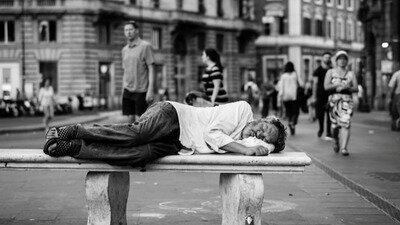
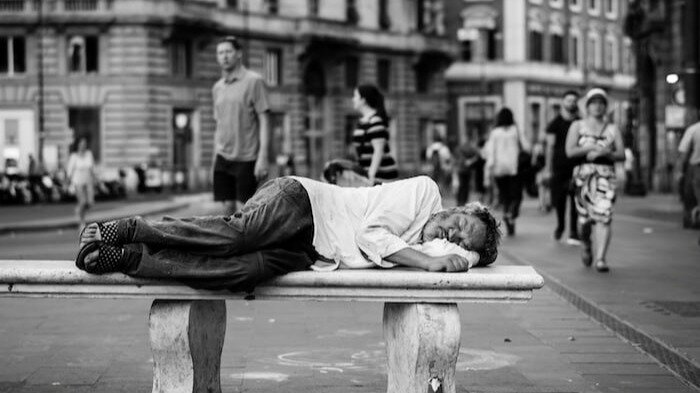
"Homeless no more:Sheltered Dreams and Building the Future"
"Homeless no more:Sheltered Dreams and Building the Future"
The Issue
"THE STATE OF HOMELESSNESS IN THE PHILIPPINES"
Despite having one of Southeast Asia's fastest-growing economies, the Philippines is currently experiencing a homelessness issue. With a population of 106 million, the Philippines is home to about 4.5 million homeless individuals, including children. Numerous factors contribute to homelessness in the Philippines, such as job loss, inadequate income or lack of a steady work, spousal abuse, and house loss as a result of a natural disaster. To solve this issue, both the government and non-governmental organizations (NGOs) are engaged in efforts.
Causes of Homelessness
In the Philippines, families end up homeless for many reasons, including:
- Poverty: In 2018, 16.6% of Filipino incomes were below the national poverty level, notwithstanding the nation's low 5.3% unemployment rate in March 2020. Rent can be a challenge for many Filipino families, particularly those residing in Manila, due to low income.
-
Domestic violence: Abuse, exploitation, and trafficking of women and children are serious concerns in the Philippines. In the Philippines, about one in five women between the ages of 15 and 49 had experienced domestic abuse. Women who leave violent relationships may not be able to obtain employment again and may also have trouble housing. Women's shelters typically have a lengthy waiting list.
- Human trafficking: Roughly 100,000 individuals are trafficked annually in the Philippines. Jobs in the cities are often promised to trafficked victims. But once they relocate to a metropolis, they become forced into prostitution and are taken advantage of.
- Natural disasters: Typhoons, earthquakes, and volcanic eruptions are among the other natural calamities that have caused some people to lose their homes. Over 20 typhoons pounded the Philippines in 2019. A storm that made landfall in the nation caused damage to nearly 500,000 homes. A January volcanic eruption affected 500,000 people and resulted in the forced displacement of 6,000 families.
Types of Homeless Families
According to the Modified Conditional Cash Transfer for Homeless Street Families (MCCT-HSF) program, homeless families fit into four different categories:
- Families on the street:comprise 75% of those who are homeless. These are families that live on the streets but eventually go back to where they were born. "Community-based street families" and "displaced homeless families" are also included in this category.
- Families of the street:are families who have established communities among themselves while living on the streets for an extended period of time. They use the public areas where they dwell to carry out regular tasks like playing, cooking, and taking baths. They can be easily identified by the "kariton," a pushcart that holds the possessions of their family and is used by them to go around Manila.
- Displaced homeless families:are families that either reside in their communities or lost their homes as a result of natural catastrophes. These are families that relocate to the Philippines' cities in search of employment after leaving their rural villages. Families and kids who may be fleeing domestic abuse may also fall under this category. Families who are homeless and displaced may also lug along a kariton that holds their personal items.
- Community-based street families: are country-rural families who relocate to metropolitan regions in search of a better life; nonetheless, they frequently return to their rural roots.
Homeless Children
Among the most vulnerable groups of homeless people in the Philippines are homeless children. There are thought to be about 250,000 homeless kids, but there may be as many as one million. Because of sexual exploitation, extreme poverty, or parental beating, children flee their homes and become homeless.
Children who live on the streets may experience issues like prostitution, abuse, and sexual exploitation. Children living on the streets face discrimination from the police because they are perceived as criminals or potential criminals, despite the fact that they are victims of uncontrollable circumstances. In addition, some kids turn to narcotics in an attempt to dull their hunger and agony. It is extremely tough for youngsters to leave the street life because of both internal and environmental obstacles.
For many reasons, the subject of homelessness and programmes such as "Homeless no more: Sheltered Dreams and Building the Future" may hold personal significance for individuals. Here are some potential explanations:
1.Compassion and empathy: A great deal of people have strong feelings of compassion and empathy for persons who are homeless. They might be able to relate to the hardships and obstacles that homeless people endure on a personal level and want to improve their lot in life.
2.Personal experiences: Some people could have known someone who has been homeless or experienced homelessness themselves. These encounters can foster a deep emotional bond and a motivation to support and push for policies that give homeless people a place to live and other forms of support.
3.Social justice and equality: Because it draws attention to the differences and injustices in society, homelessness is frequently viewed as a social justice issue. Those who are deeply committed to social justice can view ending homelessness as a means of building a society that is more inclusive and egalitarian.
4.Belief in human potential: A lot of people think that everyone has the right to live fulfilling lives and realize their own potential. Their belief in the intrinsic value and dignity of every person is consistent with their support of efforts that offer homeless people services and a place to live.
We have an inspiring,true-to-life story.
"‘We just need food’: Manila’s newly homeless tell stories of survival in lockdown," which shares the experiences of homeless individuals in Manila during the COVID-19 pandemic. The essay highlights the struggles faced by people like Michelle Sicat, a single mother who came to Manila in search of work but became homeless due to the strict lockdown measures. The government deployed social workers to place homeless individuals in temporary shelters, but the conditions were crowded and cramped. Many felt like prisoners and faced challenges accessing donated items. Some homeless individuals, including Sicat and Jerwin Mendoza, planned their escape from the shelters to find jobs and support their families. The essay sheds light on the difficulties faced by homeless individuals during the pandemic and their determination to survive.
Source: The Guardian
These are but a handful of the reasons why homelessness and programmes such as "Homeless no more: Sheltered Dreams and Building the Future" may touch people on a personal level. It's critical to keep in mind that individuals can have varying interests and motives, and that each person may be personally invested in this problem for different reasons.
Like many others, I have a strong sense of compassion and empathy for those who are homeless. Homeless persons have real hardships and challenges; they are actual people with personal tales to tell. They are not just numbers. It's time for us to act to improve their quality of life.
The goal of this petition is to offer solutions for inexpensive and respectable housing to those who are homeless. Tiny homes, which are compact, self-contained dwellings that may be constructed with environmentally friendly materials and energy-saving designs, offer one such alternative. These communities can provide homeless people with a sense of security and a place to call home by providing a safe and encouraging atmosphere.
We're going to help make a difference in the lives of those who are homeless. We can assist in giving individuals in need opportunities, resources, and a place to live if you support our advocacy. This will not only make the lives of the homeless better, but it will also help to create a community that is stronger and more caring. It's incredible how many lives may be significantly improved by a group effort.
These two crucial elements, which are evident on almost any stroll across the nation and its cities, provide the foundation for the nation's present housing crisis. The number of homeless people is growing as a result of frequent demolitions and evictions.While the government gives corporate projects priority. Sites for relocation or resettlement that are a component of the
There are many problems with the socialised housing programme, including low occupancy rates and contractor profiteering.Authorities also provided assistance to developers. Conversely, overall investment in the construction of houses and communities has decreased over time and is scheduled to see yet another significant cut in 2018 with an 84% reduction in the budget.
Policymakers are currently using an aggressive neo-liberal paradigm to push all of this, putting a preference for profit over people's needs. Since the election of, there are currently no indications that this trend will stop.
Addressing Homelessness in the Philippines
Religious institutions, NGOs, and the government all work to assist the homeless. The Modified Conditional Cash Transfer for Homeless Street Families program (MCCT-HSF) is one of the government's initiatives. This initiative offers homeless families in Metro Manila financial assistance, including grants for housing and funds for health and education.
To help street children, ASMAE-Philippines travels the streets of Manila to teach kids on the basics of hygiene. The organization also provides children with school support, as well as supporting other NGOs in the area. Kanlungan sa ER-MA Ministry, Inc. is another organization that works to educate street children, though projects that teach children about hard work while providing them with an income.
ASMAE-Philippines visits Manila's streets to teach youngsters the fundamentals of cleanliness as a way to aid the city's homeless population. In addition, the organization supports other non-governmental organizations in the area and offers school support to youngsters. Another group that strives to educate street children is Kanlungan sa ER-MA Ministry, Inc.; they do this by implementing programs that teach kids about hard labor and give them a source of income.
Much more work needs to be done to assist the homeless people, notwithstanding the efforts made by the government and non-governmental organizations. In the future, these programs must be expanded in order to drastically lower the number of homeless people in the country.
There are various ways we can help homeless people in the Philippines. Here are a few ideas:
1. Donate to local organizations: There are many non-profit organizations in the Philippines that work towards providing shelter, food, and support to homeless individuals. Donating to these organizations can help them continue their valuable work.
2. Volunteer your time: You can volunteer at local shelters or organizations that assist the homeless. They often need help with tasks such as serving meals, organizing donations, or providing companionship and support to those in need.
3. Support social enterprises: Look for social enterprises or initiatives that aim to empower homeless individuals by providing them with employment opportunities. By supporting these businesses, you can contribute to their financial stability and help them build a better future.
4. Raise awareness: Use your voice to raise awareness about homelessness in the Philippines. Share information on social media, participate in campaigns, or organize events to educate others about the issue and encourage them to take action.
5. Provide basic necessities: Consider creating care packages or donating essential items such as clothing, blankets, toiletries, and non-perishable food items to homeless individuals or shelters in your area.
Remember, every small act of kindness can make a difference in someone's life.
"A roof, a dream, a chance at a new beginning."

24
The Issue
"THE STATE OF HOMELESSNESS IN THE PHILIPPINES"
Despite having one of Southeast Asia's fastest-growing economies, the Philippines is currently experiencing a homelessness issue. With a population of 106 million, the Philippines is home to about 4.5 million homeless individuals, including children. Numerous factors contribute to homelessness in the Philippines, such as job loss, inadequate income or lack of a steady work, spousal abuse, and house loss as a result of a natural disaster. To solve this issue, both the government and non-governmental organizations (NGOs) are engaged in efforts.
Causes of Homelessness
In the Philippines, families end up homeless for many reasons, including:
- Poverty: In 2018, 16.6% of Filipino incomes were below the national poverty level, notwithstanding the nation's low 5.3% unemployment rate in March 2020. Rent can be a challenge for many Filipino families, particularly those residing in Manila, due to low income.
-
Domestic violence: Abuse, exploitation, and trafficking of women and children are serious concerns in the Philippines. In the Philippines, about one in five women between the ages of 15 and 49 had experienced domestic abuse. Women who leave violent relationships may not be able to obtain employment again and may also have trouble housing. Women's shelters typically have a lengthy waiting list.
- Human trafficking: Roughly 100,000 individuals are trafficked annually in the Philippines. Jobs in the cities are often promised to trafficked victims. But once they relocate to a metropolis, they become forced into prostitution and are taken advantage of.
- Natural disasters: Typhoons, earthquakes, and volcanic eruptions are among the other natural calamities that have caused some people to lose their homes. Over 20 typhoons pounded the Philippines in 2019. A storm that made landfall in the nation caused damage to nearly 500,000 homes. A January volcanic eruption affected 500,000 people and resulted in the forced displacement of 6,000 families.
Types of Homeless Families
According to the Modified Conditional Cash Transfer for Homeless Street Families (MCCT-HSF) program, homeless families fit into four different categories:
- Families on the street:comprise 75% of those who are homeless. These are families that live on the streets but eventually go back to where they were born. "Community-based street families" and "displaced homeless families" are also included in this category.
- Families of the street:are families who have established communities among themselves while living on the streets for an extended period of time. They use the public areas where they dwell to carry out regular tasks like playing, cooking, and taking baths. They can be easily identified by the "kariton," a pushcart that holds the possessions of their family and is used by them to go around Manila.
- Displaced homeless families:are families that either reside in their communities or lost their homes as a result of natural catastrophes. These are families that relocate to the Philippines' cities in search of employment after leaving their rural villages. Families and kids who may be fleeing domestic abuse may also fall under this category. Families who are homeless and displaced may also lug along a kariton that holds their personal items.
- Community-based street families: are country-rural families who relocate to metropolitan regions in search of a better life; nonetheless, they frequently return to their rural roots.
Homeless Children
Among the most vulnerable groups of homeless people in the Philippines are homeless children. There are thought to be about 250,000 homeless kids, but there may be as many as one million. Because of sexual exploitation, extreme poverty, or parental beating, children flee their homes and become homeless.
Children who live on the streets may experience issues like prostitution, abuse, and sexual exploitation. Children living on the streets face discrimination from the police because they are perceived as criminals or potential criminals, despite the fact that they are victims of uncontrollable circumstances. In addition, some kids turn to narcotics in an attempt to dull their hunger and agony. It is extremely tough for youngsters to leave the street life because of both internal and environmental obstacles.
For many reasons, the subject of homelessness and programmes such as "Homeless no more: Sheltered Dreams and Building the Future" may hold personal significance for individuals. Here are some potential explanations:
1.Compassion and empathy: A great deal of people have strong feelings of compassion and empathy for persons who are homeless. They might be able to relate to the hardships and obstacles that homeless people endure on a personal level and want to improve their lot in life.
2.Personal experiences: Some people could have known someone who has been homeless or experienced homelessness themselves. These encounters can foster a deep emotional bond and a motivation to support and push for policies that give homeless people a place to live and other forms of support.
3.Social justice and equality: Because it draws attention to the differences and injustices in society, homelessness is frequently viewed as a social justice issue. Those who are deeply committed to social justice can view ending homelessness as a means of building a society that is more inclusive and egalitarian.
4.Belief in human potential: A lot of people think that everyone has the right to live fulfilling lives and realize their own potential. Their belief in the intrinsic value and dignity of every person is consistent with their support of efforts that offer homeless people services and a place to live.
We have an inspiring,true-to-life story.
"‘We just need food’: Manila’s newly homeless tell stories of survival in lockdown," which shares the experiences of homeless individuals in Manila during the COVID-19 pandemic. The essay highlights the struggles faced by people like Michelle Sicat, a single mother who came to Manila in search of work but became homeless due to the strict lockdown measures. The government deployed social workers to place homeless individuals in temporary shelters, but the conditions were crowded and cramped. Many felt like prisoners and faced challenges accessing donated items. Some homeless individuals, including Sicat and Jerwin Mendoza, planned their escape from the shelters to find jobs and support their families. The essay sheds light on the difficulties faced by homeless individuals during the pandemic and their determination to survive.
Source: The Guardian
These are but a handful of the reasons why homelessness and programmes such as "Homeless no more: Sheltered Dreams and Building the Future" may touch people on a personal level. It's critical to keep in mind that individuals can have varying interests and motives, and that each person may be personally invested in this problem for different reasons.
Like many others, I have a strong sense of compassion and empathy for those who are homeless. Homeless persons have real hardships and challenges; they are actual people with personal tales to tell. They are not just numbers. It's time for us to act to improve their quality of life.
The goal of this petition is to offer solutions for inexpensive and respectable housing to those who are homeless. Tiny homes, which are compact, self-contained dwellings that may be constructed with environmentally friendly materials and energy-saving designs, offer one such alternative. These communities can provide homeless people with a sense of security and a place to call home by providing a safe and encouraging atmosphere.
We're going to help make a difference in the lives of those who are homeless. We can assist in giving individuals in need opportunities, resources, and a place to live if you support our advocacy. This will not only make the lives of the homeless better, but it will also help to create a community that is stronger and more caring. It's incredible how many lives may be significantly improved by a group effort.
These two crucial elements, which are evident on almost any stroll across the nation and its cities, provide the foundation for the nation's present housing crisis. The number of homeless people is growing as a result of frequent demolitions and evictions.While the government gives corporate projects priority. Sites for relocation or resettlement that are a component of the
There are many problems with the socialised housing programme, including low occupancy rates and contractor profiteering.Authorities also provided assistance to developers. Conversely, overall investment in the construction of houses and communities has decreased over time and is scheduled to see yet another significant cut in 2018 with an 84% reduction in the budget.
Policymakers are currently using an aggressive neo-liberal paradigm to push all of this, putting a preference for profit over people's needs. Since the election of, there are currently no indications that this trend will stop.
Addressing Homelessness in the Philippines
Religious institutions, NGOs, and the government all work to assist the homeless. The Modified Conditional Cash Transfer for Homeless Street Families program (MCCT-HSF) is one of the government's initiatives. This initiative offers homeless families in Metro Manila financial assistance, including grants for housing and funds for health and education.
To help street children, ASMAE-Philippines travels the streets of Manila to teach kids on the basics of hygiene. The organization also provides children with school support, as well as supporting other NGOs in the area. Kanlungan sa ER-MA Ministry, Inc. is another organization that works to educate street children, though projects that teach children about hard work while providing them with an income.
ASMAE-Philippines visits Manila's streets to teach youngsters the fundamentals of cleanliness as a way to aid the city's homeless population. In addition, the organization supports other non-governmental organizations in the area and offers school support to youngsters. Another group that strives to educate street children is Kanlungan sa ER-MA Ministry, Inc.; they do this by implementing programs that teach kids about hard labor and give them a source of income.
Much more work needs to be done to assist the homeless people, notwithstanding the efforts made by the government and non-governmental organizations. In the future, these programs must be expanded in order to drastically lower the number of homeless people in the country.
There are various ways we can help homeless people in the Philippines. Here are a few ideas:
1. Donate to local organizations: There are many non-profit organizations in the Philippines that work towards providing shelter, food, and support to homeless individuals. Donating to these organizations can help them continue their valuable work.
2. Volunteer your time: You can volunteer at local shelters or organizations that assist the homeless. They often need help with tasks such as serving meals, organizing donations, or providing companionship and support to those in need.
3. Support social enterprises: Look for social enterprises or initiatives that aim to empower homeless individuals by providing them with employment opportunities. By supporting these businesses, you can contribute to their financial stability and help them build a better future.
4. Raise awareness: Use your voice to raise awareness about homelessness in the Philippines. Share information on social media, participate in campaigns, or organize events to educate others about the issue and encourage them to take action.
5. Provide basic necessities: Consider creating care packages or donating essential items such as clothing, blankets, toiletries, and non-perishable food items to homeless individuals or shelters in your area.
Remember, every small act of kindness can make a difference in someone's life.
"A roof, a dream, a chance at a new beginning."
24
Petition Updates
Share this petition
Petition created on January 1, 2024