Ban the Microbead!
Ban the Microbead!
The issue
Plastic pollution of our waterways and oceans is a major environmental and human health issue requiring urgent attention and action.
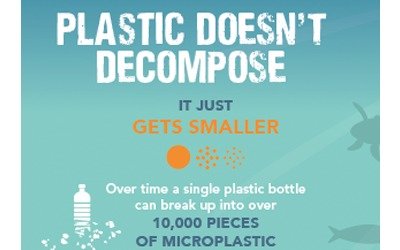
One major source of this pollution is the use of plastic microbeads in personal care and laundry products. Microplastics are defined as any plastics smaller then 5 mm in diameter.
The “Beat the Microbead” campaign has put microplastics in cosmetics in the spotlight since 2012. In the campaign, we primarily focused on the most well-known microplastics: PE, PP, PMMA, PET and Nylon.
In the meantime, it has become clear that many more microplastics are used than we knew at the time. The information in two reports issued in 2015 – UNEP’s ‘Plastic in cosmetics’ and TAUW’s ‘Test to assess…’ – means that we can now put this number at at least 67.
Plastic microbeads are used in exfoliating products including face wash, body wash and toothpaste. Products containing microbeads are rinsed down the drain, and every day trillions of these tiny plastic beads travel into our waterways.
Once in aquatic and marine environments, microbeads can be consumed by marine life and subsequently make their way back to humans through seafood consumption.
Plastic microbeads absorb chemical toxins that disrupt human endocrine systems and increase the risk of cancer. Toxins absorbed in plastics may be concentrated at a rate 100,000 to 1 millions times higher then in seawater.
These persistent toxins accumulate in the animals we use as food, and are therefore transferred to humans causing health issues.
Natural biodegradable products can be substituted to perform the task of plastic microbeads. There are plenty of great, biodegradable alternatives out there that will exfoliate your skin, including rice, apricot seeds, walnut shells, powdered pecan shells, bamboo, among others.
Microbeads represent one of the easy-to-solve, components of the global microplastic debris problem. By banning plastic microbeads from personal care and laundry products, we would remove this source of plastic debris from our waterways. Microbeads are therefore the low-hanging fruit and an essential step in addressing the global microplastic debris problem.
88 nongovernmental organizations from 38 countries support the "Beat The Microbead" campaign. Seven large companies have now committed to ridding their products of microbeads including Unilever, L'Oreal and The Body Shop, Clarins, Clearasil and Ella Baché. Bans on the use of microbeads in personal care products have been proposed in the US, Canada and the EU. For example, legislation has been introduced in over 20 US states, including in California, whose economy is the eighth largest in the world. Such bills have already passed in several states, beginning with Illinois, and now a federal bill is being considered. In Australia, New South Wales is leading work at a state level, but to be most effective, work must be done at a national level.
Sign the Petition to support the national ban of all 67 known types of plastic Microbeads!
Here are some useful resources with information about microbeads, and the action that is taking place to prohibit them.
- Surfrider Foundation Australia was well represented at the Senate hearing on February 18, 2016 by Susie Crick, Brendan Donohoe and Rowan Hanley. The subsequent report from hearing discusses proposed solutions and methods for implementing the ban. Click Here for the report.
- The United Nations Environment Programme released a report titled Plastic in Cosmetics. The Fact Sheet from that report can be found Here.
- “Beat the Microbead” has been spearheading the movement against plastic microbeads since 2012. Some great information can be found on their website.
- The Tauw Sustainablilty Consultancy Group released a report that provides a procedure for companies to test to see whether their products contain harmful microbeads. The report contains highly relevant information, and can be found here.

The issue
Plastic pollution of our waterways and oceans is a major environmental and human health issue requiring urgent attention and action.
One major source of this pollution is the use of plastic microbeads in personal care and laundry products. Microplastics are defined as any plastics smaller then 5 mm in diameter.
The “Beat the Microbead” campaign has put microplastics in cosmetics in the spotlight since 2012. In the campaign, we primarily focused on the most well-known microplastics: PE, PP, PMMA, PET and Nylon.
In the meantime, it has become clear that many more microplastics are used than we knew at the time. The information in two reports issued in 2015 – UNEP’s ‘Plastic in cosmetics’ and TAUW’s ‘Test to assess…’ – means that we can now put this number at at least 67.
Plastic microbeads are used in exfoliating products including face wash, body wash and toothpaste. Products containing microbeads are rinsed down the drain, and every day trillions of these tiny plastic beads travel into our waterways.
Once in aquatic and marine environments, microbeads can be consumed by marine life and subsequently make their way back to humans through seafood consumption.
Plastic microbeads absorb chemical toxins that disrupt human endocrine systems and increase the risk of cancer. Toxins absorbed in plastics may be concentrated at a rate 100,000 to 1 millions times higher then in seawater.
These persistent toxins accumulate in the animals we use as food, and are therefore transferred to humans causing health issues.
Natural biodegradable products can be substituted to perform the task of plastic microbeads. There are plenty of great, biodegradable alternatives out there that will exfoliate your skin, including rice, apricot seeds, walnut shells, powdered pecan shells, bamboo, among others.
Microbeads represent one of the easy-to-solve, components of the global microplastic debris problem. By banning plastic microbeads from personal care and laundry products, we would remove this source of plastic debris from our waterways. Microbeads are therefore the low-hanging fruit and an essential step in addressing the global microplastic debris problem.
88 nongovernmental organizations from 38 countries support the "Beat The Microbead" campaign. Seven large companies have now committed to ridding their products of microbeads including Unilever, L'Oreal and The Body Shop, Clarins, Clearasil and Ella Baché. Bans on the use of microbeads in personal care products have been proposed in the US, Canada and the EU. For example, legislation has been introduced in over 20 US states, including in California, whose economy is the eighth largest in the world. Such bills have already passed in several states, beginning with Illinois, and now a federal bill is being considered. In Australia, New South Wales is leading work at a state level, but to be most effective, work must be done at a national level.
Sign the Petition to support the national ban of all 67 known types of plastic Microbeads!
Here are some useful resources with information about microbeads, and the action that is taking place to prohibit them.
- Surfrider Foundation Australia was well represented at the Senate hearing on February 18, 2016 by Susie Crick, Brendan Donohoe and Rowan Hanley. The subsequent report from hearing discusses proposed solutions and methods for implementing the ban. Click Here for the report.
- The United Nations Environment Programme released a report titled Plastic in Cosmetics. The Fact Sheet from that report can be found Here.
- “Beat the Microbead” has been spearheading the movement against plastic microbeads since 2012. Some great information can be found on their website.
- The Tauw Sustainablilty Consultancy Group released a report that provides a procedure for companies to test to see whether their products contain harmful microbeads. The report contains highly relevant information, and can be found here.
Petition Closed
Share this petition
The Decision Makers

Petition Updates
Share this petition
Petition created on 14 February 2017