Help fight the Worst Borana Drought in Ethiopia; save lives, Now!

Help fight the Worst Borana Drought in Ethiopia; save lives, Now!
The Issue
Borana has lost millions of its essential livestock to the extreme drought
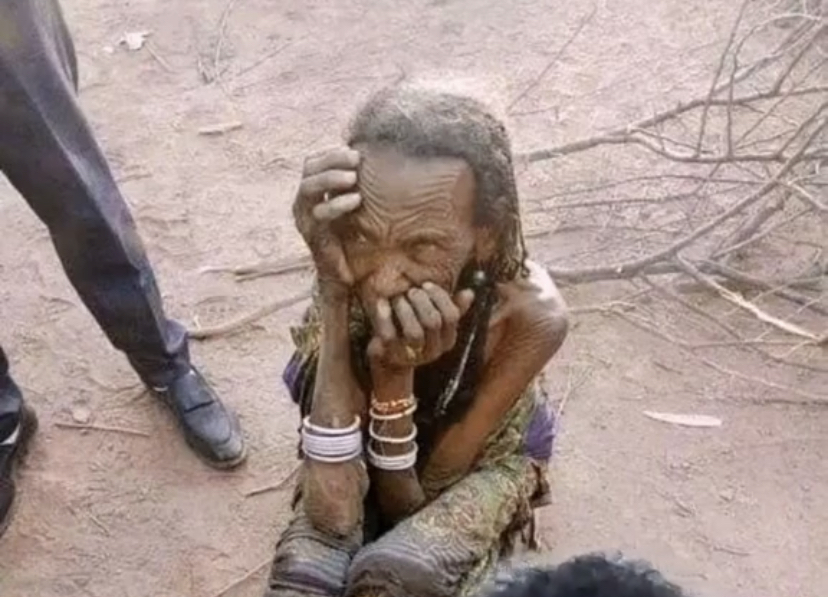
- More than 2.3 million animals are dead
- About 900,000 people need immediate food assistance
- Thousands are facing acute starvation in drought-ravaged districts
- The next rainy season is three months away.
- Reports on social media show people dying from hunger.
- Borana has lost millions of livestock, its essential means of survival.
- Activists are urging government declare emergency in the area suspend project to deal with the drought
According to reports, this is the worst drought where more than 80 percent of animals are dead after years of the failed rainy season. The next rainy season is three months away, and the impact could be much more disastrous.
Social media posts show that Taltale, Dire, Dilo, and Golbo and several districts are among the most affected area where people are collapsing due to hunger.
Borana is a member of the Oromo people of Ethiopia and Kenya, the largest ethnic group in East Africa. This pastoralist community primarily depends on rearing animals, cattle, camels, and goats.
Borana settles mainly in southern Ethiopia, bordering Kenya in the North. According to local, international organizations, and federal authorities, the severe drought that impacted East Africa has killed millions of animals in Borana alone in the last three years after the five rain seasons failed.
USAID’s Early Warning System Network (FEWS NET) in its November 2022 report labeled the situation in the Southern Oromia pastoralist area as an Emergency! (IPC Phase 4!) and Crisis! (IPC Phase 3!) widespread across southern pastoral Ethiopia.
https://fews.net/east-africa/ethiopia
More than 3,000 community members who have lost all their animals are moved to an area arranged by local officials,some in Dubuluki, a town about 45 km from Yabello.,zonal capital. Some are settled on the main road between Ethiopia-Kenya seeking immediate assistance, say media reports.
Galgalo Mole, 70, is a resident of Dharito, a village 600 km (about 372.82 mi) from Addis Ababa, the Ethiopian capital. He has lost every live stock and in a camp with his 7 children in Dubuliki town of Borana zone.
The Borana region is known for its cattle population, contributing to the country's GDP growth. There are thousand more alike Mr. Mole lost all of their animals, there only resources. A family of 7 in Taltale district collapsed due to hunger seeking immediate assistance.
Borana cattle bread is famous for its tender beef and cattle population in East Africa, putting Ethiopia 1st place in Africa. However, the extreme drought has taken everything the community depends on.
https://www.unicef.org/ethiopia/stories/drought-and-climate-change-pushing-communities-brink
According to regional authorities, in the last three years, more than 2.3 million are dead in the Borana region due to 5 years of failed rains.
Residents say there is famine in the area where the elderly and children are dying of lack of proper food. The swelling of bodies is apparent, in several villages all over the over the social media.
Borana drought has reportedly never been seen in more than 40 yrs
https://www.unicef.org/ethiopia/stories/campaign-save-lives .
Some aid agencies, universities, regional govermnets, and individuals provided lifesaving assistance. The number of people in need of lifesaving aid increases daily.
Borana University in Yabello, one of the institutions raising drought awareness in the area.
“We have lost everything and now fighting for our survival and appealing for lifesaving aid, Dima Dida,62, a resident of Dilo town, told local media.
Immediate food, water, and medication assistance can save more lives
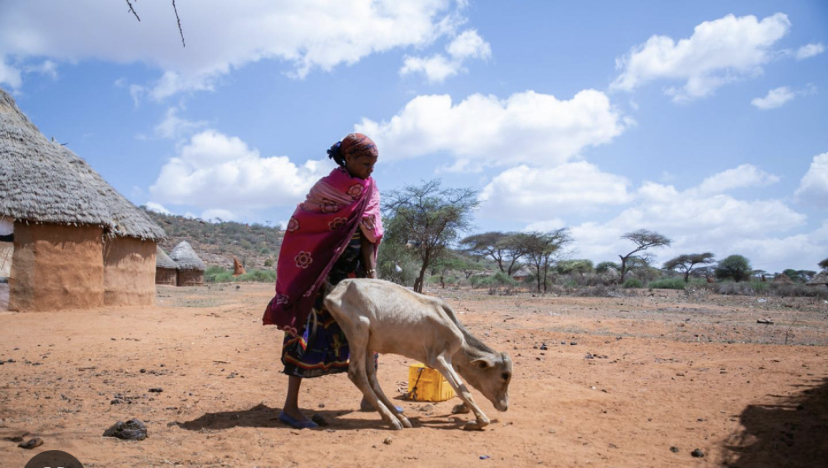
The worst drought continues in Borana to ravage the area and its neighboring districts. The region has lost its most essential livestock. Some community members are reportedly gone to Kenya..
Social media is littered with similar pictures of dead animals and impacted human bodies Officials confirmed to private media that people were dying for absence of food, in some area but locals boldly claimed the number is high.
https://www.unicef.org/ethiopia/stories/campaign-save-lives
However, the region has lost almost all of its resources, the animals. Experts say it is hard to regain animals lost in at least ten years.
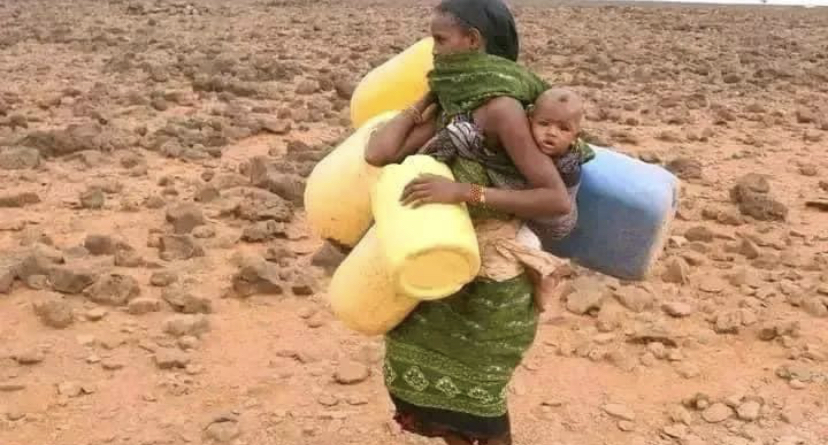
Regional and federal authorities are providing limited assistance, but due to the magnitude of the disaster, it is going out of hand, reports say.
ARROOYI: A traditional Call of Emergency to save a life
ARROOYI is a typical traditional emergency call among the Borana people. It is a way of communication to call attention to the broader community or anyone around to save a life IMMEDIATELY. An emergency caller announces ARROOY loud enough.
Sometimes climb a tree or goes to higher ground to announce it by waving their hand back and forth in front of their mouth fast to make the sound wave travel further and louder.
This is what a team of singers here is doing in their communication.Borana-Oromo singers released the new video album ARROOYI, to show the immediacy of the situation to bring awareness of starvation and attempt to raise money for relief efforts.
The United Nations Office for the Coordination of Humanitarian Affairs (OCHA) has described the situation in East Africa, mainly in the Southern Ethiopia pastoralist of the Oromia region, as an emergency and crisis. Our prayer goes to the families impacted.
Socio-economic Impacts of Extreme Drought
Located more than 700 km from the Ethiopian capital Addis Ababa Borana region still needs major infrastructures, including access to drinking water and health posts. This pastoralist community follows clouds looking for raindrops for their animals.
One can imagine how many schools are closed for lack of water and how many students have dropped out, helping families cope with such droughts.
Activists are urging for a state of emergency in Borana and suspend projects
With millions of animals dead, the community has lost billions in local currencies that could have helped their kids go to school or help themselves survive. The next rain is three months away. Even if it rains at all, with this many animals dying, it is understandable that flooding and other health hazards may follow.
Borana has a well-established social structure for coping with challenges or empowering the community.
Nevertheless, the situation has changed; almost all of the community struggles to survive after five years of failed rains. The challenges are multi-layer, requiring multi-tasks from all concerned bodies to save more lives.

1,981
The Issue
Borana has lost millions of its essential livestock to the extreme drought
- More than 2.3 million animals are dead
- About 900,000 people need immediate food assistance
- Thousands are facing acute starvation in drought-ravaged districts
- The next rainy season is three months away.
- Reports on social media show people dying from hunger.
- Borana has lost millions of livestock, its essential means of survival.
- Activists are urging government declare emergency in the area suspend project to deal with the drought
According to reports, this is the worst drought where more than 80 percent of animals are dead after years of the failed rainy season. The next rainy season is three months away, and the impact could be much more disastrous.
Social media posts show that Taltale, Dire, Dilo, and Golbo and several districts are among the most affected area where people are collapsing due to hunger.
Borana is a member of the Oromo people of Ethiopia and Kenya, the largest ethnic group in East Africa. This pastoralist community primarily depends on rearing animals, cattle, camels, and goats.
Borana settles mainly in southern Ethiopia, bordering Kenya in the North. According to local, international organizations, and federal authorities, the severe drought that impacted East Africa has killed millions of animals in Borana alone in the last three years after the five rain seasons failed.
USAID’s Early Warning System Network (FEWS NET) in its November 2022 report labeled the situation in the Southern Oromia pastoralist area as an Emergency! (IPC Phase 4!) and Crisis! (IPC Phase 3!) widespread across southern pastoral Ethiopia.
https://fews.net/east-africa/ethiopia
More than 3,000 community members who have lost all their animals are moved to an area arranged by local officials,some in Dubuluki, a town about 45 km from Yabello.,zonal capital. Some are settled on the main road between Ethiopia-Kenya seeking immediate assistance, say media reports.
Galgalo Mole, 70, is a resident of Dharito, a village 600 km (about 372.82 mi) from Addis Ababa, the Ethiopian capital. He has lost every live stock and in a camp with his 7 children in Dubuliki town of Borana zone.
The Borana region is known for its cattle population, contributing to the country's GDP growth. There are thousand more alike Mr. Mole lost all of their animals, there only resources. A family of 7 in Taltale district collapsed due to hunger seeking immediate assistance.
Borana cattle bread is famous for its tender beef and cattle population in East Africa, putting Ethiopia 1st place in Africa. However, the extreme drought has taken everything the community depends on.
https://www.unicef.org/ethiopia/stories/drought-and-climate-change-pushing-communities-brink
According to regional authorities, in the last three years, more than 2.3 million are dead in the Borana region due to 5 years of failed rains.
Residents say there is famine in the area where the elderly and children are dying of lack of proper food. The swelling of bodies is apparent, in several villages all over the over the social media.
Borana drought has reportedly never been seen in more than 40 yrs
https://www.unicef.org/ethiopia/stories/campaign-save-lives .
Some aid agencies, universities, regional govermnets, and individuals provided lifesaving assistance. The number of people in need of lifesaving aid increases daily.
Borana University in Yabello, one of the institutions raising drought awareness in the area.
“We have lost everything and now fighting for our survival and appealing for lifesaving aid, Dima Dida,62, a resident of Dilo town, told local media.
Immediate food, water, and medication assistance can save more lives
The worst drought continues in Borana to ravage the area and its neighboring districts. The region has lost its most essential livestock. Some community members are reportedly gone to Kenya..
Social media is littered with similar pictures of dead animals and impacted human bodies Officials confirmed to private media that people were dying for absence of food, in some area but locals boldly claimed the number is high.
https://www.unicef.org/ethiopia/stories/campaign-save-lives
However, the region has lost almost all of its resources, the animals. Experts say it is hard to regain animals lost in at least ten years.
Regional and federal authorities are providing limited assistance, but due to the magnitude of the disaster, it is going out of hand, reports say.
ARROOYI: A traditional Call of Emergency to save a life
ARROOYI is a typical traditional emergency call among the Borana people. It is a way of communication to call attention to the broader community or anyone around to save a life IMMEDIATELY. An emergency caller announces ARROOY loud enough.
Sometimes climb a tree or goes to higher ground to announce it by waving their hand back and forth in front of their mouth fast to make the sound wave travel further and louder.
This is what a team of singers here is doing in their communication.Borana-Oromo singers released the new video album ARROOYI, to show the immediacy of the situation to bring awareness of starvation and attempt to raise money for relief efforts.
The United Nations Office for the Coordination of Humanitarian Affairs (OCHA) has described the situation in East Africa, mainly in the Southern Ethiopia pastoralist of the Oromia region, as an emergency and crisis. Our prayer goes to the families impacted.
Socio-economic Impacts of Extreme Drought
Located more than 700 km from the Ethiopian capital Addis Ababa Borana region still needs major infrastructures, including access to drinking water and health posts. This pastoralist community follows clouds looking for raindrops for their animals.
One can imagine how many schools are closed for lack of water and how many students have dropped out, helping families cope with such droughts.
Activists are urging for a state of emergency in Borana and suspend projects
With millions of animals dead, the community has lost billions in local currencies that could have helped their kids go to school or help themselves survive. The next rain is three months away. Even if it rains at all, with this many animals dying, it is understandable that flooding and other health hazards may follow.
Borana has a well-established social structure for coping with challenges or empowering the community.
Nevertheless, the situation has changed; almost all of the community struggles to survive after five years of failed rains. The challenges are multi-layer, requiring multi-tasks from all concerned bodies to save more lives.
1,981
The Decision Makers


Petition Updates
Share this petition
Petition created on January 31, 2023