

Hairstyling freedom in Nepalese Schools.
Hairstyling freedom in Nepalese Schools.
The Issue
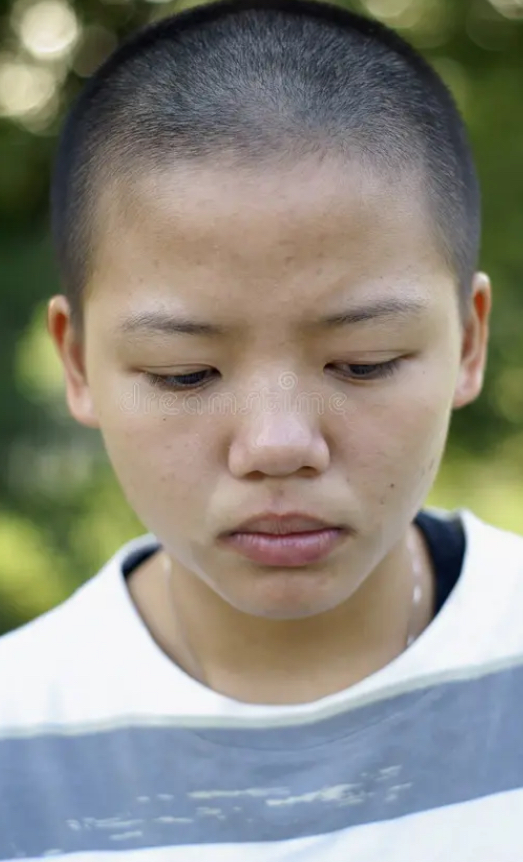
Hi, I am a student who believes that everyone has their own unique style and identity, which should be respected and accepted. My own style includes having long hair, which not only gives me comfort but also boosts my self-confidence. However, the outdated school haircut rules in Nepal obstructs me, and many others, from fully expressing ourselves. This, in turn, affects our performance in school, as comfort and self-confidence are known factors influencing academic performance.
Our hairstyle or hair length does not influence our discipline or commitment to education. Instead, it enhances our comfort and confidence, which can lead to better academic performance. This isn't just about personal expression, it's about creating an educational environment where students feel comfortable, confident, and empowered to perform their best.
Studies have shown that learners with higher confidence are more willing to learn, challenge themselves, and have better resilience. In fact, confidence has been quoted as the number one predictor of academic achievement. Yes, not being able to be who we really are does affect our academic performance. Is it that hard to give us the freedom to grow our hair? How about focusing on giving us a confidence boost that is proven to improve our performance instead of cutting/restyling our hair or resorting to violence?
If this petition succeeds locally, I hope to extend it nationally for the betterment of all Nepalese students. This is about more than just hairstyles; this is about respecting personal identity, promoting individual confidence, and creating a healthier learning environment.
Let's modernize our educational system and show that we respect and value the individuality of our students. Please sign this petition to oppose the outdated haircut rules in Nepalese schools. Your support could lead to significant changes in the education system and improve the learning conditions of students across the country.

67
The Issue
Hi, I am a student who believes that everyone has their own unique style and identity, which should be respected and accepted. My own style includes having long hair, which not only gives me comfort but also boosts my self-confidence. However, the outdated school haircut rules in Nepal obstructs me, and many others, from fully expressing ourselves. This, in turn, affects our performance in school, as comfort and self-confidence are known factors influencing academic performance.
Our hairstyle or hair length does not influence our discipline or commitment to education. Instead, it enhances our comfort and confidence, which can lead to better academic performance. This isn't just about personal expression, it's about creating an educational environment where students feel comfortable, confident, and empowered to perform their best.
Studies have shown that learners with higher confidence are more willing to learn, challenge themselves, and have better resilience. In fact, confidence has been quoted as the number one predictor of academic achievement. Yes, not being able to be who we really are does affect our academic performance. Is it that hard to give us the freedom to grow our hair? How about focusing on giving us a confidence boost that is proven to improve our performance instead of cutting/restyling our hair or resorting to violence?
If this petition succeeds locally, I hope to extend it nationally for the betterment of all Nepalese students. This is about more than just hairstyles; this is about respecting personal identity, promoting individual confidence, and creating a healthier learning environment.
Let's modernize our educational system and show that we respect and value the individuality of our students. Please sign this petition to oppose the outdated haircut rules in Nepalese schools. Your support could lead to significant changes in the education system and improve the learning conditions of students across the country.
67
The Decision Makers
Petition Updates
Share this petition
Petition created on February 4, 2025