

Grass please!
The Issue
First and foremost, I understand our Athletic Directors desire to have a playing surface that is consistent, for men's and women's soccer, women's lacrosse, and any other varsity, club or intramural sports that may use the field. Artificial turf, on paper could be used by more teams, but we also have to remember the use of other natural grass spaces on campus, that occupy their own special and unique places, like Harper Joy and Ankeny, which can also be replaced with new natural grass.
Some of the biggest health concerns that come from installing artificial turf are the "forever chemicals" ("forever" because they don't naturally break down), or PFA's. These chemicals are linked to cancer, liver problems, thyroid issues, birth defects, kidney disease, decreased immunity and other serious health problems and affect humans and wildlife alike. "The U.S. Environmental Protection Agency launched an effort last year to limit pollution from those chemicals because they're linked to health problems such as cancer and low birth weight. In June, the EPA released new health advisories around PFAS in drinking water, too – and now over 20 states have proposed or adopted limits." https://www.usatoday.com/story/news/nation/2022/10/06/forever-chemicals-deer-fish-hunting-tourism/8194617001/
The chemicals in artificial turf would affect our environment at large. PFA's can be absorbed through the skin, inhaled, ingested, or get in open wounds. These chemicals also, from the water runoff from artificial turf will get into water supplies that we and our environment rely upon. Communities downstream of the Walla River river are at risk of having these chemicals in their drinking water. The chemicals from artificial turf also emit high levels of methane, a potent greenhouse gas. https://www.theguardian.com/environment/2022/sep/30/boston-bans-artificial-turf-toxic-forever-chemicals-pfas
Other health concerns regard injury concerns for the users of the field. Xiao et al., 2022 find that artificial turf significantly increases the risk of ACL injury for female but not male soccer players compared to natural grass. That being said, datafrom the NFL players association (NFLPA), a male sports league, show that artifical turf is significantly harder on the body than natural grass. “Specifically, players have a 28% higher rate of non-contact lower extremity injuries when playing on artificial turf. Of those non-contact injuries, players have a 32% higher rate of non-contact knee injuries on turf and a staggering 69% higher rate of non-contact foot/ankle injuries on turf compared to grass.” (NFLPA). Artificial turf negatively impacts the bodies of all who use it when compared to natural grass.
The NFLPA suggest that NFL clubs should proactively change all field surfaces to natural grass, FIFA has banned artificial turf from the 2023 Women’s World Cup. Top professional athletes don't want to play on artificial turf because they know the wear and tear it has on their bodies, and the increased risk of injury that comes from playing on it; athletic leagues and organizations are beginning to recognize this as well.
Whitman used to have one of, if not the best natural grass fields in the Northwest Conference, allegedly better than Whitworth's current field. Part of the issue is that the groundskeeper who was maintaining the natural grass field left, on top of which our current field is 22-23 years old when its typical lifespan is of 20 years.
Installing a new natural grass field is much cheaper than installing a new artificial turf field, and natural grass has a longer lifespan than artificial turf. If artificial turf guidelines are upheld, artifical turf fields should be replaced every 8-10 years. Additional resources from installing natural grass instead of artificial turf could go towards hiring a groundskeeper to help maintain it. The cost of installing and maintaining a natural grass field and hiring a groundskeeper may be so much less than the cost of installing the artificial turf field that there may be additional funds that could go towards future projects within the athletics department.
Halting the construction of an artificial turf field would leave the athletics department with lots of funds, funds that could be redirected into a new natural grass field and a groundskeeper. A groundskeeper could at the very least work with the natural grass field we currently have, still improving the field condition for the athletic teams 2023 season's. When it comes to the immediacy of a new field, we must not forget about the long-term consequences of our actions.
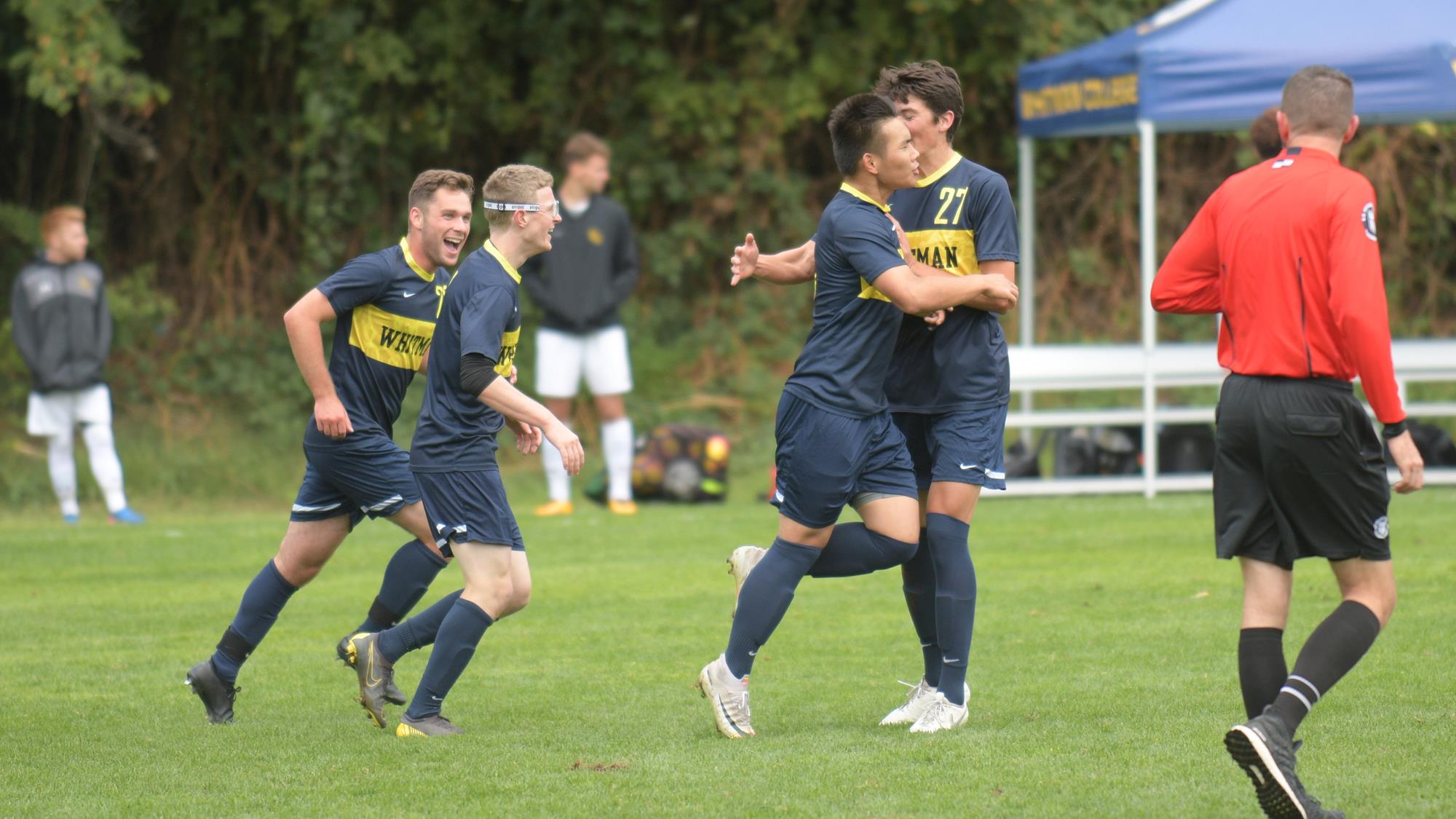
Coming from Seattle, where artificial turf is everywhere, and coming to Whitman and seeing natural grass fields (for both Varsity and Club/Intramural teams) was a huge point of attraction for me. And concerning at least my very own men's soccer team, I know the natural grass is a huge point in recruiting for our coach Cedeno, and has led to the strong men's soccer program the college has today.
Ground is planned to be broken for a new artificial turf field in just over a month, so we must act quick to halt this process. As of right now, there is a group of current and former environmental studies professors, as well as other people genuinely concerned with practicing climate friendly behavior pressuring the administration involved in this decision making process.
I honestly don't know how we, as athletes and climate conscious students, can affect the decision making process, but I do know that Whitman is not only the administration, but also the student body, and our voices must be heard. The administration must listen if they are to be a truly progressive, environmentally friendly, and empathetic institution. Let's not let this get away from us.

283
The Issue
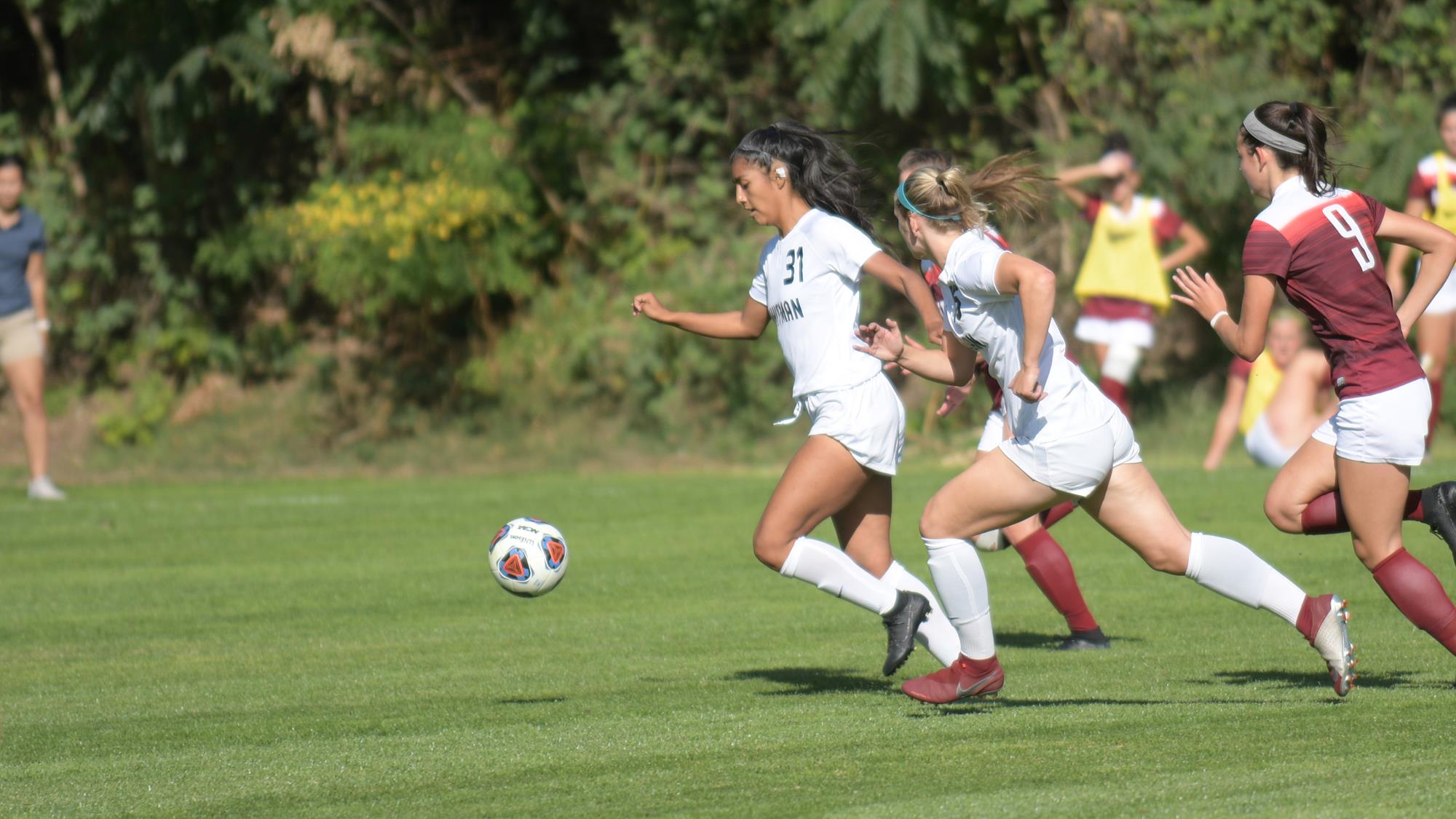
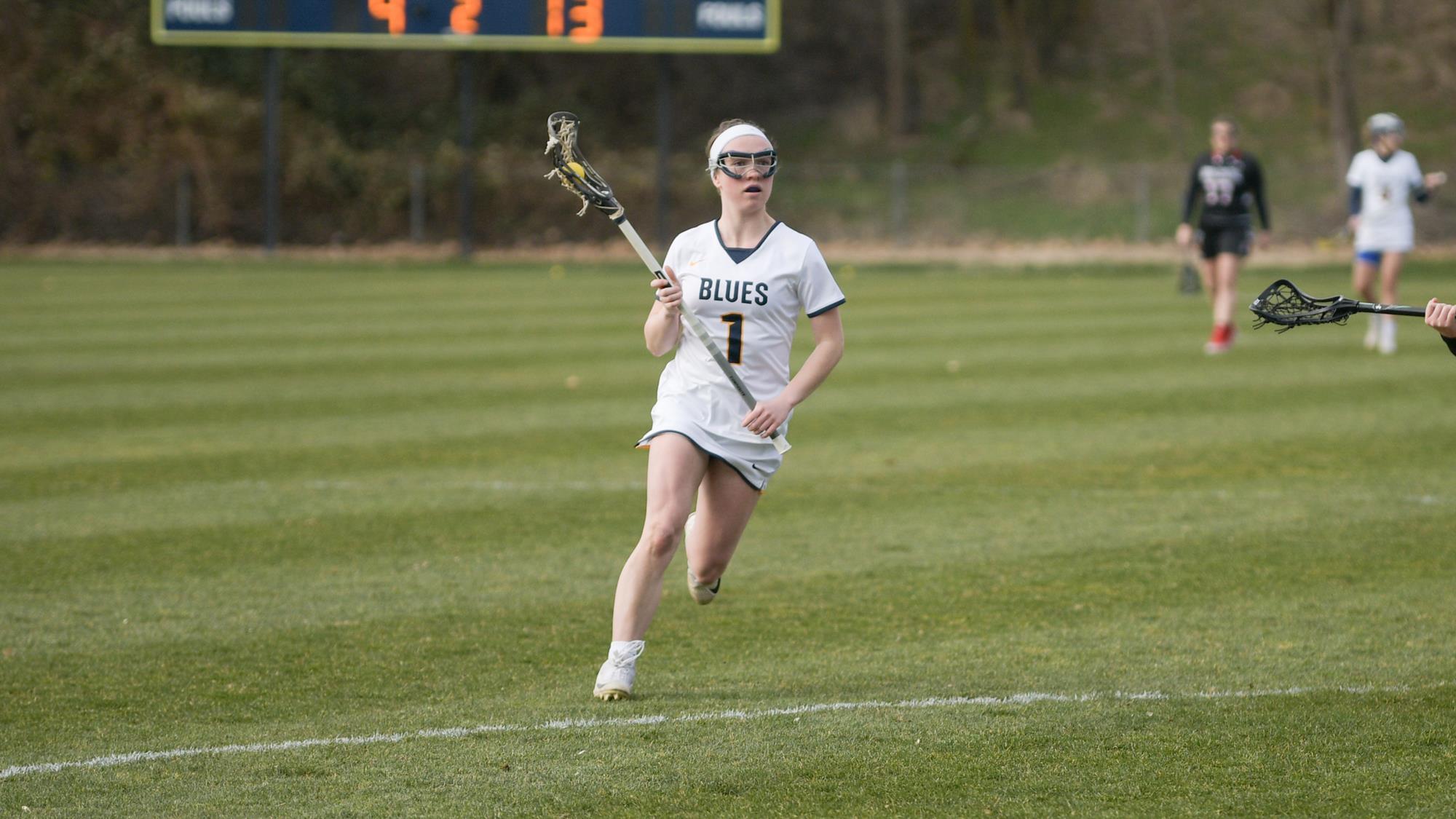
First and foremost, I understand our Athletic Directors desire to have a playing surface that is consistent, for men's and women's soccer, women's lacrosse, and any other varsity, club or intramural sports that may use the field. Artificial turf, on paper could be used by more teams, but we also have to remember the use of other natural grass spaces on campus, that occupy their own special and unique places, like Harper Joy and Ankeny, which can also be replaced with new natural grass.
Some of the biggest health concerns that come from installing artificial turf are the "forever chemicals" ("forever" because they don't naturally break down), or PFA's. These chemicals are linked to cancer, liver problems, thyroid issues, birth defects, kidney disease, decreased immunity and other serious health problems and affect humans and wildlife alike. "The U.S. Environmental Protection Agency launched an effort last year to limit pollution from those chemicals because they're linked to health problems such as cancer and low birth weight. In June, the EPA released new health advisories around PFAS in drinking water, too – and now over 20 states have proposed or adopted limits." https://www.usatoday.com/story/news/nation/2022/10/06/forever-chemicals-deer-fish-hunting-tourism/8194617001/
The chemicals in artificial turf would affect our environment at large. PFA's can be absorbed through the skin, inhaled, ingested, or get in open wounds. These chemicals also, from the water runoff from artificial turf will get into water supplies that we and our environment rely upon. Communities downstream of the Walla River river are at risk of having these chemicals in their drinking water. The chemicals from artificial turf also emit high levels of methane, a potent greenhouse gas. https://www.theguardian.com/environment/2022/sep/30/boston-bans-artificial-turf-toxic-forever-chemicals-pfas
Other health concerns regard injury concerns for the users of the field. Xiao et al., 2022 find that artificial turf significantly increases the risk of ACL injury for female but not male soccer players compared to natural grass. That being said, datafrom the NFL players association (NFLPA), a male sports league, show that artifical turf is significantly harder on the body than natural grass. “Specifically, players have a 28% higher rate of non-contact lower extremity injuries when playing on artificial turf. Of those non-contact injuries, players have a 32% higher rate of non-contact knee injuries on turf and a staggering 69% higher rate of non-contact foot/ankle injuries on turf compared to grass.” (NFLPA). Artificial turf negatively impacts the bodies of all who use it when compared to natural grass.
The NFLPA suggest that NFL clubs should proactively change all field surfaces to natural grass, FIFA has banned artificial turf from the 2023 Women’s World Cup. Top professional athletes don't want to play on artificial turf because they know the wear and tear it has on their bodies, and the increased risk of injury that comes from playing on it; athletic leagues and organizations are beginning to recognize this as well.
Whitman used to have one of, if not the best natural grass fields in the Northwest Conference, allegedly better than Whitworth's current field. Part of the issue is that the groundskeeper who was maintaining the natural grass field left, on top of which our current field is 22-23 years old when its typical lifespan is of 20 years.
Installing a new natural grass field is much cheaper than installing a new artificial turf field, and natural grass has a longer lifespan than artificial turf. If artificial turf guidelines are upheld, artifical turf fields should be replaced every 8-10 years. Additional resources from installing natural grass instead of artificial turf could go towards hiring a groundskeeper to help maintain it. The cost of installing and maintaining a natural grass field and hiring a groundskeeper may be so much less than the cost of installing the artificial turf field that there may be additional funds that could go towards future projects within the athletics department.
Halting the construction of an artificial turf field would leave the athletics department with lots of funds, funds that could be redirected into a new natural grass field and a groundskeeper. A groundskeeper could at the very least work with the natural grass field we currently have, still improving the field condition for the athletic teams 2023 season's. When it comes to the immediacy of a new field, we must not forget about the long-term consequences of our actions.
Coming from Seattle, where artificial turf is everywhere, and coming to Whitman and seeing natural grass fields (for both Varsity and Club/Intramural teams) was a huge point of attraction for me. And concerning at least my very own men's soccer team, I know the natural grass is a huge point in recruiting for our coach Cedeno, and has led to the strong men's soccer program the college has today.
Ground is planned to be broken for a new artificial turf field in just over a month, so we must act quick to halt this process. As of right now, there is a group of current and former environmental studies professors, as well as other people genuinely concerned with practicing climate friendly behavior pressuring the administration involved in this decision making process.
I honestly don't know how we, as athletes and climate conscious students, can affect the decision making process, but I do know that Whitman is not only the administration, but also the student body, and our voices must be heard. The administration must listen if they are to be a truly progressive, environmentally friendly, and empathetic institution. Let's not let this get away from us.
Petition Updates
Share this petition
Petition created on February 15, 2023