
Access to medical cannabis in healthcare facilities for patients who are terminal ill
The Issue
RYAN’S LAW (SB 311)
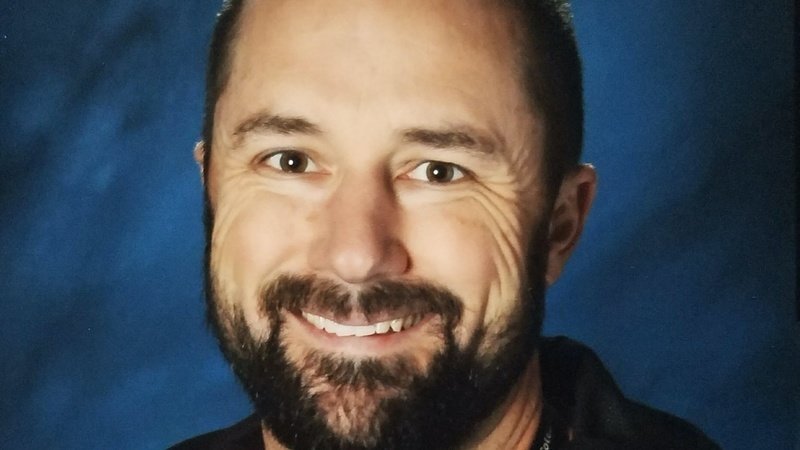
About Ryan Bartell:
Ryan Bartell grew up in Santee, California and was always a highly-active and compassionate person. In high school, he excelled in academics and graduated with honors. He was active in school clubs and several sports, earning all-state honors for cross country his junior and senior years. He was recruited by several colleges and ultimately attended the University of New Mexico, where he ran track and cross country for four years. After college, Ryan served for four years in the United States Coast Guard.
Following his service in the Coast Guard, Ryan worked in special education. He and his wife, Katie, both worked mainly with autistic children. Ryan was a compassionate and patient teacher, and was very effective with his students. Ryan and Katie have a 11-year-old son, Conor.
Ryan’s Story:
Ryan Bartell was just 41 years old when he was diagnosed with stage 4 pancreatic cancer in 2018. He immediately sought conventional treatments of chemotherapy but the cancer had spread throughout his body. Within a month’s time, Ryan required 24-hour care and was hospitalized near his home. In the hospital, he was given strong opioids – morphine and fentanyl – for his pain management, which mainly put him to sleep.
During one of his rare waking moments, Ryan said he did not want to spend his last few weeks sleeping. He wanted to be able to spend quality time with his family and friends. A close family friend recommended medical cannabis as an alternative, to which Ryan agreed.
However, Ryan and his family were informed by the hospital that it was their policy not to allow cannabis in the hospital. They were then forced to look for a different facility that would allow Ryan to use his medical cannabis to help manage his pain effectively. Finally, after weeks of searching, they found a facility in Washington that did.
Because he couldn’t swallow anything, not even water, a medical cannabis chemist created a medical cannabis suppository designed to slow the growth of the cancer and two medical cannabis sprays under the tongue for pain relief. He also used medical cannabis patches for anxiety relief.
The changes were remarkable. Ryan was alert and speaking to his family and friends – without pain. Whereas before he was asleep from the fentanyl, medical cannabis provided Ryan with a quality of life that allowed him to have much needed conversations with his family, and time to reminisce and laugh with his many friends who came to visit. Sadly, Ryan only lived a few more short weeks.
Every terminally-ill patient deserves the same opportunity as Ryan: to spend their final days with as much quality and dignity as possible. SB 311 would provide that compassionate access to Californians who continue to suffer without it.

458
The Issue
RYAN’S LAW (SB 311)
About Ryan Bartell:
Ryan Bartell grew up in Santee, California and was always a highly-active and compassionate person. In high school, he excelled in academics and graduated with honors. He was active in school clubs and several sports, earning all-state honors for cross country his junior and senior years. He was recruited by several colleges and ultimately attended the University of New Mexico, where he ran track and cross country for four years. After college, Ryan served for four years in the United States Coast Guard.
Following his service in the Coast Guard, Ryan worked in special education. He and his wife, Katie, both worked mainly with autistic children. Ryan was a compassionate and patient teacher, and was very effective with his students. Ryan and Katie have a 11-year-old son, Conor.
Ryan’s Story:
Ryan Bartell was just 41 years old when he was diagnosed with stage 4 pancreatic cancer in 2018. He immediately sought conventional treatments of chemotherapy but the cancer had spread throughout his body. Within a month’s time, Ryan required 24-hour care and was hospitalized near his home. In the hospital, he was given strong opioids – morphine and fentanyl – for his pain management, which mainly put him to sleep.
During one of his rare waking moments, Ryan said he did not want to spend his last few weeks sleeping. He wanted to be able to spend quality time with his family and friends. A close family friend recommended medical cannabis as an alternative, to which Ryan agreed.
However, Ryan and his family were informed by the hospital that it was their policy not to allow cannabis in the hospital. They were then forced to look for a different facility that would allow Ryan to use his medical cannabis to help manage his pain effectively. Finally, after weeks of searching, they found a facility in Washington that did.
Because he couldn’t swallow anything, not even water, a medical cannabis chemist created a medical cannabis suppository designed to slow the growth of the cancer and two medical cannabis sprays under the tongue for pain relief. He also used medical cannabis patches for anxiety relief.
The changes were remarkable. Ryan was alert and speaking to his family and friends – without pain. Whereas before he was asleep from the fentanyl, medical cannabis provided Ryan with a quality of life that allowed him to have much needed conversations with his family, and time to reminisce and laugh with his many friends who came to visit. Sadly, Ryan only lived a few more short weeks.
Every terminally-ill patient deserves the same opportunity as Ryan: to spend their final days with as much quality and dignity as possible. SB 311 would provide that compassionate access to Californians who continue to suffer without it.


Petition Updates
Share this petition
Petition created on May 19, 2021