Take action to prevent Delhi and surrounding areas from becoming gas chambers every year!!
The Issue
To the people of the nation,
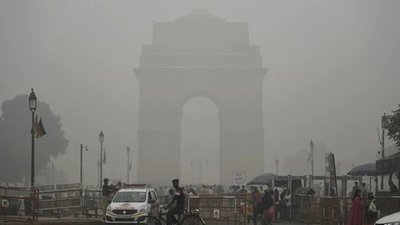
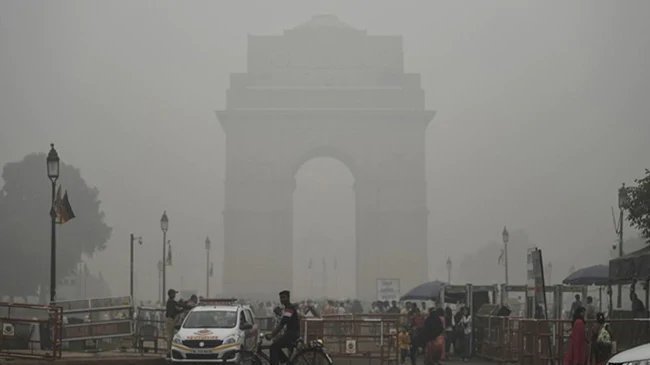
We must all stand together to save our national capital and all the regions that surround it. Every year in the winter, the region is engulfed in toxic smoke that makes it impossible to breathe and even impossible to see. It is time that we as citizens of the nation demand action from the government and raise our voices against the environmental atrocities being committed. Year after year, the region faces the same problem. Yet, the authorities choose to ignore the problem while the health of citizens of the country deteriorates.
The problem explained:
Delhi, Ghaziabad, Noida, Gurugram and greater Noida all feature in the top 10 most polluted cities in the world. Every year, from October to February, the air quality turns hazardous in the region.
The geographical factors:
Air pollution in Delhi and the whole of the Indo Gangetic Plains is a complex phenomenon that is dependent on a variety of factors. The first and foremost is the input of pollutants, followed by weather and local conditions.
October usually marks the withdrawal of monsoons in Northwest India. During monsoons, the prevalent direction of the wind is easterly. These winds, which travel from over the Bay of Bengal, carry moisture and bring rains to this part of the country. Once monsoon withdraws, the predominant direction of winds changes to northwesterly. During summers, too, the direction of the wind is northwesterly and storms carrying dust from Rajasthan and sometimes Pakistan and Afghanistan. According to a peer-reviewed study conducted by scientists at the National Physical Laboratory, 72 per cent of Delhi’s wind in winters comes from the northwest, while the remaining 28 per cent comes from the Indo-Gangetic plains.
Along with the change in wind direction, the dip in temperatures is also behind the increased pollution levels. As temperature dips, the inversion height — which is the layer beyond which pollutants cannot disperse into the upper layer of the atmosphere – is lowered. The concentration of pollutants in the air increases when this happens.
Also, high-speed winds are very effective at dispersing pollutants, but winters bring a dip in wind speed overall as compared to in summers. The combination of these meteorological factors makes the region prone to pollution. When factors such as farm fires and dust storms are added to the already high base pollution levels in the city, air quality dips further.
The role of farm fires:
Farm fires have been an easy way to get rid of paddy stubble quickly and at low cost for several years. With the use of combine harvesters, the practice became more common as the harvester leaves behind tall stalks, which have to be removed before replanting. But the practice gained widespread acceptance starting 2009 when the governments of Punjab and Haryana passed laws delaying the sowing of paddy. The aim of passing this law was to conserve groundwater as the new sowing cycle would coincide with monsoons and less water would be extracted. This, however, left very little time for farmers to harvest paddy, clear fields and sow wheat for the next cycle. The paddy straw and stalks have high silica content and are not used to feed livestock. The easiest, but the least productive, way to get rid of it is to set it on fire.
A 2015 source-apportionment study on Delhi’s air pollution conducted by IIT-Kanpur also states that 17-26% of all particulate matter in Delhi in winters is because of biomass burning. Over the years, the System of Air Quality and Weather Forecasting And Research (SAFAR) has developed a system to calculate the contribution of stubble burning to Delhi’s pollution.
The action taken:
Neither the central government nor the state governments have taken any action regarding the same. What has ensued is a blame game, with state governments blaming each other. The Delhi government blames Punjab and Haryana for stubble burning. The Punjab and Haryana governments blame the pollution to vehicular fumes that arise in Delhi itself.
What we demand:
1. Create a 5-state policy to tackle air pollution in NCR. This, in addition to whatever emergency measures need to be taken to tackle the ongoing situation.
2. Incentivise farmers to not burn the stubble via monetary incentives. For example, Ikea buys the stubble from the farmers to turn it into furniture. The governments must come together to think of innovative solutions.
3. There is no quick fix for reducing air pollution, it requires progressively closing worst offenders first and fast, not permitting any more coal-fired plants to be built (including stopping construction), rapidly retrofitting existing plants, well-trained staff and strengthened regulation and monitoring.
4. As quickly as possible construct solar PV facilities with equal or greater capacity to selected power stations, with grid-scale battery storage; starting with the oldest and worst polluting first. These could be on or adjacent to the land occupied by the power station, or on city outskirts next to major transmission lines. Progressively decommission each coal-fired power station as its solar PV facility is constructed and progressively comes on-line.
5. Rapidly increase the number of air pollution monitoring stations, especially across northern India, locations to be selected, in part, on the basis of local air pollution knowledge. The aim would be to have at least two hundred installed, staffed and operational within one year; stations to be relocated as necessary.

68
The Issue
To the people of the nation,
We must all stand together to save our national capital and all the regions that surround it. Every year in the winter, the region is engulfed in toxic smoke that makes it impossible to breathe and even impossible to see. It is time that we as citizens of the nation demand action from the government and raise our voices against the environmental atrocities being committed. Year after year, the region faces the same problem. Yet, the authorities choose to ignore the problem while the health of citizens of the country deteriorates.
The problem explained:
Delhi, Ghaziabad, Noida, Gurugram and greater Noida all feature in the top 10 most polluted cities in the world. Every year, from October to February, the air quality turns hazardous in the region.
The geographical factors:
Air pollution in Delhi and the whole of the Indo Gangetic Plains is a complex phenomenon that is dependent on a variety of factors. The first and foremost is the input of pollutants, followed by weather and local conditions.
October usually marks the withdrawal of monsoons in Northwest India. During monsoons, the prevalent direction of the wind is easterly. These winds, which travel from over the Bay of Bengal, carry moisture and bring rains to this part of the country. Once monsoon withdraws, the predominant direction of winds changes to northwesterly. During summers, too, the direction of the wind is northwesterly and storms carrying dust from Rajasthan and sometimes Pakistan and Afghanistan. According to a peer-reviewed study conducted by scientists at the National Physical Laboratory, 72 per cent of Delhi’s wind in winters comes from the northwest, while the remaining 28 per cent comes from the Indo-Gangetic plains.
Along with the change in wind direction, the dip in temperatures is also behind the increased pollution levels. As temperature dips, the inversion height — which is the layer beyond which pollutants cannot disperse into the upper layer of the atmosphere – is lowered. The concentration of pollutants in the air increases when this happens.
Also, high-speed winds are very effective at dispersing pollutants, but winters bring a dip in wind speed overall as compared to in summers. The combination of these meteorological factors makes the region prone to pollution. When factors such as farm fires and dust storms are added to the already high base pollution levels in the city, air quality dips further.
The role of farm fires:
Farm fires have been an easy way to get rid of paddy stubble quickly and at low cost for several years. With the use of combine harvesters, the practice became more common as the harvester leaves behind tall stalks, which have to be removed before replanting. But the practice gained widespread acceptance starting 2009 when the governments of Punjab and Haryana passed laws delaying the sowing of paddy. The aim of passing this law was to conserve groundwater as the new sowing cycle would coincide with monsoons and less water would be extracted. This, however, left very little time for farmers to harvest paddy, clear fields and sow wheat for the next cycle. The paddy straw and stalks have high silica content and are not used to feed livestock. The easiest, but the least productive, way to get rid of it is to set it on fire.
A 2015 source-apportionment study on Delhi’s air pollution conducted by IIT-Kanpur also states that 17-26% of all particulate matter in Delhi in winters is because of biomass burning. Over the years, the System of Air Quality and Weather Forecasting And Research (SAFAR) has developed a system to calculate the contribution of stubble burning to Delhi’s pollution.
The action taken:
Neither the central government nor the state governments have taken any action regarding the same. What has ensued is a blame game, with state governments blaming each other. The Delhi government blames Punjab and Haryana for stubble burning. The Punjab and Haryana governments blame the pollution to vehicular fumes that arise in Delhi itself.
What we demand:
1. Create a 5-state policy to tackle air pollution in NCR. This, in addition to whatever emergency measures need to be taken to tackle the ongoing situation.
2. Incentivise farmers to not burn the stubble via monetary incentives. For example, Ikea buys the stubble from the farmers to turn it into furniture. The governments must come together to think of innovative solutions.
3. There is no quick fix for reducing air pollution, it requires progressively closing worst offenders first and fast, not permitting any more coal-fired plants to be built (including stopping construction), rapidly retrofitting existing plants, well-trained staff and strengthened regulation and monitoring.
4. As quickly as possible construct solar PV facilities with equal or greater capacity to selected power stations, with grid-scale battery storage; starting with the oldest and worst polluting first. These could be on or adjacent to the land occupied by the power station, or on city outskirts next to major transmission lines. Progressively decommission each coal-fired power station as its solar PV facility is constructed and progressively comes on-line.
5. Rapidly increase the number of air pollution monitoring stations, especially across northern India, locations to be selected, in part, on the basis of local air pollution knowledge. The aim would be to have at least two hundred installed, staffed and operational within one year; stations to be relocated as necessary.
Petition Updates
Share this petition
Petition created on 23 November 2020