

Freedom to Learn, Freedom to Choose: Petition on School Haircut Policy.
Freedom to Learn, Freedom to Choose: Petition on School Haircut Policy.
The Issue
Introduction
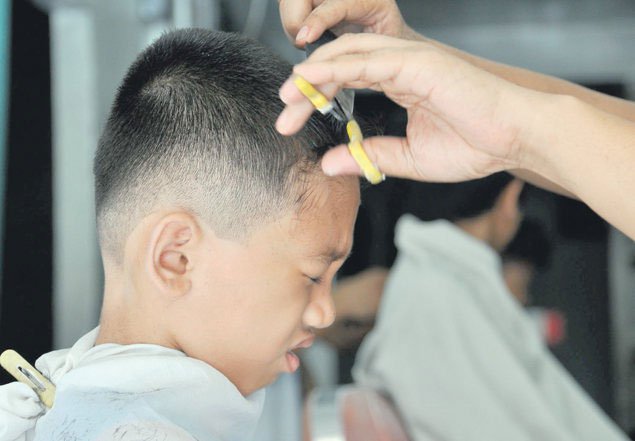
We are concerned students from San Jose Litex Senior High School (SJLSHS), specifically 11-Stem students. We are starting this petition because we have witnessed firsthand how our school's focus on policing students' hair length has become a detrimental distraction from our primary goal: education. We go to school to learn, to think critically, and to prepare for a diverse world, yet they are being judged, disciplined, and even going to the guidance office not for their character or academic performance, but for the length of their hair.
This issue is not about encouraging rebellion; it is about championing a modern, inclusive, and effective learning environment. We believe that a student's ability to absorb lessons, write an essay, or understand topics is in no way connected to whether their hair touches their collar. These outdated policies foster anxiety and discrimination, targeting male students and enforcing rigid gender stereotypes. Educational institutions should focus on developing students' minds and well-being, not superficial grooming standards.
Background Information
In the Philippines, the Department of Education (DepEd) previously had a rule in its "Learners' Discipline Manual" that required boys haircuts to be at least 1 inch above the ear and 3 inches above the collar line.
The haircut policy was first introduced depends on the context, but in the Philippines, the Department of Education (DepEd) has a standing policy based on the 2000 DECS (Department of Education, Culture, and Sports) Service Manual that includes rules on student haircuts for male students, a policy reflected in current DepEd Guidelines for Discipline Manuals.
Impact
Is it really just hair that gets affected? Well for us, it's much deeper than that. There's a popular note saying that, A boy's haircut is his makeup. Makeup for what? It's a makeup in order to aid their confidence, to make them feel secure, and go throughout their days without the fear of getting judged. Men's hair being the only thing left for them, to even have a tiny bit of confidence. And a strict haircut policy is sure to affect different boys' chances of expressing themselves. And also based on different concluded researches, theres evidence and local reports that show enforced haircuts cause anxiety, shame, depression and lowered self-esteem, which can reduce concentration and academic performance.
But it doesn’t end there. A haircut policy also impacts how students perceive authority and freedom. When rules feel unnecessary or overly strict, it creates resentment instead of respect. Instead of focusing on learning, students begin to associate school with control and punishment, which may harm their relationship with education itself.
Call to Action
We urge the school administration and DepEd to revise the current hair policy and allow students to keep their natural hair as long as it is neat and does not disrupt learning. Updating this rule will promote fairness, reduce discrimination, and let students focus on their education while upholding their right to dignity and self-expression.
Benefits of Action
By aiming this change it allows students freedom for their own hairstyle, honors cultural identity, self-expression, and self-confidence. Students can also be themselves, and it encourages interaction with peers, academic performance, and self-esteem because we believe that respecting individuals hairstyle preferences promotes equality and diversity.

27
The Issue
Introduction
We are concerned students from San Jose Litex Senior High School (SJLSHS), specifically 11-Stem students. We are starting this petition because we have witnessed firsthand how our school's focus on policing students' hair length has become a detrimental distraction from our primary goal: education. We go to school to learn, to think critically, and to prepare for a diverse world, yet they are being judged, disciplined, and even going to the guidance office not for their character or academic performance, but for the length of their hair.
This issue is not about encouraging rebellion; it is about championing a modern, inclusive, and effective learning environment. We believe that a student's ability to absorb lessons, write an essay, or understand topics is in no way connected to whether their hair touches their collar. These outdated policies foster anxiety and discrimination, targeting male students and enforcing rigid gender stereotypes. Educational institutions should focus on developing students' minds and well-being, not superficial grooming standards.
Background Information
In the Philippines, the Department of Education (DepEd) previously had a rule in its "Learners' Discipline Manual" that required boys haircuts to be at least 1 inch above the ear and 3 inches above the collar line.
The haircut policy was first introduced depends on the context, but in the Philippines, the Department of Education (DepEd) has a standing policy based on the 2000 DECS (Department of Education, Culture, and Sports) Service Manual that includes rules on student haircuts for male students, a policy reflected in current DepEd Guidelines for Discipline Manuals.
Impact
Is it really just hair that gets affected? Well for us, it's much deeper than that. There's a popular note saying that, A boy's haircut is his makeup. Makeup for what? It's a makeup in order to aid their confidence, to make them feel secure, and go throughout their days without the fear of getting judged. Men's hair being the only thing left for them, to even have a tiny bit of confidence. And a strict haircut policy is sure to affect different boys' chances of expressing themselves. And also based on different concluded researches, theres evidence and local reports that show enforced haircuts cause anxiety, shame, depression and lowered self-esteem, which can reduce concentration and academic performance.
But it doesn’t end there. A haircut policy also impacts how students perceive authority and freedom. When rules feel unnecessary or overly strict, it creates resentment instead of respect. Instead of focusing on learning, students begin to associate school with control and punishment, which may harm their relationship with education itself.
Call to Action
We urge the school administration and DepEd to revise the current hair policy and allow students to keep their natural hair as long as it is neat and does not disrupt learning. Updating this rule will promote fairness, reduce discrimination, and let students focus on their education while upholding their right to dignity and self-expression.
Benefits of Action
By aiming this change it allows students freedom for their own hairstyle, honors cultural identity, self-expression, and self-confidence. Students can also be themselves, and it encourages interaction with peers, academic performance, and self-esteem because we believe that respecting individuals hairstyle preferences promotes equality and diversity.
27
Petition Updates
Share this petition
Petition created on September 19, 2025