

Free FuQuan, An Innocent Man Wrongfully Incarcerated Since 1997
The Issue
“Geta” Yalew was working as a cashier at the Christy’s in Fenway in April of 1997. He had been a teacher in his native Ethiopia and he sent money back to his family from the United States. He was killed on April 16, 1997, sometime between 2:00 and 3:00 A.M., during an apparent robbery of the store. He was shot once in the head, police believed, while he was laying down behind the counter. There were no witnesses to the murder. There was no video from the store. There was no physical evidence connecting anyone to the shooting. Indeed, the only clue about the circumstances of the crime was the absence of any shell casings at the scene, which suggested to the police that the firearm involved in the shooting was a revolver rather than a semi-automatic weapon. Both Christy’s and the police publicized cash rewards to anyone with information about the crime, but even after three months of investigation, police were no closer to making an arrest than they had been on the night of the murder.
On July 1, 1997, all of that changed. It was then that the police reportedly got their first break in the case. A friend of Fu-Quan’s mother, who was living as a houseguest in Fu-Quan’s home on the night of the murder, came forward and told police that she was with Fu-Quan during the early morning hours of April 16th; that he had left the apartment late at night; and that when he returned, Fu-Quan confessed to the killing. The witness’s story was not corroborated by any physical evidence, but there was surveillance video footage from that night showing the woman and Fu-Quan together at a different convenience store less than an hour after the murder occurred. Days later, Boston Police used the female witness’s statements to persuade the Superior Court to issue warrants to arrest Fu-Quan and to search his residence.
The search produced little evidence, but police fixated on a photograph found taped to Fu-Quan’s bedroom wall. The photo depicted Fu-Quan’s childhood friend, holding two guns in his hands—one a revolver. Police came to believe, based on the revolver’s appearance, that it could be the type of gun that was used in the murder. Days later, armed with this seemingly inculpatory photograph, homicide detectives confronted the childhood friend, who was intoxicated and was only 15 years old. He denied knowing anything about the murder, but detectives showed the childhood friend the picture of him holding the murder weapon. They then falsely told him that his friend Rickey (Fu-Quan) would testify against him. The childhood friend changed his story and instead implicated Fu-Quan. On the strength of these two witnesses, Fu-Quan was convicted of first-degree murder.
Twenty-seven years later, in March of 2024, Fu-Quan and his legal team filed a motion for new trial in the Suffolk Superior Court, asking a judge to reverse his conviction and allow him a new trial. As grounds, Fu-Quan argued that the “family friend” who had reported that Fu-Quan confessed had been lying; that she had been paid off; that she was in trouble herself with police; and that she had struck a deal to testify in return for favorable treatment from the police. The motion also presented two new affidavits from people averring that this witness was committing criminal acts of fraud, but that the police had looked the other way—going so far as to threaten these witnesses to keep them from reporting her crimes. This evidence was kept from Fu-Quan at his trial.
At the same time, police also appear to have suppressed evidence of a different culprit. New evidence shows that another man, a drug dealer, was arrested the night after the murder not far from the Christy’s. That man matched the only description police had of an individual observed leaving the scene of the shooting as being black and 5’6” tall (Fu-Quan is 6’ tall). This man had also robbed a different convenience store in the area at gunpoint around the same time as Christy’s was robbed, and threatened the cashier. Shockingly, he had also admitted to police that he possessed the gun that the police believed was the murder weapon. Furthermore, this suspect lived in more than one home owned by a Boston Police detective. This evidence, too, was kept from Fu-Quan at trial.
Fu-Quan’s motion also argues that police coerced his 15 year old friend into implicating Fu-Quan by falsely telling him that Fu-Quan was going to testify against him, and by interviewing him while he was drunk. Newly available science concerning the factors that place juvenile suspects and witnesses at increased risk of coerced false statements reveals that his childhood friend’s age, intoxication, and heightened susceptibility to police deception all cast doubt on the reliability of his statement.
Finally, the Commonwealth withheld other evidence that would have shown the ballistician, Detective George Foley, was not reliable. Internal police records reveal that Foley—according to his own superiors in the police department—had “lost contact with reality.” But at trial, the Commonwealth characterized Foley as an experienced, credible expert witness.
In addition, newly disclosed records reveal that Foley signed two conflicting affidavits concerning the apparent murder weapon four days apart. Only one of these affidavits was given to Fu-Quan’s lawyer before his trial.
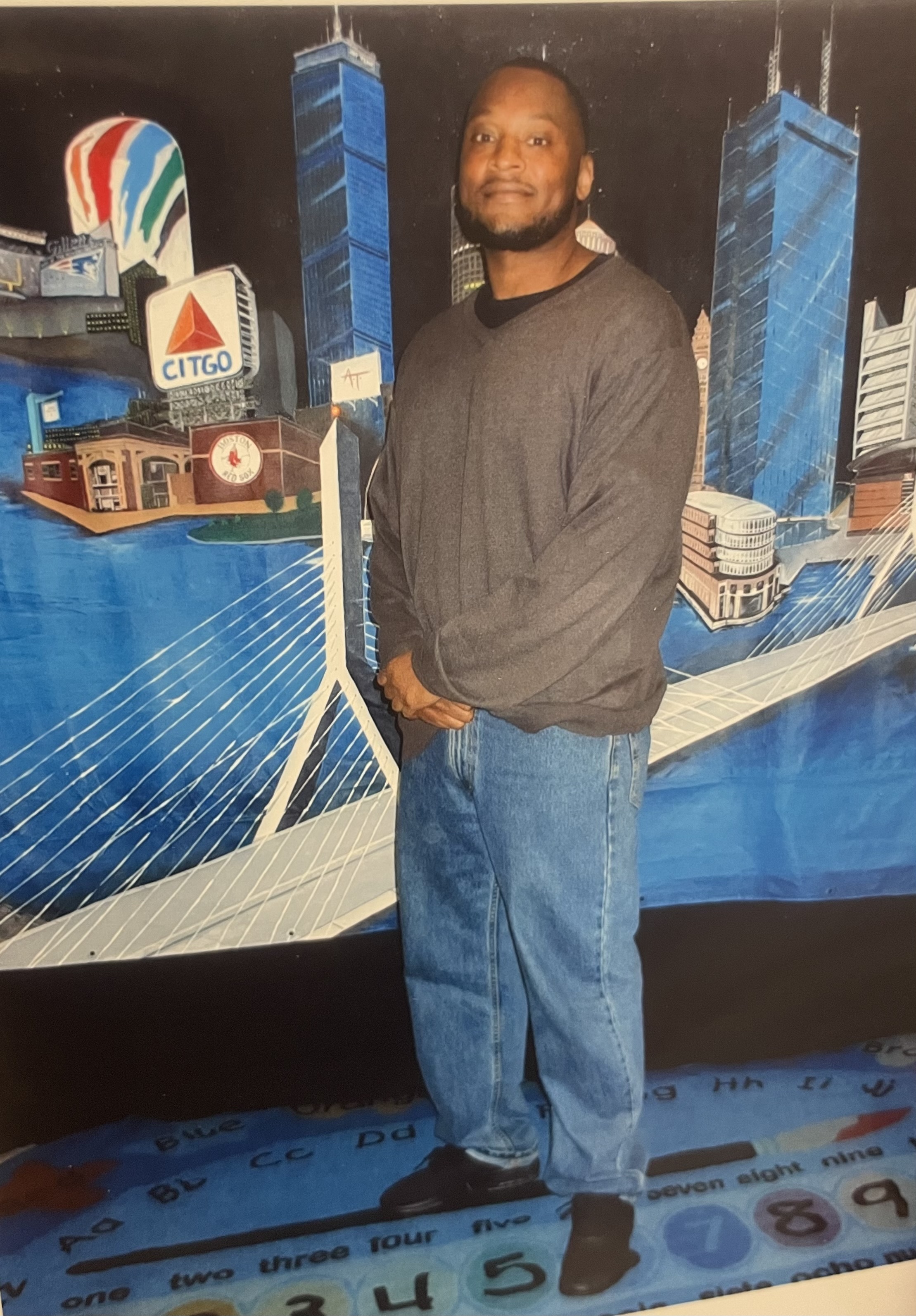
Today, despite his incarceration, Fu-Quan remains focused, disciplined and mentally free. He is 46 years old. He doesn’t drink, smoke, or consume unhealthy foods or thoughts. He is a relentlessly positive force in his community. Fu-Quan has been described as a “beacon of light” by his peers. Others describe him as a leader, a mentor, and a counselor. He describes himself to be an organizer, educator, and crisis manager. His loved ones know him to be loving, caring and inspiring. He’s never stopped working on his case, and volunteers his time to educate others on how to legally advocate for themselves in their own fight for freedom.
Fu-Quan has done all he can to be a positive force in a negative environment. At Norfolk, he has served as the senior consultant for its board of directors of MCI Norfolk’s African American Coalition Committee since 2020. He teaches everything from conflict resolution, to law, to personal advocacy, to how to write legislative bills. He is the principal administrator of programs like Second Thoughts, The Harriet Tubman Project and reentry fairs in the prison. Fu-Quan’s civic engagement is documented in the partnerships he’s built with organizations such as Teen Empowerment, Harvard University, Boston University and many more. One of his proudest accomplishments is the legal work he has done with state legislatures to combat structural and institutional racism in correctional facilities.
Despite all of his accomplishments, the reality is that Fu-Quan remains an innocent man living his life behind bars. He is still fighting for his freedom every day. We hope you can share Fu-Quan’s story so we can save this innocent man from dying in prison. Further, we should all be aware of the issues that put Fu-Quan in prison in the first place, so that we may save other men, women and children like him, and the generations coming behind him from facing the same injustices.
Learn More about Fu-Quan at www.FreeFuquan.com
Please sign this petition with his liberation in mind. Fuquan could be your brother, he could be your son, he could your father, he could be your friend, he could be YOU!

Petition Closed
The Issue
“Geta” Yalew was working as a cashier at the Christy’s in Fenway in April of 1997. He had been a teacher in his native Ethiopia and he sent money back to his family from the United States. He was killed on April 16, 1997, sometime between 2:00 and 3:00 A.M., during an apparent robbery of the store. He was shot once in the head, police believed, while he was laying down behind the counter. There were no witnesses to the murder. There was no video from the store. There was no physical evidence connecting anyone to the shooting. Indeed, the only clue about the circumstances of the crime was the absence of any shell casings at the scene, which suggested to the police that the firearm involved in the shooting was a revolver rather than a semi-automatic weapon. Both Christy’s and the police publicized cash rewards to anyone with information about the crime, but even after three months of investigation, police were no closer to making an arrest than they had been on the night of the murder.
On July 1, 1997, all of that changed. It was then that the police reportedly got their first break in the case. A friend of Fu-Quan’s mother, who was living as a houseguest in Fu-Quan’s home on the night of the murder, came forward and told police that she was with Fu-Quan during the early morning hours of April 16th; that he had left the apartment late at night; and that when he returned, Fu-Quan confessed to the killing. The witness’s story was not corroborated by any physical evidence, but there was surveillance video footage from that night showing the woman and Fu-Quan together at a different convenience store less than an hour after the murder occurred. Days later, Boston Police used the female witness’s statements to persuade the Superior Court to issue warrants to arrest Fu-Quan and to search his residence.
The search produced little evidence, but police fixated on a photograph found taped to Fu-Quan’s bedroom wall. The photo depicted Fu-Quan’s childhood friend, holding two guns in his hands—one a revolver. Police came to believe, based on the revolver’s appearance, that it could be the type of gun that was used in the murder. Days later, armed with this seemingly inculpatory photograph, homicide detectives confronted the childhood friend, who was intoxicated and was only 15 years old. He denied knowing anything about the murder, but detectives showed the childhood friend the picture of him holding the murder weapon. They then falsely told him that his friend Rickey (Fu-Quan) would testify against him. The childhood friend changed his story and instead implicated Fu-Quan. On the strength of these two witnesses, Fu-Quan was convicted of first-degree murder.
Twenty-seven years later, in March of 2024, Fu-Quan and his legal team filed a motion for new trial in the Suffolk Superior Court, asking a judge to reverse his conviction and allow him a new trial. As grounds, Fu-Quan argued that the “family friend” who had reported that Fu-Quan confessed had been lying; that she had been paid off; that she was in trouble herself with police; and that she had struck a deal to testify in return for favorable treatment from the police. The motion also presented two new affidavits from people averring that this witness was committing criminal acts of fraud, but that the police had looked the other way—going so far as to threaten these witnesses to keep them from reporting her crimes. This evidence was kept from Fu-Quan at his trial.
At the same time, police also appear to have suppressed evidence of a different culprit. New evidence shows that another man, a drug dealer, was arrested the night after the murder not far from the Christy’s. That man matched the only description police had of an individual observed leaving the scene of the shooting as being black and 5’6” tall (Fu-Quan is 6’ tall). This man had also robbed a different convenience store in the area at gunpoint around the same time as Christy’s was robbed, and threatened the cashier. Shockingly, he had also admitted to police that he possessed the gun that the police believed was the murder weapon. Furthermore, this suspect lived in more than one home owned by a Boston Police detective. This evidence, too, was kept from Fu-Quan at trial.
Fu-Quan’s motion also argues that police coerced his 15 year old friend into implicating Fu-Quan by falsely telling him that Fu-Quan was going to testify against him, and by interviewing him while he was drunk. Newly available science concerning the factors that place juvenile suspects and witnesses at increased risk of coerced false statements reveals that his childhood friend’s age, intoxication, and heightened susceptibility to police deception all cast doubt on the reliability of his statement.
Finally, the Commonwealth withheld other evidence that would have shown the ballistician, Detective George Foley, was not reliable. Internal police records reveal that Foley—according to his own superiors in the police department—had “lost contact with reality.” But at trial, the Commonwealth characterized Foley as an experienced, credible expert witness.
In addition, newly disclosed records reveal that Foley signed two conflicting affidavits concerning the apparent murder weapon four days apart. Only one of these affidavits was given to Fu-Quan’s lawyer before his trial.
Today, despite his incarceration, Fu-Quan remains focused, disciplined and mentally free. He is 46 years old. He doesn’t drink, smoke, or consume unhealthy foods or thoughts. He is a relentlessly positive force in his community. Fu-Quan has been described as a “beacon of light” by his peers. Others describe him as a leader, a mentor, and a counselor. He describes himself to be an organizer, educator, and crisis manager. His loved ones know him to be loving, caring and inspiring. He’s never stopped working on his case, and volunteers his time to educate others on how to legally advocate for themselves in their own fight for freedom.
Fu-Quan has done all he can to be a positive force in a negative environment. At Norfolk, he has served as the senior consultant for its board of directors of MCI Norfolk’s African American Coalition Committee since 2020. He teaches everything from conflict resolution, to law, to personal advocacy, to how to write legislative bills. He is the principal administrator of programs like Second Thoughts, The Harriet Tubman Project and reentry fairs in the prison. Fu-Quan’s civic engagement is documented in the partnerships he’s built with organizations such as Teen Empowerment, Harvard University, Boston University and many more. One of his proudest accomplishments is the legal work he has done with state legislatures to combat structural and institutional racism in correctional facilities.
Despite all of his accomplishments, the reality is that Fu-Quan remains an innocent man living his life behind bars. He is still fighting for his freedom every day. We hope you can share Fu-Quan’s story so we can save this innocent man from dying in prison. Further, we should all be aware of the issues that put Fu-Quan in prison in the first place, so that we may save other men, women and children like him, and the generations coming behind him from facing the same injustices.
Learn More about Fu-Quan at www.FreeFuquan.com
Please sign this petition with his liberation in mind. Fuquan could be your brother, he could be your son, he could your father, he could be your friend, he could be YOU!
Supporter Voices
Petition Updates
Share this petition
Petition created on March 21, 2023