

FOSTERING PUBLIC ACTION FOR PALAWAN PANGOLIN CONSERVATION - It's not too late-yet to save!
The Issue
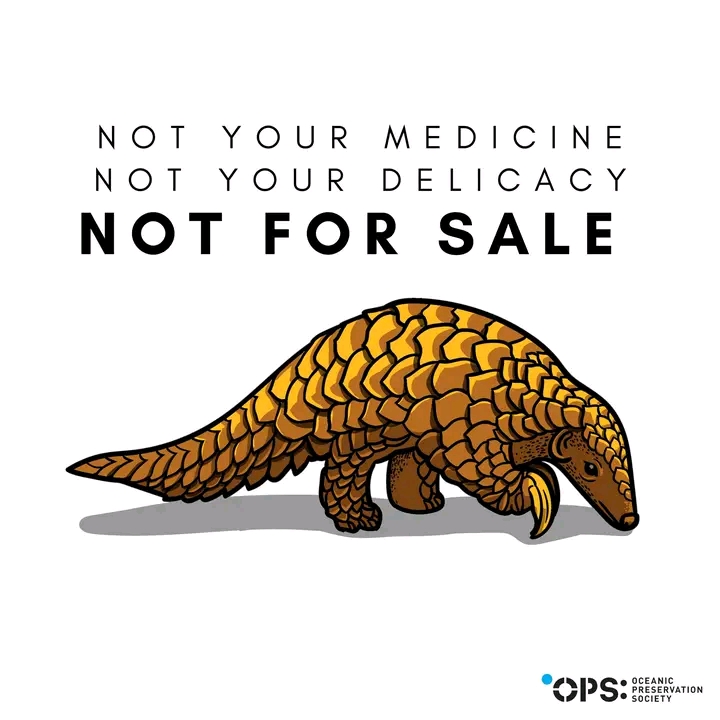
The Province of Palawan is a biodiversity hotspot in the Philippines and home to the endemic Manis culionensis, an Endangered pangolin species locally known as ‘balintong.’ According to available data, their populations are estimated to have halved over the past 30 years due to poaching for local consumption, national and international trade, and habitat loss. Thus, making ‘balintong’ an urgent priority for conservation attention.
Poaching of pangolins and wildlife in general, as well as mining, quarrying, logging and rattan collection, were identified as “threats that have a directly negative impact on pangolins in VAMR.” Production of charcoal, gathering of non-timber forest products, and kaingin or slash-and-burn farming, add to the pressure on pangolin and other native wildlife.
But as local governments and their various agencies put off institutionalizing VAMR’s governance and management structure, Palawan’s pangolins are left vulnerable. The largest ever seizure in the Philippines involved 1,154 kilograms (2,545 pounds) of pangolin scales, or the equivalent of at least 3,900 pangolins, and took place in Palawan’s capital, Puerto Princesa, in September last year.
Moreover, Palawan, touted as the Philippines’ last ecological frontier, hosts 38% of the country’s known wildlife species, many of which are found nowhere else on Earth. VAMR alone is home to 20 endemic species, including the Philippine pangolin. In line with this, PCSD, researchers, local governments and nonprofits have been working for nearly five years now on VAMR’s conservation, protection and sustainable management, all with the goal of eventually declaring the area a critical habitat.
We don’t need a new instrument, we don’t need a new mechanism, and we don’t need a new body to protect our remaining forests. This time around, civil society and indigenous peoples will play an active role in managing the forested area.Time is running out for the endemic and critically endangered Philippine pangolin. The first critical step is to provide on-site protection by putting in place a management plan. Unless we get our acts together, we might witness its extinction in this century.
Pangolins are vital to the balance of ecosystem-but the illegal wildlife trade is threatening their survival. By raising awareness and reducing the demand for pangolin products, we can help safeguard this remarkable forest guardians. TAKE ACTION! Stop animal cruelty specifically here in PALAWAN by signing my petition before it is too late for many species. Join the movement NOW! Help conserve these cute and harmless animals. SAVE BALINTONG!!!
#savethemwithsound
References: https://www.flipscience.ph/nature/save-philippine-pangolin-usaid/
https://www.zsl.org/blogs/conservation/finding-balintong-in-palawan

393
The Issue
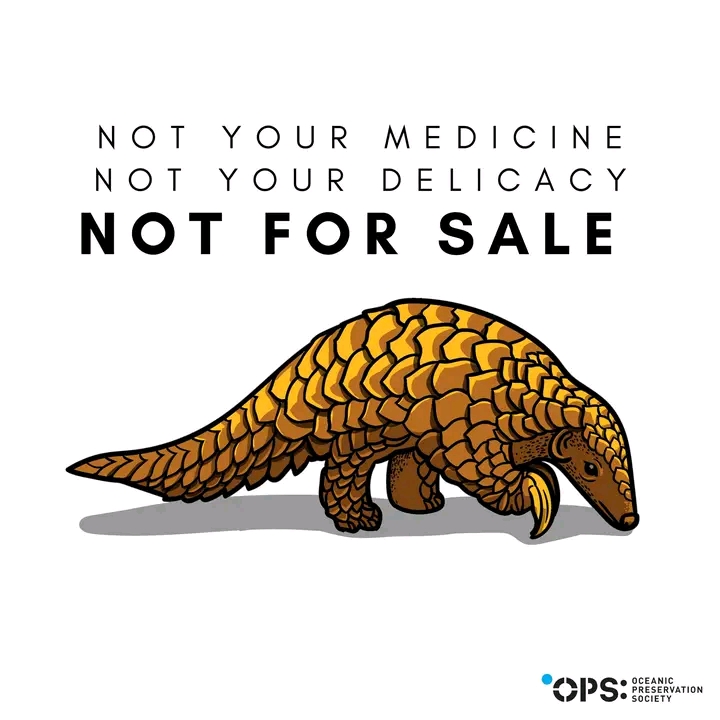
The Province of Palawan is a biodiversity hotspot in the Philippines and home to the endemic Manis culionensis, an Endangered pangolin species locally known as ‘balintong.’ According to available data, their populations are estimated to have halved over the past 30 years due to poaching for local consumption, national and international trade, and habitat loss. Thus, making ‘balintong’ an urgent priority for conservation attention.
Poaching of pangolins and wildlife in general, as well as mining, quarrying, logging and rattan collection, were identified as “threats that have a directly negative impact on pangolins in VAMR.” Production of charcoal, gathering of non-timber forest products, and kaingin or slash-and-burn farming, add to the pressure on pangolin and other native wildlife.
But as local governments and their various agencies put off institutionalizing VAMR’s governance and management structure, Palawan’s pangolins are left vulnerable. The largest ever seizure in the Philippines involved 1,154 kilograms (2,545 pounds) of pangolin scales, or the equivalent of at least 3,900 pangolins, and took place in Palawan’s capital, Puerto Princesa, in September last year.
Moreover, Palawan, touted as the Philippines’ last ecological frontier, hosts 38% of the country’s known wildlife species, many of which are found nowhere else on Earth. VAMR alone is home to 20 endemic species, including the Philippine pangolin. In line with this, PCSD, researchers, local governments and nonprofits have been working for nearly five years now on VAMR’s conservation, protection and sustainable management, all with the goal of eventually declaring the area a critical habitat.
We don’t need a new instrument, we don’t need a new mechanism, and we don’t need a new body to protect our remaining forests. This time around, civil society and indigenous peoples will play an active role in managing the forested area.Time is running out for the endemic and critically endangered Philippine pangolin. The first critical step is to provide on-site protection by putting in place a management plan. Unless we get our acts together, we might witness its extinction in this century.
Pangolins are vital to the balance of ecosystem-but the illegal wildlife trade is threatening their survival. By raising awareness and reducing the demand for pangolin products, we can help safeguard this remarkable forest guardians. TAKE ACTION! Stop animal cruelty specifically here in PALAWAN by signing my petition before it is too late for many species. Join the movement NOW! Help conserve these cute and harmless animals. SAVE BALINTONG!!!
#savethemwithsound
References: https://www.flipscience.ph/nature/save-philippine-pangolin-usaid/
https://www.zsl.org/blogs/conservation/finding-balintong-in-palawan
Petition Updates
Share this petition
Petition created on December 12, 2022