

For the ultimate version of Steven Spielberg's "Hook"
Le problème
A Beloved but Unfinished Film
For more than thirty years, Hook has held a special place in the history of cinema and in the collective memory of audiences. Many people grew up with this film and were deeply marked by its universe, its music, and its characters. Yet even among its admirers, a persistent feeling remains: Hook seems not to have fully realized what it promised.
The film as released in 1991 has great qualities, but it also leaves the impression that an essential part of its heart was left aside. This impression does not stem from a lack of ideas, but rather from a project that was too rich, in which not all of its elements were able to find their place on screen.
A Deeper Intention Than the One Commonly Perceived
Hook is often summarized as a family adventure or as a conflict between an overworked father and his son. Yet this reading represents only part of the project. From the beginning, the film carried a broader ambition: to tell the story of a man who has lost his connection to childhood, to imagination, and to who he once was.
This loss is not trivial. It touches on memory, the passage of time, and the difficulty of growing up without denying oneself. Peter does not merely have to save his children; he must rediscover himself. This idea is clearly established at the start of the film, but it gradually fades, giving way to a narrative that is less coherent and less emotionally powerful than it could have been.
Beneath this loss of childhood lies something more troubling. Peter’s amnesia takes shape as a protective response, gradually distancing him from memories he is unable to confront. By disconnecting from his past, he avoids unresolved wounds rooted in childhood experiences. In this sense, Hook is not only about the recovery of imagination, but about the cost of repression. The film suggests that what is pushed aside does not disappear, it remains present, waiting to resurface.
Characters Deprived of Their Full Impact
In Hook, the children play distinct and meaningful roles. Jack and Maggie represent two contrasting responses to Peter’s emotional absence. Jack gravitates toward structure and authority, seeking recognition and guidance where his father has withdrawn. Maggie, on the other hand, remains guided by empathy and imagination, instinctively resisting the values that dominate Neverland.
Jack’s trajectory is partially explored in the final cut, but its significance is softened. His attraction to Captain Hook reflects more than manipulation; it reveals a child searching for identity and affirmation. Maggie’s role, however, is progressively diminished. As the story advances, she largely disappears from the narrative, despite having been established as an essential emotional counterbalance to Jack.
This absence is particularly striking in light of Maggie’s relationship with the other children of Neverland. Through her interactions with the enslaved children, she takes on a protective and unifying role, offering care and reassurance rather than authority or fear. A more complete version of the film would restore this arc, reinforcing the idea that liberation and healing are not achieved through power alone, but through compassion.
The Music That Speaks Without Words
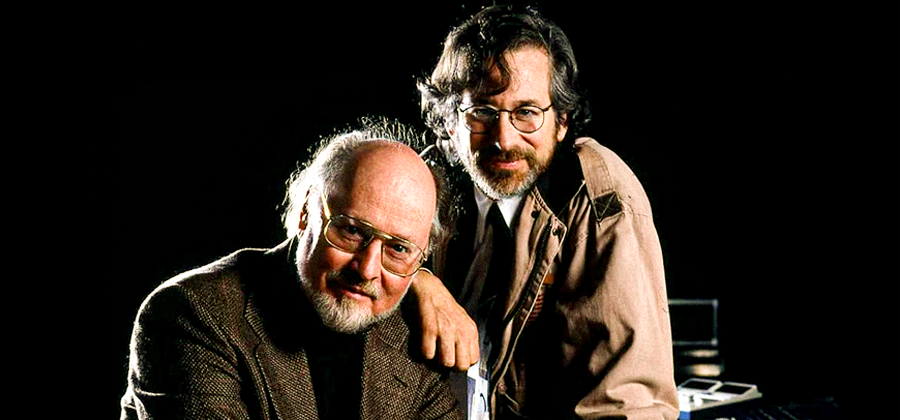
The music of Hook also reveals that a larger project once existed. Songs were written for the film, but they were not retained as musical numbers. Their melodies, however, are very much present, woven into the film’s orchestral score.
They accompany key scenes, support the emotions, and sometimes give the impression of telling something that is never fully shown. Today, these melodies make it possible to understand just how expansive and carefully structured the film’s emotional dimension was originally conceived to be.
A Work That Deserves to Be Revisited
With the benefit of time, Hook can be seen differently. Audiences have changed, but their attachment to the film has endured. Many are now ready to rediscover this work, to explore its meaning, and to understand its deeper message.
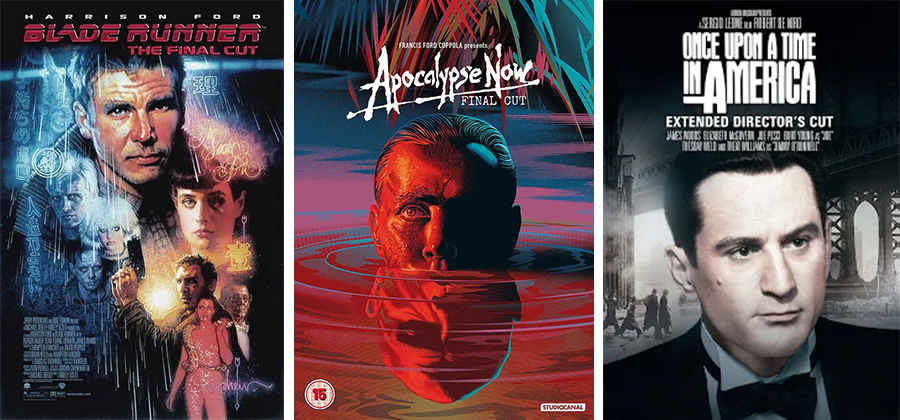
The history of cinema shows that certain films have been re-evaluated and reconstructed long after their release, in order to better reflect their original intent. These efforts have given new life to works that were sometimes misunderstood in their own time. Hook deserves to follow the same path.
A Call to Rediscover Hook
By signing this petition, we extend a respectful invitation to Steven Spielberg. We invite him to reconsider Hook with the perspective that time allows, free from the pressure of scheduling constraints and commercial imperatives that accompanied its original release.
Small adjustments, a new edit, a reorganization of certain elements could allow the film to convey more clearly the message it carried from the very beginning. This is not about transforming Hook, but about allowing it to exist fully.
Sign This Petition
This initiative is neither a criticism nor a rejection of the film as it exists today. It is a sincere call to let Hook live on in a version more faithful to its original intention, so that its story, its emotion, and its message can be shared in all their richness, with the generations of yesterday, today, and tomorrow.

3
Le problème
A Beloved but Unfinished Film
For more than thirty years, Hook has held a special place in the history of cinema and in the collective memory of audiences. Many people grew up with this film and were deeply marked by its universe, its music, and its characters. Yet even among its admirers, a persistent feeling remains: Hook seems not to have fully realized what it promised.
The film as released in 1991 has great qualities, but it also leaves the impression that an essential part of its heart was left aside. This impression does not stem from a lack of ideas, but rather from a project that was too rich, in which not all of its elements were able to find their place on screen.
A Deeper Intention Than the One Commonly Perceived
Hook is often summarized as a family adventure or as a conflict between an overworked father and his son. Yet this reading represents only part of the project. From the beginning, the film carried a broader ambition: to tell the story of a man who has lost his connection to childhood, to imagination, and to who he once was.
This loss is not trivial. It touches on memory, the passage of time, and the difficulty of growing up without denying oneself. Peter does not merely have to save his children; he must rediscover himself. This idea is clearly established at the start of the film, but it gradually fades, giving way to a narrative that is less coherent and less emotionally powerful than it could have been.
Beneath this loss of childhood lies something more troubling. Peter’s amnesia takes shape as a protective response, gradually distancing him from memories he is unable to confront. By disconnecting from his past, he avoids unresolved wounds rooted in childhood experiences. In this sense, Hook is not only about the recovery of imagination, but about the cost of repression. The film suggests that what is pushed aside does not disappear, it remains present, waiting to resurface.
Characters Deprived of Their Full Impact
In Hook, the children play distinct and meaningful roles. Jack and Maggie represent two contrasting responses to Peter’s emotional absence. Jack gravitates toward structure and authority, seeking recognition and guidance where his father has withdrawn. Maggie, on the other hand, remains guided by empathy and imagination, instinctively resisting the values that dominate Neverland.
Jack’s trajectory is partially explored in the final cut, but its significance is softened. His attraction to Captain Hook reflects more than manipulation; it reveals a child searching for identity and affirmation. Maggie’s role, however, is progressively diminished. As the story advances, she largely disappears from the narrative, despite having been established as an essential emotional counterbalance to Jack.
This absence is particularly striking in light of Maggie’s relationship with the other children of Neverland. Through her interactions with the enslaved children, she takes on a protective and unifying role, offering care and reassurance rather than authority or fear. A more complete version of the film would restore this arc, reinforcing the idea that liberation and healing are not achieved through power alone, but through compassion.
The Music That Speaks Without Words
The music of Hook also reveals that a larger project once existed. Songs were written for the film, but they were not retained as musical numbers. Their melodies, however, are very much present, woven into the film’s orchestral score.
They accompany key scenes, support the emotions, and sometimes give the impression of telling something that is never fully shown. Today, these melodies make it possible to understand just how expansive and carefully structured the film’s emotional dimension was originally conceived to be.
A Work That Deserves to Be Revisited
With the benefit of time, Hook can be seen differently. Audiences have changed, but their attachment to the film has endured. Many are now ready to rediscover this work, to explore its meaning, and to understand its deeper message.
The history of cinema shows that certain films have been re-evaluated and reconstructed long after their release, in order to better reflect their original intent. These efforts have given new life to works that were sometimes misunderstood in their own time. Hook deserves to follow the same path.
A Call to Rediscover Hook
By signing this petition, we extend a respectful invitation to Steven Spielberg. We invite him to reconsider Hook with the perspective that time allows, free from the pressure of scheduling constraints and commercial imperatives that accompanied its original release.
Small adjustments, a new edit, a reorganization of certain elements could allow the film to convey more clearly the message it carried from the very beginning. This is not about transforming Hook, but about allowing it to exist fully.
Sign This Petition
This initiative is neither a criticism nor a rejection of the film as it exists today. It is a sincere call to let Hook live on in a version more faithful to its original intention, so that its story, its emotion, and its message can be shared in all their richness, with the generations of yesterday, today, and tomorrow.
Les décisionnaires

Message aux signataires
Partager la pétition
Pétition lancée le 21 février 2025