This petition is part of the “Insulin for All” movement.
This petition is part of the “Insulin for All” movement.
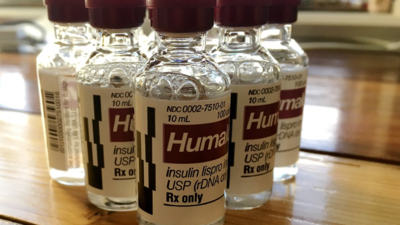

Put a price cap on insulin in Florida
The Issue
I am a Type 1 diabetic and I have been since 1994. Just a couple of years ago the cost for a 3-month supply of Novolog insulin, which I have to inject every time I eat, was $100. Now, a 1-month supply costs $458.77 and there is no discount for a 3-month supply, meaning I would have to pay almost $1,500 for a 3-month supply -- about $6,000 a year for just one type of insulin.
However, pricing elsewhere shows that this high cost is not necessary. Canada’s price for insulin is $90, and Colorado recently passed an insulin price cap of $100 per month. It's time for Florida to join Colorado in passing a price cap on this life-saving drug.
Type 1 diabetes, which according to the CDC accounts for about 5 percent of all diagnosed cases of diabetes, is an autoimmune condition in which the body attacks and destroys the insulin-producing beta cells of the pancreas. Because their bodies cannot make insulin, type 1 diabetics require insulin prescriptions to live (in some extreme cases this is true for type 2 patients as well).
"When type 1 diabetics take less insulin than they need, at the expense of having higher blood sugars… glucose rises significantly and in an attempt to find alternate fuels for the brain, keto acids are formed which are potentially toxic and lower the body's pH. DKA (Diabetic Ketoacidosis), when left untreated, can be lethal, and can set in quickly. In the absence of insulin a person might get DKA within 24 hours," - Robert A. Gabbay, the Chief Medical Officer and Senior Vice President at Joslin Diabetes Center in Boston.
The price of insulin has skyrocketed in recent years, with the three manufacturers — Sanofi, Novo Nordisk and Eli Lilly — raising the list prices of their products in near lock step, prompting outcry from patient groups and doctors who have pointed out that the rising prices appear to have little to do with increased production costs.
In the United States, just three pharmaceutical giants hold patents that allow them to manufacture insulin: Eli Lilly, Sanofi and Novo Nordisk. Put together, the “big three” made more than $12 billion in profits in 2014, with insulin accounting for a large portion.
Because of the incredibly high cost of insulin and other expensive supplies to handle their diabetes, many diabetics are forced into dire situations. Many diabetics have resorted to rationing insulin, risking their lives every day because they can’t afford to pay for their next vial. People are forced to choose between the insulin they need to survive, and keeping a roof over their head and food on the table for their families. People’s lives shouldn’t be put at risk because the insulin they require to live isn’t deemed “necessary” by insurance.
The insulin price cap in Colorado has shown that it’s possible for states to take control of outrageous insulin pricing and as a result, to save lives. It’s time for Florida to join them in protecting Floridians with diabetes from avoidable health risks. I urge you to look into the legislation that Colorado passed as a potential example for Florida to follow.

104,676
The Issue
I am a Type 1 diabetic and I have been since 1994. Just a couple of years ago the cost for a 3-month supply of Novolog insulin, which I have to inject every time I eat, was $100. Now, a 1-month supply costs $458.77 and there is no discount for a 3-month supply, meaning I would have to pay almost $1,500 for a 3-month supply -- about $6,000 a year for just one type of insulin.
However, pricing elsewhere shows that this high cost is not necessary. Canada’s price for insulin is $90, and Colorado recently passed an insulin price cap of $100 per month. It's time for Florida to join Colorado in passing a price cap on this life-saving drug.
Type 1 diabetes, which according to the CDC accounts for about 5 percent of all diagnosed cases of diabetes, is an autoimmune condition in which the body attacks and destroys the insulin-producing beta cells of the pancreas. Because their bodies cannot make insulin, type 1 diabetics require insulin prescriptions to live (in some extreme cases this is true for type 2 patients as well).
"When type 1 diabetics take less insulin than they need, at the expense of having higher blood sugars… glucose rises significantly and in an attempt to find alternate fuels for the brain, keto acids are formed which are potentially toxic and lower the body's pH. DKA (Diabetic Ketoacidosis), when left untreated, can be lethal, and can set in quickly. In the absence of insulin a person might get DKA within 24 hours," - Robert A. Gabbay, the Chief Medical Officer and Senior Vice President at Joslin Diabetes Center in Boston.
The price of insulin has skyrocketed in recent years, with the three manufacturers — Sanofi, Novo Nordisk and Eli Lilly — raising the list prices of their products in near lock step, prompting outcry from patient groups and doctors who have pointed out that the rising prices appear to have little to do with increased production costs.
In the United States, just three pharmaceutical giants hold patents that allow them to manufacture insulin: Eli Lilly, Sanofi and Novo Nordisk. Put together, the “big three” made more than $12 billion in profits in 2014, with insulin accounting for a large portion.
Because of the incredibly high cost of insulin and other expensive supplies to handle their diabetes, many diabetics are forced into dire situations. Many diabetics have resorted to rationing insulin, risking their lives every day because they can’t afford to pay for their next vial. People are forced to choose between the insulin they need to survive, and keeping a roof over their head and food on the table for their families. People’s lives shouldn’t be put at risk because the insulin they require to live isn’t deemed “necessary” by insurance.
The insulin price cap in Colorado has shown that it’s possible for states to take control of outrageous insulin pricing and as a result, to save lives. It’s time for Florida to join them in protecting Floridians with diabetes from avoidable health risks. I urge you to look into the legislation that Colorado passed as a potential example for Florida to follow.
The Decision Makers


Petition Updates
Share this petition
Petition created on June 30, 2019