FEMA changes for a Just Disaster Recovery
FEMA changes for a Just Disaster Recovery
The Issue
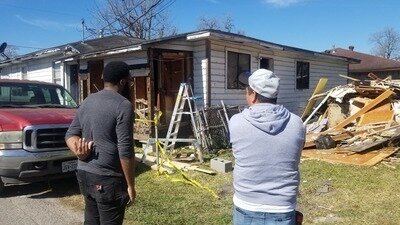
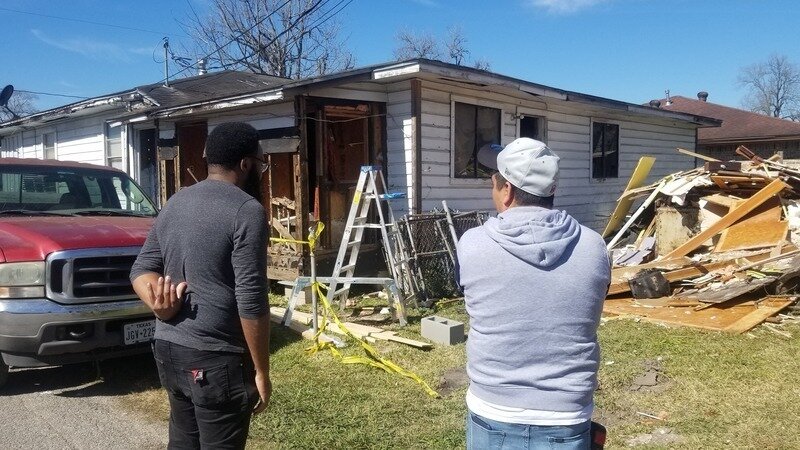
The Climate Crisis is here and disasters are getting more frequent, more severe and more damaging to the families and communities that live through them. In 2024 for the first time in memory two major metropolitan areas, Houston Tx and Tampa Bay faced back to back major disasters within a six week period. For households like the Varajas family these disasters cause extreme hardship and lead to long term housing loss. The Varajas’s mom Laura is trying to navigate her recovery after the combination of both storms led to her house being completely destroyed. She is fighting on, filing appeals seeking aid from NGOs and luckily she did receive temporary housing assistance. But like so many Black and Brown Disaster Survivors she is being failed by FEMA. The Failures of the disaster recovery system hurt all of us, by putting strain on our housing stock, creating neighborhood churn and displacing people who cannot repair their homes from the communities that give them care and meaning.
FEMA individual assistance (FEMA IA) for home repair is key to helping families recover from natural disasters. FEMA IA is critical to families who do not have homeowners insurance, who flood for the first time, or who are denied insurance despite paying premiums. Disasters are a major driver of the racial wealth gap; the asset gap between the typical white and Black or Brown family grows about $125k following a disaster. And, it is well known that reducing recovery times has incredible benefits for the mental and physical health outcomes following major weather events. One driver of inequality is that black and brown families are more likely to be denied by FEMA when they apply for home repair assistance.
A major driver for approval rate difference that disadvantages black and brown families is the exclusion for “Deferred Maintenance;" what applicants also call “being denied for pre-existing conditions.” FEMA isn't supposed to do this. This policy is essentially punishing people for being poor. And we all know that denying people for preexisting issues, to their health or their home, is unfair. FEMA must make three changes to end this pattern which drives racial injustice.In the last month of his presidency, the Biden administration can take a major step towards disaster justice by enacting three changers at FEMA:
1) FEMA must once and for all end the practice of denying people because their homes were not in perfect condition before a storm hit. Instead FEMA must ask people directly what happened to their home, and then base awards on those damages. This is especially important in regions like the Gulf coast that are often hit by back to back storms. This year alone both Tampa Bay and Houston were hit by major disasters back to back.
2) When FEMA denies people funding they must provide clear explanations of why. The explanations must be given in clear accessible language so that advocates and households can ensure that deferred maintenance denials are not happening. Furthermore, transparency will make it so that families can appeal decisions if necessary. Appeals are critical to any type of just disaster recovery funding process. Today appeals are very difficult because when you don't know why you are denied, its hard to know how to ask for a review.
3) FEMA must change the application process so that survivors get to choose what types of aid they need, instead of being assigned aid by those reading the application. Today, when families apply they are not able to indicate if they want home repair, temp housing, rental assistance or other aid. Instead FEMA computers or staffers look at applications and assign aid. Often people are awarded aid they don’t want and denied aid they badly need. FEMA must change the application process so that applicants are the ones who determine which aid they receive if in fact they are eligible

177
The Issue
The Climate Crisis is here and disasters are getting more frequent, more severe and more damaging to the families and communities that live through them. In 2024 for the first time in memory two major metropolitan areas, Houston Tx and Tampa Bay faced back to back major disasters within a six week period. For households like the Varajas family these disasters cause extreme hardship and lead to long term housing loss. The Varajas’s mom Laura is trying to navigate her recovery after the combination of both storms led to her house being completely destroyed. She is fighting on, filing appeals seeking aid from NGOs and luckily she did receive temporary housing assistance. But like so many Black and Brown Disaster Survivors she is being failed by FEMA. The Failures of the disaster recovery system hurt all of us, by putting strain on our housing stock, creating neighborhood churn and displacing people who cannot repair their homes from the communities that give them care and meaning.
FEMA individual assistance (FEMA IA) for home repair is key to helping families recover from natural disasters. FEMA IA is critical to families who do not have homeowners insurance, who flood for the first time, or who are denied insurance despite paying premiums. Disasters are a major driver of the racial wealth gap; the asset gap between the typical white and Black or Brown family grows about $125k following a disaster. And, it is well known that reducing recovery times has incredible benefits for the mental and physical health outcomes following major weather events. One driver of inequality is that black and brown families are more likely to be denied by FEMA when they apply for home repair assistance.
A major driver for approval rate difference that disadvantages black and brown families is the exclusion for “Deferred Maintenance;" what applicants also call “being denied for pre-existing conditions.” FEMA isn't supposed to do this. This policy is essentially punishing people for being poor. And we all know that denying people for preexisting issues, to their health or their home, is unfair. FEMA must make three changes to end this pattern which drives racial injustice.In the last month of his presidency, the Biden administration can take a major step towards disaster justice by enacting three changers at FEMA:
1) FEMA must once and for all end the practice of denying people because their homes were not in perfect condition before a storm hit. Instead FEMA must ask people directly what happened to their home, and then base awards on those damages. This is especially important in regions like the Gulf coast that are often hit by back to back storms. This year alone both Tampa Bay and Houston were hit by major disasters back to back.
2) When FEMA denies people funding they must provide clear explanations of why. The explanations must be given in clear accessible language so that advocates and households can ensure that deferred maintenance denials are not happening. Furthermore, transparency will make it so that families can appeal decisions if necessary. Appeals are critical to any type of just disaster recovery funding process. Today appeals are very difficult because when you don't know why you are denied, its hard to know how to ask for a review.
3) FEMA must change the application process so that survivors get to choose what types of aid they need, instead of being assigned aid by those reading the application. Today, when families apply they are not able to indicate if they want home repair, temp housing, rental assistance or other aid. Instead FEMA computers or staffers look at applications and assign aid. Often people are awarded aid they don’t want and denied aid they badly need. FEMA must change the application process so that applicants are the ones who determine which aid they receive if in fact they are eligible
177
The Decision Makers

Supporter Voices
Petition Updates
Share this petition
Petition created on December 4, 2024