

Expand Social Programs for Marginalized Communities in the Philippines
The Issue
Addressing Systemic Inequality Through Inclusive Development
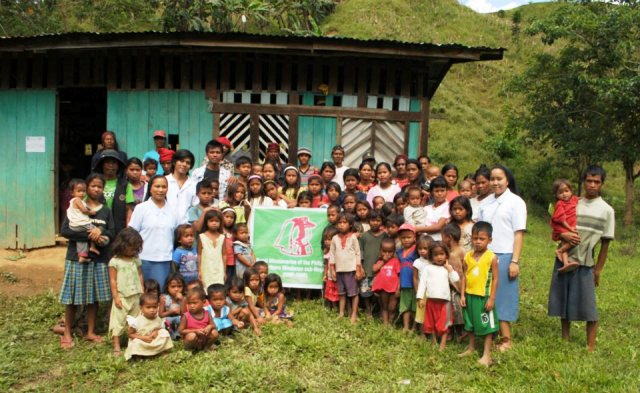
Millions of Filipinos like illegal settlers, indigenous peoples, and urban poor families face daily struggles due to a lack of basic necessities such as stable employment, healthcare, education, and proper housing. Despite government initiatives, many marginalized communities remain trapped in cycles of poverty, unable to break free from the systemic barriers that prevent them from achieving a dignified quality of life. Without immediate action, these inequalities will worsen, leading to increased hunger, homelessness, and a growing gap between the privileged and the disadvantaged.
The Barriers Marginalized Communities Face
1) Limited Access to Stable Employment.
• Many individuals from disadvantaged backgrounds has a limited access to quality education and training leading in poor skills to compete for a decent job.
• Employers prefer people with a privileged background.
• Daily expenses like commuting cost prevent people from seeking jobs in a far location.
2) Inadequate Healthcare Access
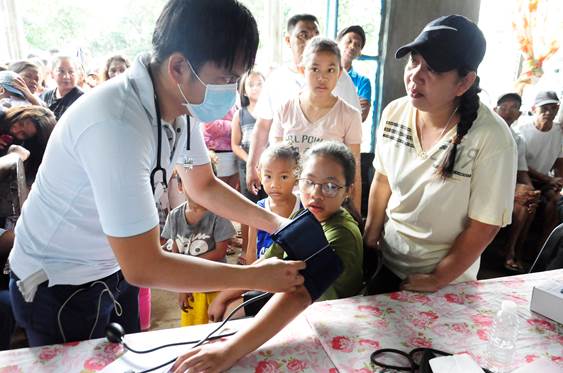
•The lack of well-equipped healthcare centers in rural areas, forcing people to travel long distances for medical assistance.
• A shortage of health professionals in impoverished communities.
• The high cost of medical treatments remains unaffordable for many families.
3) Barriers to Quality Education
•Overcrowded classrooms, inadequate facilities, and outdated learning materials in public schools.
• A shortage of teachers, resulting in high student-to-teacher ratios that make personalized learning difficult.
• The financial burden of school-related expenses such as uniforms, transportation, and supplies, which many low-income families cannot afford.
• Limited access to higher education, vocational training, and scholarships, leaving students from poor communities with fewer opportunities for career advancement.
Now more than ever, as inflation rises, climate disasters become more frequent, and economic instability persists, urgent measures must be taken to protect and empower marginalized communities. Strengthening and expanding social programs will provide crucial support, ensuring that no Filipino is left behind in our nation’s progress. We call upon policymakers to prioritize inclusive development and allocate greater resources to social welfare programs that uplift the most vulnerable.
We urge the Philippine government to take decisive action by strengthening and expanding social programs that address these urgent issues by:
1) Employment and Livelihood Support
• Expand job training programs, create more livelihood opportunities in rural areas by encouraging business owners to hire individuals from marginalized communities
2) Universal Healthcare Expansion
•Increase funding for healthcare facilities in underserved areas, provide more subsidies for medical treatments, and ensure that every Filipino, regardless of economic status, has access to quality healthcare.
3) Education Reforms
• Improve public school infrastructure, increase teacher salaries and hiring to reduce overcrowded classrooms, expand free higher education opportunities, and provide financial aid to students in need.
A nation’s progress should not be measured solely by its economic growth but by how well it uplifts its most vulnerable citizens. If the Philippine government invests in expanding and strengthening social programs, it will not only improve the lives of marginalized Filipinos but also contribute to long-term national development.

39
The Issue
Addressing Systemic Inequality Through Inclusive Development
Millions of Filipinos like illegal settlers, indigenous peoples, and urban poor families face daily struggles due to a lack of basic necessities such as stable employment, healthcare, education, and proper housing. Despite government initiatives, many marginalized communities remain trapped in cycles of poverty, unable to break free from the systemic barriers that prevent them from achieving a dignified quality of life. Without immediate action, these inequalities will worsen, leading to increased hunger, homelessness, and a growing gap between the privileged and the disadvantaged.
The Barriers Marginalized Communities Face
1) Limited Access to Stable Employment.
• Many individuals from disadvantaged backgrounds has a limited access to quality education and training leading in poor skills to compete for a decent job.
• Employers prefer people with a privileged background.
• Daily expenses like commuting cost prevent people from seeking jobs in a far location.
2) Inadequate Healthcare Access
•The lack of well-equipped healthcare centers in rural areas, forcing people to travel long distances for medical assistance.
• A shortage of health professionals in impoverished communities.
• The high cost of medical treatments remains unaffordable for many families.
3) Barriers to Quality Education
•Overcrowded classrooms, inadequate facilities, and outdated learning materials in public schools.
• A shortage of teachers, resulting in high student-to-teacher ratios that make personalized learning difficult.
• The financial burden of school-related expenses such as uniforms, transportation, and supplies, which many low-income families cannot afford.
• Limited access to higher education, vocational training, and scholarships, leaving students from poor communities with fewer opportunities for career advancement.
Now more than ever, as inflation rises, climate disasters become more frequent, and economic instability persists, urgent measures must be taken to protect and empower marginalized communities. Strengthening and expanding social programs will provide crucial support, ensuring that no Filipino is left behind in our nation’s progress. We call upon policymakers to prioritize inclusive development and allocate greater resources to social welfare programs that uplift the most vulnerable.
We urge the Philippine government to take decisive action by strengthening and expanding social programs that address these urgent issues by:
1) Employment and Livelihood Support
• Expand job training programs, create more livelihood opportunities in rural areas by encouraging business owners to hire individuals from marginalized communities
2) Universal Healthcare Expansion
•Increase funding for healthcare facilities in underserved areas, provide more subsidies for medical treatments, and ensure that every Filipino, regardless of economic status, has access to quality healthcare.
3) Education Reforms
• Improve public school infrastructure, increase teacher salaries and hiring to reduce overcrowded classrooms, expand free higher education opportunities, and provide financial aid to students in need.
A nation’s progress should not be measured solely by its economic growth but by how well it uplifts its most vulnerable citizens. If the Philippine government invests in expanding and strengthening social programs, it will not only improve the lives of marginalized Filipinos but also contribute to long-term national development.
Petition Updates
Share this petition
Petition created on February 25, 2025