Environmental Concerns
Environmental Concerns
The Issue
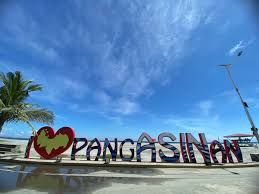
Environmental Concerns in Lingayen, Pangasinan: Challenges and Pathways to Sustainability
Nestled along the shores of the Lingayen Gulf, the coastal town of Lingayen serves as the capital of Pangasinan and a vital hub of culture, history, and ecology. While its scenic beaches, historic landmarks, and vibrant festivals attract tourists and sustain local livelihoods, Lingayen faces pressing environmental challenges that threaten its natural beauty, biodiversity, and long-term resilience. From coastal degradation to pollution, these issues demand urgent attention to balance development with ecological preservation.
Toward a Sustainable Future
Lingayen’s environmental challenges are complex, but not insurmountable. Collaborative efforts between the government, NGOs, and communities highlight a growing awareness of the need for sustainability. Initiatives like mangrove restoration, waste reduction campaigns, and sustainable fisheries management demonstrate that ecological balance is achievable without sacrificing progress.
As Lingayen continues to navigate its dual identity as a historic gem and a modern hub, prioritizing the environment will ensure that future generations inherit a town where culture and nature thrive in harmony. As the local saying goes, "No natago’y ilog, agtayo’y makapuy" (If the river dries up, we will starve)—a reminder that the health of Lingayen’s environment is inseparable from the survival of its people.
CHALLENGES
1. Coastal Erosion and Habitat Loss
Lingayen’s coastline, particularly the Lingayen Gulf, suffers from erosion driven by unregulated sand mining, coastal development, and natural tidal shifts. The degradation of mangrove forests, vital for storm protection, has left communities vulnerable to climate-induced disasters like flooding and storm surges.
2. Pollution and Waste Crisis
Beaches and waterways are inundated with plastic waste exacerbated by tourism, while agricultural runoff from pesticides and fertilizers contaminates the Agno River. Improper waste disposal practices threaten marine ecosystems and public health.
3. Overfishing and Marine Depletion
Destructive practices such as dynamite fishing and overharvesting have drastically reduced fish stocks in the Gulf, endangering biodiversity and undermining the livelihoods of local fishing communities.
4. Climate Change Vulnerabilities
Rising sea levels, intensified typhoons, and upstream indeforestation worsen flooding and sedimentation in the Agno River. These factors strain the river’s capacity to manage heavy rainfall, escalating risks to infrastructure and human safety.
Lingayen’s environmental challenges, coastal degradation, pollution, resource depletion, and climate impacts, demand urgent action. Addressing these issues is critical to preserving the region’s ecological balance and ensuring the well-being of its communities. By recognizing these threats, stakeholders can prioritize interventions that align with sustainable development and resilience.

58
The Issue
Environmental Concerns in Lingayen, Pangasinan: Challenges and Pathways to Sustainability
Nestled along the shores of the Lingayen Gulf, the coastal town of Lingayen serves as the capital of Pangasinan and a vital hub of culture, history, and ecology. While its scenic beaches, historic landmarks, and vibrant festivals attract tourists and sustain local livelihoods, Lingayen faces pressing environmental challenges that threaten its natural beauty, biodiversity, and long-term resilience. From coastal degradation to pollution, these issues demand urgent attention to balance development with ecological preservation.
Toward a Sustainable Future
Lingayen’s environmental challenges are complex, but not insurmountable. Collaborative efforts between the government, NGOs, and communities highlight a growing awareness of the need for sustainability. Initiatives like mangrove restoration, waste reduction campaigns, and sustainable fisheries management demonstrate that ecological balance is achievable without sacrificing progress.
As Lingayen continues to navigate its dual identity as a historic gem and a modern hub, prioritizing the environment will ensure that future generations inherit a town where culture and nature thrive in harmony. As the local saying goes, "No natago’y ilog, agtayo’y makapuy" (If the river dries up, we will starve)—a reminder that the health of Lingayen’s environment is inseparable from the survival of its people.
CHALLENGES
1. Coastal Erosion and Habitat Loss
Lingayen’s coastline, particularly the Lingayen Gulf, suffers from erosion driven by unregulated sand mining, coastal development, and natural tidal shifts. The degradation of mangrove forests, vital for storm protection, has left communities vulnerable to climate-induced disasters like flooding and storm surges.
2. Pollution and Waste Crisis
Beaches and waterways are inundated with plastic waste exacerbated by tourism, while agricultural runoff from pesticides and fertilizers contaminates the Agno River. Improper waste disposal practices threaten marine ecosystems and public health.
3. Overfishing and Marine Depletion
Destructive practices such as dynamite fishing and overharvesting have drastically reduced fish stocks in the Gulf, endangering biodiversity and undermining the livelihoods of local fishing communities.
4. Climate Change Vulnerabilities
Rising sea levels, intensified typhoons, and upstream indeforestation worsen flooding and sedimentation in the Agno River. These factors strain the river’s capacity to manage heavy rainfall, escalating risks to infrastructure and human safety.
Lingayen’s environmental challenges, coastal degradation, pollution, resource depletion, and climate impacts, demand urgent action. Addressing these issues is critical to preserving the region’s ecological balance and ensuring the well-being of its communities. By recognizing these threats, stakeholders can prioritize interventions that align with sustainable development and resilience.
58
Petition created on August 26, 2025