
End whale captivity now
The Issue
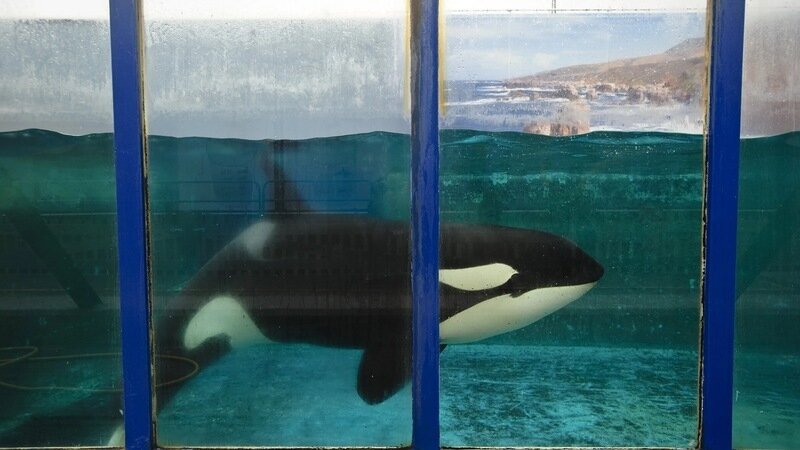
Whales are one of earths most amazing, intelligent, and emotionally complex animals. However, despite their highly developed relationships and mental capacities these extraordinary animals continue to suffer in confinement. They have spent years performing strange tasks for human entertainment while confined to tiny tanks. Beyond ethical considerations, their captivity is a violation of their fundamental right to exist freely as nature intended. We must demand that these incredible animals have the right to freely roam the ocean and live peacefully, and we must put a stop to the cruel practice of keeping whales in captivity.
Not only is it cruel to keep whales in captivity, but it also damages their health. While in their pods whales move hundreds of kms a day, communicate with one another, and engage in natural behaviours. They are sociable creatures who thrive in the wild. However, in captivity they are confined to spaces that are much smaller and less interesting than their natural habitat, are isolated, and have no social interactions which results in severe trauma for the whales themselves. Many whales kept in captivity show symptoms of anxiety, hopelessness, and aggressive actions that are unusual in the wild. The fact that majority of captive whales pass away early in life due to the physical and psychological toll that captivity puts on them adds to their grief.
Orcas like Tilikum whose story has grown to represent the pain and suffering of captive whales. Tilikum’s terrible life and early death demonstrates the severe effects that confinement can have on whales, since he was subjected to years of exploitation, abuse, and isolation. His narrative is not the only one. Numerous other whales like him, have been stripped of their normal lives and compelled to live a life of entertainment and confinement.
We cannot allow these amazing animals to suffer further for financial gain and entertainment. We have to end the practice of keeping whales in captivity.
Psychological trauma:
According to research, social isolation in captivity can cause considerable psychological distress, and whales are known to develop close family ties. Whales kept in captivity often display abnormal characteristics like aggressive impulses, repetitive swimming patterns, and self destructive impulses. Since they are unable to communicate their natural impulses and needs, these acts are a sign of severe stress and dissatisfaction.
Health Risk:
Whales kept in captivity suffer greatly from their physical condition. Captive orcas often only survive 20-30 years, whereas wild orcas can live up to 50-90 years. Infections, injuries from collisions with tank walls, and collapsing dorsal fins are just a few of the health issues that captive whales face. Because of their abnormal habits, such as biting on the bars of their cages, they also have poor oral health. Joint issues and muscular atrophy are also caused by the cramped quarters and inactivity.
Ethical conditions:
It is crucial to recognize that whales in captivity are not being cared for, they are being exploited. Captivity is a form of domination and control, where whales are reduced to mere commodities for human entertainment. These highly intelligent animals should not be subjected to lives of confinement, isolation, and forced performance for our amusement.
Historical evidence of harm:
Tales of orcas like Tilikum and other whales who have endured hardships in captivity are powerful reminders of the negative effects of confinement on both the body and the mind. Tilikum's life story serves as evidence of the harm that captivity may cause to both the individual whale and those interacting with them. His sad tale serves as a warning to all of us to reevaluate the theatrical implications of retraining such beautiful animals in captivity.
How can you help?
We, the undersigned, call on governments, marine parks, and all entities that profit from whale captivity to put an immediate end to the practice of holding whales in confined spaces for human entertainment. We demand the release of all captive whales into sanctuaries where they can experience the freedom they deserve.
By signing this petition, you are standing up for the rights of whales who don't have a voice to speak up for themselves. It is time to end this cruelty once and for all.
Together we can make a difference and protect the future of these amazing animals
Sign and share this petition to help us free the whales and ensure they can live in peace, just like they were always meant to. Let’s make the world a kinder better place for the whales, where they are no longer confined to a small tank, but allowed to live the life deserve in the open and wild ocean.

2,846
The Issue
Whales are one of earths most amazing, intelligent, and emotionally complex animals. However, despite their highly developed relationships and mental capacities these extraordinary animals continue to suffer in confinement. They have spent years performing strange tasks for human entertainment while confined to tiny tanks. Beyond ethical considerations, their captivity is a violation of their fundamental right to exist freely as nature intended. We must demand that these incredible animals have the right to freely roam the ocean and live peacefully, and we must put a stop to the cruel practice of keeping whales in captivity.
Not only is it cruel to keep whales in captivity, but it also damages their health. While in their pods whales move hundreds of kms a day, communicate with one another, and engage in natural behaviours. They are sociable creatures who thrive in the wild. However, in captivity they are confined to spaces that are much smaller and less interesting than their natural habitat, are isolated, and have no social interactions which results in severe trauma for the whales themselves. Many whales kept in captivity show symptoms of anxiety, hopelessness, and aggressive actions that are unusual in the wild. The fact that majority of captive whales pass away early in life due to the physical and psychological toll that captivity puts on them adds to their grief.
Orcas like Tilikum whose story has grown to represent the pain and suffering of captive whales. Tilikum’s terrible life and early death demonstrates the severe effects that confinement can have on whales, since he was subjected to years of exploitation, abuse, and isolation. His narrative is not the only one. Numerous other whales like him, have been stripped of their normal lives and compelled to live a life of entertainment and confinement.
We cannot allow these amazing animals to suffer further for financial gain and entertainment. We have to end the practice of keeping whales in captivity.
Psychological trauma:
According to research, social isolation in captivity can cause considerable psychological distress, and whales are known to develop close family ties. Whales kept in captivity often display abnormal characteristics like aggressive impulses, repetitive swimming patterns, and self destructive impulses. Since they are unable to communicate their natural impulses and needs, these acts are a sign of severe stress and dissatisfaction.
Health Risk:
Whales kept in captivity suffer greatly from their physical condition. Captive orcas often only survive 20-30 years, whereas wild orcas can live up to 50-90 years. Infections, injuries from collisions with tank walls, and collapsing dorsal fins are just a few of the health issues that captive whales face. Because of their abnormal habits, such as biting on the bars of their cages, they also have poor oral health. Joint issues and muscular atrophy are also caused by the cramped quarters and inactivity.
Ethical conditions:
It is crucial to recognize that whales in captivity are not being cared for, they are being exploited. Captivity is a form of domination and control, where whales are reduced to mere commodities for human entertainment. These highly intelligent animals should not be subjected to lives of confinement, isolation, and forced performance for our amusement.
Historical evidence of harm:
Tales of orcas like Tilikum and other whales who have endured hardships in captivity are powerful reminders of the negative effects of confinement on both the body and the mind. Tilikum's life story serves as evidence of the harm that captivity may cause to both the individual whale and those interacting with them. His sad tale serves as a warning to all of us to reevaluate the theatrical implications of retraining such beautiful animals in captivity.
How can you help?
We, the undersigned, call on governments, marine parks, and all entities that profit from whale captivity to put an immediate end to the practice of holding whales in confined spaces for human entertainment. We demand the release of all captive whales into sanctuaries where they can experience the freedom they deserve.
By signing this petition, you are standing up for the rights of whales who don't have a voice to speak up for themselves. It is time to end this cruelty once and for all.
Together we can make a difference and protect the future of these amazing animals
Sign and share this petition to help us free the whales and ensure they can live in peace, just like they were always meant to. Let’s make the world a kinder better place for the whales, where they are no longer confined to a small tank, but allowed to live the life deserve in the open and wild ocean.
Supporter Voices
Petition Updates
Share this petition
Petition created on March 31, 2025