

Require Free Menstrual Products in Public Schools & Remove the Tampon Tax
The Issue
Period inequity is a devastating reality for the citizens of South Carolina. As of 2019, over 17% of women in SC from ages 18 – 44 lived on incomes below the federal poverty level (United Health Foundation). These women are routinely impacted by the state’s 6% sales tax imposed on all feminine hygiene products (Statehouse Report, 2023). Women and girls of all socioeconomic standings are entitled to affordable, safe, and effective means of managing their periods.
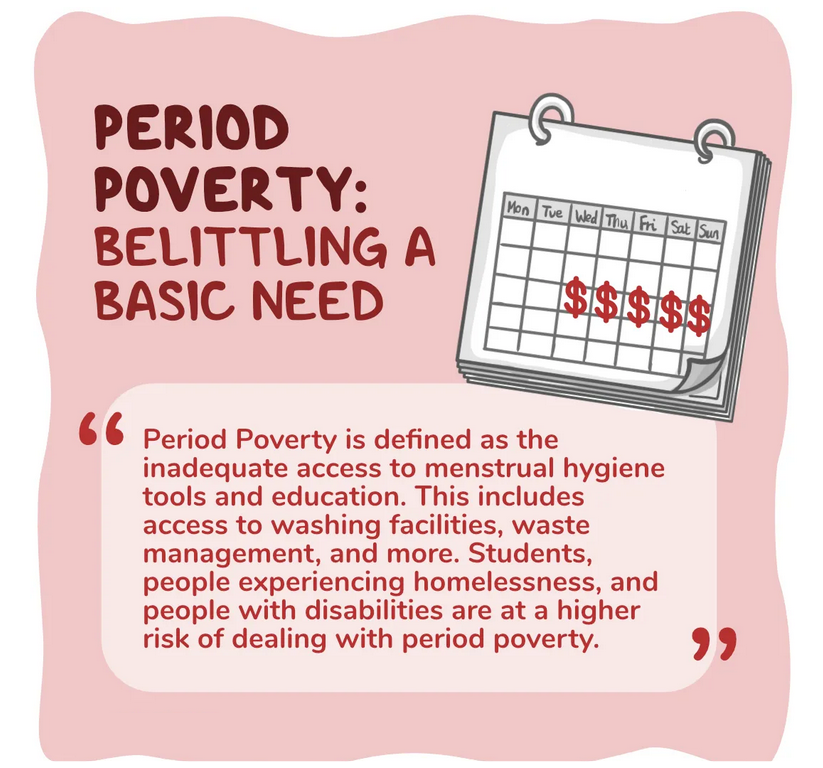
Learn more about period poverty and how the American Medical Women's Association (AMWA) is working to create reform and equity in menstrual care access. Period Poverty ⎸The Belittling of a Basic Need
Menstrual products are essential goods that too often go unrecognized. They must be perceived as fundamental necessities, not taxable luxuries.
On January 10, 2023, a new bill (H. 3109) was introduced to the SC General Assembly that would “provide a sales tax exemption for feminine hygiene products” including “tampons, sanitary napkins, and other similar items”. This bill faces ratification by the Committee on Ways and Means and approval by Governor McMaster before going into effect. However, McMaster’s recently released budget indicates no intention of supporting this measure.
If this is the true nature of the governor’s agenda, South Carolina may remain 1 of 22 states with a current sales tax on period products. This will continue to disproportionately harm those without the means to afford the estimated 40 personal products required per menstrual cycle (Alliance for Period Supplies, 2022). In fact, ABC 4 News reports that the state claims significant revenue from tampon taxes, costing consumers $3.8 million annually.
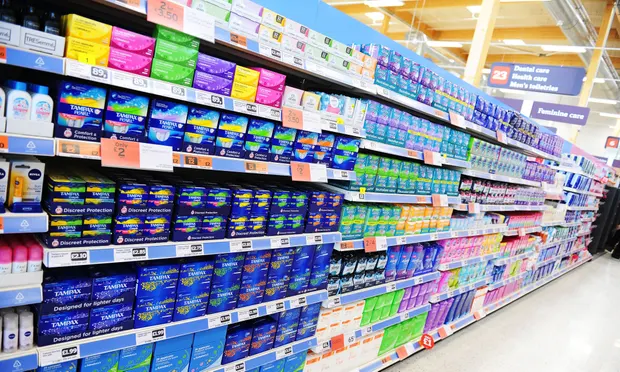 "Poor menstruation care is a significant barrier to development and gender equality, can induce shame and anxiety in women, and results in poor attendance at school and work." The removal of taxation on quality care items is essential in breaking down these barriers to equal opportunity (Hodal, 2016).
An additional bill, H. 3302, proposes the requirement of all state public schools to maintain a supply of free period products. I understand the extensive potential benefits of this bill by virtue of my high school experience. My public high school currently fails to provide students with free pads or tampons in restrooms. This failure has noticeably degraded the quality of my learning environment. Students who menstruate are sent a clear message by these deficiencies: "Your fundamental biological processes are not welcome here." According to the State of the Period Study in 2021, “57% of students say they feel their school doesn’t care about them if they don’t provide free period products in the bathrooms.”
How our state government administers tax exemptions and public school reform reveals its true social priorities. Let’s petition our legislature and governor to prioritize equity in menstrual health. I believe these bills are vital investments in combatting period poverty and promoting non-discriminatory access to safe and dignified menstrual care.
The achievement of gender equality in all spheres of life depends on unrestricted access to resources that allow women to independently control and monitor their periods. Please consider reading and tracking the progress of Bill H. 3109 and Bill H. 3302, signing this petition, and sharing it with your friends and family! You can also reach out to your local representative in support of the bill using this legislator search tool.
Read more about My Position on the Movement for Period Equity in South Carolina.
Learn more about how the "Tampon Tax" intensifies inequity and stigma locally and globally.

146
The Issue
Period inequity is a devastating reality for the citizens of South Carolina. As of 2019, over 17% of women in SC from ages 18 – 44 lived on incomes below the federal poverty level (United Health Foundation). These women are routinely impacted by the state’s 6% sales tax imposed on all feminine hygiene products (Statehouse Report, 2023). Women and girls of all socioeconomic standings are entitled to affordable, safe, and effective means of managing their periods.
Learn more about period poverty and how the American Medical Women's Association (AMWA) is working to create reform and equity in menstrual care access. Period Poverty ⎸The Belittling of a Basic Need
Menstrual products are essential goods that too often go unrecognized. They must be perceived as fundamental necessities, not taxable luxuries.
On January 10, 2023, a new bill (H. 3109) was introduced to the SC General Assembly that would “provide a sales tax exemption for feminine hygiene products” including “tampons, sanitary napkins, and other similar items”. This bill faces ratification by the Committee on Ways and Means and approval by Governor McMaster before going into effect. However, McMaster’s recently released budget indicates no intention of supporting this measure.
If this is the true nature of the governor’s agenda, South Carolina may remain 1 of 22 states with a current sales tax on period products. This will continue to disproportionately harm those without the means to afford the estimated 40 personal products required per menstrual cycle (Alliance for Period Supplies, 2022). In fact, ABC 4 News reports that the state claims significant revenue from tampon taxes, costing consumers $3.8 million annually.
"Poor menstruation care is a significant barrier to development and gender equality, can induce shame and anxiety in women, and results in poor attendance at school and work." The removal of taxation on quality care items is essential in breaking down these barriers to equal opportunity (Hodal, 2016).
An additional bill, H. 3302, proposes the requirement of all state public schools to maintain a supply of free period products. I understand the extensive potential benefits of this bill by virtue of my high school experience. My public high school currently fails to provide students with free pads or tampons in restrooms. This failure has noticeably degraded the quality of my learning environment. Students who menstruate are sent a clear message by these deficiencies: "Your fundamental biological processes are not welcome here." According to the State of the Period Study in 2021, “57% of students say they feel their school doesn’t care about them if they don’t provide free period products in the bathrooms.”
How our state government administers tax exemptions and public school reform reveals its true social priorities. Let’s petition our legislature and governor to prioritize equity in menstrual health. I believe these bills are vital investments in combatting period poverty and promoting non-discriminatory access to safe and dignified menstrual care.
The achievement of gender equality in all spheres of life depends on unrestricted access to resources that allow women to independently control and monitor their periods. Please consider reading and tracking the progress of Bill H. 3109 and Bill H. 3302, signing this petition, and sharing it with your friends and family! You can also reach out to your local representative in support of the bill using this legislator search tool.
Read more about My Position on the Movement for Period Equity in South Carolina.
Learn more about how the "Tampon Tax" intensifies inequity and stigma locally and globally.
Petition Updates
Share this petition
Petition created on January 22, 2023