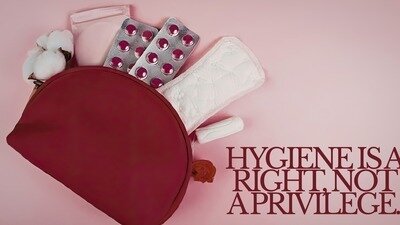

End Period Poverty in Schools: Provide Free Menstrual Products
The Issue
Petition to Provide Free and Accessible Menstrual Products for All Students
I. Introduction
Every student deserves the right to receive a quality education without controllable circumstances interfering. Many students, however, face barriers in consistent class attendance and full participation in activities related to lack of accessibility of standard menstrual products. Menstrual hygiene is an extremely basic necessity, regardless, many students lack the funds or accessibility needed to obtain these hygiene products. According to the American Medical Women’s Association (2019), “period poverty” describes the results of inadequate menstrual hygiene products and education on menstrual hygiene. Period poverty impacts households across the country but disproportionately impacts low-income households. Students who unexpectedly have their period, are unable to afford menstrual products, or those who do not have the proper products available may miss school, leave school early, feel embarrassed or ashamed, or be unable to engage fully in activities.
Schools are expected to provide hygiene products like toilet paper, hand soap and sanitizer, tissues, and paper towels to their student body without cost. However, not all basic hygiene products are supplied, menstrual products should be considered a necessity along with the other standard hygiene products. Lack of accessibility creates and perpetuates an unequal learning environment where young girls who cannot afford or access menstrual products face an educational disadvantage. This lack of access can impact a student’s physical and mental well-being, their academic achievements, and their routine school attendance.
The purpose of this petition is to address the lack of accessibility of menstrual hygiene products in schools, and to advocate for policies which will require schools to provide free and accessible products in schools. By providing greater access to these essential products, schools can help to foster educational equity, support student’s overall wellbeing, and improve general quality of life.
II. Discussion of Strategy to Address Problem
Every child and most importantly every student deserves an equal chance to education and to succeed in life. Children do not have an option to choose their sex at birth. Female students at some age will start having menstrual cycles. Some are unable to get menstrual care products. Menstrual products are necessities, not luxury items. The American Medical Women's Association defines period poverty as a lack of access to menstrual hygiene products, education, sanitation facilities, and waste management needed to manage menstruation safely and with dignity. One in four women face period poverty. (Manohar et al., 2026) Period poverty is most likely to affect students in low income families. Some research demonstrates that period poverty is a barrier to educational success in the United States. According to the 2023 State of the Period survey, 23% of U.S. teens (nearly one in four) reported struggling to afford menstrual products. Additionally, 44% of teens reported experiencing stress or embarrassment because they lacked access to period products, and many indicated that menstruation negatively affected their ability to fully participate in school.
This proposal is based on the Social Justice Theory, which discusses that all individuals deserve fair and equitable access to the resources that are essential. Students experiencing period poverty often face financial barriers that prevent them from obtaining menstrual hygiene products. These barriers can lead to students not attending, embarrassment, and reduced academic participation, which puts affected students at an unfair disadvantage. Providing free menstrual hygiene products in schools promotes menstrual health equity by making sure that all students, regardless of socioeconomic status, have access to essential resources needed for education and well-being. Hyland (2025) discusses menstrual health inequity as a social justice issue, stating that limited access to menstrual products creates barriers to education, employment, and social participation.
The strategy is to provide free menstrual care products and care in all schools especially middle and high schools. Funding can be allocated in the budget for sanitary products and earlier menstrual health education. A menstrual health program and budget will help to reduce stigma, improve health literacy, and encourage female students to seek assistance without embarrassment. Together, these efforts will aim to reduce the financial burden of purchasing menstrual products, improve student attendance and comfort, and create a more supportive and inclusive school environment.
The petition claims to call policymakers, school administrators, educators, organizations, activists, parents, and community members to support a program requiring free menstrual hygiene products in all schools. By signing this petition, this can help eliminate an unnecessary barrier to education, and promote equal opportunities for all students. No student should have to choose between managing a natural biological process and receiving an education like their peers. Menstruation is not a choice or a punishment.
III. Number of Votes Generated
References
American Medical Women’s Association. (2019, October 31). Period poverty. https://amwa-doc.org/period-poverty/
Hyland, K. N. (2025). Menstrual health equity and period poverty: An analytical scoping review for social workers. Advances in Social Work, 25(3), 926–944. Menstrual Health Equity and Period Poverty: An Analytical Scoping Review for Social Workers | Advances in Social Work
Manohar, R., Etsey, M., Liszak, L., Johnson, M., Patel, V. J., Patel, D., Marshall, A. L., Clark, B., Thachil, R., & Gebhard, R. (2026). American Medical Women’s Association position statement on period poverty: Advancing menstrual equity through health coverage reform. Journal of Women’s Health. https://doi.org/10.1177/15409996261449999
State of the Period 2023. (n.d.). https://period.org/uploads/SOTP-2023.pdf

69
The Issue
Petition to Provide Free and Accessible Menstrual Products for All Students
I. Introduction
Every student deserves the right to receive a quality education without controllable circumstances interfering. Many students, however, face barriers in consistent class attendance and full participation in activities related to lack of accessibility of standard menstrual products. Menstrual hygiene is an extremely basic necessity, regardless, many students lack the funds or accessibility needed to obtain these hygiene products. According to the American Medical Women’s Association (2019), “period poverty” describes the results of inadequate menstrual hygiene products and education on menstrual hygiene. Period poverty impacts households across the country but disproportionately impacts low-income households. Students who unexpectedly have their period, are unable to afford menstrual products, or those who do not have the proper products available may miss school, leave school early, feel embarrassed or ashamed, or be unable to engage fully in activities.
Schools are expected to provide hygiene products like toilet paper, hand soap and sanitizer, tissues, and paper towels to their student body without cost. However, not all basic hygiene products are supplied, menstrual products should be considered a necessity along with the other standard hygiene products. Lack of accessibility creates and perpetuates an unequal learning environment where young girls who cannot afford or access menstrual products face an educational disadvantage. This lack of access can impact a student’s physical and mental well-being, their academic achievements, and their routine school attendance.
The purpose of this petition is to address the lack of accessibility of menstrual hygiene products in schools, and to advocate for policies which will require schools to provide free and accessible products in schools. By providing greater access to these essential products, schools can help to foster educational equity, support student’s overall wellbeing, and improve general quality of life.
II. Discussion of Strategy to Address Problem
Every child and most importantly every student deserves an equal chance to education and to succeed in life. Children do not have an option to choose their sex at birth. Female students at some age will start having menstrual cycles. Some are unable to get menstrual care products. Menstrual products are necessities, not luxury items. The American Medical Women's Association defines period poverty as a lack of access to menstrual hygiene products, education, sanitation facilities, and waste management needed to manage menstruation safely and with dignity. One in four women face period poverty. (Manohar et al., 2026) Period poverty is most likely to affect students in low income families. Some research demonstrates that period poverty is a barrier to educational success in the United States. According to the 2023 State of the Period survey, 23% of U.S. teens (nearly one in four) reported struggling to afford menstrual products. Additionally, 44% of teens reported experiencing stress or embarrassment because they lacked access to period products, and many indicated that menstruation negatively affected their ability to fully participate in school.
This proposal is based on the Social Justice Theory, which discusses that all individuals deserve fair and equitable access to the resources that are essential. Students experiencing period poverty often face financial barriers that prevent them from obtaining menstrual hygiene products. These barriers can lead to students not attending, embarrassment, and reduced academic participation, which puts affected students at an unfair disadvantage. Providing free menstrual hygiene products in schools promotes menstrual health equity by making sure that all students, regardless of socioeconomic status, have access to essential resources needed for education and well-being. Hyland (2025) discusses menstrual health inequity as a social justice issue, stating that limited access to menstrual products creates barriers to education, employment, and social participation.
The strategy is to provide free menstrual care products and care in all schools especially middle and high schools. Funding can be allocated in the budget for sanitary products and earlier menstrual health education. A menstrual health program and budget will help to reduce stigma, improve health literacy, and encourage female students to seek assistance without embarrassment. Together, these efforts will aim to reduce the financial burden of purchasing menstrual products, improve student attendance and comfort, and create a more supportive and inclusive school environment.
The petition claims to call policymakers, school administrators, educators, organizations, activists, parents, and community members to support a program requiring free menstrual hygiene products in all schools. By signing this petition, this can help eliminate an unnecessary barrier to education, and promote equal opportunities for all students. No student should have to choose between managing a natural biological process and receiving an education like their peers. Menstruation is not a choice or a punishment.
III. Number of Votes Generated
References
American Medical Women’s Association. (2019, October 31). Period poverty. https://amwa-doc.org/period-poverty/
Hyland, K. N. (2025). Menstrual health equity and period poverty: An analytical scoping review for social workers. Advances in Social Work, 25(3), 926–944. Menstrual Health Equity and Period Poverty: An Analytical Scoping Review for Social Workers | Advances in Social Work
Manohar, R., Etsey, M., Liszak, L., Johnson, M., Patel, V. J., Patel, D., Marshall, A. L., Clark, B., Thachil, R., & Gebhard, R. (2026). American Medical Women’s Association position statement on period poverty: Advancing menstrual equity through health coverage reform. Journal of Women’s Health. https://doi.org/10.1177/15409996261449999
State of the Period 2023. (n.d.). https://period.org/uploads/SOTP-2023.pdf
The Decision Makers


Supporter Voices
Petition Updates
Share this petition
Petition created on July 1, 2026