
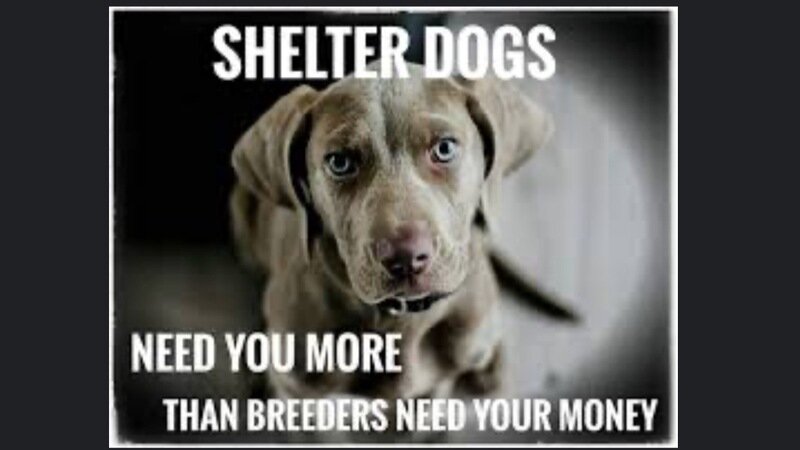
Temporarily Ban Animal Breeding as a form of business in Alberta.
The Issue
In Canada and across the globe, breeding animals as a business has become a significant issue. This practice not only contributes to the overpopulation of stray animals but also overlooks the plight of countless pets in shelters waiting for their forever homes. According to the Canadian Federationii of Humane Societies (CFHS), over 82,000 stray animals were taken into Canadian shelters in 2017 alone. A significant portion of these were dogs that could have been adopted instead of purchasing from breeders. It's time we shift our focus towards providing homes for these sheltered animals rather than encouraging breeding as a business practice that overall contributes to this problem.
Even with ethical breeders who prioritize the well-being of their animals, shelters still face challenges. One significant issue is the perception that purebred or specific breeds are only available through breeders. This perception can deter potential adopters from considering sheltered pets, limiting the pool of homes for pets in need.
Additionally, ethical breeders may have waiting lists for their puppies, which means that individuals seeking a dog might choose to go through a breeder rather than waiting for the right match at a shelter. This waiting period can be a hurdle for shelters trying to encourage adoption.
Shelters also contend with breed-specific stereotypes and misconceptions that affect certain dogs' adoptability. For instance, if a particular breed is unfairly stigmatized, it may be harder for shelters to find homes for dogs of that breed, even if they are well-behaved and healthy.
Here are some more challenges that shelters face everyday:
1. **Overpopulation:** Shelters often struggle with a surplus of animals, leading to overcrowded facilities and limited resources to care for them.
2. **Limited Resources:** Shelters may face financial constraints, making it difficult to provide adequate medical care, nutrition, and comfortable living conditions for all animals.
3. **Breeding Practices:** Unethical breeding practices, such as puppy mills, contribute to overpopulation and may lead to health and behavioral issues in dogs.
4. **Adoption Stigma:** Some potential adopters may hold misconceptions about shelter animals, assuming they have behavioral problems or health issues, which can affect adoption rates.
5. **Breed-Specific Legislation:** Breed-specific laws and restrictions may impact certain breeds, making it challenging for shelters to find homes for dogs perceived as more "controversial" or stigmatized.
6. **Matching Adopters and Pets:** Shelters strive to match pets with suitable adopters, considering factors like lifestyle, experience, and preferences, which can be a complex and time-consuming process.
7. **Education and Awareness:** Shelters work to educate the public about responsible pet ownership, the importance of spaying/neutering, and the benefits of adopting from shelters rather than purchasing from breeders.
8. **Temporary Nature of Shelter Life:** The stressful environment of a shelter can affect a a pets behavior, making it crucial to find permanent homes quickly to reduce the impact on their well-being.
We call upon local authorities and lawmakers in Alberta to enact legislation that prohibits the business of breeding pets within Alberta until the number of sheltered or euthanized animals is significantly decreased. By doing so, we can redirect potential pet owners towards adopting from shelters and rescue groups instead of buying from breeders.
Let's make Alberta a province where every dog has a safe and loving home. Sign this petition today and help us end animal breeding as a form of business for however long it takes to save rescue animals because animal lives matter!

807
The Issue
In Canada and across the globe, breeding animals as a business has become a significant issue. This practice not only contributes to the overpopulation of stray animals but also overlooks the plight of countless pets in shelters waiting for their forever homes. According to the Canadian Federationii of Humane Societies (CFHS), over 82,000 stray animals were taken into Canadian shelters in 2017 alone. A significant portion of these were dogs that could have been adopted instead of purchasing from breeders. It's time we shift our focus towards providing homes for these sheltered animals rather than encouraging breeding as a business practice that overall contributes to this problem.
Even with ethical breeders who prioritize the well-being of their animals, shelters still face challenges. One significant issue is the perception that purebred or specific breeds are only available through breeders. This perception can deter potential adopters from considering sheltered pets, limiting the pool of homes for pets in need.
Additionally, ethical breeders may have waiting lists for their puppies, which means that individuals seeking a dog might choose to go through a breeder rather than waiting for the right match at a shelter. This waiting period can be a hurdle for shelters trying to encourage adoption.
Shelters also contend with breed-specific stereotypes and misconceptions that affect certain dogs' adoptability. For instance, if a particular breed is unfairly stigmatized, it may be harder for shelters to find homes for dogs of that breed, even if they are well-behaved and healthy.
Here are some more challenges that shelters face everyday:
1. **Overpopulation:** Shelters often struggle with a surplus of animals, leading to overcrowded facilities and limited resources to care for them.
2. **Limited Resources:** Shelters may face financial constraints, making it difficult to provide adequate medical care, nutrition, and comfortable living conditions for all animals.
3. **Breeding Practices:** Unethical breeding practices, such as puppy mills, contribute to overpopulation and may lead to health and behavioral issues in dogs.
4. **Adoption Stigma:** Some potential adopters may hold misconceptions about shelter animals, assuming they have behavioral problems or health issues, which can affect adoption rates.
5. **Breed-Specific Legislation:** Breed-specific laws and restrictions may impact certain breeds, making it challenging for shelters to find homes for dogs perceived as more "controversial" or stigmatized.
6. **Matching Adopters and Pets:** Shelters strive to match pets with suitable adopters, considering factors like lifestyle, experience, and preferences, which can be a complex and time-consuming process.
7. **Education and Awareness:** Shelters work to educate the public about responsible pet ownership, the importance of spaying/neutering, and the benefits of adopting from shelters rather than purchasing from breeders.
8. **Temporary Nature of Shelter Life:** The stressful environment of a shelter can affect a a pets behavior, making it crucial to find permanent homes quickly to reduce the impact on their well-being.
We call upon local authorities and lawmakers in Alberta to enact legislation that prohibits the business of breeding pets within Alberta until the number of sheltered or euthanized animals is significantly decreased. By doing so, we can redirect potential pet owners towards adopting from shelters and rescue groups instead of buying from breeders.
Let's make Alberta a province where every dog has a safe and loving home. Sign this petition today and help us end animal breeding as a form of business for however long it takes to save rescue animals because animal lives matter!
Supporter Voices
Petition Updates
Share this petition
Petition created on November 27, 2023