

End Contractualization and wage injustice for the Filipino Healthcare workers
The Issue
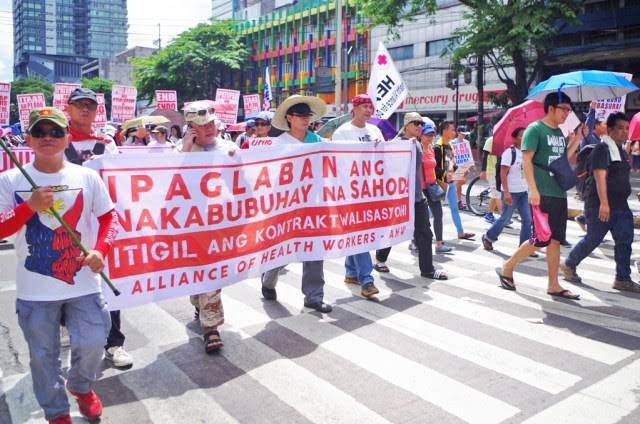
Many Healthcare workers in the Philippines such as doctors, nurses, medical technologists, and other healthcare professionals protest because of being overworked but underpaid which often leads them to seek job opportunities abroad not because they want to work overseas but because the healthcare system in the Philippines fails to meet their needs to sustain a certain lifestyle. In this present age, the cost of living is high and clearly, the salary does not match the workload that healthcare workers do and worst, if the salary is delayed, it will not properly support daily expenses especially if these workers are not only supporting themselves. Employers are encouraged to give permanent jobs instead of contractual ones. However, they still offer it, especially to fresh graduates to get experience in their chosen medical field. These workers on short-term contracts have the same workload as the permanent employees but with lower salaries, no benefits, and no job security.
According to a study conducted by Cano, E. Et. Al.(2023), states there that "Healthcare workers (HCWs) are daily subjected to various conditions that influence their job satisfaction and affect their performance." Thus, this depicts that job satisfaction has a crucial role in the worker's performance. During the Pandemic, the sacrifices of the healthcare workers who served on the frontline were very much highlighted but even after the pandemic, a lot of them still struggle with low wages, delayed payments, and contractual employment. Being a part of the allied health professionals is difficult but with determination, passion, purpose, a sense of responsibility, and most of the time, lack of choice, they still choose to continue.
If these problems are addressed immediately, hospitals in the Philippines will no longer be concerned about employment issues because these healthcare workers will now prefer working in their own country that offers good hospital facilities and benefits. When the job is secure, with a salary that fairly matches the workload and includes the right benefits, healthcare workers will be able to support themselves and will even gladly stay and serve near their families.
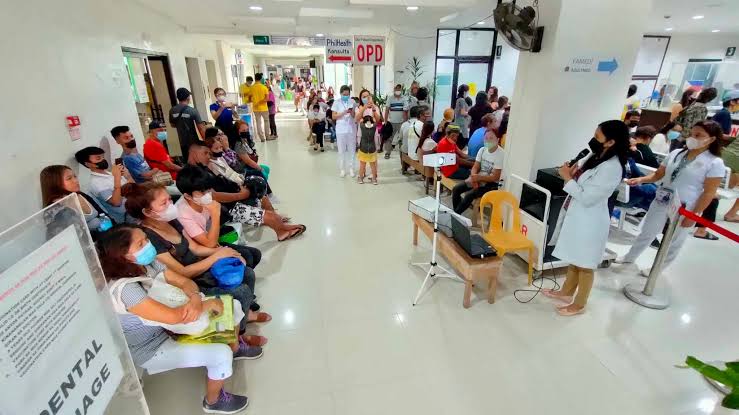
However, if this remains unaddressed, more and more healthcare workers will choose to leave this country leading to poor healthcare services for the Filipino people. For example, with a high number of patients, patients will not be likely to receive sufficient care and attention from the healthcare workers. Failing to address these issues will not only drive more healthcare workers abroad but also weaken the country's healthcare system, leaving Filipino patients with inadequate medical care and overstretched professionals struggling to fill the gaps.

31
The Issue
Many Healthcare workers in the Philippines such as doctors, nurses, medical technologists, and other healthcare professionals protest because of being overworked but underpaid which often leads them to seek job opportunities abroad not because they want to work overseas but because the healthcare system in the Philippines fails to meet their needs to sustain a certain lifestyle. In this present age, the cost of living is high and clearly, the salary does not match the workload that healthcare workers do and worst, if the salary is delayed, it will not properly support daily expenses especially if these workers are not only supporting themselves. Employers are encouraged to give permanent jobs instead of contractual ones. However, they still offer it, especially to fresh graduates to get experience in their chosen medical field. These workers on short-term contracts have the same workload as the permanent employees but with lower salaries, no benefits, and no job security.
According to a study conducted by Cano, E. Et. Al.(2023), states there that "Healthcare workers (HCWs) are daily subjected to various conditions that influence their job satisfaction and affect their performance." Thus, this depicts that job satisfaction has a crucial role in the worker's performance. During the Pandemic, the sacrifices of the healthcare workers who served on the frontline were very much highlighted but even after the pandemic, a lot of them still struggle with low wages, delayed payments, and contractual employment. Being a part of the allied health professionals is difficult but with determination, passion, purpose, a sense of responsibility, and most of the time, lack of choice, they still choose to continue.
If these problems are addressed immediately, hospitals in the Philippines will no longer be concerned about employment issues because these healthcare workers will now prefer working in their own country that offers good hospital facilities and benefits. When the job is secure, with a salary that fairly matches the workload and includes the right benefits, healthcare workers will be able to support themselves and will even gladly stay and serve near their families.
However, if this remains unaddressed, more and more healthcare workers will choose to leave this country leading to poor healthcare services for the Filipino people. For example, with a high number of patients, patients will not be likely to receive sufficient care and attention from the healthcare workers. Failing to address these issues will not only drive more healthcare workers abroad but also weaken the country's healthcare system, leaving Filipino patients with inadequate medical care and overstretched professionals struggling to fill the gaps.
The Decision Makers
Petition Updates
Share this petition
Petition created on February 25, 2025