

Demand RBI Preserve the Legacy of Tim Horton, the Donut King
Demand RBI Preserve the Legacy of Tim Horton, the Donut King
The Issue
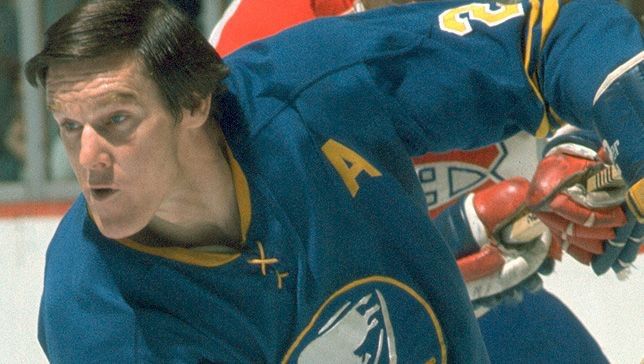
This is Tim, a star defence man for the Maple Leafs for over 20 years in the Northern Hockey League. However, if you're my age, you may remember his name more fondly for the restaurants built in his name. Establishments which serve very little to preserve the glory of either the player or the businessman who started it all.
Today, after global expansion, several acquisitions, & change in leadership for the worst: Tim Horton's is now owned by the infamous Restaurant Brands International, who own: Burger King, Popeye's, & Firehouse Subs. Tim Horton's are but a hollow shell of the former glory it once held. It is important to recognize that Tim was willing to leave the NHL for one thing & one thing only: donuts.
Being a passionate fan of the NHL and a loyal supporter of the Penguins, the legacy of Tim as both a remarkable hockey player and the Donut King is deeply important to me. Tim intended to retire from his stellar hockey career to establish a brand synonymous with the spirit of Canada - offering fresh, quality donuts. Yet, today, finding fryer-fresh donuts in Canada is a challenge, a disappointing shift from the original essence of Tim Hortons that once promised 'Always Fresh.'
Tim opened his first donut shop in Hamilton, Ontario - in 1964, primarily serving fryer fresh donuts. There was a little-known hamburger joint before this, but it was clearly not Tim's passion. Later on, Ron Joyce would takeover the original location, as Tim Horton's expanded across all of Ontario. Ron would also become his co-founder & business partner in 1967.
Tim was widely regarded as a respected player within the NHL, earning recognition as an All-Star & winning four Stanley Cups. He played for the Maple Leafs, Rangers, Penguins, & the Sabres. While playing for the Penguins, Tim suggested he would finally retire to do donuts full-time. However, the general manager of the Sabres loved Tim & his energy so much he gifted him a 1972 De Tomaso Pantera hoping he would play one more season.
However, Tim was a troubled man, who coped with juggling his working conditions between the NHL or his donuts with alcohol & prescription drugs. Ultimately, this led to his demise in 1974, where after losing a game to the Canadiens, he crashed the very same car he had been gifted & died while intoxicated with a blood alcohol level far above the legal limit.
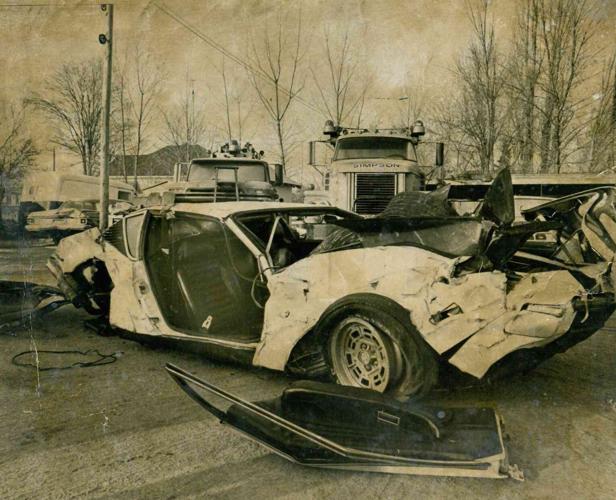
The crash involving Tim on February 21st, 1974 was a single-vehicle accident, involving his 1972 De Tomaso Pantera, resulting in the death of Tim, & Tim alone. He was driving 160 kilometers per hour, late at night after drinking heavily. He was east-bound on Queen Elizabeth Way, when he lost control of the vehicle. It rolled several times, before Tim was ejected from the vehicle through the windshield, as he had not been wearing a seat belt. The autopsy is gruesome & reports Tim having suffering several brutal injuries in the crash.
Tim's shares in the restaurant business were inherited by his widow, Lori - who quickly sold out to co-founder Ron for $1,000,000 CAD & the company 1971 Cadillac Eldorado. When adjusted for inflation, the purchase was worth about $6,400,000 CAD. The restaurant would continue operating mostly as it had before, with the Tim Horton Children’s Foundation being established by Ron in order to fund operations like the Tim's Camps.
In 1984, Tim Horton's would open their first international location in the home of the NHL, New York. This solidified Tim Horton's as not just a Canadian brand, but an NHL brand, & bringing compeititon to US venues like Krispy Kreme or Dunkin Donuts. At this time, Lori attempted to sue Ron for $10,000,000 CAD, or about $27,000,000 adjusted for inflation. Lori claimed she was in a vulnerable position, struggling with addiction. However, this suit would not come to fruition so Ron would maintain his sole ownership of Tim Horton's.

In 1996, Ron decided to finally sell his shares to Wendy's, for about $600,000,000 CAD or about $1,100,000,000 CAD when adjusted for inflation. This marked a new beginning for Tim Horton's, as a fast-food venue. Focused more on the absolute commercialisation & profitability of the brand beyond any legacy it once held.
Before Wendy's acquisition of the company, Tim Horton's operated largely as a bistro or cafe style establishment with rotating menus that included their iconic fryer-fresh donuts, baked goods like cakes, daily soups, & more. However, Wendy's thought the best shift for profitability & accessibility to the masses would be a more fast-food style menu.
In 2000, Lori would pass away, & in the same year Wendy's would announce a plan they had in mind to eliminate fryer-fresh donuts from the Atlantic Canada locations - replacing them with pre-baked factory made donuts. This shift would come into fruition in 2003, beginning with the Atlantic locations, but quickly spreading to all locations. Dunkin Donuts did the same, ditching fryer-fresh donuts for pre-baked factory made donuts.
In the 2010s, they would discontinue the bread bowl & daily soups. Later on, they would discontinue various sauces, soups, & baked goods for a more streamlined arrangement. This practice would continue, until Tim Horton's was acquired by the infamous Restaurant Brands International in 2014, who would streamline the arrangement even further.
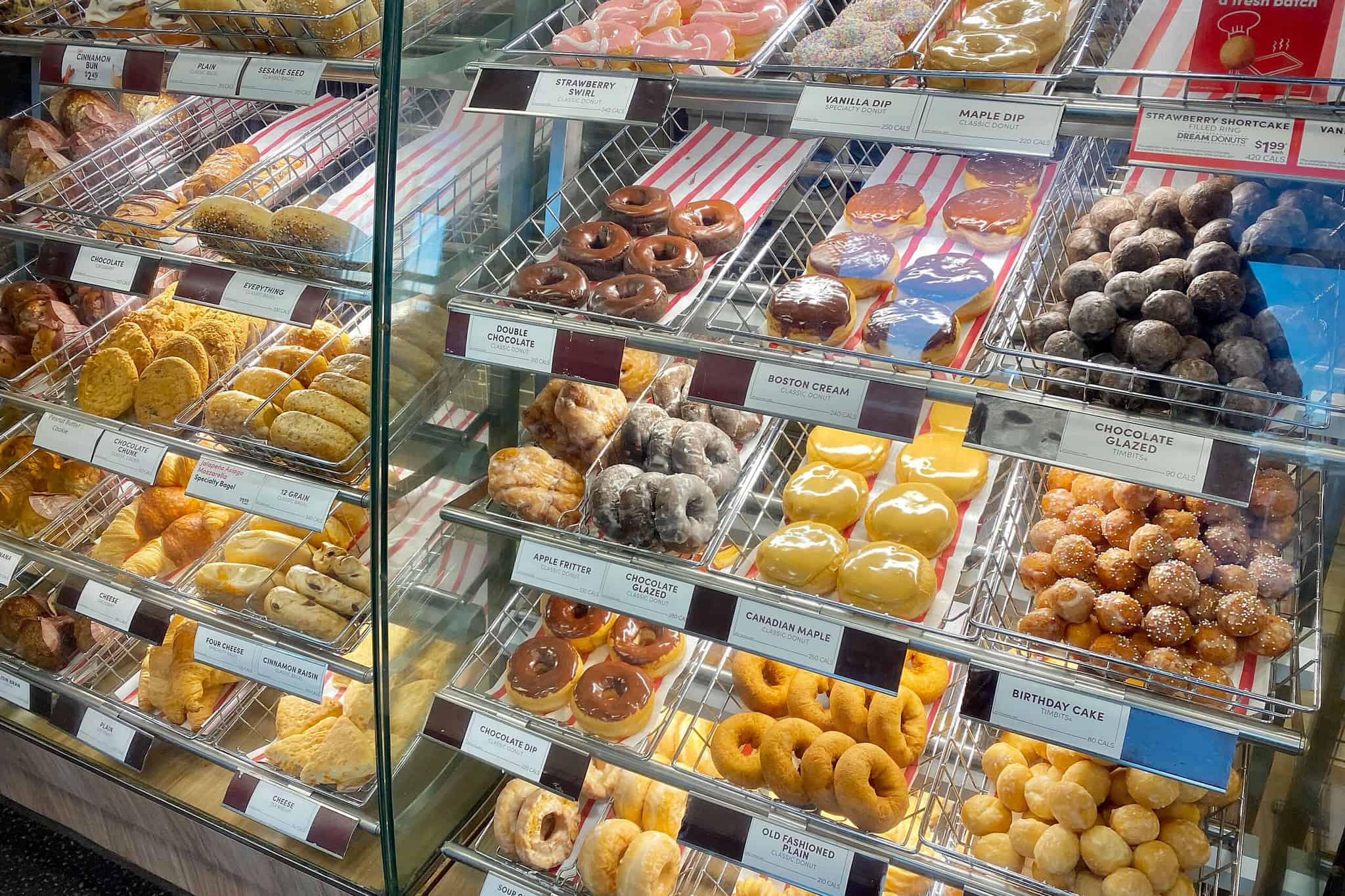
Nowadays, Tim Horton's has the audacity to serve pre-baked factory made donuts, a McDonalds style breakfast, 7/Eleven style pizza, & Red Bull infused beverages. All of which serve very little to preserve the legacy of the once iconic donut brand in acceptance for absolute commercialisation & profits.
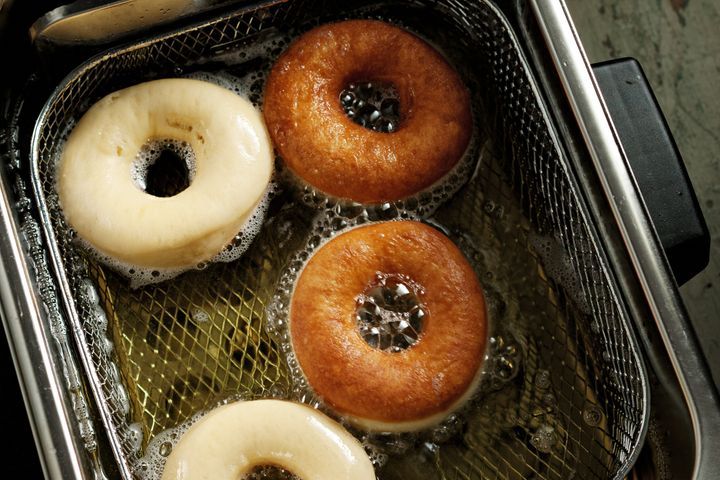
The legacy of Tim deserves to be honoured, not forgotten amidst the absolute commercialisation of the brand. We mustn't let the true essence of Tim Horton's, and indeed the spirit of fresh Canadian donuts, vanish into oblivion. There is a genuine opportunity here for Tim Horton's to rival famous donut giants like Krispy Kreme by returning to its roots and serving authentic, fryer fresh donuts.
Furthermore, connecting Tim Horton's more closely with the NHL could open up creative and exciting avenues. Imagine enjoying NHL themed items, or team-specific donuts dedicated to each city. Such efforts would not only rekindle the original passion and mission of the franchise but would also delight fans across Canada & the United States, bringing them closer to the sport and the sweet memories associated with Tim Horton's.
Tim Horton's, it's time to get back to what made you a cherished part of Canadian culture. By prioritizing fryer fresh donuts and embracing innovations with NHL-themed items, you could restore the confidence and loyalty of countless patrons. Please sign this petition to urge Tim Horton's to revisit its legendary foundations and deliver the quality and creativity that inspires the hearts of Canadians.

52
The Issue
This is Tim, a star defence man for the Maple Leafs for over 20 years in the Northern Hockey League. However, if you're my age, you may remember his name more fondly for the restaurants built in his name. Establishments which serve very little to preserve the glory of either the player or the businessman who started it all.
Today, after global expansion, several acquisitions, & change in leadership for the worst: Tim Horton's is now owned by the infamous Restaurant Brands International, who own: Burger King, Popeye's, & Firehouse Subs. Tim Horton's are but a hollow shell of the former glory it once held. It is important to recognize that Tim was willing to leave the NHL for one thing & one thing only: donuts.
Being a passionate fan of the NHL and a loyal supporter of the Penguins, the legacy of Tim as both a remarkable hockey player and the Donut King is deeply important to me. Tim intended to retire from his stellar hockey career to establish a brand synonymous with the spirit of Canada - offering fresh, quality donuts. Yet, today, finding fryer-fresh donuts in Canada is a challenge, a disappointing shift from the original essence of Tim Hortons that once promised 'Always Fresh.'
Tim opened his first donut shop in Hamilton, Ontario - in 1964, primarily serving fryer fresh donuts. There was a little-known hamburger joint before this, but it was clearly not Tim's passion. Later on, Ron Joyce would takeover the original location, as Tim Horton's expanded across all of Ontario. Ron would also become his co-founder & business partner in 1967.
Tim was widely regarded as a respected player within the NHL, earning recognition as an All-Star & winning four Stanley Cups. He played for the Maple Leafs, Rangers, Penguins, & the Sabres. While playing for the Penguins, Tim suggested he would finally retire to do donuts full-time. However, the general manager of the Sabres loved Tim & his energy so much he gifted him a 1972 De Tomaso Pantera hoping he would play one more season.
However, Tim was a troubled man, who coped with juggling his working conditions between the NHL or his donuts with alcohol & prescription drugs. Ultimately, this led to his demise in 1974, where after losing a game to the Canadiens, he crashed the very same car he had been gifted & died while intoxicated with a blood alcohol level far above the legal limit.
The crash involving Tim on February 21st, 1974 was a single-vehicle accident, involving his 1972 De Tomaso Pantera, resulting in the death of Tim, & Tim alone. He was driving 160 kilometers per hour, late at night after drinking heavily. He was east-bound on Queen Elizabeth Way, when he lost control of the vehicle. It rolled several times, before Tim was ejected from the vehicle through the windshield, as he had not been wearing a seat belt. The autopsy is gruesome & reports Tim having suffering several brutal injuries in the crash.
Tim's shares in the restaurant business were inherited by his widow, Lori - who quickly sold out to co-founder Ron for $1,000,000 CAD & the company 1971 Cadillac Eldorado. When adjusted for inflation, the purchase was worth about $6,400,000 CAD. The restaurant would continue operating mostly as it had before, with the Tim Horton Children’s Foundation being established by Ron in order to fund operations like the Tim's Camps.
In 1984, Tim Horton's would open their first international location in the home of the NHL, New York. This solidified Tim Horton's as not just a Canadian brand, but an NHL brand, & bringing compeititon to US venues like Krispy Kreme or Dunkin Donuts. At this time, Lori attempted to sue Ron for $10,000,000 CAD, or about $27,000,000 adjusted for inflation. Lori claimed she was in a vulnerable position, struggling with addiction. However, this suit would not come to fruition so Ron would maintain his sole ownership of Tim Horton's.
In 1996, Ron decided to finally sell his shares to Wendy's, for about $600,000,000 CAD or about $1,100,000,000 CAD when adjusted for inflation. This marked a new beginning for Tim Horton's, as a fast-food venue. Focused more on the absolute commercialisation & profitability of the brand beyond any legacy it once held.
Before Wendy's acquisition of the company, Tim Horton's operated largely as a bistro or cafe style establishment with rotating menus that included their iconic fryer-fresh donuts, baked goods like cakes, daily soups, & more. However, Wendy's thought the best shift for profitability & accessibility to the masses would be a more fast-food style menu.
In 2000, Lori would pass away, & in the same year Wendy's would announce a plan they had in mind to eliminate fryer-fresh donuts from the Atlantic Canada locations - replacing them with pre-baked factory made donuts. This shift would come into fruition in 2003, beginning with the Atlantic locations, but quickly spreading to all locations. Dunkin Donuts did the same, ditching fryer-fresh donuts for pre-baked factory made donuts.
In the 2010s, they would discontinue the bread bowl & daily soups. Later on, they would discontinue various sauces, soups, & baked goods for a more streamlined arrangement. This practice would continue, until Tim Horton's was acquired by the infamous Restaurant Brands International in 2014, who would streamline the arrangement even further.
Nowadays, Tim Horton's has the audacity to serve pre-baked factory made donuts, a McDonalds style breakfast, 7/Eleven style pizza, & Red Bull infused beverages. All of which serve very little to preserve the legacy of the once iconic donut brand in acceptance for absolute commercialisation & profits.
The legacy of Tim deserves to be honoured, not forgotten amidst the absolute commercialisation of the brand. We mustn't let the true essence of Tim Horton's, and indeed the spirit of fresh Canadian donuts, vanish into oblivion. There is a genuine opportunity here for Tim Horton's to rival famous donut giants like Krispy Kreme by returning to its roots and serving authentic, fryer fresh donuts.
Furthermore, connecting Tim Horton's more closely with the NHL could open up creative and exciting avenues. Imagine enjoying NHL themed items, or team-specific donuts dedicated to each city. Such efforts would not only rekindle the original passion and mission of the franchise but would also delight fans across Canada & the United States, bringing them closer to the sport and the sweet memories associated with Tim Horton's.
Tim Horton's, it's time to get back to what made you a cherished part of Canadian culture. By prioritizing fryer fresh donuts and embracing innovations with NHL-themed items, you could restore the confidence and loyalty of countless patrons. Please sign this petition to urge Tim Horton's to revisit its legendary foundations and deliver the quality and creativity that inspires the hearts of Canadians.
52
The Decision Makers

Supporter Voices
Petition Updates
Share this petition
Petition created on May 10, 2025