Demand a full judicial review of Maliek Hargrave's conviction

Demand a full judicial review of Maliek Hargrave's conviction
The Issue
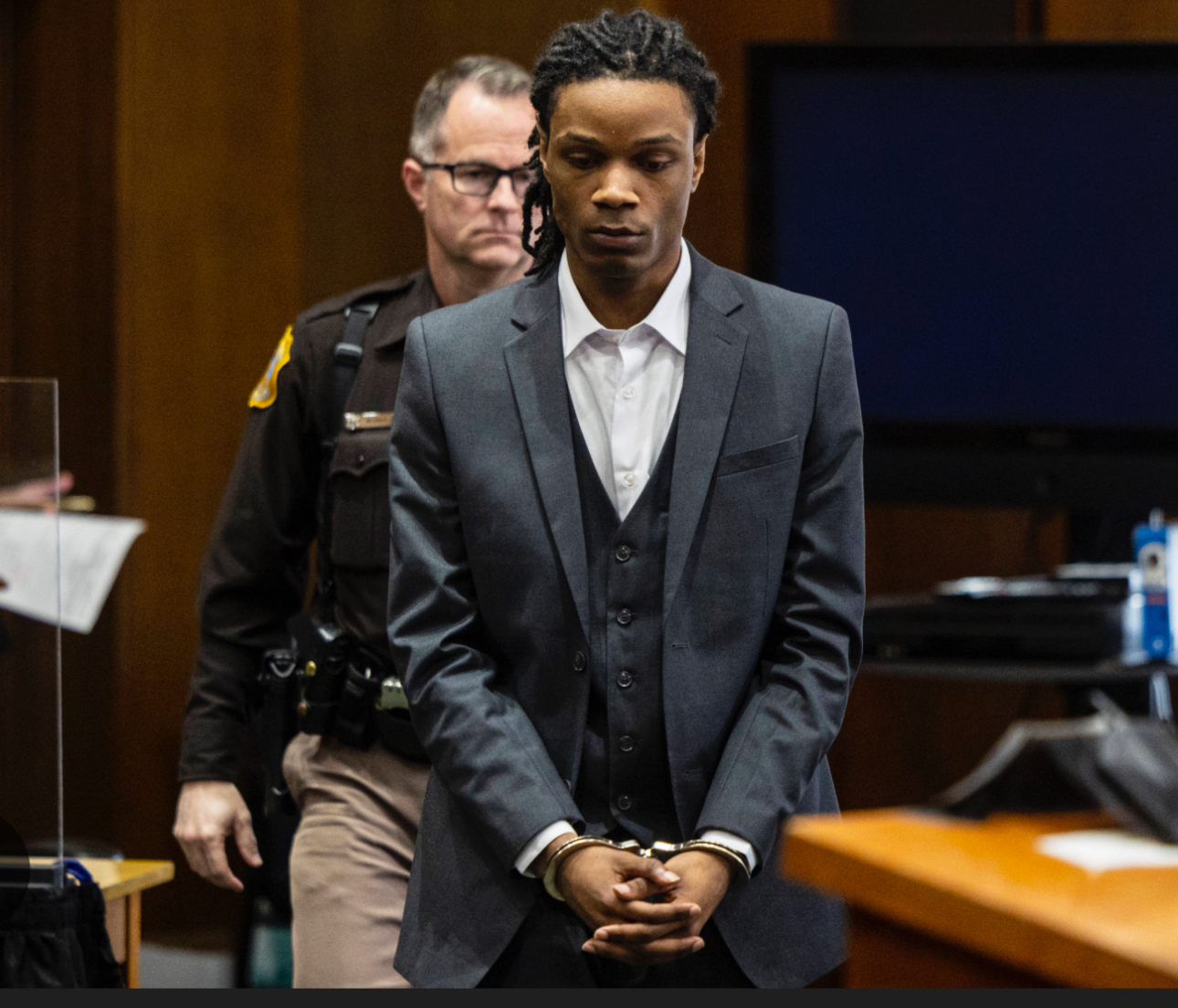
Maliek Hargrave's case is a stark reminder that our justice system is not infallible, and it demands our attention and action. We call for the immediate acquittal or a comprehensive judicial review of Maliek Hargrave's conviction, as there is compelling evidence that his right to a fair trial was gravely compromised.
Every American citizen is assured constitutional protections and equal justice under the law. Unfortunately, Maliek’s trial exhibited fundamental failures that bring into question whether these rights were truly upheld. A critical examination of the evidence and testimonies presented during the trial reveals discrepancies that were unjustly ignored by the court. The verdict delivered is incongruous with the facts, leaving key questions unanswered and fostering doubt about Maliek’s guilt.
This miscarriage of justice cannot go unchecked. The judicial system must address these significant shortcomings to restore fairness and integrity. It is crucial for the preservation of public confidence and trust in our legal institutions that Maliek Hargrave receives the justice every individual is entitled to.
In light of these concerns, we urge the responsible authorities to review all aspects of the trial and sentencing with urgency and transparency, ensuring that the principles of justice are genuinely reflected in Maliek's case. Evidence that was overlooked must be re-evaluated, testimonies re-examined, and any legal missteps corrected promptly.
Join us in calling for fairness and justice. Sign this petition to demand a full judicial review of Maliek Hargrave's conviction. Let's stand together to champion the rights that are the cornerstone of our nation's legal foundation.
Background

Maliek Hargrave is a young Black male from Kalamazoo who had been attending Western Michigan University while working toward a future in social work. Known for his leadership, he stayed involved in community programs, education advancement, and youth support initiatives. His life took a drastic turn when he was wrongfully charged and later convicted in a case built on inconsistent witness statements and minimal physical investigation.
Incident Overview
On the night of the shooting of Mr. Whetstone, Maliek attended a neighborhood block party on Maple Street where multiple individuals were drinking, socializing, and recorded on nearby surveillance cameras. At one point, a gunshot was fired and people dispersed in many directions.
A short interaction earlier in the night between Maliek and an intoxicated acquaintance, Gianna, led to her later alleging that she saw him involved — though her statements have repeatedly been inconsistent, delayed, and contradicted by other evidence.
The criminal case against Maliek Hargrave went through multiple failed attempts before a conviction was reached. Each stage of the process reveals serious procedural problems:
Initial Court Proceedings
• The first two proceedings were dismissed due to:
• Key witnesses failing to appear
• Prosecutorial unpreparedness
• Insufficient evidence to proceed
These dismissals indicate that the prosecution lacked a reliable case foundation from the beginning.
The prosecution improperly asserted that the alleged motive in this case was gang-related, despite a complete lack of credible evidence to support such a claim. Key witnesses who were directly involved and questioned under oath expressly stated that they had no knowledge of the defendant being affiliated with, associated with, or tied to any gang activity. No physical evidence, documentation, expert testimony, or corroborating witness testimony was presented to substantiate the prosecution’s gang-related motive theory. The introduction of this unsupported allegation served only to prejudice the jury, improperly influence their perception of the defendant, and distract from the absence of reliable evidence linking the defendant to the charged offense. The use of a speculative and unsubstantiated gang narrative violated the defendant’s right to a fair trial and due process.
First Full Trial — Hung Jury
• A jury was assembled for the 1st trial, where evidence was fully heard.
• The result: Hung jury
➤ 10 jurors for NOT GUILTY
➤ 2 jurors for guilty
This clear imbalance strongly suggests that the majority found insufficient proof to convict beyond a reasonable doubt.
Second Trial — Dismissed
• The second trial attempt was again dismissed due to continuing witness and evidence issues.
• The prosecution relied heavily on a single witness known to be unreliable and inconsistent.
• Despite two trial failures, the case was continued toward retrial, rather than dismissed with prejudice.
Third Trial — Questionable Verdict
• At the 3rd trial, a guilty verdict was reached under concerning circumstances:
• Jurors reportedly appeared visibly upset and crying and seemed pressured into her decision.
• Possible coercion or juror influence affected deliberation integrity
• Defense objections to trial irregularities were dismissed without proper review
This raises major concerns about whether the verdict was freely, fairly, and unanimously determined.
One of the three prosecution witnesses returned for the 3rd trial and testified to being threatened by police. On the stand, she stated:
Police told her they would “make her life a living hell” if she did not cooperate.
Additionally:
One of the prosecution’s key witnesses — one of only two witnesses originally listed who failed to appear for both the first and second trials — appeared for the third trial and became the prosecution’s primary link used to secure a conviction.
This witness was present on the night of the shooting and initially gave a statement to police affirming that she did not see Maliek Hargrave shoot Jason Whetstone. At no point in her original statement did she identify Maliek as the shooter or state that she observed him commit any criminal act.
Subsequently, this witness became involved in her own criminal matter involving attempted murder, stemming from a separate incident in which her vehicle was used. Shell casings recovered from that attempted murder were later determined to match the shell casings found at the scene of Mr. Whetstone’s death, directly connecting her vehicle to the same firearm evidence.
After facing potential criminal exposure, the witness returned and changed her account, ultimately testifying against Maliek. On the stand, she admitted under oath that:
She had lied about multiple things in her statements
She was promised leniency in exchange for her testimony
Police threatened her, stating they would “make her life a living hell” if she did not cooperate
Despite admitting she did not see Maliek commit the shooting, her altered testimony became the central thread used to tie the prosecution’s case together.
• She was offered to testify against Maliek in exchange for avoiding charges in her own criminal matter.
• That matter involved:
• Her car being used in a separate attempted shooting days prior to this incident.
• Shell casings recovered from that incident
• Those casings matched the shell casings found at the scene where Mr. Whetstone was killed.
This witness had:
✔️ A powerful motive to protect herself
✔️ A deal dependent on harming the defendant
✔️ A direct connection to the same murder weapon evidence of who may have used it.
✔️ A known history of dishonesty — including being caught lying under oath
🚫 None of these facts were presented to the jury.
furthermore
During trial testimony, another eyewitness who observed the shooter provided a clear and specific description of the perpetrator’s clothing. This witness testified that the shooter was wearing:
An all-white hoodie
White jogging pants
This eyewitness was the only witness able to identify the clothing worn by the shooter at the time of the incident.
This description directly contradicts what Maliek Hargrave was wearing that night. Multiple accounts confirm that Maliek was dressed in:
Blue jeans
A varsity jacket
Critically, neither of the prosecution witnesses who testified against Maliek — including the witness whose testimony became central at the third trial — was able to identify what Maliek was wearing at the time of the shooting. Neither witness testified to seeing Maliek commit the act, nor could they provide a clothing description placing him in the shooter’s attire.
The only witness who provided a detailed and specific description of the shooter’s clothing described attire that did not match Maliek Hargrave.
🚫 Despite the importance of this discrepancy, the jury was not meaningfully guided to reconcile this contradiction, nor was the inconsistency weighed against the prosecution’s theory of guilt.
This failure to properly evaluate and present contradictory eyewitness evidence further undermines the reliability of the verdict and raises serious concerns regarding whether the defendant was accurately identified as the perpetrator.
They were not permitted to hear the full credibility issues or potential criminal liability this witness faced.
The Aftermath
Also The Judge Decided to over sentence him outside of his guideline's without factual reasoning according to the law.
🌟 Current Status & Rehabilitation Overview
Since his conviction, Maliek Hargrave has continued to rise above his circumstances with determination, discipline, and spiritual grounding. Rather than allow the criminal justice system to break him, he has embraced a journey of self-betterment and leadership from within.
✦ Education & Personal Development
Maliek is actively working to continue his college education while incarcerated — a significant milestone in itself. Despite restricted access and institutional barriers, he has:
• Enrolled in two rehabilitative programs:
Common Grounds & Men of Integrity
• Remained committed to completing his Social Work degree
• Become one of the first participants to continue utilizing the Kalamazoo Promise scholarship while incarcerated
📌 His determination demonstrates that incarceration is a circumstance — not a destiny.
✦ Spiritual Transformation & Identity
During this chapter, Maliek has embraced his reversion to Islam, restoring his faith and finding renewed inner peace and strength. His relationship with Allah has become his foundation as he navigates this challenge.
He lives each day with belief that:
“What is written for me will reach me. No injustice can erase God’s plan.”
Islam has fueled his resilience, patience, and optimism — keeping him protected spiritually while he seeks justice legally.
✦ Influence & Leadership From Within
Even removed physically from his community, Maliek continues to be a positive force:
✔️ He mentors others inside his facility as a brotherhood
✔️ He encourages emotional and spiritual accountability
✔️ He supports loved ones through letters, calls, and conversations
✔️ He walks with purpose and integrity
✔️ He refuses to lose sight of who he is and who he serves
Those around him — and those who communicate with him from outside — continue to be inspired by his character and perseverance.
🚀 Vision Forward: The Journey is Not Over
This incarceration is temporary, and Maliek remains steadfast in the fight for his freedom. He is preparing his mind, heart, and future to step back into society stronger than when he left — with:
• A deeper mission
• A sharpened purpose
• A calling to help others overcome what he has survived
He will return to his community not as a victim of the system,
but as a leader who overcame it.
Wherever he chooses to continue his life’s work — whether in:
• Youth mentorship
• Social work
• Criminal justice reform
• Community advocacy
He will continue making a difference.
Because his story is not defined by injustice —
✨ His story is defined by faith, resilience, and the truth that will free him. ✨
*When signing petition you do not have to donate any funds. Those don’t go to the petitioner they go to the website*

1,040
The Issue
Maliek Hargrave's case is a stark reminder that our justice system is not infallible, and it demands our attention and action. We call for the immediate acquittal or a comprehensive judicial review of Maliek Hargrave's conviction, as there is compelling evidence that his right to a fair trial was gravely compromised.
Every American citizen is assured constitutional protections and equal justice under the law. Unfortunately, Maliek’s trial exhibited fundamental failures that bring into question whether these rights were truly upheld. A critical examination of the evidence and testimonies presented during the trial reveals discrepancies that were unjustly ignored by the court. The verdict delivered is incongruous with the facts, leaving key questions unanswered and fostering doubt about Maliek’s guilt.
This miscarriage of justice cannot go unchecked. The judicial system must address these significant shortcomings to restore fairness and integrity. It is crucial for the preservation of public confidence and trust in our legal institutions that Maliek Hargrave receives the justice every individual is entitled to.
In light of these concerns, we urge the responsible authorities to review all aspects of the trial and sentencing with urgency and transparency, ensuring that the principles of justice are genuinely reflected in Maliek's case. Evidence that was overlooked must be re-evaluated, testimonies re-examined, and any legal missteps corrected promptly.
Join us in calling for fairness and justice. Sign this petition to demand a full judicial review of Maliek Hargrave's conviction. Let's stand together to champion the rights that are the cornerstone of our nation's legal foundation.
Background
Maliek Hargrave is a young Black male from Kalamazoo who had been attending Western Michigan University while working toward a future in social work. Known for his leadership, he stayed involved in community programs, education advancement, and youth support initiatives. His life took a drastic turn when he was wrongfully charged and later convicted in a case built on inconsistent witness statements and minimal physical investigation.
Incident Overview
On the night of the shooting of Mr. Whetstone, Maliek attended a neighborhood block party on Maple Street where multiple individuals were drinking, socializing, and recorded on nearby surveillance cameras. At one point, a gunshot was fired and people dispersed in many directions.
A short interaction earlier in the night between Maliek and an intoxicated acquaintance, Gianna, led to her later alleging that she saw him involved — though her statements have repeatedly been inconsistent, delayed, and contradicted by other evidence.
The criminal case against Maliek Hargrave went through multiple failed attempts before a conviction was reached. Each stage of the process reveals serious procedural problems:
Initial Court Proceedings
• The first two proceedings were dismissed due to:
• Key witnesses failing to appear
• Prosecutorial unpreparedness
• Insufficient evidence to proceed
These dismissals indicate that the prosecution lacked a reliable case foundation from the beginning.
The prosecution improperly asserted that the alleged motive in this case was gang-related, despite a complete lack of credible evidence to support such a claim. Key witnesses who were directly involved and questioned under oath expressly stated that they had no knowledge of the defendant being affiliated with, associated with, or tied to any gang activity. No physical evidence, documentation, expert testimony, or corroborating witness testimony was presented to substantiate the prosecution’s gang-related motive theory. The introduction of this unsupported allegation served only to prejudice the jury, improperly influence their perception of the defendant, and distract from the absence of reliable evidence linking the defendant to the charged offense. The use of a speculative and unsubstantiated gang narrative violated the defendant’s right to a fair trial and due process.
First Full Trial — Hung Jury
• A jury was assembled for the 1st trial, where evidence was fully heard.
• The result: Hung jury
➤ 10 jurors for NOT GUILTY
➤ 2 jurors for guilty
This clear imbalance strongly suggests that the majority found insufficient proof to convict beyond a reasonable doubt.
Second Trial — Dismissed
• The second trial attempt was again dismissed due to continuing witness and evidence issues.
• The prosecution relied heavily on a single witness known to be unreliable and inconsistent.
• Despite two trial failures, the case was continued toward retrial, rather than dismissed with prejudice.
Third Trial — Questionable Verdict
• At the 3rd trial, a guilty verdict was reached under concerning circumstances:
• Jurors reportedly appeared visibly upset and crying and seemed pressured into her decision.
• Possible coercion or juror influence affected deliberation integrity
• Defense objections to trial irregularities were dismissed without proper review
This raises major concerns about whether the verdict was freely, fairly, and unanimously determined.
One of the three prosecution witnesses returned for the 3rd trial and testified to being threatened by police. On the stand, she stated:
Police told her they would “make her life a living hell” if she did not cooperate.
Additionally:
One of the prosecution’s key witnesses — one of only two witnesses originally listed who failed to appear for both the first and second trials — appeared for the third trial and became the prosecution’s primary link used to secure a conviction.
This witness was present on the night of the shooting and initially gave a statement to police affirming that she did not see Maliek Hargrave shoot Jason Whetstone. At no point in her original statement did she identify Maliek as the shooter or state that she observed him commit any criminal act.
Subsequently, this witness became involved in her own criminal matter involving attempted murder, stemming from a separate incident in which her vehicle was used. Shell casings recovered from that attempted murder were later determined to match the shell casings found at the scene of Mr. Whetstone’s death, directly connecting her vehicle to the same firearm evidence.
After facing potential criminal exposure, the witness returned and changed her account, ultimately testifying against Maliek. On the stand, she admitted under oath that:
She had lied about multiple things in her statements
She was promised leniency in exchange for her testimony
Police threatened her, stating they would “make her life a living hell” if she did not cooperate
Despite admitting she did not see Maliek commit the shooting, her altered testimony became the central thread used to tie the prosecution’s case together.
• She was offered to testify against Maliek in exchange for avoiding charges in her own criminal matter.
• That matter involved:
• Her car being used in a separate attempted shooting days prior to this incident.
• Shell casings recovered from that incident
• Those casings matched the shell casings found at the scene where Mr. Whetstone was killed.
This witness had:
✔️ A powerful motive to protect herself
✔️ A deal dependent on harming the defendant
✔️ A direct connection to the same murder weapon evidence of who may have used it.
✔️ A known history of dishonesty — including being caught lying under oath
🚫 None of these facts were presented to the jury.
furthermore
During trial testimony, another eyewitness who observed the shooter provided a clear and specific description of the perpetrator’s clothing. This witness testified that the shooter was wearing:
An all-white hoodie
White jogging pants
This eyewitness was the only witness able to identify the clothing worn by the shooter at the time of the incident.
This description directly contradicts what Maliek Hargrave was wearing that night. Multiple accounts confirm that Maliek was dressed in:
Blue jeans
A varsity jacket
Critically, neither of the prosecution witnesses who testified against Maliek — including the witness whose testimony became central at the third trial — was able to identify what Maliek was wearing at the time of the shooting. Neither witness testified to seeing Maliek commit the act, nor could they provide a clothing description placing him in the shooter’s attire.
The only witness who provided a detailed and specific description of the shooter’s clothing described attire that did not match Maliek Hargrave.
🚫 Despite the importance of this discrepancy, the jury was not meaningfully guided to reconcile this contradiction, nor was the inconsistency weighed against the prosecution’s theory of guilt.
This failure to properly evaluate and present contradictory eyewitness evidence further undermines the reliability of the verdict and raises serious concerns regarding whether the defendant was accurately identified as the perpetrator.
They were not permitted to hear the full credibility issues or potential criminal liability this witness faced.
The Aftermath
Also The Judge Decided to over sentence him outside of his guideline's without factual reasoning according to the law.
🌟 Current Status & Rehabilitation Overview
Since his conviction, Maliek Hargrave has continued to rise above his circumstances with determination, discipline, and spiritual grounding. Rather than allow the criminal justice system to break him, he has embraced a journey of self-betterment and leadership from within.
✦ Education & Personal Development
Maliek is actively working to continue his college education while incarcerated — a significant milestone in itself. Despite restricted access and institutional barriers, he has:
• Enrolled in two rehabilitative programs:
Common Grounds & Men of Integrity
• Remained committed to completing his Social Work degree
• Become one of the first participants to continue utilizing the Kalamazoo Promise scholarship while incarcerated
📌 His determination demonstrates that incarceration is a circumstance — not a destiny.
✦ Spiritual Transformation & Identity
During this chapter, Maliek has embraced his reversion to Islam, restoring his faith and finding renewed inner peace and strength. His relationship with Allah has become his foundation as he navigates this challenge.
He lives each day with belief that:
“What is written for me will reach me. No injustice can erase God’s plan.”
Islam has fueled his resilience, patience, and optimism — keeping him protected spiritually while he seeks justice legally.
✦ Influence & Leadership From Within
Even removed physically from his community, Maliek continues to be a positive force:
✔️ He mentors others inside his facility as a brotherhood
✔️ He encourages emotional and spiritual accountability
✔️ He supports loved ones through letters, calls, and conversations
✔️ He walks with purpose and integrity
✔️ He refuses to lose sight of who he is and who he serves
Those around him — and those who communicate with him from outside — continue to be inspired by his character and perseverance.
🚀 Vision Forward: The Journey is Not Over
This incarceration is temporary, and Maliek remains steadfast in the fight for his freedom. He is preparing his mind, heart, and future to step back into society stronger than when he left — with:
• A deeper mission
• A sharpened purpose
• A calling to help others overcome what he has survived
He will return to his community not as a victim of the system,
but as a leader who overcame it.
Wherever he chooses to continue his life’s work — whether in:
• Youth mentorship
• Social work
• Criminal justice reform
• Community advocacy
He will continue making a difference.
Because his story is not defined by injustice —
✨ His story is defined by faith, resilience, and the truth that will free him. ✨
*When signing petition you do not have to donate any funds. Those don’t go to the petitioner they go to the website*
1,040
Supporter Voices
Petition Updates
Share this petition
Petition created on December 8, 2025