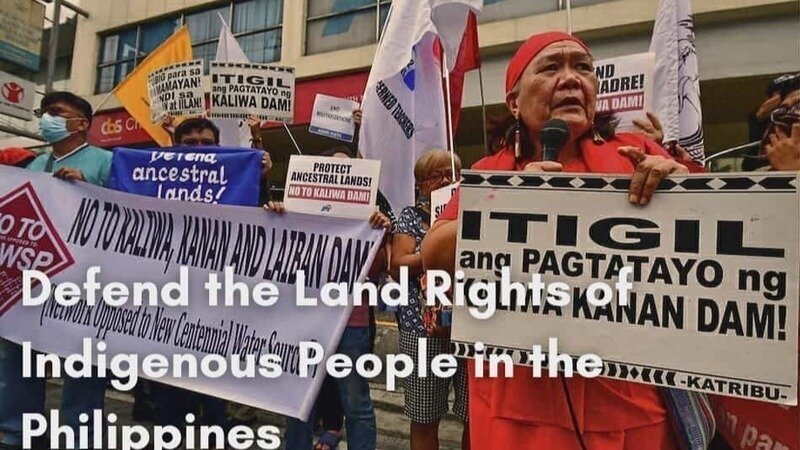
Defend the Land Rights of Indigenous Peoples in the Philippines
The Issue
Protect Indigenous Peoples’ Land Rights In The Philippines
Problems remain in the effort of Filipino Indigenous people to pass and uphold their own ancestral land rights to receive official government recognition. Many Indigenous communities faced lack of legal protection, resettlement, and their areas are being taken or used without permission, which is threatening their culture, traditions and way of life.
This advocacy aims to raise awareness and support for Indigenous Peoples’ land rights, essential for their survival, identity, and well-being.
Protect Indigenous Peoples’ rights to their land, territory, and livelihoods from potential illegal entries and resettlements.
Filipino Indigenous Peoples continue to struggle with the challenge of obtaining official recognition of their ancestral domains. A large number of their lands are invaded or otherwise used without consent, endangering their culture, traditions and way of life.
The Phil. National Commission on Indigenous Peoples (NCIP) states that, many ancestral domains in the Philippines remain unrecognized or imperiled for lack of proper land titling and invasion by outside entities.
This advocacy intends to raise awareness and promote support for Indigenous land rights which will assure Indigenous Peoples full ownership and control of their ancestral homelands.
According to the United Nations Declaration on the Rights of Indigenous Peoples (UNDRIP), Indigenous Peoples have the right to own, use, develop and control their lands and resources which they have traditionally owned or otherwise occupied. We strive to protect the right of Indigenous Peoples to their lands, territories and livelihoods from illegal encroachment, exploitation and displacement.
“Defend the Land Rights of Indigenous Peoples in the Philippines”
Indigenous territories are the basis of their identity, culture and existential being. They are of great spiritual, historical and cultural significance. However, many Indigenous communities continue to suffer land grabbing, forced displacement, and denial of legal recognition.
According to environmental and human rights groups, projects such as the Kaliwa Dam would flood ancestral lands and destroy Indigenous culture, often without true Free, Prior and Informed Consent (FPIC) as required by law.
Despite these hardships, Indigenous Peoples continue to find themselves on the frontlines of human rights and environmental protection, defending their heritage and the environment for future generations.
According to Cultural Survival (2023), Defenders of the land in the Philippines are key protectors of forests and natural resources but endure harassments and violence for standing up for their rights.
To protect their land rights, it is not just about justice, but about protecting the cultural roots of our nation while ensuring sustainable development.
Department of Environment and Natural Resources (DENR)
National Commission on Indigenous Peoples (NCIP)
It is important for the DENR and NCIP to enhance the protection of Indigenous ancestrals lands by
Enforcing laws for Free, Prior and Informed Consent (FPIC) on all land use projects
Preventing illegal activities and encroachments in Indigenous territories.
Ensuring that ancestral domains are properly recognised and protected for Indigenous peoples.
According to the Philippine Constitution (Article XII, Section 5), the State shall recognize and protect the rights of Indigenous cultural communities to their ancestral lands to ensure their economic, social, and cultural well-being.
Let us unite to defend the rights of Indigenous peoples, to their lands, their culture and to their future. Their fight is not just about survival, it is a fight for justice, a fight about dignity, a fight about identity.

35
The Issue
Protect Indigenous Peoples’ Land Rights In The Philippines
Problems remain in the effort of Filipino Indigenous people to pass and uphold their own ancestral land rights to receive official government recognition. Many Indigenous communities faced lack of legal protection, resettlement, and their areas are being taken or used without permission, which is threatening their culture, traditions and way of life.
This advocacy aims to raise awareness and support for Indigenous Peoples’ land rights, essential for their survival, identity, and well-being.
Protect Indigenous Peoples’ rights to their land, territory, and livelihoods from potential illegal entries and resettlements.
Filipino Indigenous Peoples continue to struggle with the challenge of obtaining official recognition of their ancestral domains. A large number of their lands are invaded or otherwise used without consent, endangering their culture, traditions and way of life.
The Phil. National Commission on Indigenous Peoples (NCIP) states that, many ancestral domains in the Philippines remain unrecognized or imperiled for lack of proper land titling and invasion by outside entities.
This advocacy intends to raise awareness and promote support for Indigenous land rights which will assure Indigenous Peoples full ownership and control of their ancestral homelands.
According to the United Nations Declaration on the Rights of Indigenous Peoples (UNDRIP), Indigenous Peoples have the right to own, use, develop and control their lands and resources which they have traditionally owned or otherwise occupied. We strive to protect the right of Indigenous Peoples to their lands, territories and livelihoods from illegal encroachment, exploitation and displacement.
“Defend the Land Rights of Indigenous Peoples in the Philippines”
Indigenous territories are the basis of their identity, culture and existential being. They are of great spiritual, historical and cultural significance. However, many Indigenous communities continue to suffer land grabbing, forced displacement, and denial of legal recognition.
According to environmental and human rights groups, projects such as the Kaliwa Dam would flood ancestral lands and destroy Indigenous culture, often without true Free, Prior and Informed Consent (FPIC) as required by law.
Despite these hardships, Indigenous Peoples continue to find themselves on the frontlines of human rights and environmental protection, defending their heritage and the environment for future generations.
According to Cultural Survival (2023), Defenders of the land in the Philippines are key protectors of forests and natural resources but endure harassments and violence for standing up for their rights.
To protect their land rights, it is not just about justice, but about protecting the cultural roots of our nation while ensuring sustainable development.
Department of Environment and Natural Resources (DENR)
National Commission on Indigenous Peoples (NCIP)
It is important for the DENR and NCIP to enhance the protection of Indigenous ancestrals lands by
Enforcing laws for Free, Prior and Informed Consent (FPIC) on all land use projects
Preventing illegal activities and encroachments in Indigenous territories.
Ensuring that ancestral domains are properly recognised and protected for Indigenous peoples.
According to the Philippine Constitution (Article XII, Section 5), the State shall recognize and protect the rights of Indigenous cultural communities to their ancestral lands to ensure their economic, social, and cultural well-being.
Let us unite to defend the rights of Indigenous peoples, to their lands, their culture and to their future. Their fight is not just about survival, it is a fight for justice, a fight about dignity, a fight about identity.
Petition Updates
Share this petition
Petition created on October 11, 2025