
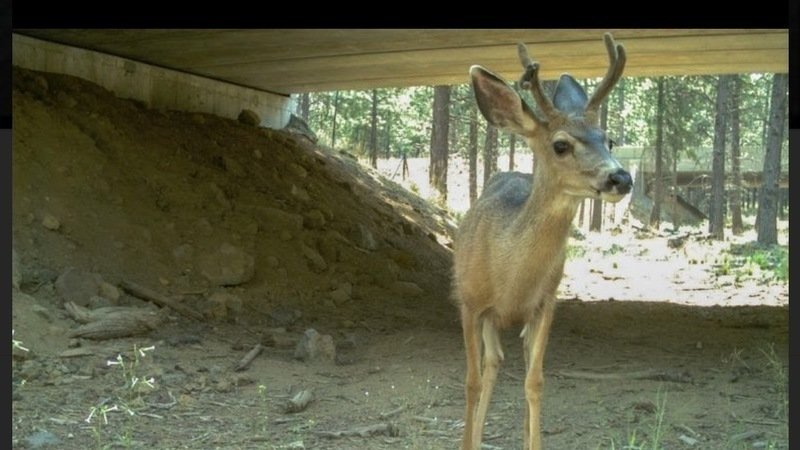
Create Deer Pathways in the Okanagan
The Issue
The Problem:
According to ICBC, B.C.’s Southern Interior sees twice the number of motor-vehicle collisions involving wildlife than the rest of the province.
An average of 4,800 animal-involved collisions per year take place in the Southern Interior; the figure climbed as high as approximately 5,200 in 2016. “Even North Central B.C., the region with the next most animal-involved crashes per year, fell far short of the Southern Interior, averaging approximately 2,700 per year.”
Of the 11,000 crashes involving animals which take place in the province each year, an average of 650 result in injuries to people, an average of three people are killed and $41,000,000 is paid in claims by ICBC. https://www.kelownacapnews.com/news/animals-involved-in-11000-vehicle collisions-annually-across-b-c/
The Cause:
The Okanagan has one of the worst track records for environmental protection and sustainability in all of Canada.
The pathways wild animals have followed since ancient times are now blocked with fences and new development. They have no safe passage over highways or through properties surrounded with tall chainlink fences. Fawns are unable to jump many of these fences and their mothers need to find other ways around.
The escalation of development in the past 2 years is ruining every last zone of habitat in the local areas. There are no guidelines to provide protection for wildlife.
Proposed Mitigation Measures:
Create wildlife corridors, crossings, overpasses and underpasses, ecopassages as done all around the world including in Ontario where it is being monitored by *Eco-Kare on Highway 69 south of Sudbury and north of Parry Sound. “Wildlife corridors provide animals with multiple benefits. They mprove access to food and water and they allow animals to safely move about while avoiding roads and other human infrastructure. They also support the spread of seeds and pollen, which enhances biodiversity and strengthens ecosystem resilience.” https://www.sustainability times.com/environmental-protection/study-habitat-corridors-help-to-boost-biodiversity/
Change homeowner behaviour: Countless kilometers of fence crisscross rural areas like strands of a spider’s web. It is crucial to educate all homeowners about, then enforce Wildlife Friendly Fencing as done by Alberta's Ministry of Environment.
Change Driver Behaviour: A number of strategies can be employed to make safe driving second nature and avoid most accidents involving wild animals. Public education campaigns, enforced speed reduction, wildlife warning signs, route selection, animal detection systems, roadway lighting, etc...
Read about the successes and failures of Wildlife Corridors: https://mossy.earth/rewilding-knowledge/wildlife corridors
*“Since 2011, Eco-Kare has been monitoring the large-animal road-wildlife mitigation measures on Highway 69 south of Sudbury and north of Parry Sound. Those mitigation measures comprise 10 km of large animal fencing, 27 one-way gates and two ungulate guards. Wildlife crossing structures include a 30 m-wide wildlife overpass bridge, four wildlife underpasses and two river bridge wildlife pathways.” Wildlife Monitoring (Highway 69 Large Animals) | eco-kare international

600
The Issue
The Problem:
According to ICBC, B.C.’s Southern Interior sees twice the number of motor-vehicle collisions involving wildlife than the rest of the province.
An average of 4,800 animal-involved collisions per year take place in the Southern Interior; the figure climbed as high as approximately 5,200 in 2016. “Even North Central B.C., the region with the next most animal-involved crashes per year, fell far short of the Southern Interior, averaging approximately 2,700 per year.”
Of the 11,000 crashes involving animals which take place in the province each year, an average of 650 result in injuries to people, an average of three people are killed and $41,000,000 is paid in claims by ICBC. https://www.kelownacapnews.com/news/animals-involved-in-11000-vehicle collisions-annually-across-b-c/
The Cause:
The Okanagan has one of the worst track records for environmental protection and sustainability in all of Canada.
The pathways wild animals have followed since ancient times are now blocked with fences and new development. They have no safe passage over highways or through properties surrounded with tall chainlink fences. Fawns are unable to jump many of these fences and their mothers need to find other ways around.
The escalation of development in the past 2 years is ruining every last zone of habitat in the local areas. There are no guidelines to provide protection for wildlife.
Proposed Mitigation Measures:
Create wildlife corridors, crossings, overpasses and underpasses, ecopassages as done all around the world including in Ontario where it is being monitored by *Eco-Kare on Highway 69 south of Sudbury and north of Parry Sound. “Wildlife corridors provide animals with multiple benefits. They mprove access to food and water and they allow animals to safely move about while avoiding roads and other human infrastructure. They also support the spread of seeds and pollen, which enhances biodiversity and strengthens ecosystem resilience.” https://www.sustainability times.com/environmental-protection/study-habitat-corridors-help-to-boost-biodiversity/
Change homeowner behaviour: Countless kilometers of fence crisscross rural areas like strands of a spider’s web. It is crucial to educate all homeowners about, then enforce Wildlife Friendly Fencing as done by Alberta's Ministry of Environment.
Change Driver Behaviour: A number of strategies can be employed to make safe driving second nature and avoid most accidents involving wild animals. Public education campaigns, enforced speed reduction, wildlife warning signs, route selection, animal detection systems, roadway lighting, etc...
Read about the successes and failures of Wildlife Corridors: https://mossy.earth/rewilding-knowledge/wildlife corridors
*“Since 2011, Eco-Kare has been monitoring the large-animal road-wildlife mitigation measures on Highway 69 south of Sudbury and north of Parry Sound. Those mitigation measures comprise 10 km of large animal fencing, 27 one-way gates and two ungulate guards. Wildlife crossing structures include a 30 m-wide wildlife overpass bridge, four wildlife underpasses and two river bridge wildlife pathways.” Wildlife Monitoring (Highway 69 Large Animals) | eco-kare international
Petition Updates
Share this petition
Petition created on September 26, 2022