Corruption in Flood Control Projects in the Philippines

Corruption in Flood Control Projects in the Philippines
The Issue
Flooding is one of the most persistent problems in the Philippines, especially in low-lying and typhoon-prone areas. To address this, the government regularly funds flood control projects such as drainage systems, dikes, pumping stations, and river improvement programs. However, many of these projects have been marred by corruption, which reduces their effectiveness and wastes public funds.
Corruption in flood control projects often occurs through overpricing of materials, substandard construction, ghost projects, and political favoritism in the awarding of contracts. For example, contractors may use cheaper materials or cut corners in construction to save costs while still collecting the full project budget. Some projects are even reported as “completed” despite little to no actual work on the ground.
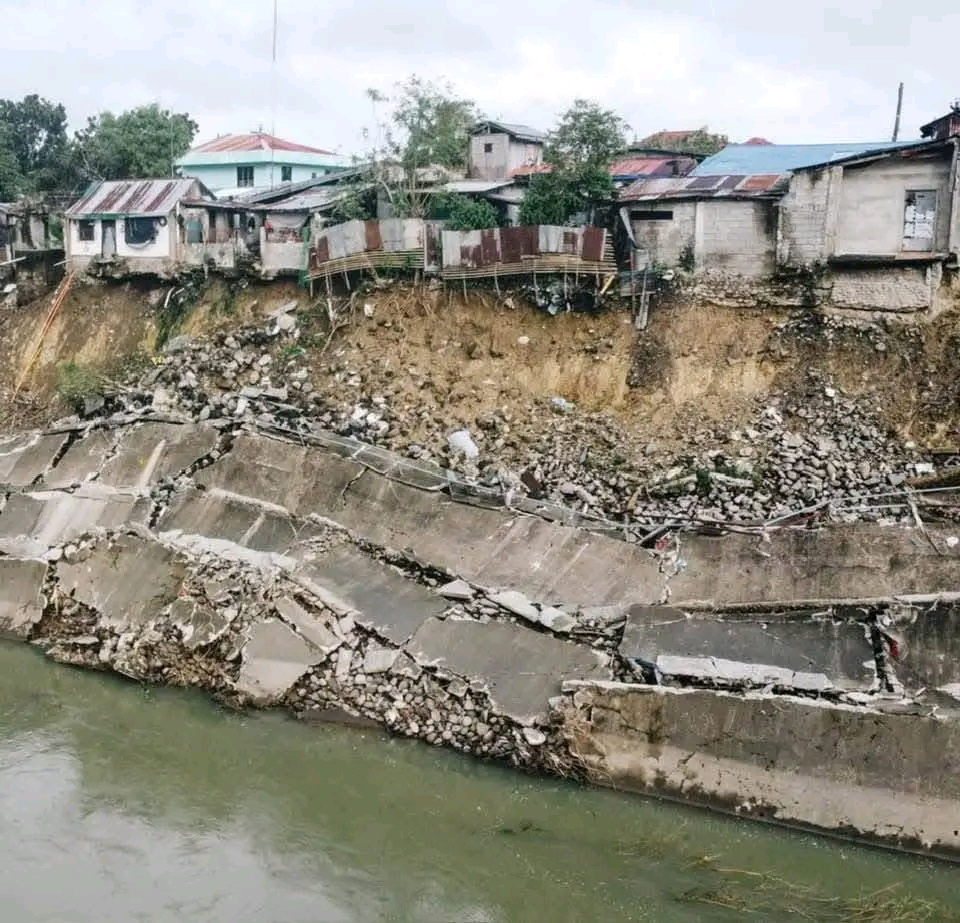
The effects of this corruption are severe: drainage systems fail during heavy rains, dikes collapse, and communities remain vulnerable to flooding despite large amounts of money being spent. This not only undermines public trust in the government but also endangers lives, destroys property, and hampers economic development in flood-prone areas.
At its core, corruption in flood control projects reflects broader governance issues—weak monitoring, lack of transparency, and political patronage. To address this, stricter auditing, transparent procurement, citizen monitoring, and accountability measures are necessary. Genuine anti-corruption reforms would ensure that flood control projects truly serve their purpose: protecting the Filipino people from the devastating impacts of f
loods.

14
The Issue
Flooding is one of the most persistent problems in the Philippines, especially in low-lying and typhoon-prone areas. To address this, the government regularly funds flood control projects such as drainage systems, dikes, pumping stations, and river improvement programs. However, many of these projects have been marred by corruption, which reduces their effectiveness and wastes public funds.
Corruption in flood control projects often occurs through overpricing of materials, substandard construction, ghost projects, and political favoritism in the awarding of contracts. For example, contractors may use cheaper materials or cut corners in construction to save costs while still collecting the full project budget. Some projects are even reported as “completed” despite little to no actual work on the ground.
The effects of this corruption are severe: drainage systems fail during heavy rains, dikes collapse, and communities remain vulnerable to flooding despite large amounts of money being spent. This not only undermines public trust in the government but also endangers lives, destroys property, and hampers economic development in flood-prone areas.
At its core, corruption in flood control projects reflects broader governance issues—weak monitoring, lack of transparency, and political patronage. To address this, stricter auditing, transparent procurement, citizen monitoring, and accountability measures are necessary. Genuine anti-corruption reforms would ensure that flood control projects truly serve their purpose: protecting the Filipino people from the devastating impacts of f
loods.
14
Petition created on September 14, 2025