

Combating Gender Bias and False Cases: A Plea to the Law & Justice Minister for Action
The Issue
Respected Shri Meghwal,
I hope this letter finds you in good health and high spirits. As a concerned citizen of India, I write to you today to draw your attention to the prevailing issue of gender inequality in our great nation and the alarming rise in false cases against innocent men. With utmost respect and humility, I implore you to consider the plight of these men and their families and take immediate action to rectify the situation.
India, despite its remarkable progress in various domains, continues to grapple with gender inequality. According to the latest available data, India ranks disappointingly low on the Gender Inequality Index, trailing behind several nations (Ranked 122 out of 189 countries). This is a matter of grave concern for a country aspiring to become a global superpower.
One critical aspect that demands urgent attention is the prevalence of false cases filed against men in India. The National Crime Records Bureau (NCRB) statistics reveal a disturbing trend. In 2019 alone, out of the total cases filed under Section 498A of the Indian Penal Code, which deals with cruelty against married women, a staggering 76.1% of cases were found to be false or unsubstantiated. These malicious allegations not only burden the courts with wasted time and resources but also have severe consequences for innocent men and their families.
While false cases are filed by individuals, it is the role of the police to investigate these cases impartially and ensure that justice is served. However, the reality often falls short of this ideal. In many instances, the police, who are supposed to protect the innocent, become unwitting facilitators of injustice. There have been numerous reports of biased investigations, wrongful arrests, and a lack of due diligence in examining the veracity of allegations.
How the police function, in reality, can have severe consequences for innocent men and their families. Due to societal pressure or lack of proper investigation, the police sometimes rush to make arrests based solely on accusations, without proper evidence. This not only undermines the principles of justice but also perpetuates the suffering of innocent individuals who are wrongly implicated.
Furthermore, the lack of sensitivity training and gender sensitivity among police personnel further exacerbates the issue. Our police forces must receive comprehensive training on handling gender-related cases, including understanding the dynamics of false cases, recognizing signs of manipulation, and conducting unbiased investigations. Building a gender-sensitive police force is essential to ensure fair and impartial treatment of all parties involved.
In addition to training, there is a need for improved accountability mechanisms within the police force. Cases of false accusations should be thoroughly investigated, and appropriate action should be taken against those responsible for filing malicious complaints. Holding individuals accountable for their actions will not only provide justice to the innocent but also act as a deterrent against future false cases.Let me illustrate the devastating consequences of false cases with the story of Vishnu Tiwari.
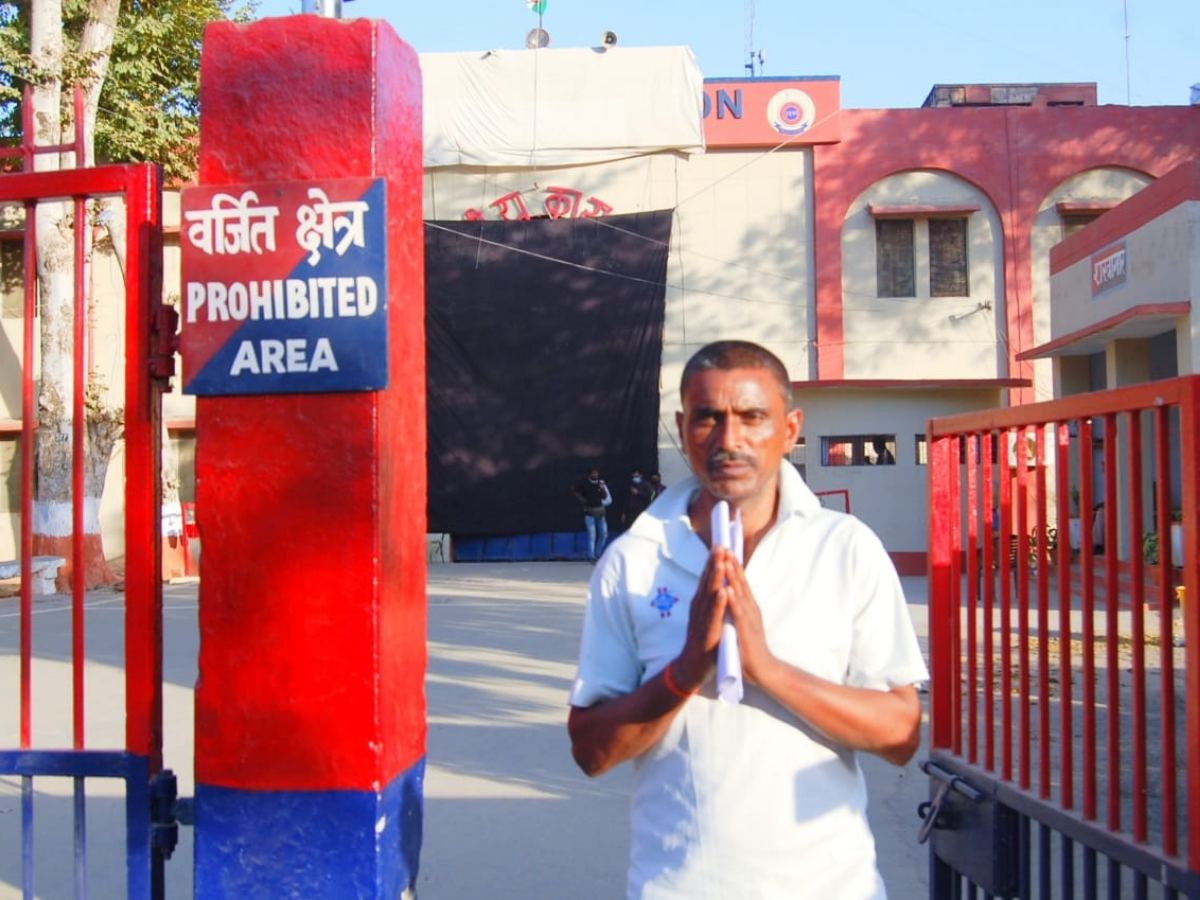
Vishnu Tiwari, a resident of Uttar Pradesh, was wrongfully accused of rape by a woman in 1996. Despite maintaining his innocence, Vishnu Tiwari was arrested and incarcerated for 20 long years. His life was turned upside down, and he suffered immense emotional, mental, financial, and physical harassment. It was only in 2016 that he was acquitted by the Allahabad High Court, which found no evidence to support the charges against him. Tragically, stories like his are becoming increasingly common, casting a dark shadow on our pursuit of justice and equality.
While false cases are primarily filed by individuals, the role of the media in shaping public perception and influencing the discourse surrounding gender issues cannot be understated. The media has a significant responsibility to report accurately, objectively, and responsibly on cases of gender-based violence and false accusations. However, in many instances, the media falls short of these ideals.
One such example is the Rohtak Sisters case, where two young women were initially portrayed as brave hearts fighting against harassment.
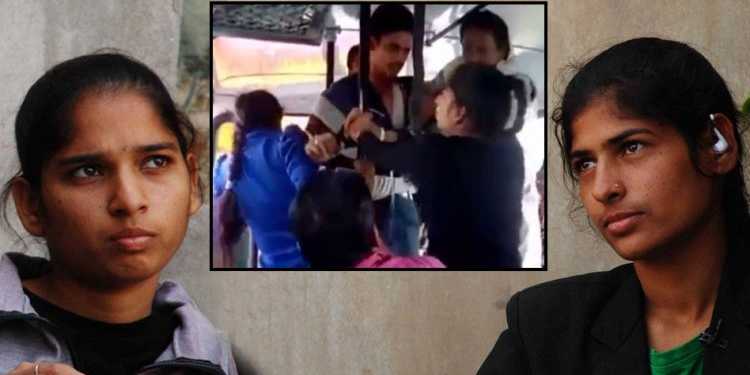
The incident garnered significant media attention, with the sisters being hailed as heroes. However, subsequent investigations revealed inconsistencies in their account, and it was later found that they had falsely accused several men of harassment. This case highlights the importance of responsible reporting and the need for the media to verify facts before presenting narratives that can potentially ruin innocent lives.
Similarly, the Saravjeet case in Delhi gained widespread media coverage, portraying a man as a sexual predator who had assaulted a woman.
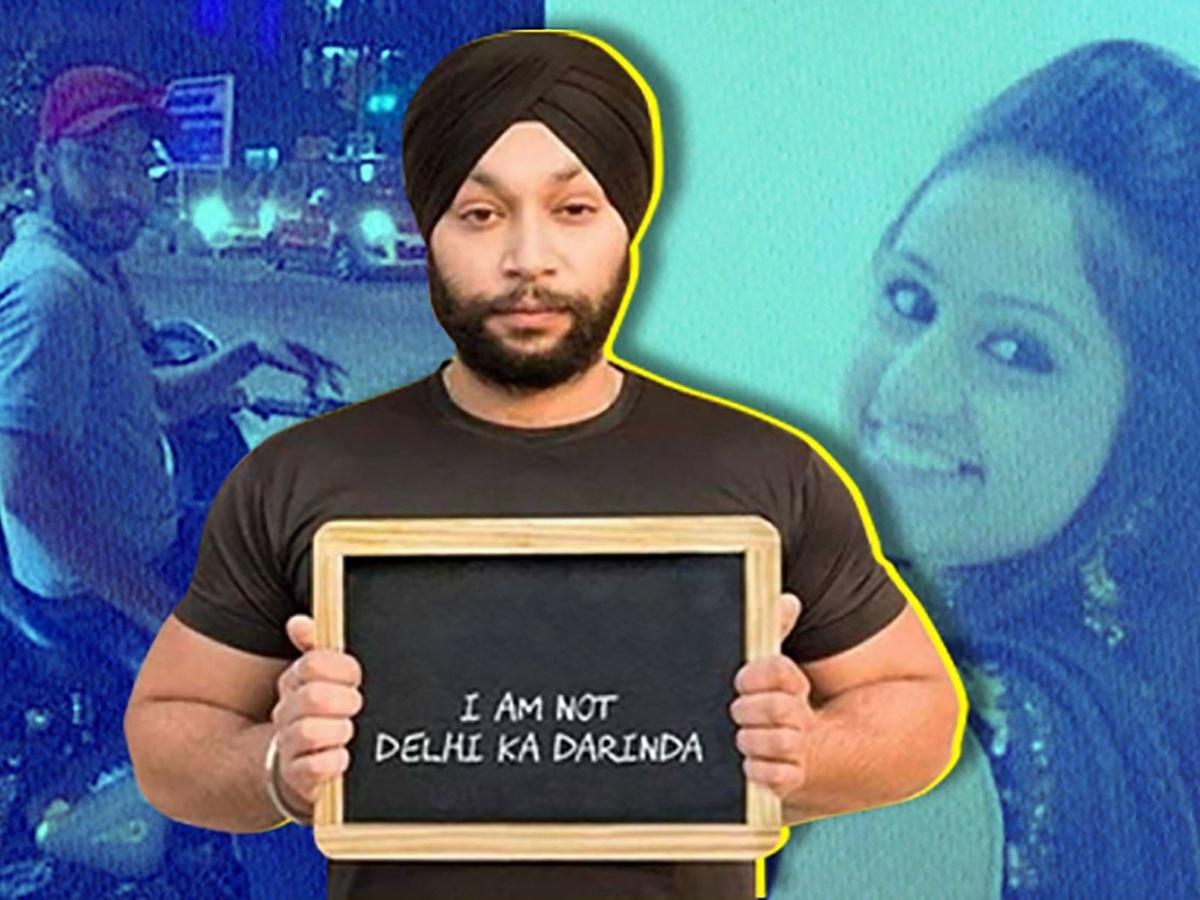
However, as the case unfolded, it became evident that the allegations were fabricated, and the accused had been wrongly implicated. The media's initial portrayal of the accused as guilty without sufficient evidence not only tarnished his reputation but also perpetuated the stigma surrounding false cases.
Sensationalized reporting and biased narratives have the potential to further perpetuate stereotypes and biases, thereby undermining the pursuit of justice and fairness. The media's tendency to highlight cases of violence against women without proper verification or presenting a balanced perspective can lead to the stigmatization of men and contribute to an environment where false cases are encouraged.
The media must exercise caution and responsibility in reporting gender-related issues. This includes conducting thorough research, verifying facts, and providing a fair representation of all parties involved. The media should strive to present a balanced view, recognizing that false cases exist and that innocent individuals can be wrongly accused. By promoting unbiased reporting, the media can contribute to a more informed and nuanced understanding of gender issues in our society.
Moreover, the media plays a vital role in shaping public opinion and influencing policy decisions. It has the power to create awareness, initiate dialogue, and advocate for necessary reforms. Therefore, the media need to take an active role in addressing gender inequality and false cases. This can be achieved through responsible reporting, highlighting the importance of evidence-based justice, and encouraging open discussions on the complexities of gender-related issues.
One of the contributing factors to this crisis is the portrayal of women as the weaker sex, even in this era of equality. While it is crucial to acknowledge the historical struggles faced by women, it is equally important to recognize the need for balance and fairness. The current system inadvertently promotes idleness as women are encouraged to depend on monetary relief from men, even in cases where the accusations are fabricated. This not only perpetuates gender stereotypes but also hampers the progress we seek as a nation.
Additionally, I would like to draw attention to the fact that the Indian workforce is predominantly male, with men constituting a significant majority in various sectors. This disparity is evident in several reports and statistics from renowned sources, such as the National Sample Survey Office (NSSO) and the International Labour Organization (ILO).
The overwhelming dominance of men in the workforce, coupled with the rising prevalence of false litigations against them, poses a serious threat to the Indian economy. When innocent men are subjected to false cases, it not only disrupts their personal lives but also hampers their professional growth and productivity.
False litigations drain the valuable time, resources, and mental well-being of innocent men who are falsely accused. This diversion of resources and focus away from work can have adverse effects on their career advancement and, subsequently, on the overall productivity of the nation.
Moreover, the fear of being falsely implicated in legal battles deters many men from actively participating in the workforce or taking up leadership positions. This not only deprives the economy of its skills and expertise but also perpetuates a gender imbalance that hinders progress and innovation.
I would also like to shed light on a critical issue concerning the Indian judiciary's approach to cases involving fabricated allegations against men. It has been observed that the judiciary often grants monetary relief, such as maintenance or alimony, to women even when it is proven beyond doubt that the accusations made against men are completely false and baseless. This biased treatment further exacerbates the gender inequality prevalent in our legal system.
Several judgments by Indian courts serve as poignant examples of this favouritism towards women, even in cases where their claims are proven to be baseless.
In the recent judgement by Chhattisgarh High Court in the case of Deepak Verma vs Rashmi Verma (2016) granted divorce to husband stating that the wife constantly accused husband of having illicit affair with his own mother amounts to cruelty. However, the court also ordered the husband to pay Rs. 35,000/- per month as maintenance to wife (despite cruelty being proven by wife). The court said "The concept of maintenance grant is to ensure that the wife is not left in a state of destitution after divorce. The Supreme Court has consistently held that in order to ameliorate the financial position of a woman who had left her matrimonial home; grant of maintenance is a means to secure the woman's sustenance, along with that of the children's any. The statutory provision entails that if the husband has sufficient means, he is obligated to maintain his wife and children, and he cannot escape from his moral and familial responsibilities even after divorce."
Another similar instance is the landmark judgement in the case of Rameshchandra Daga vs. Rameshwari Daga (2005). Despite acknowledging that the wife had made false allegations of cruelty against her husband, the court ordered the husband to continue providing financial support, thereby rewarding her dishonesty and perpetuating an unjust system.
In the case of Sunita vs. Surendra Kumar (2010), where the Delhi High Court granted maintenance to the wife despite acknowledging that she had filed a false case of cruelty against her husband. This decision not only highlights the inherent gender bias but also fails to hold individuals accountable for their actions, thereby undermining the principles of fairness and justice.
The Karnataka High Court in the case of Smt. Renuka & Ors. vs Sri Venkatesh (Aug 2023) observed that estranged wife doesn't need to prove "Sufficient Cause For Living Separately" from husband to claim maintenance under section 125 CrPC. Justice C M Poonacha said "as long as the relationship between a married couple is undisputed and wife is living separately from the husband, it is sufficient to attract application of Section 125 CrPC. The trail courts are not required to record a finding as to the sufficient of cause for the wife to live separately from the husband while deciding maintenance applications."
Furthermore, the lack of adequate measures taken by Indian judges and courts when women are found guilty of filing false cases exacerbates the problem. It is disheartening to witness genuine victims being denied justice while the perpetrators of false cases often face no consequences. This undermines the credibility of our legal system and erodes public trust.
I would like to bring to your attention another concerning aspect of gender inequality that exists within our legal system. The issue pertains to how adultery by a husband is considered an act of cruelty, while the same is not necessarily the case when a woman commits adultery. This disparity in treatment undermines the principles of equality and fairness that our judicial system should uphold.
Numerous judgments by Indian courts have demonstrated this unequal treatment. For instance, in the case of Sowmithri Vishnu vs. Union of India (1985), the Supreme Court upheld the constitutional validity of Section 497 of the Indian Penal Code, which stated that only a man could be held liable for the offense of adultery. The judgment highlighted the discriminatory nature of this provision, as it viewed women as passive victims devoid of agency.
Similarly, in the case of V. Revathi vs. Union of India (1988), the Supreme Court held that Section 497 violated a woman's right to equality guaranteed under Article 14 of the Indian Constitution. However, rather than striking down the provision, the court decided to read it down, effectively maintaining the unequal treatment of men and women in cases of adultery.
These examples illustrate the prevailing gender bias within our legal system, where the actions of a husband are considered inherently cruel, while the same actions by a wife may not attract the same legal consequences. This inconsistency perpetuates the notion that women are immune to being perpetrators of cruelty within a marriage, reinforcing harmful stereotypes and denying men the same protections under the law.
To effectively address the issues of gender inequality and false cases, I would like to bring to your attention the importance of establishing a Men's Commission in India. Just as we have institutions and commissions working towards the welfare and empowerment of women and children, a Men's Commission can play a vital role in balancing gender equality in our country. The Men's Commission can serve as a platform to address the specific issues faced by men, including false cases, mental health concerns, and societal biases. It can work towards creating a more inclusive society where both men and women can thrive and contribute their best.
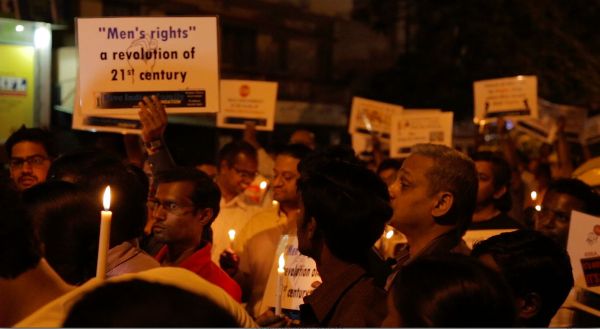
The Men's Commission can also play a crucial role in raising awareness about the challenges faced by men, advocating for their rights, and promoting gender-sensitive policies. It can serve as a bridge between different stakeholders, including government bodies, non-governmental organizations, and the general public, fostering dialogue and understanding.
The citizens of India, especially Indian men, are earnestly looking up to the present government and its strong leadership to transcend the realm of appeasement politics. We believe that under your visionary guidance, we can move towards creating a society where equal rights and opportunities are granted to all, irrespective of their gender.
We look to your administration to break free from the shackles of divisive politics and prioritize the well-being and empowerment of every individual in our nation. By fostering an environment of fairness, justice, and inclusivity, we can establish a society that respects and upholds the rights of both men and women.
Indian men seek a government that understands the nuances of gender issues and works towards striking a harmonious balance. We yearn for policies and initiatives that address the concerns of men, promote gender equality, and ensure that the principles of justice and equality permeate every aspect of our society.
Your leadership holds the potential to shape a transformative future for India, one where all individuals are provided with equal opportunities to thrive and contribute to our nation's progress. By championing the cause of gender equality, you can inspire a positive shift in societal attitudes and dismantle the barriers that hinder our collective progress.
The hopes and aspirations of Indian men rest on your shoulders, dear Minister. We trust in your commitment to creating a society that values and respects the rights and dignity of every individual. Let us work together, hand in hand, to pave the way for a more balanced, just, and prosperous India.
Respected Shri Meghwal, I implore you to take immediate action to address gender inequality and false cases in India. Let us strive together to build a nation that upholds the principles of equality, justice, and fairness for all its citizens. Here are some specific measures that can be taken to address these pressing concerns:
- Strengthening the legal framework: It is crucial to review and amend existing laws to ensure they are not misused or weaponized against innocent individuals. Stricter penalties for filing false cases can act as a deterrent and safeguard the interests of both men and women.
- Judicial reform: We need to establish fast-track courts and expedite the legal process to ensure timely justice for all parties involved. This will help reduce the emotional, mental, and financial burden on innocent men and their families who often suffer for years before their innocence is proven.
- Awareness and sensitization campaigns: Launching widespread awareness campaigns on the consequences of filing false cases and the importance of gender equality will foster a more informed society. Sensitizing the judiciary, police, and legal professionals about the issue is equally vital to ensure fair judgment and protection of the innocent.
- Support systems for victims: Alongside the Women's Commission, a Men's Commission can be established to address the unique challenges faced by men. This commission can provide guidance, support, and counseling services to victims of false cases and work towards creating a society that promotes gender equality.
- Empowering genuine victims: While addressing false cases is important, we must not forget the genuine victims who are in dire need of support and justice. Strengthening support systems, such as providing adequate resources for rehabilitation and counseling, will help them rebuild their lives and contribute to a more equitable society.
- Collaboration with NGOs and civil society: Engaging with non-governmental organizations and civil society groups working towards gender equality can help in formulating effective policies and implementing change at the grassroots level. Their valuable insights and experiences can guide us in creating a more inclusive and just society.
- International cooperation: India's stance on gender equality is closely observed by the international community. By taking significant steps to address gender inequality and false cases, India can position itself as a global leader in promoting gender equality and human rights. This, in turn, will enhance our reputation and contribute to our aspirations of becoming a global superpower.
Respected Shri Meghwal, I firmly believe that by taking decisive action and implementing these measures, we can significantly reduce gender inequality and the prevalence of false cases in India. Your leadership and commitment to justice can shape a brighter and more balanced future for our nation.
As a concerned citizen, I stand ready to support and contribute to these efforts in any way possible. Let us work together to build a society where every individual, regardless of their gender, can thrive and realize their full potential.
Thank you for your attention to this critical matter. I am hopeful that under your guidance, India will embark on a transformative journey towards true gender equality and justice for all.
With sincere regards,
An Indian Citizen
Victim of False Cases
Victim of Biased Indian Law

71
The Issue
Respected Shri Meghwal,
I hope this letter finds you in good health and high spirits. As a concerned citizen of India, I write to you today to draw your attention to the prevailing issue of gender inequality in our great nation and the alarming rise in false cases against innocent men. With utmost respect and humility, I implore you to consider the plight of these men and their families and take immediate action to rectify the situation.
India, despite its remarkable progress in various domains, continues to grapple with gender inequality. According to the latest available data, India ranks disappointingly low on the Gender Inequality Index, trailing behind several nations (Ranked 122 out of 189 countries). This is a matter of grave concern for a country aspiring to become a global superpower.
One critical aspect that demands urgent attention is the prevalence of false cases filed against men in India. The National Crime Records Bureau (NCRB) statistics reveal a disturbing trend. In 2019 alone, out of the total cases filed under Section 498A of the Indian Penal Code, which deals with cruelty against married women, a staggering 76.1% of cases were found to be false or unsubstantiated. These malicious allegations not only burden the courts with wasted time and resources but also have severe consequences for innocent men and their families.
While false cases are filed by individuals, it is the role of the police to investigate these cases impartially and ensure that justice is served. However, the reality often falls short of this ideal. In many instances, the police, who are supposed to protect the innocent, become unwitting facilitators of injustice. There have been numerous reports of biased investigations, wrongful arrests, and a lack of due diligence in examining the veracity of allegations.
How the police function, in reality, can have severe consequences for innocent men and their families. Due to societal pressure or lack of proper investigation, the police sometimes rush to make arrests based solely on accusations, without proper evidence. This not only undermines the principles of justice but also perpetuates the suffering of innocent individuals who are wrongly implicated.
Furthermore, the lack of sensitivity training and gender sensitivity among police personnel further exacerbates the issue. Our police forces must receive comprehensive training on handling gender-related cases, including understanding the dynamics of false cases, recognizing signs of manipulation, and conducting unbiased investigations. Building a gender-sensitive police force is essential to ensure fair and impartial treatment of all parties involved.
In addition to training, there is a need for improved accountability mechanisms within the police force. Cases of false accusations should be thoroughly investigated, and appropriate action should be taken against those responsible for filing malicious complaints. Holding individuals accountable for their actions will not only provide justice to the innocent but also act as a deterrent against future false cases.Let me illustrate the devastating consequences of false cases with the story of Vishnu Tiwari.
Vishnu Tiwari, a resident of Uttar Pradesh, was wrongfully accused of rape by a woman in 1996. Despite maintaining his innocence, Vishnu Tiwari was arrested and incarcerated for 20 long years. His life was turned upside down, and he suffered immense emotional, mental, financial, and physical harassment. It was only in 2016 that he was acquitted by the Allahabad High Court, which found no evidence to support the charges against him. Tragically, stories like his are becoming increasingly common, casting a dark shadow on our pursuit of justice and equality.
While false cases are primarily filed by individuals, the role of the media in shaping public perception and influencing the discourse surrounding gender issues cannot be understated. The media has a significant responsibility to report accurately, objectively, and responsibly on cases of gender-based violence and false accusations. However, in many instances, the media falls short of these ideals.
One such example is the Rohtak Sisters case, where two young women were initially portrayed as brave hearts fighting against harassment.
The incident garnered significant media attention, with the sisters being hailed as heroes. However, subsequent investigations revealed inconsistencies in their account, and it was later found that they had falsely accused several men of harassment. This case highlights the importance of responsible reporting and the need for the media to verify facts before presenting narratives that can potentially ruin innocent lives.
Similarly, the Saravjeet case in Delhi gained widespread media coverage, portraying a man as a sexual predator who had assaulted a woman.
However, as the case unfolded, it became evident that the allegations were fabricated, and the accused had been wrongly implicated. The media's initial portrayal of the accused as guilty without sufficient evidence not only tarnished his reputation but also perpetuated the stigma surrounding false cases.
Sensationalized reporting and biased narratives have the potential to further perpetuate stereotypes and biases, thereby undermining the pursuit of justice and fairness. The media's tendency to highlight cases of violence against women without proper verification or presenting a balanced perspective can lead to the stigmatization of men and contribute to an environment where false cases are encouraged.
The media must exercise caution and responsibility in reporting gender-related issues. This includes conducting thorough research, verifying facts, and providing a fair representation of all parties involved. The media should strive to present a balanced view, recognizing that false cases exist and that innocent individuals can be wrongly accused. By promoting unbiased reporting, the media can contribute to a more informed and nuanced understanding of gender issues in our society.
Moreover, the media plays a vital role in shaping public opinion and influencing policy decisions. It has the power to create awareness, initiate dialogue, and advocate for necessary reforms. Therefore, the media need to take an active role in addressing gender inequality and false cases. This can be achieved through responsible reporting, highlighting the importance of evidence-based justice, and encouraging open discussions on the complexities of gender-related issues.
One of the contributing factors to this crisis is the portrayal of women as the weaker sex, even in this era of equality. While it is crucial to acknowledge the historical struggles faced by women, it is equally important to recognize the need for balance and fairness. The current system inadvertently promotes idleness as women are encouraged to depend on monetary relief from men, even in cases where the accusations are fabricated. This not only perpetuates gender stereotypes but also hampers the progress we seek as a nation.
Additionally, I would like to draw attention to the fact that the Indian workforce is predominantly male, with men constituting a significant majority in various sectors. This disparity is evident in several reports and statistics from renowned sources, such as the National Sample Survey Office (NSSO) and the International Labour Organization (ILO).
The overwhelming dominance of men in the workforce, coupled with the rising prevalence of false litigations against them, poses a serious threat to the Indian economy. When innocent men are subjected to false cases, it not only disrupts their personal lives but also hampers their professional growth and productivity.
False litigations drain the valuable time, resources, and mental well-being of innocent men who are falsely accused. This diversion of resources and focus away from work can have adverse effects on their career advancement and, subsequently, on the overall productivity of the nation.
Moreover, the fear of being falsely implicated in legal battles deters many men from actively participating in the workforce or taking up leadership positions. This not only deprives the economy of its skills and expertise but also perpetuates a gender imbalance that hinders progress and innovation.
I would also like to shed light on a critical issue concerning the Indian judiciary's approach to cases involving fabricated allegations against men. It has been observed that the judiciary often grants monetary relief, such as maintenance or alimony, to women even when it is proven beyond doubt that the accusations made against men are completely false and baseless. This biased treatment further exacerbates the gender inequality prevalent in our legal system.
Several judgments by Indian courts serve as poignant examples of this favouritism towards women, even in cases where their claims are proven to be baseless.
In the recent judgement by Chhattisgarh High Court in the case of Deepak Verma vs Rashmi Verma (2016) granted divorce to husband stating that the wife constantly accused husband of having illicit affair with his own mother amounts to cruelty. However, the court also ordered the husband to pay Rs. 35,000/- per month as maintenance to wife (despite cruelty being proven by wife). The court said "The concept of maintenance grant is to ensure that the wife is not left in a state of destitution after divorce. The Supreme Court has consistently held that in order to ameliorate the financial position of a woman who had left her matrimonial home; grant of maintenance is a means to secure the woman's sustenance, along with that of the children's any. The statutory provision entails that if the husband has sufficient means, he is obligated to maintain his wife and children, and he cannot escape from his moral and familial responsibilities even after divorce."
Another similar instance is the landmark judgement in the case of Rameshchandra Daga vs. Rameshwari Daga (2005). Despite acknowledging that the wife had made false allegations of cruelty against her husband, the court ordered the husband to continue providing financial support, thereby rewarding her dishonesty and perpetuating an unjust system.
In the case of Sunita vs. Surendra Kumar (2010), where the Delhi High Court granted maintenance to the wife despite acknowledging that she had filed a false case of cruelty against her husband. This decision not only highlights the inherent gender bias but also fails to hold individuals accountable for their actions, thereby undermining the principles of fairness and justice.
The Karnataka High Court in the case of Smt. Renuka & Ors. vs Sri Venkatesh (Aug 2023) observed that estranged wife doesn't need to prove "Sufficient Cause For Living Separately" from husband to claim maintenance under section 125 CrPC. Justice C M Poonacha said "as long as the relationship between a married couple is undisputed and wife is living separately from the husband, it is sufficient to attract application of Section 125 CrPC. The trail courts are not required to record a finding as to the sufficient of cause for the wife to live separately from the husband while deciding maintenance applications."
Furthermore, the lack of adequate measures taken by Indian judges and courts when women are found guilty of filing false cases exacerbates the problem. It is disheartening to witness genuine victims being denied justice while the perpetrators of false cases often face no consequences. This undermines the credibility of our legal system and erodes public trust.
I would like to bring to your attention another concerning aspect of gender inequality that exists within our legal system. The issue pertains to how adultery by a husband is considered an act of cruelty, while the same is not necessarily the case when a woman commits adultery. This disparity in treatment undermines the principles of equality and fairness that our judicial system should uphold.
Numerous judgments by Indian courts have demonstrated this unequal treatment. For instance, in the case of Sowmithri Vishnu vs. Union of India (1985), the Supreme Court upheld the constitutional validity of Section 497 of the Indian Penal Code, which stated that only a man could be held liable for the offense of adultery. The judgment highlighted the discriminatory nature of this provision, as it viewed women as passive victims devoid of agency.
Similarly, in the case of V. Revathi vs. Union of India (1988), the Supreme Court held that Section 497 violated a woman's right to equality guaranteed under Article 14 of the Indian Constitution. However, rather than striking down the provision, the court decided to read it down, effectively maintaining the unequal treatment of men and women in cases of adultery.
These examples illustrate the prevailing gender bias within our legal system, where the actions of a husband are considered inherently cruel, while the same actions by a wife may not attract the same legal consequences. This inconsistency perpetuates the notion that women are immune to being perpetrators of cruelty within a marriage, reinforcing harmful stereotypes and denying men the same protections under the law.
To effectively address the issues of gender inequality and false cases, I would like to bring to your attention the importance of establishing a Men's Commission in India. Just as we have institutions and commissions working towards the welfare and empowerment of women and children, a Men's Commission can play a vital role in balancing gender equality in our country. The Men's Commission can serve as a platform to address the specific issues faced by men, including false cases, mental health concerns, and societal biases. It can work towards creating a more inclusive society where both men and women can thrive and contribute their best.
The Men's Commission can also play a crucial role in raising awareness about the challenges faced by men, advocating for their rights, and promoting gender-sensitive policies. It can serve as a bridge between different stakeholders, including government bodies, non-governmental organizations, and the general public, fostering dialogue and understanding.
The citizens of India, especially Indian men, are earnestly looking up to the present government and its strong leadership to transcend the realm of appeasement politics. We believe that under your visionary guidance, we can move towards creating a society where equal rights and opportunities are granted to all, irrespective of their gender.
We look to your administration to break free from the shackles of divisive politics and prioritize the well-being and empowerment of every individual in our nation. By fostering an environment of fairness, justice, and inclusivity, we can establish a society that respects and upholds the rights of both men and women.
Indian men seek a government that understands the nuances of gender issues and works towards striking a harmonious balance. We yearn for policies and initiatives that address the concerns of men, promote gender equality, and ensure that the principles of justice and equality permeate every aspect of our society.
Your leadership holds the potential to shape a transformative future for India, one where all individuals are provided with equal opportunities to thrive and contribute to our nation's progress. By championing the cause of gender equality, you can inspire a positive shift in societal attitudes and dismantle the barriers that hinder our collective progress.
The hopes and aspirations of Indian men rest on your shoulders, dear Minister. We trust in your commitment to creating a society that values and respects the rights and dignity of every individual. Let us work together, hand in hand, to pave the way for a more balanced, just, and prosperous India.
Respected Shri Meghwal, I implore you to take immediate action to address gender inequality and false cases in India. Let us strive together to build a nation that upholds the principles of equality, justice, and fairness for all its citizens. Here are some specific measures that can be taken to address these pressing concerns:
- Strengthening the legal framework: It is crucial to review and amend existing laws to ensure they are not misused or weaponized against innocent individuals. Stricter penalties for filing false cases can act as a deterrent and safeguard the interests of both men and women.
- Judicial reform: We need to establish fast-track courts and expedite the legal process to ensure timely justice for all parties involved. This will help reduce the emotional, mental, and financial burden on innocent men and their families who often suffer for years before their innocence is proven.
- Awareness and sensitization campaigns: Launching widespread awareness campaigns on the consequences of filing false cases and the importance of gender equality will foster a more informed society. Sensitizing the judiciary, police, and legal professionals about the issue is equally vital to ensure fair judgment and protection of the innocent.
- Support systems for victims: Alongside the Women's Commission, a Men's Commission can be established to address the unique challenges faced by men. This commission can provide guidance, support, and counseling services to victims of false cases and work towards creating a society that promotes gender equality.
- Empowering genuine victims: While addressing false cases is important, we must not forget the genuine victims who are in dire need of support and justice. Strengthening support systems, such as providing adequate resources for rehabilitation and counseling, will help them rebuild their lives and contribute to a more equitable society.
- Collaboration with NGOs and civil society: Engaging with non-governmental organizations and civil society groups working towards gender equality can help in formulating effective policies and implementing change at the grassroots level. Their valuable insights and experiences can guide us in creating a more inclusive and just society.
- International cooperation: India's stance on gender equality is closely observed by the international community. By taking significant steps to address gender inequality and false cases, India can position itself as a global leader in promoting gender equality and human rights. This, in turn, will enhance our reputation and contribute to our aspirations of becoming a global superpower.
Respected Shri Meghwal, I firmly believe that by taking decisive action and implementing these measures, we can significantly reduce gender inequality and the prevalence of false cases in India. Your leadership and commitment to justice can shape a brighter and more balanced future for our nation.
As a concerned citizen, I stand ready to support and contribute to these efforts in any way possible. Let us work together to build a society where every individual, regardless of their gender, can thrive and realize their full potential.
Thank you for your attention to this critical matter. I am hopeful that under your guidance, India will embark on a transformative journey towards true gender equality and justice for all.
With sincere regards,
An Indian Citizen
Victim of False Cases
Victim of Biased Indian Law
The Decision Makers
Petition Updates
Share this petition
Petition created on 5 June 2023