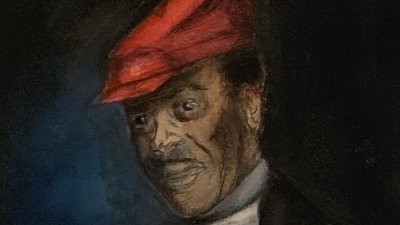
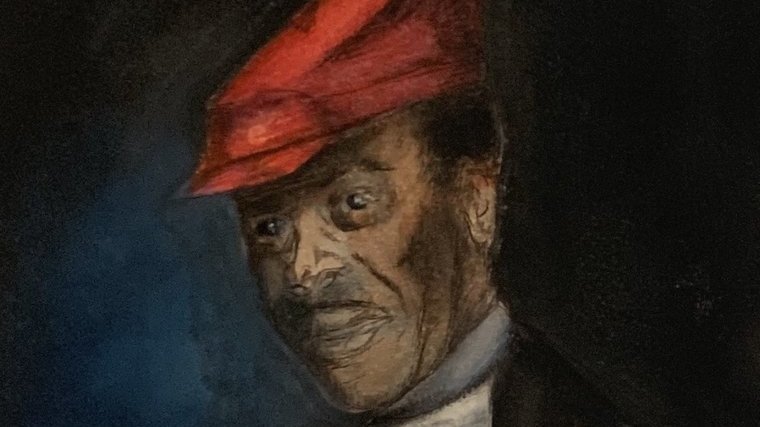
Recognize Abe Hawkins and other Black jockeys historical contribution to Horse Racing
Recognize Abe Hawkins and other Black jockeys historical contribution to Horse Racing
The Issue
Abe Hawkins is in the Fair Grounds Racing Hall of Fame but it's not enough. It's high time we honor and recognize the historical importance of Black Jockeys as athletes and their contributions to the sport. Jimmie Winkfield is the only Black jockey to have a stakes race named after him. It is time for the Fair Grounds and Churchill Downs to do the same for Abe Hawkins who in 1866 the New Orleans Times hailed as "the best rider on the continent"
Little is known about Hawkins’s early life, but his reputation as a jockey led sugar planter Duncan Kenner to purchase him from a Natchez man in 1854 for $2,350, a considerable sum of money. Kenner was a “turfman”—a wealthy man invested in horse racing—and had a racetrack built on his Ashland Plantation. Hawkins quickly made headlines in April 1854 when, at the Metairie Jockey Club, he rode the horse Lecomte—the namesake for the Lecomte Stakes, held in January at the Fair Grounds—to a world-record-setting victory over Lexington, a legendary Kentucky thoroughbred. He became the rare enslaved jockey to be mentioned by name in race reports—though usually simply as “Abe” or “Old Abe.”
In August 1862 Union troops raided Ashland. Kenner escaped on horseback, leaving behind his wife, children, and slaves. Amid the chaos, Hawkins, too, slipped away. His name appears again in St. Louis race reports in 1864. As a free man, Hawkins became a bona fide superstar, amassing a small fortune winning races throughout the North, including the 1866 Travers Stakes. In another legendary race, he beat the Irish star Gilbert Watson Patrick in front of a crowd of 25,000 in New York City. Hawkins drew the biggest crowds, rode the best horses, and his unique talent precipitated a paradigm shift among gamblers, who started paying more attention to riders than horses when placing bets.
Hawkins developed tuberculosis—common among jockeys, who practiced extreme dieting—and his health deteriorated. He returned to Ashland at the end of his life, and died there in 1867.

The Issue
Abe Hawkins is in the Fair Grounds Racing Hall of Fame but it's not enough. It's high time we honor and recognize the historical importance of Black Jockeys as athletes and their contributions to the sport. Jimmie Winkfield is the only Black jockey to have a stakes race named after him. It is time for the Fair Grounds and Churchill Downs to do the same for Abe Hawkins who in 1866 the New Orleans Times hailed as "the best rider on the continent"
Little is known about Hawkins’s early life, but his reputation as a jockey led sugar planter Duncan Kenner to purchase him from a Natchez man in 1854 for $2,350, a considerable sum of money. Kenner was a “turfman”—a wealthy man invested in horse racing—and had a racetrack built on his Ashland Plantation. Hawkins quickly made headlines in April 1854 when, at the Metairie Jockey Club, he rode the horse Lecomte—the namesake for the Lecomte Stakes, held in January at the Fair Grounds—to a world-record-setting victory over Lexington, a legendary Kentucky thoroughbred. He became the rare enslaved jockey to be mentioned by name in race reports—though usually simply as “Abe” or “Old Abe.”
In August 1862 Union troops raided Ashland. Kenner escaped on horseback, leaving behind his wife, children, and slaves. Amid the chaos, Hawkins, too, slipped away. His name appears again in St. Louis race reports in 1864. As a free man, Hawkins became a bona fide superstar, amassing a small fortune winning races throughout the North, including the 1866 Travers Stakes. In another legendary race, he beat the Irish star Gilbert Watson Patrick in front of a crowd of 25,000 in New York City. Hawkins drew the biggest crowds, rode the best horses, and his unique talent precipitated a paradigm shift among gamblers, who started paying more attention to riders than horses when placing bets.
Hawkins developed tuberculosis—common among jockeys, who practiced extreme dieting—and his health deteriorated. He returned to Ashland at the end of his life, and died there in 1867.
Petition Closed
Share this petition
The Decision Makers
Petition Updates
Share this petition
Petition created on July 13, 2020