

Cocoa’s Law Of Love
The Issue
My pet Cocoa was a victim of veterinary neglect due to the build of her enclosure and how she was monitored at Bluepearl Pet Hospital in Clearwater Florida. Cocoa’s tank was left open at the veterinary hospital and she escaped which caused her death. She was improving before and she declined after the escape and passed away. She escaped through her feeding slot which was left open and she wandered into the hallway for an extended amount of time until she was found and she declined afterwards and she died. She was getting better and passed on because of this incident.
I would like to put a law in place where this will not happen to other pet parents. I firmly and strongly believe this law needs to be put in place because situations like this have not only occurred at this Bluepearl location, not only at this chain of pet hospitals and pet stores. To achieve this, we have to demand change, not ask for it. We have to demand it. We need to, not only for the sake of ourselves but for the sake of the animals we call our pets, that we name and that we care for everyday of our lives. They don’t deserve that just as much as we don’t.
I would like to pass a law called “Cocoa’s Law of Love.” I want to change things for other pets and their humans. Cocoas Law of Love is An Act to protect animals as individuals, not personal property that go to the veterinary clinic, that are at pet stores, from people, that are being held at animal shelters, in captivity & wildlife. Veterinary hospitals have no repercussions if an incident occurs because animals are not viewed as a living creature, they are considered personal property by law. They are the same as owning a television.
Animal Rights: Rights believed to belong to animals to live free from use in medical research, hunting, and other services to humans.
Animal Welfare: The collective physical, mental, and emotional state of an animal over a period of time, encompassing their well-being and how they are treated and cared for by humans. A comprehensive view includes the proper housing, management, nutrition, disease prevention and treatment, responsible care, and humane handling of an animal, ensuring they are free from unnecessary suffering and can express natural behaviors.
Neglect, improper care and maltreatment is prohibited. Unintentional or intentional neglect and suffering is prohibited. The Animal Welfare act does not cover birds, fish, reptiles, mice and rats because there is a misconception that these animals do not have feelings.
Research facilities may not purchase or own animals for testing. All animals shall not be sold until they are six through eight weeks old and until they are independent. All animals regardless of species are required to have proper cage size, and adequate food, water and treatment. Proper treatment is as follows: feeding animals high-quality foods, needing animals shall be taken on fifteen minute walks (Hiring an employee to walk needing animals is recommended), providing proper vaccinations, keeping a hygienic environment and do not leave them alone for long periods of time. If an on the scene individual cannot be present; security cameras with watchable (able to be rewinded and watched over as needed) footage is required.
Given the Cold Shoulder: A Review of the Scientific Literature for Evidence of Reptile Sentience by H. Lambert states “Reptiles are popular pets around the world, although their welfare requirements in captivity are not always met, due in part to an apparent lack of awareness of their needs. Herein, we searched a selection of the scientific literature for evidence of, and explorations into, reptile sentience. We used these findings to highlight: (1) how reptiles are recognised as being capable of a range of feelings; (2) what implications this has for the pet trade; and (3) what future research is needed to help maximise their captive welfare. We found 37 studies that assumed reptiles to be capable of the following emotions and states; anxiety, stress, distress, excitement, fear, frustration, pain, and suffering. We also found four articles that explored and found evidence for the capacity of reptiles to feel pleasure, emotion, and anxiety. These findings have direct implications for how reptiles are treated in captivity, as a better understanding of their sentience is critical in providing them with the best quality of life possible.
Abstract
We searched a selection of the scientific literature to document evidence for, and explorations into reptile sentience. The intention of this review was to highlight; (1) to what extent reptile capability for emotions have been documented in the scientific literature; (2) to discuss the implications this evidence has for the trade in reptiles; and (3) to outline what future research is needed to maximise their captive welfare needs. We used 168 keywords associated with sentience, to search through four journal databases and one open-access journal. We recorded studies that explored sentience in reptiles and those that recognised reptile sentience in their experiments. We found that reptiles were assumed to be capable of the following emotions and states; anxiety, distress, excitement, fear, frustration, pain, stress, and suffering, in 37 articles. We also found four articles that explored and found evidence for the capacity of reptiles to feel pleasure, emotion, and anxiety. These findings show that reptiles are considered to be capable of experiencing a range of emotions and states. This has implications for how reptiles are treated in captivity, as a better understanding could help to inform a range of different operational initiatives aimed at reducing negative animal welfare impacts, including improved husbandry and consumer behaviour change programmes.
- Introduction
Generally, it is accepted that all vertebrates are sentient beings but the lack of consideration for reptiles in legislation and practice suggests that their capacity to feel may not be fully understood, and thus their sentience not widely accepted. Attitudes towards different species, and belief in their capacity to suffer, is influenced by several factors. For example, how people perceive different species’ capacity for sentience is thought to be directly related to how much they differ phylogenetically from humans. This, along with unfamiliarity with the taxa (a taxonomic group of any rank, such as a species, family, or class) puts reptiles at a distinct disadvantage, compared with mammalian species such as dogs and cats. Attitudes towards reptile sentience are important for how pet reptiles are treated. There are concerns that if an owner attributes little to no degree of sentience to their pet, they may be less likely to be concerned with their welfare, as they will not believe that they can feel fear, pain, or pleasure, or that their ability to do so matters. As a result, this can affect an owner’s motivation to treat that animal well, to prevent negative states, or to promote positive ones. Consequently, many pet owners may be unaware that they are causing their pet to suffer unduly, and education regarding both their pets capacity to suffer, and how to meet their welfare needs is required. Claims that reptiles do not need space, or require complex environments, or compared to birds and mammals, possess only basic ways of interacting with their environments, can be used as justifications for keeping reptiles in minimalist vivariums that are too small for their needs, and offer little positive stimulation that would occur in their natural environment, and has led to the criticism in the trade of reptiles.
Reptiles are far more complex than some people realize. For example, some species are highly social, although sociality, in general, is increasingly recognised in reptiles; popular claims of behavioral sedentarism are exaggerated, and many species manifest extensive natural home ranges, thus minimum spatial provisions are implicitly problematic, and in general, reptiles may be more aware of their environments and the limitations of those conditions than many observers believe. Therefore, the perceptions’ of reptiles that underestimates them as being unintelligent and basic in their animal welfare needs, can mean that they suffer considerably in captivity. Reptiles are a popular pet around the world, with ownership likely to consist of tens of millions of animals, if not more. Accurate numbers of the trade in exotic pets are unavailable due in part to much of it involving illegally wild-caught animals. In the UK, however, between 2018–2019, there were thought to be around 1.7 million reptiles kept as pets in homes. Whereas, in 2017–2018, the USA was thought to have 9.4 million reptiles as pets. The growing demand for reptiles has led to an increase in their removal from the wild, and an increase in captive-bred operations, both of which have considerable welfare implications for the animals involved. To help maximise reptile welfare in captivity, an understanding of the landscape of reptile sentience research is required, as is the need to identify areas of strength and clarity, as well as areas where more research is required. In this review, we have sought to explore the scientific literature regarding reptile sentience within the last 20 years (1999–2018). Specifically, we have searched through four journal databases and one open-access journal to find research articles that are exploring or assuming the capacity for sentience in reptiles. To do this, we have used 168 keywords, which describe various aspects of sentience. For this review, we have defined sentience as the capacity of an animal to feel and experience both positive and negative emotions and states [1]. These feelings may range from basic, but important states, such as pain and fear, to more complex emotions, such as grief and empathy [19]. Emotions are a core component of sentience, and they form the majority of the sentience keywords we have used (see Table A1). Emotions can be defined as short-lasting states that vary in valence from positive to negative, and in the degree of associated arousal (high to low) [20]. Personality was not included within this definition of sentience, as although an individual’s personality can affect how they cope with their environment, the possession of personality traits does not have any bearing on whether they can consciously experience emotions [21,22]. - 2. Methods
The literature review was carried out in two stages. First, we searched the literature for evidence of sentience. Second, we searched the journals, identified in phase one, for generic reptile studies as a source of comparison.
2.1. Phase One
2.1.1. Keywords
To search for evidence of sentience in the scientific literature, we used a list of 168 of the keywords which, referred to traits and aspects of animal sentience (Table A1). The keywords had previously been used for review of sentience research in Proctor et al. (2013) [23]. Nine of the keywords used in the 2013 review were deemed inappropriate for this study, as they were focused on aspects of personality and cognition, and not sentience, and so were not used.
2.1.2. Literature Search
We used the keywords to search through four journal databases (ScienceDirect, BioOne, Ingenta Connect, and MDPI) and one open-access journal (PlosOne) for the occurrence of each of the 168 keywords in association with the word ‘reptile’ in the abstract, title or keywords, using the Boolean operator AND. Within those databases, we searched for all research articles published between 1999 and 2018. We chose this period because it allowed for a large and recent study period, yet it was still feasible given our time restraints. Each returned article’s entire text was searched manually. Each returned article was then reviewed individually to ensure that the keyword was used within the correct context. The keyword had to refer to the animal’s subjective emotional state. For example, ‘distress’ had to refer to emotional distress, and not to physiological distress. For instance, a reference to respiratory distress, without mentioning any emotional component or suffering, would not have been included. Furthermore, the keyword had to be used in reference to the reptile species studied in the article. This meant that the returned articles were experimental studies, which either explored that species’ capacity for the keyword, or were assuming their capacity for it in their experiment. For example, studies exploring the species capacity for the keyword ‘pain’, may include an exploration into whether the species could feel pain. Whereas a study assuming the capacity for pain in the reptile species studied may be looking for signs of pain when testing the effectiveness of an analgesic. If the article just referred to the keyword in reference to another study’s findings, and not in relation to the species they were testing, it was not included as a result. For each returned article, we recorded the following data; journal, publication year, species studied, and whether the keyword was explored or assumed.
2.2. Phase Two
To determine what proportion of the reptile literature the sentience articles represented, we further explored the 17 journals that had returned results. We searched each of the journals for the word ‘reptile’, to determine how many general reptile research articles they had published in total during the 1999–2018 study period. These searches were performed on the article’s title, abstract and keywords, and these were checked to verify that the article was utilising a reptile species in their study by reviewing their title, or abstract.
2.2.1. Inter-Rater Reliability Tests
Two of the authors collected the data, and both had previously performed a similar systematic review using many of the same keywords [23]. To ensure consistency, the definitions and working examples were used from the previous review [23]. In addition, both researchers conducted three inter-rater reliability tests before, mid-way, and after the data collection period. For each of these tests, both researchers reviewed the same six articles and recorded whether or not the keyword was used correctly for each, and whether it was explored or assumed. Each test used three randomly selected keywords, and a different selection of six articles were used for each test. The lead researcher’s analyses served as the silver standard throughout training and for all comparisons. The researchers’ responses were then compared to one another, and a percent agreement was calculated by dividing the number of agreement scores by the total number of scores. Test one, two, and three, all returned a 100% agreement score.
2.2.2. Comparison with Data on Mammals
To provide context for the results, and to position knowledge of reptile sentience in relation to a well-studied taxon, we compared the results with those from a review that explored mammal sentience [23]. The 2013 review used 169 of the same keywords as the current review, but was performed on a different time-frame (1990–2011), and only on two journal databases (Science Direct and Ingenta Connect).
2.3. Data Analysis
Descriptive analyses were performed on the returned articles.
3. Results
Of the 168 keywords searched for, only 10 returned results (see Table 1 and Table A2). These keywords were found in 41 articles, three of which featured more than one keyword, leaving 38 individual papers.
Table 1: https://pmc.ncbi.nlm.nih.gov/articles/PMC6827095/table/animals-09-00821-t001/
Table A2: https://pmc.ncbi.nlm.nih.gov/articles/PMC6827095/table/animals-09-00821-t0A2/
Table 1.
The articles found to explore sentience in reptiles, and a summary of the related findings.
Article
Keyword
Summary of Keyword’s Use
Cabanac, A., and Cabanac, M. (2000). Heart rate response to gentle handling of frog and lizard. Behavioural Processes, 52(2–3), 89–95. [24]
Emotion
Green iguana’s (Iguana iguana) were handled to see whether they showed an increase in heart rate, indicative of emotional fever and the presence of emotion. They found that green iguanas have an emotional response to the stressful experience of handling.
Cabanac, M., and Bernieri, C. (2000). Behavioral rise in body temperature and tachycardia by handling of a turtle (Clemmys insculpta). Behavioural Processes, 49(2), 61–68. [25]
Emotion
Turtles (Clemmys insculpta) were handled to see whether they showed an increase in heart rate, indicative of emotional fever and the presence of emotion. The resulting stress fever and tachycardia in the turtles were taken as signs of emotion.
Paradis, S., and Cabanac, M. (2004). Flavor aversion learning induced by lithium chloride in reptiles but not in amphibians. Behavioural Processes, 67(1), 11–18. [26]
Pleasure
This article looked for flavour aversion learning in several reptile species (Basiliscus vitattus, B. basiliscus, Eumeces schneideri, Mabuya multifasciata). They found that the reptiles all showed flavour aversion learning, and they concluded that this may indicate that reptiles can experience sensory pleasure.
Moszuti, S.A., Wilkinson, A., and Burman, O.H.P. (2017). Response to novelty as an indicator of reptile welfare. Applied Animal Behaviour Science, 193, 98–103. [27]
Anxiety
This article investigated the responses of red-footed tortoises (Chelonoidis carbonaria) and bearded dragons (Pogona vitticeps) to novelty to assess anxiety-like behaviour. They found different responses in the two species to novelty, and the authors concluded that the red-footed tortoises showed signs of anxiety in response to a novel environment, whereas the bearded dragon’s responses required further investigation.
3.1. Support for Reptile Sentience
3.1.1. Articles Assuming Reptile Sentience
Eight different sentience traits/aspects were assumed to exist in reptiles in the literature reviewed (according to the eight key words returning results) (see Table A2). These were; anxiety (three articles), distress (two articles), excitement (one article), fear (three articles), frustration (one article), pain (22 articles), stress (four articles), and suffering (one article). These keywords were found in a total of 37 articles.
3.1.2. Articles Exploring Reptile Sentience
The following three sentience keywords were explored by researchers in the literature that we reviewed; anxiety, emotion, and pleasure. The keyword emotion was explored in two different articles, and the keywords; anxiety and pleasure, were explored in one article each. The keywords pleasure and emotion were only explored in reptiles and were not assumed to exist already. All four articles successfully found evidence for the capacity of anxiety, emotion, and pleasure in the reptile species they studied, apart from one study which found evidence for anxiety in red-footed tortoises, but only tentative findings for bearded dragons (see Table 1). Table 1 provides a summary of how each of the returned articles used the keyword
3.2. Comparison with Mammals
We compared the number of keywords with returned results with those from a similar review performed on mammals (Table 2) [23]. Of the 168 keywords used in both studies, the 2013 review had 35 keywords return results, whereas the current reptile review returned 10. All of the keywords that returned results for reptiles also returned results for mammals.
The aims of this review were to (1) assess the extent to which reptile sentience features in a selection of the scientific literature, (2) to assess which aspects of sentience have been studied and in which reptilian taxa, and (3) to suggest recommendations for future research in this regard.
The 2013 review found that 74% of the mammal articles arose from just five top keywords; fear, stress, pain, anxiety, and depression. Four out of these five words were also in the top five keywords for the current reptile review, although in a slightly different order; pain, stress and anxiety (joint second), and fear (Table 2).
Table 2: https://pmc.ncbi.nlm.nih.gov/articles/PMC6827095/table/animals-09-00821-t002/
3.3. Reptile Species Studied
A total of 50 reptile species were studied in the returned articles, representing 0.46% of the known 10,793 reptile species currently identified [28]. Overall, the most common order of reptiles studied was the Squamata order (80%), followed by Testudines (14%), and then Crocodilia (6%). The fourth reptile order, Sphenodontia, was not represented, but as this order is only comprised of two species, this was expected. Twenty-two reptile families were included in the study sample, and the top five were; Scincidae (eight species), Gekkonidae (seven species), Lacertidae (five species), Colubridae (four species) and Emydidae (three species). The sentience keywords were assumed in 46 different species and were explored in eight different species (see Table 3).
Table 3: https://pmc.ncbi.nlm.nih.gov/articles/PMC6827095/table/animals-09-00821-t003/
Of the 50 species covered in the reviewed literature, 64 of them were featured once. The species that were studied more than once in different articles are shown in Table 4.
Table 4: https://pmc.ncbi.nlm.nih.gov/articles/PMC6827095/figure/animals-09-00821-f001/
3.4. Publication Years
We searched for articles published between 1999 and 2018, and the number of articles published each year can be seen in Figure 1. The number of articles returned for the keywords shows a slight increase in recent years, although Figure 1 shows that this is not a steady increase.
Figure 1: https://pmc.ncbi.nlm.nih.gov/articles/PMC6827095/figure/animals-09-00821-f001/
3.5. Scientific Sources
All of the returned articles came from 17 individual journals, from five different sources (ScienceDirect, BioOne, Ingenta Connect, MDPI, and PlosOne). We also calculated how many research articles each of these journals published on reptiles in general, between 1999 and 2018. The comparison between these findings can be seen in Figure 2.
Figure 2: https://pmc.ncbi.nlm.nih.gov/articles/PMC6827095/figure/animals-09-00821-f002/
An Article called “Emotion in Animals” states “Emotion is defined as any mental experience with high intensity and high hedonic content.[1] The existence and nature of emotions in animals are believed to be correlated with those of humans and to have evolved from the same mechanisms. Charles Darwin was one of the first scientists to write about the subject, and his observational (and sometimes anecdotal) approach has since developed into a more robust, hypothesis-driven, scientific approach. Cognitive bias tests and learned helplessness models have shown feelings of optimism and pessimism in a wide range of species, including rats, dogs, cats, rhesus macaques, sheep, chicks, starlings, pigs, and honeybees. Jaak Panksepp played a large role in the study of animal emotion, basing his research on the neurological aspect. Mentioning seven core emotional feelings reflected through a variety of neuro-dynamic limbic emotional action systems, including seeking, fear, rage, lust, care, panic and play.[9] Through brain stimulation and pharmacological challenges, such emotional responses can be effectively monitored.”
Background checks for animal abuse is required to purchase any animal. Investigations into an animal’s death that may involve abuse, neglect or suspicious activity is required.
Captive Reptile Mortality Rates in the Home and Implications for the Wildlife Trade states “Reptiles are popular exotic pets and comprise an estimated 21% of the value of the live animal trade, excluding ornamental fish. For example, the most comprehensive study to date concerning mortality in transit, analysed data for more than 7.4 million individual animals and reported an average dead on arrival (DOA) mortality rate of 3.14% for reptiles.”
The minimum tank for small animals in a veterinary setting also includes a pet store setting is 36.25 x 12.625 x 16.75 and the tanks must be estimated to fit their adult size and one animal per tank. Tanks can have a divider placed and one reptile on each side but the reptiles shall never come in contact with each other due to possibility of fatal injuries, fighting and territorial behavior and the tank with the divider must be big enough for each side to be equal to the size of one individual reptile tank. Feeding slots are prohibited. These tanks must be secured by a lid on the top and must have lights for needing animals. Colored lights such as red, blue and purple are prohibited. LED lights cause blindness in reptiles and other similar animals. The recommended light type is Halogen Floodlights Par 38 with wattage to match the size of the tank and Tube UVB with hood with wattage and length to match the tank.
Dogs and cats require measuring the length from their nose to the base of their tail then adding 2-4 inches. Room to grow. The crate must be an estimated size to fit their adult size.
All animals are to be treated as individuals with rights. Their rights include the following: to have a health surrogate, freedom from suffering and neglect, freedom from deprivation of vitamins and healthy foods, and freedom of being treated in a careless and neglectful manner. Neglect is as follows: Allowing animals to be outside of their enclosures except for treatment purposes, allowing animals to roam unattended, handling animals in a harsh manner or incorrectly handling the animal, not monitoring rooms at all times, over-breeding animals, using animals for profit and entertainment, testing human products on animals, euthanasia without a good reason, and denying an animal needed medical care as their owner or veterinarian. Rooms must be monitored at all times with security footage or an on-the-scene individual.
Veterinary treatment needs to be affordable for all pet parents and their pets. Overpriced veterinary expenses is common and needs to be addressed. I have experienced this myself with cocoa and my other pets, it is unacceptable, harmful, detrimental and even fatal. I often have heard the phrase “if you can’t afford a pet, don’t get one.” I strongly disagree with this statement and I do not approve of it. People should be allowed to have pets and not worry about an emergency or illness occurring and have to drain their bank account just because they care about their pet due to the overpriced cost of veterinary treatment. For example, I took Cocoa to a veterinary hospital in Florida and the treatment she got was a round of antibiotics, fluids via IV and an overnight stay for $1,400. I have always been able to provide for my pets but when things like this happen and often unexpected with the majority of pet parents, how are you expected to afford this? It’s not affordable and in no way means you should not be allowed to have a pet and be happy together without worrying about the unforeseeable future. All pets and their parents deserve affordable veterinary care.
All pets prior to adoption shall be given a bill of health.
Medical records must be provided to the individual’s health surrogate upon discharge. If an incident with the individual occurs; the health surrogate must be notified immediately and a physical exam for trauma is required immediately after the incident. Animals, of any species, shall not be used as product testers. Testing on animals is prohibited. Treat animals with love is required.
Cocoa is a hero. She gave her life to change things for other animals and their humans. I want Cocoa to be remembered as the fierce, docile and heroic gecko she was. She always cared about others and she gave up her own life, knowing it would save others. Cocoa’s wishes are for everyone to be safe, happy and protected from the cruelty in the world and that the changes be made for that to happen. Remember Cocoa for the hero she is and always will be.
“Injustice anywhere is a threat to justice everywhere.” Dr. Martin Luther King Jr.
University Animal Clinic’s Article called “Reptiles” states “Caring For A Pet Reptile”
“Below are the most basic and important factors to consider when caring for your pet reptile:
Daytime Heat Sources and Lights: To help with body temperature regulation reptiles need a hot and cool side of their living space.
Nighttime Lights and Heat Sources: You can put infrared or ultraviolet lamps on the cool side of the tank.
Hides and Bedding: Incorporating little dwellings where your reptile can go to escape the heat or rest and providing a proper bed — made of newspaper or tile — will make your pet reptile feel right at home.
Food and Water Bowls: Keeping the right of amount of food — most likely insects — and water available to your reptile is key to their health and well-being.”
Avery Creek Pet Hospital states in Quick Guide for Small Pet Care: “Every small pet is different. Caring for each requires owners to be aware of unique challenges, from diet restrictions to cages and bedding. However, there are some things that are true of all pocket pets. Before we break down care by the individual animals, here is a quick list of considerations for all small pets:
1. Children: Small children and small pets are not as natural a match as some might assume. Some pets are better suited for young children than others.
2. Water: Small pets need water daily. It might be easy to assume that they would require a small amount of water, but that is not the case. Consider attaching a water bottle to your pets’ habitat for a consistent supply of fresh water.
3. Location: Small pets should be kept inside in pins and habitats that fit their specific needs. Domesticated small animals are prone to attract predators and are not as equipped to defend themselves like their wild counterparts.
4. Pets: Generally, small animals will not feel comfortable with larger pets like cats and dogs near their space. Make sure your larger animals have little access to the habitats of your pocket pets.
5. Food: Since many small pets like to explore their surroundings, it is a good idea to include a tip-proof bowl in their habitats.
6. Cages: Small animals have small feet that require flat cage-bottoms.
7. Volume: Many small animals are frightened by loud noises. Make sure your small pets live in a calm environment.
8. Temperature: Most small pets are not equipped to handle extreme temperatures. Make sure your small pet’s cage is not in direct sunlight.
9. Vaccinations: Like dogs and cats, some small pets require vaccinations from your local, trusted-veterinarian.
10. Veterinarians: Your small pets require wellness checkups, preventive care, and much of the same veterinary-healthcare your larger pets receive.
Throughout the remainder of this guide, we will outline some key information about caring for specific small pets. However, before purchasing or adopting one of these furry little friends, make sure you consult your trusted veterinarian.
Caring for Rabbits:
▶ Habitat: Wire pin with a solid floor
▶Bedding: Blanket orTowel in the pin.Avoid wood shavings or anything rabbits can eat
▶ Food: Mostly Hay + Pellets and Vegetables
▶ Water: Daily
▶Exercise: A few hours daily with socialization in a rabbit-proofroom
▶Bathroom: Litter Box inside cage and exercise area
▶Cleaning: Rabbits use the bathroom often. Clean soiled areas daily. Thoroughly clean their pin weekly.
▶ Lifespan: 7-10 Years
Rabbits may seem cuddly, but too much attention too early can scare them. However, with positive affirmation through treats and food rewards, domestic rabbits may warm up to human attention. It is possible to keep pet rabbits without a cage, but it is important to “bunny-proof” a room, which requires raising or removing cords and other potentially harmful things from their reach. They are not great pets for small children, as they can bite and are prone to be scared by loud noises and sudden movements. Ask your veterinarian about how to help your pet rabbit thrive.
Caring for Guinea Pigs:
▶ Habitat: Wire Pin with a solid bottom. 7- 10 Square feet
▶Bedding: Newspaper, aspenorpine. No Cedar
▶Food: Mostly Hay + Vegetables + Weekly Fruit snack
▶ Water: Daily
▶Exercise: Pins should be stocked with toys. Allow for daily supervised exercise out of their cage in a Guinea Pig proof room.
▶Cleaning: clean soiled bedding daily. Deep clean the entire cage weekly.
▶ Lifespan: 4-8 Years
Guinea Pigs love to forage, so it is a good idea to hide treats and surprises inside haystacks for them to find throughout the day. Quietly and calmly hold your guinea pig for at least a few moments on the first day, then often throughout their life. Guinea pigs do like to cuddle. To prevent needing a bath, brush your guinea pig a few times each week. Keep in mind that guinea pigs are messy, often pushing their hay and bedding out of their cages. Though they may not make great pets for toddlers and little children, because they do like to play and cuddle with humans, they can make good pets for school-age children. Ask your vet if your family is a good fit for a guinea pig.”
Check out the article for more information. Thank you.
Sources links:
https://www.ncbi.nlm.nih.gov/pmc/articles/PMC4640569/
https://en.m.wikipedia.org/wiki/Emotion_in_animals
https://www.ncbi.nlm.nih.gov/pmc/articles/PMC6827095/
https://theuniversityanimalclinic.com/services/types-of-animals/reptiles/
https://averycreekpethospital.com/images/inbound/Quick-Guide-for-Small-Pet-Care.pdf
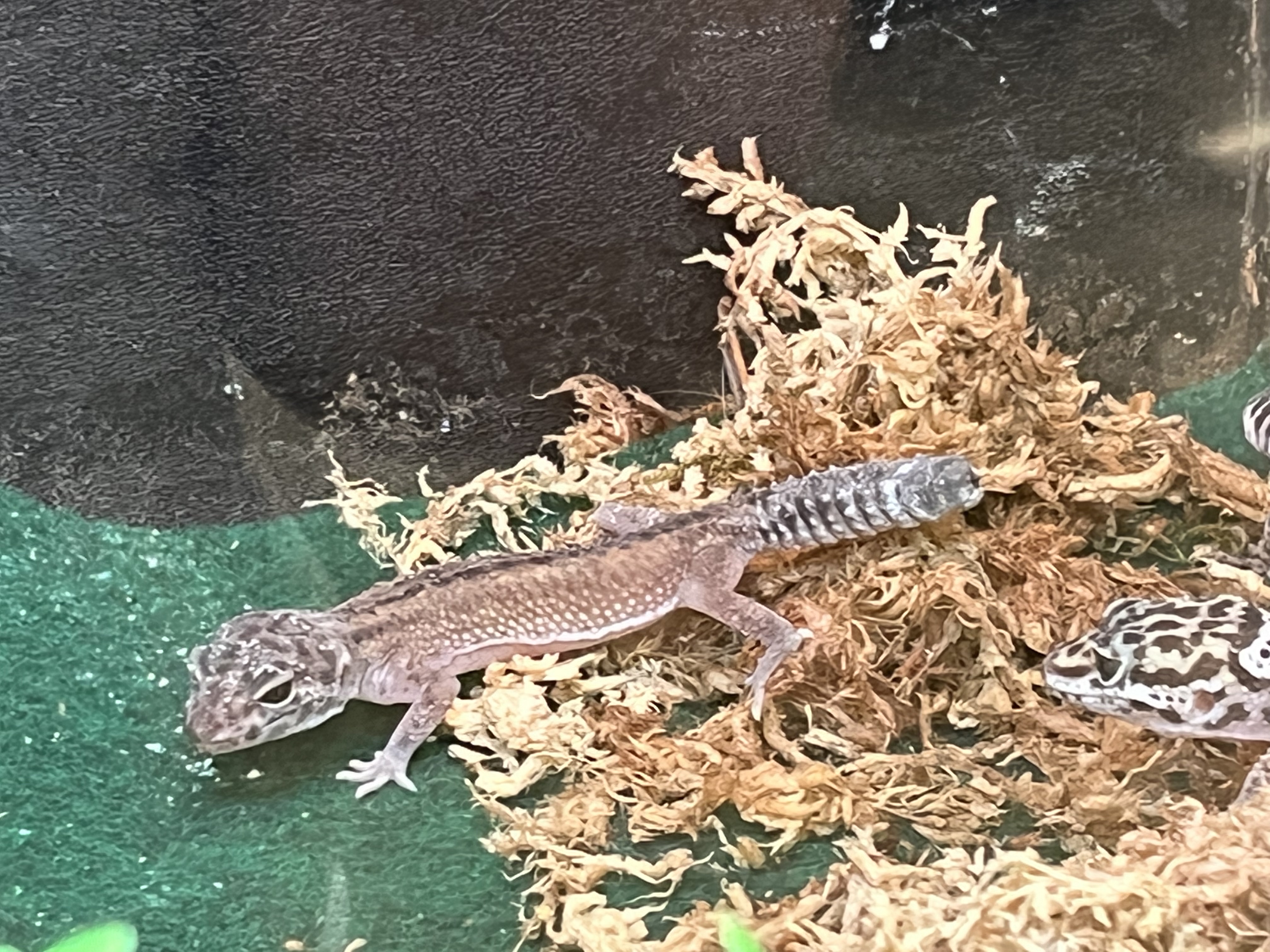
Picture of a Leopard Gecko at Petsmart after getting tail bit off by another Leopard Gecko that was being aggressive due to the fact Leopard Geckos are territorial. I informed an employee these geckos were getting aggressive and they came over to check out the situation and did nothing. I said “they need to be separated” and the employee stated “we don’t seperate them until one of them gets sick.” I asked “why would you wait until then? It would be too late.” And the employee stated “it’s company policy.” I urged her to seperate them for around 10 minutes but she wouldn’t and repeated that they only remove a reptile when they become sick and I asked “in what kind of container do you keep them in when separated?” The employee told me they keep them in a small plastic container in the back of the store so they are not available for sale until they are better. This is the problem. This is Petsmart’s company policy, one that benefits Petsmart, not the animals they keep there. Reptiles can spread sickness without being in contact with the other reptiles. Reptiles have a high likely hood of catching an illness from another reptile by just being in the same room which is why I removed Cocoa’s things immediately to protect the health of my other geckos but them being in the same tank is 100% guaranteeing the others get sick too.
Picture of a Leopard Gecko at Petsmart after getting tail bit off by another Leopard Gecko that was being aggressive due to the fact Leopard Geckos are territorial.
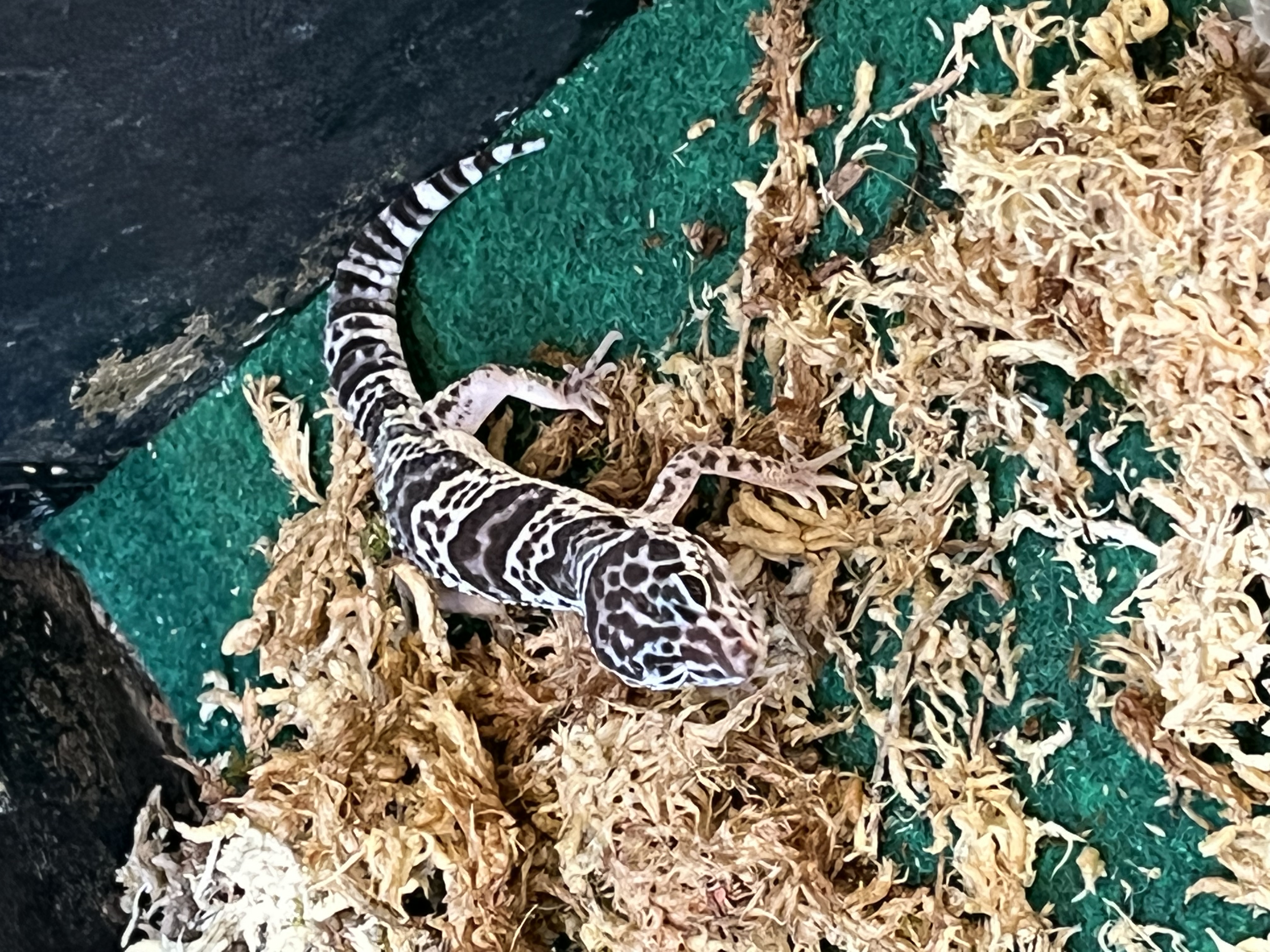
Picture of a Leopard Gecko in a tank at Petsmart, this moss is not safe for geckos and neither is reptile carpet; it can and most likely will rip out the gecko’s nails & teeth. Geckos nails do not ever grow back. For example, back in 2021 I got a Leopard Gecko who was a newborn baby (younger than a month old) who was kept on reptile carpet & is missing a nail to this day.
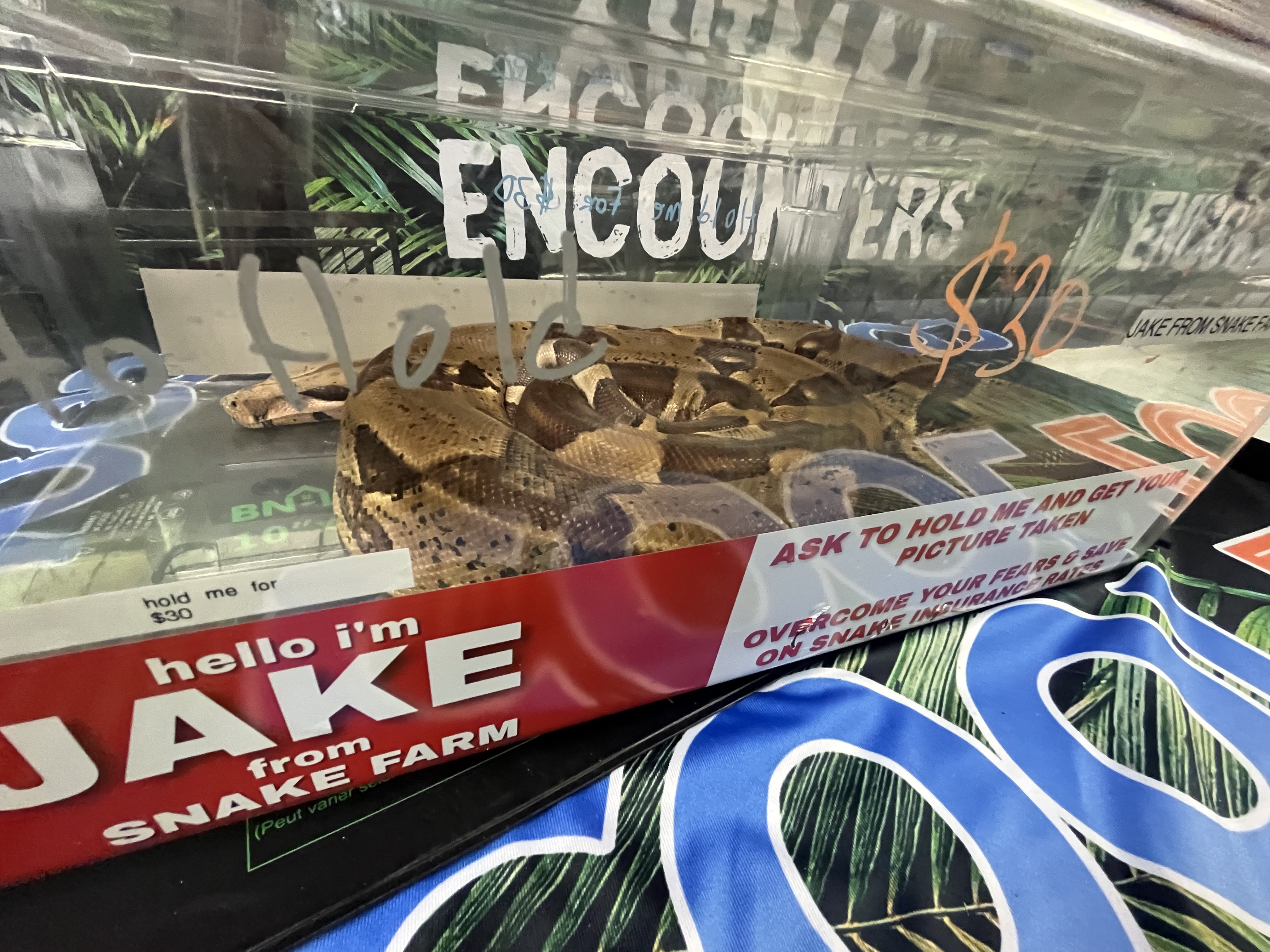
This is a picture from The Cool Zoo (a traveling zoo) of a snake kept in a small & short storage tub.
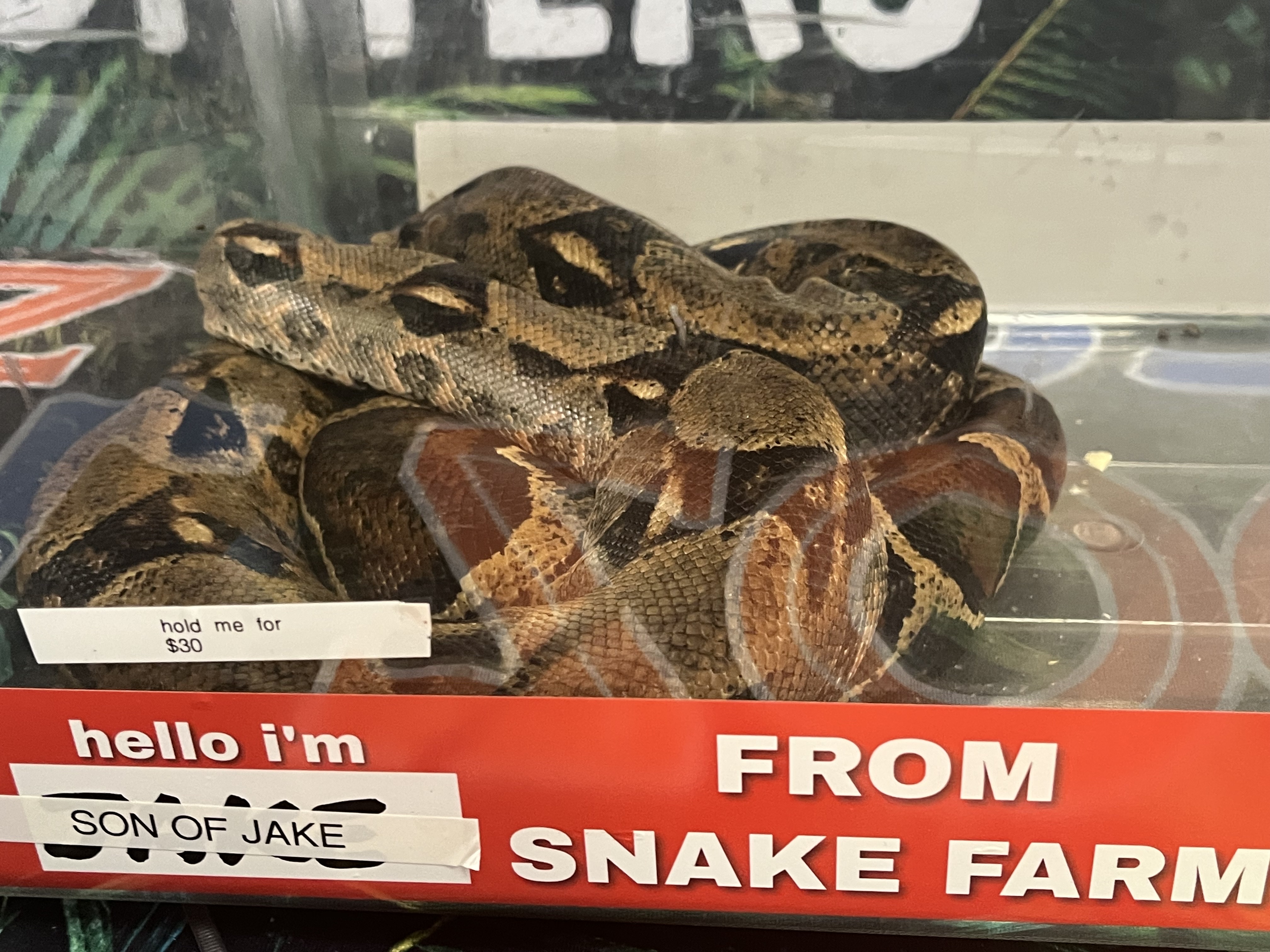
This is a picture from The Cool Zoo (a traveling zoo) of a snake kept in a small & short storage tub.

835
The Issue
My pet Cocoa was a victim of veterinary neglect due to the build of her enclosure and how she was monitored at Bluepearl Pet Hospital in Clearwater Florida. Cocoa’s tank was left open at the veterinary hospital and she escaped which caused her death. She was improving before and she declined after the escape and passed away. She escaped through her feeding slot which was left open and she wandered into the hallway for an extended amount of time until she was found and she declined afterwards and she died. She was getting better and passed on because of this incident.
I would like to put a law in place where this will not happen to other pet parents. I firmly and strongly believe this law needs to be put in place because situations like this have not only occurred at this Bluepearl location, not only at this chain of pet hospitals and pet stores. To achieve this, we have to demand change, not ask for it. We have to demand it. We need to, not only for the sake of ourselves but for the sake of the animals we call our pets, that we name and that we care for everyday of our lives. They don’t deserve that just as much as we don’t.
I would like to pass a law called “Cocoa’s Law of Love.” I want to change things for other pets and their humans. Cocoas Law of Love is An Act to protect animals as individuals, not personal property that go to the veterinary clinic, that are at pet stores, from people, that are being held at animal shelters, in captivity & wildlife. Veterinary hospitals have no repercussions if an incident occurs because animals are not viewed as a living creature, they are considered personal property by law. They are the same as owning a television.
Animal Rights: Rights believed to belong to animals to live free from use in medical research, hunting, and other services to humans.
Animal Welfare: The collective physical, mental, and emotional state of an animal over a period of time, encompassing their well-being and how they are treated and cared for by humans. A comprehensive view includes the proper housing, management, nutrition, disease prevention and treatment, responsible care, and humane handling of an animal, ensuring they are free from unnecessary suffering and can express natural behaviors.
Neglect, improper care and maltreatment is prohibited. Unintentional or intentional neglect and suffering is prohibited. The Animal Welfare act does not cover birds, fish, reptiles, mice and rats because there is a misconception that these animals do not have feelings.
Research facilities may not purchase or own animals for testing. All animals shall not be sold until they are six through eight weeks old and until they are independent. All animals regardless of species are required to have proper cage size, and adequate food, water and treatment. Proper treatment is as follows: feeding animals high-quality foods, needing animals shall be taken on fifteen minute walks (Hiring an employee to walk needing animals is recommended), providing proper vaccinations, keeping a hygienic environment and do not leave them alone for long periods of time. If an on the scene individual cannot be present; security cameras with watchable (able to be rewinded and watched over as needed) footage is required.
Given the Cold Shoulder: A Review of the Scientific Literature for Evidence of Reptile Sentience by H. Lambert states “Reptiles are popular pets around the world, although their welfare requirements in captivity are not always met, due in part to an apparent lack of awareness of their needs. Herein, we searched a selection of the scientific literature for evidence of, and explorations into, reptile sentience. We used these findings to highlight: (1) how reptiles are recognised as being capable of a range of feelings; (2) what implications this has for the pet trade; and (3) what future research is needed to help maximise their captive welfare. We found 37 studies that assumed reptiles to be capable of the following emotions and states; anxiety, stress, distress, excitement, fear, frustration, pain, and suffering. We also found four articles that explored and found evidence for the capacity of reptiles to feel pleasure, emotion, and anxiety. These findings have direct implications for how reptiles are treated in captivity, as a better understanding of their sentience is critical in providing them with the best quality of life possible.
Abstract
We searched a selection of the scientific literature to document evidence for, and explorations into reptile sentience. The intention of this review was to highlight; (1) to what extent reptile capability for emotions have been documented in the scientific literature; (2) to discuss the implications this evidence has for the trade in reptiles; and (3) to outline what future research is needed to maximise their captive welfare needs. We used 168 keywords associated with sentience, to search through four journal databases and one open-access journal. We recorded studies that explored sentience in reptiles and those that recognised reptile sentience in their experiments. We found that reptiles were assumed to be capable of the following emotions and states; anxiety, distress, excitement, fear, frustration, pain, stress, and suffering, in 37 articles. We also found four articles that explored and found evidence for the capacity of reptiles to feel pleasure, emotion, and anxiety. These findings show that reptiles are considered to be capable of experiencing a range of emotions and states. This has implications for how reptiles are treated in captivity, as a better understanding could help to inform a range of different operational initiatives aimed at reducing negative animal welfare impacts, including improved husbandry and consumer behaviour change programmes.
- Introduction
Generally, it is accepted that all vertebrates are sentient beings but the lack of consideration for reptiles in legislation and practice suggests that their capacity to feel may not be fully understood, and thus their sentience not widely accepted. Attitudes towards different species, and belief in their capacity to suffer, is influenced by several factors. For example, how people perceive different species’ capacity for sentience is thought to be directly related to how much they differ phylogenetically from humans. This, along with unfamiliarity with the taxa (a taxonomic group of any rank, such as a species, family, or class) puts reptiles at a distinct disadvantage, compared with mammalian species such as dogs and cats. Attitudes towards reptile sentience are important for how pet reptiles are treated. There are concerns that if an owner attributes little to no degree of sentience to their pet, they may be less likely to be concerned with their welfare, as they will not believe that they can feel fear, pain, or pleasure, or that their ability to do so matters. As a result, this can affect an owner’s motivation to treat that animal well, to prevent negative states, or to promote positive ones. Consequently, many pet owners may be unaware that they are causing their pet to suffer unduly, and education regarding both their pets capacity to suffer, and how to meet their welfare needs is required. Claims that reptiles do not need space, or require complex environments, or compared to birds and mammals, possess only basic ways of interacting with their environments, can be used as justifications for keeping reptiles in minimalist vivariums that are too small for their needs, and offer little positive stimulation that would occur in their natural environment, and has led to the criticism in the trade of reptiles.
Reptiles are far more complex than some people realize. For example, some species are highly social, although sociality, in general, is increasingly recognised in reptiles; popular claims of behavioral sedentarism are exaggerated, and many species manifest extensive natural home ranges, thus minimum spatial provisions are implicitly problematic, and in general, reptiles may be more aware of their environments and the limitations of those conditions than many observers believe. Therefore, the perceptions’ of reptiles that underestimates them as being unintelligent and basic in their animal welfare needs, can mean that they suffer considerably in captivity. Reptiles are a popular pet around the world, with ownership likely to consist of tens of millions of animals, if not more. Accurate numbers of the trade in exotic pets are unavailable due in part to much of it involving illegally wild-caught animals. In the UK, however, between 2018–2019, there were thought to be around 1.7 million reptiles kept as pets in homes. Whereas, in 2017–2018, the USA was thought to have 9.4 million reptiles as pets. The growing demand for reptiles has led to an increase in their removal from the wild, and an increase in captive-bred operations, both of which have considerable welfare implications for the animals involved. To help maximise reptile welfare in captivity, an understanding of the landscape of reptile sentience research is required, as is the need to identify areas of strength and clarity, as well as areas where more research is required. In this review, we have sought to explore the scientific literature regarding reptile sentience within the last 20 years (1999–2018). Specifically, we have searched through four journal databases and one open-access journal to find research articles that are exploring or assuming the capacity for sentience in reptiles. To do this, we have used 168 keywords, which describe various aspects of sentience. For this review, we have defined sentience as the capacity of an animal to feel and experience both positive and negative emotions and states [1]. These feelings may range from basic, but important states, such as pain and fear, to more complex emotions, such as grief and empathy [19]. Emotions are a core component of sentience, and they form the majority of the sentience keywords we have used (see Table A1). Emotions can be defined as short-lasting states that vary in valence from positive to negative, and in the degree of associated arousal (high to low) [20]. Personality was not included within this definition of sentience, as although an individual’s personality can affect how they cope with their environment, the possession of personality traits does not have any bearing on whether they can consciously experience emotions [21,22]. - 2. Methods
The literature review was carried out in two stages. First, we searched the literature for evidence of sentience. Second, we searched the journals, identified in phase one, for generic reptile studies as a source of comparison.
2.1. Phase One
2.1.1. Keywords
To search for evidence of sentience in the scientific literature, we used a list of 168 of the keywords which, referred to traits and aspects of animal sentience (Table A1). The keywords had previously been used for review of sentience research in Proctor et al. (2013) [23]. Nine of the keywords used in the 2013 review were deemed inappropriate for this study, as they were focused on aspects of personality and cognition, and not sentience, and so were not used.
2.1.2. Literature Search
We used the keywords to search through four journal databases (ScienceDirect, BioOne, Ingenta Connect, and MDPI) and one open-access journal (PlosOne) for the occurrence of each of the 168 keywords in association with the word ‘reptile’ in the abstract, title or keywords, using the Boolean operator AND. Within those databases, we searched for all research articles published between 1999 and 2018. We chose this period because it allowed for a large and recent study period, yet it was still feasible given our time restraints. Each returned article’s entire text was searched manually. Each returned article was then reviewed individually to ensure that the keyword was used within the correct context. The keyword had to refer to the animal’s subjective emotional state. For example, ‘distress’ had to refer to emotional distress, and not to physiological distress. For instance, a reference to respiratory distress, without mentioning any emotional component or suffering, would not have been included. Furthermore, the keyword had to be used in reference to the reptile species studied in the article. This meant that the returned articles were experimental studies, which either explored that species’ capacity for the keyword, or were assuming their capacity for it in their experiment. For example, studies exploring the species capacity for the keyword ‘pain’, may include an exploration into whether the species could feel pain. Whereas a study assuming the capacity for pain in the reptile species studied may be looking for signs of pain when testing the effectiveness of an analgesic. If the article just referred to the keyword in reference to another study’s findings, and not in relation to the species they were testing, it was not included as a result. For each returned article, we recorded the following data; journal, publication year, species studied, and whether the keyword was explored or assumed.
2.2. Phase Two
To determine what proportion of the reptile literature the sentience articles represented, we further explored the 17 journals that had returned results. We searched each of the journals for the word ‘reptile’, to determine how many general reptile research articles they had published in total during the 1999–2018 study period. These searches were performed on the article’s title, abstract and keywords, and these were checked to verify that the article was utilising a reptile species in their study by reviewing their title, or abstract.
2.2.1. Inter-Rater Reliability Tests
Two of the authors collected the data, and both had previously performed a similar systematic review using many of the same keywords [23]. To ensure consistency, the definitions and working examples were used from the previous review [23]. In addition, both researchers conducted three inter-rater reliability tests before, mid-way, and after the data collection period. For each of these tests, both researchers reviewed the same six articles and recorded whether or not the keyword was used correctly for each, and whether it was explored or assumed. Each test used three randomly selected keywords, and a different selection of six articles were used for each test. The lead researcher’s analyses served as the silver standard throughout training and for all comparisons. The researchers’ responses were then compared to one another, and a percent agreement was calculated by dividing the number of agreement scores by the total number of scores. Test one, two, and three, all returned a 100% agreement score.
2.2.2. Comparison with Data on Mammals
To provide context for the results, and to position knowledge of reptile sentience in relation to a well-studied taxon, we compared the results with those from a review that explored mammal sentience [23]. The 2013 review used 169 of the same keywords as the current review, but was performed on a different time-frame (1990–2011), and only on two journal databases (Science Direct and Ingenta Connect).
2.3. Data Analysis
Descriptive analyses were performed on the returned articles.
3. Results
Of the 168 keywords searched for, only 10 returned results (see Table 1 and Table A2). These keywords were found in 41 articles, three of which featured more than one keyword, leaving 38 individual papers.
Table 1: https://pmc.ncbi.nlm.nih.gov/articles/PMC6827095/table/animals-09-00821-t001/
Table A2: https://pmc.ncbi.nlm.nih.gov/articles/PMC6827095/table/animals-09-00821-t0A2/
Table 1.
The articles found to explore sentience in reptiles, and a summary of the related findings.
Article
Keyword
Summary of Keyword’s Use
Cabanac, A., and Cabanac, M. (2000). Heart rate response to gentle handling of frog and lizard. Behavioural Processes, 52(2–3), 89–95. [24]
Emotion
Green iguana’s (Iguana iguana) were handled to see whether they showed an increase in heart rate, indicative of emotional fever and the presence of emotion. They found that green iguanas have an emotional response to the stressful experience of handling.
Cabanac, M., and Bernieri, C. (2000). Behavioral rise in body temperature and tachycardia by handling of a turtle (Clemmys insculpta). Behavioural Processes, 49(2), 61–68. [25]
Emotion
Turtles (Clemmys insculpta) were handled to see whether they showed an increase in heart rate, indicative of emotional fever and the presence of emotion. The resulting stress fever and tachycardia in the turtles were taken as signs of emotion.
Paradis, S., and Cabanac, M. (2004). Flavor aversion learning induced by lithium chloride in reptiles but not in amphibians. Behavioural Processes, 67(1), 11–18. [26]
Pleasure
This article looked for flavour aversion learning in several reptile species (Basiliscus vitattus, B. basiliscus, Eumeces schneideri, Mabuya multifasciata). They found that the reptiles all showed flavour aversion learning, and they concluded that this may indicate that reptiles can experience sensory pleasure.
Moszuti, S.A., Wilkinson, A., and Burman, O.H.P. (2017). Response to novelty as an indicator of reptile welfare. Applied Animal Behaviour Science, 193, 98–103. [27]
Anxiety
This article investigated the responses of red-footed tortoises (Chelonoidis carbonaria) and bearded dragons (Pogona vitticeps) to novelty to assess anxiety-like behaviour. They found different responses in the two species to novelty, and the authors concluded that the red-footed tortoises showed signs of anxiety in response to a novel environment, whereas the bearded dragon’s responses required further investigation.
3.1. Support for Reptile Sentience
3.1.1. Articles Assuming Reptile Sentience
Eight different sentience traits/aspects were assumed to exist in reptiles in the literature reviewed (according to the eight key words returning results) (see Table A2). These were; anxiety (three articles), distress (two articles), excitement (one article), fear (three articles), frustration (one article), pain (22 articles), stress (four articles), and suffering (one article). These keywords were found in a total of 37 articles.
3.1.2. Articles Exploring Reptile Sentience
The following three sentience keywords were explored by researchers in the literature that we reviewed; anxiety, emotion, and pleasure. The keyword emotion was explored in two different articles, and the keywords; anxiety and pleasure, were explored in one article each. The keywords pleasure and emotion were only explored in reptiles and were not assumed to exist already. All four articles successfully found evidence for the capacity of anxiety, emotion, and pleasure in the reptile species they studied, apart from one study which found evidence for anxiety in red-footed tortoises, but only tentative findings for bearded dragons (see Table 1). Table 1 provides a summary of how each of the returned articles used the keyword
3.2. Comparison with Mammals
We compared the number of keywords with returned results with those from a similar review performed on mammals (Table 2) [23]. Of the 168 keywords used in both studies, the 2013 review had 35 keywords return results, whereas the current reptile review returned 10. All of the keywords that returned results for reptiles also returned results for mammals.
The aims of this review were to (1) assess the extent to which reptile sentience features in a selection of the scientific literature, (2) to assess which aspects of sentience have been studied and in which reptilian taxa, and (3) to suggest recommendations for future research in this regard.
The 2013 review found that 74% of the mammal articles arose from just five top keywords; fear, stress, pain, anxiety, and depression. Four out of these five words were also in the top five keywords for the current reptile review, although in a slightly different order; pain, stress and anxiety (joint second), and fear (Table 2).
Table 2: https://pmc.ncbi.nlm.nih.gov/articles/PMC6827095/table/animals-09-00821-t002/
3.3. Reptile Species Studied
A total of 50 reptile species were studied in the returned articles, representing 0.46% of the known 10,793 reptile species currently identified [28]. Overall, the most common order of reptiles studied was the Squamata order (80%), followed by Testudines (14%), and then Crocodilia (6%). The fourth reptile order, Sphenodontia, was not represented, but as this order is only comprised of two species, this was expected. Twenty-two reptile families were included in the study sample, and the top five were; Scincidae (eight species), Gekkonidae (seven species), Lacertidae (five species), Colubridae (four species) and Emydidae (three species). The sentience keywords were assumed in 46 different species and were explored in eight different species (see Table 3).
Table 3: https://pmc.ncbi.nlm.nih.gov/articles/PMC6827095/table/animals-09-00821-t003/
Of the 50 species covered in the reviewed literature, 64 of them were featured once. The species that were studied more than once in different articles are shown in Table 4.
Table 4: https://pmc.ncbi.nlm.nih.gov/articles/PMC6827095/figure/animals-09-00821-f001/
3.4. Publication Years
We searched for articles published between 1999 and 2018, and the number of articles published each year can be seen in Figure 1. The number of articles returned for the keywords shows a slight increase in recent years, although Figure 1 shows that this is not a steady increase.
Figure 1: https://pmc.ncbi.nlm.nih.gov/articles/PMC6827095/figure/animals-09-00821-f001/
3.5. Scientific Sources
All of the returned articles came from 17 individual journals, from five different sources (ScienceDirect, BioOne, Ingenta Connect, MDPI, and PlosOne). We also calculated how many research articles each of these journals published on reptiles in general, between 1999 and 2018. The comparison between these findings can be seen in Figure 2.
Figure 2: https://pmc.ncbi.nlm.nih.gov/articles/PMC6827095/figure/animals-09-00821-f002/
An Article called “Emotion in Animals” states “Emotion is defined as any mental experience with high intensity and high hedonic content.[1] The existence and nature of emotions in animals are believed to be correlated with those of humans and to have evolved from the same mechanisms. Charles Darwin was one of the first scientists to write about the subject, and his observational (and sometimes anecdotal) approach has since developed into a more robust, hypothesis-driven, scientific approach. Cognitive bias tests and learned helplessness models have shown feelings of optimism and pessimism in a wide range of species, including rats, dogs, cats, rhesus macaques, sheep, chicks, starlings, pigs, and honeybees. Jaak Panksepp played a large role in the study of animal emotion, basing his research on the neurological aspect. Mentioning seven core emotional feelings reflected through a variety of neuro-dynamic limbic emotional action systems, including seeking, fear, rage, lust, care, panic and play.[9] Through brain stimulation and pharmacological challenges, such emotional responses can be effectively monitored.”
Background checks for animal abuse is required to purchase any animal. Investigations into an animal’s death that may involve abuse, neglect or suspicious activity is required.
Captive Reptile Mortality Rates in the Home and Implications for the Wildlife Trade states “Reptiles are popular exotic pets and comprise an estimated 21% of the value of the live animal trade, excluding ornamental fish. For example, the most comprehensive study to date concerning mortality in transit, analysed data for more than 7.4 million individual animals and reported an average dead on arrival (DOA) mortality rate of 3.14% for reptiles.”
The minimum tank for small animals in a veterinary setting also includes a pet store setting is 36.25 x 12.625 x 16.75 and the tanks must be estimated to fit their adult size and one animal per tank. Tanks can have a divider placed and one reptile on each side but the reptiles shall never come in contact with each other due to possibility of fatal injuries, fighting and territorial behavior and the tank with the divider must be big enough for each side to be equal to the size of one individual reptile tank. Feeding slots are prohibited. These tanks must be secured by a lid on the top and must have lights for needing animals. Colored lights such as red, blue and purple are prohibited. LED lights cause blindness in reptiles and other similar animals. The recommended light type is Halogen Floodlights Par 38 with wattage to match the size of the tank and Tube UVB with hood with wattage and length to match the tank.
Dogs and cats require measuring the length from their nose to the base of their tail then adding 2-4 inches. Room to grow. The crate must be an estimated size to fit their adult size.
All animals are to be treated as individuals with rights. Their rights include the following: to have a health surrogate, freedom from suffering and neglect, freedom from deprivation of vitamins and healthy foods, and freedom of being treated in a careless and neglectful manner. Neglect is as follows: Allowing animals to be outside of their enclosures except for treatment purposes, allowing animals to roam unattended, handling animals in a harsh manner or incorrectly handling the animal, not monitoring rooms at all times, over-breeding animals, using animals for profit and entertainment, testing human products on animals, euthanasia without a good reason, and denying an animal needed medical care as their owner or veterinarian. Rooms must be monitored at all times with security footage or an on-the-scene individual.
Veterinary treatment needs to be affordable for all pet parents and their pets. Overpriced veterinary expenses is common and needs to be addressed. I have experienced this myself with cocoa and my other pets, it is unacceptable, harmful, detrimental and even fatal. I often have heard the phrase “if you can’t afford a pet, don’t get one.” I strongly disagree with this statement and I do not approve of it. People should be allowed to have pets and not worry about an emergency or illness occurring and have to drain their bank account just because they care about their pet due to the overpriced cost of veterinary treatment. For example, I took Cocoa to a veterinary hospital in Florida and the treatment she got was a round of antibiotics, fluids via IV and an overnight stay for $1,400. I have always been able to provide for my pets but when things like this happen and often unexpected with the majority of pet parents, how are you expected to afford this? It’s not affordable and in no way means you should not be allowed to have a pet and be happy together without worrying about the unforeseeable future. All pets and their parents deserve affordable veterinary care.
All pets prior to adoption shall be given a bill of health.
Medical records must be provided to the individual’s health surrogate upon discharge. If an incident with the individual occurs; the health surrogate must be notified immediately and a physical exam for trauma is required immediately after the incident. Animals, of any species, shall not be used as product testers. Testing on animals is prohibited. Treat animals with love is required.
Cocoa is a hero. She gave her life to change things for other animals and their humans. I want Cocoa to be remembered as the fierce, docile and heroic gecko she was. She always cared about others and she gave up her own life, knowing it would save others. Cocoa’s wishes are for everyone to be safe, happy and protected from the cruelty in the world and that the changes be made for that to happen. Remember Cocoa for the hero she is and always will be.
“Injustice anywhere is a threat to justice everywhere.” Dr. Martin Luther King Jr.
University Animal Clinic’s Article called “Reptiles” states “Caring For A Pet Reptile”
“Below are the most basic and important factors to consider when caring for your pet reptile:
Daytime Heat Sources and Lights: To help with body temperature regulation reptiles need a hot and cool side of their living space.
Nighttime Lights and Heat Sources: You can put infrared or ultraviolet lamps on the cool side of the tank.
Hides and Bedding: Incorporating little dwellings where your reptile can go to escape the heat or rest and providing a proper bed — made of newspaper or tile — will make your pet reptile feel right at home.
Food and Water Bowls: Keeping the right of amount of food — most likely insects — and water available to your reptile is key to their health and well-being.”
Avery Creek Pet Hospital states in Quick Guide for Small Pet Care: “Every small pet is different. Caring for each requires owners to be aware of unique challenges, from diet restrictions to cages and bedding. However, there are some things that are true of all pocket pets. Before we break down care by the individual animals, here is a quick list of considerations for all small pets:
1. Children: Small children and small pets are not as natural a match as some might assume. Some pets are better suited for young children than others.
2. Water: Small pets need water daily. It might be easy to assume that they would require a small amount of water, but that is not the case. Consider attaching a water bottle to your pets’ habitat for a consistent supply of fresh water.
3. Location: Small pets should be kept inside in pins and habitats that fit their specific needs. Domesticated small animals are prone to attract predators and are not as equipped to defend themselves like their wild counterparts.
4. Pets: Generally, small animals will not feel comfortable with larger pets like cats and dogs near their space. Make sure your larger animals have little access to the habitats of your pocket pets.
5. Food: Since many small pets like to explore their surroundings, it is a good idea to include a tip-proof bowl in their habitats.
6. Cages: Small animals have small feet that require flat cage-bottoms.
7. Volume: Many small animals are frightened by loud noises. Make sure your small pets live in a calm environment.
8. Temperature: Most small pets are not equipped to handle extreme temperatures. Make sure your small pet’s cage is not in direct sunlight.
9. Vaccinations: Like dogs and cats, some small pets require vaccinations from your local, trusted-veterinarian.
10. Veterinarians: Your small pets require wellness checkups, preventive care, and much of the same veterinary-healthcare your larger pets receive.
Throughout the remainder of this guide, we will outline some key information about caring for specific small pets. However, before purchasing or adopting one of these furry little friends, make sure you consult your trusted veterinarian.
Caring for Rabbits:
▶ Habitat: Wire pin with a solid floor
▶Bedding: Blanket orTowel in the pin.Avoid wood shavings or anything rabbits can eat
▶ Food: Mostly Hay + Pellets and Vegetables
▶ Water: Daily
▶Exercise: A few hours daily with socialization in a rabbit-proofroom
▶Bathroom: Litter Box inside cage and exercise area
▶Cleaning: Rabbits use the bathroom often. Clean soiled areas daily. Thoroughly clean their pin weekly.
▶ Lifespan: 7-10 Years
Rabbits may seem cuddly, but too much attention too early can scare them. However, with positive affirmation through treats and food rewards, domestic rabbits may warm up to human attention. It is possible to keep pet rabbits without a cage, but it is important to “bunny-proof” a room, which requires raising or removing cords and other potentially harmful things from their reach. They are not great pets for small children, as they can bite and are prone to be scared by loud noises and sudden movements. Ask your veterinarian about how to help your pet rabbit thrive.
Caring for Guinea Pigs:
▶ Habitat: Wire Pin with a solid bottom. 7- 10 Square feet
▶Bedding: Newspaper, aspenorpine. No Cedar
▶Food: Mostly Hay + Vegetables + Weekly Fruit snack
▶ Water: Daily
▶Exercise: Pins should be stocked with toys. Allow for daily supervised exercise out of their cage in a Guinea Pig proof room.
▶Cleaning: clean soiled bedding daily. Deep clean the entire cage weekly.
▶ Lifespan: 4-8 Years
Guinea Pigs love to forage, so it is a good idea to hide treats and surprises inside haystacks for them to find throughout the day. Quietly and calmly hold your guinea pig for at least a few moments on the first day, then often throughout their life. Guinea pigs do like to cuddle. To prevent needing a bath, brush your guinea pig a few times each week. Keep in mind that guinea pigs are messy, often pushing their hay and bedding out of their cages. Though they may not make great pets for toddlers and little children, because they do like to play and cuddle with humans, they can make good pets for school-age children. Ask your vet if your family is a good fit for a guinea pig.”
Check out the article for more information. Thank you.
Sources links:
https://www.ncbi.nlm.nih.gov/pmc/articles/PMC4640569/
https://en.m.wikipedia.org/wiki/Emotion_in_animals
https://www.ncbi.nlm.nih.gov/pmc/articles/PMC6827095/
https://theuniversityanimalclinic.com/services/types-of-animals/reptiles/
https://averycreekpethospital.com/images/inbound/Quick-Guide-for-Small-Pet-Care.pdf
Picture of a Leopard Gecko at Petsmart after getting tail bit off by another Leopard Gecko that was being aggressive due to the fact Leopard Geckos are territorial. I informed an employee these geckos were getting aggressive and they came over to check out the situation and did nothing. I said “they need to be separated” and the employee stated “we don’t seperate them until one of them gets sick.” I asked “why would you wait until then? It would be too late.” And the employee stated “it’s company policy.” I urged her to seperate them for around 10 minutes but she wouldn’t and repeated that they only remove a reptile when they become sick and I asked “in what kind of container do you keep them in when separated?” The employee told me they keep them in a small plastic container in the back of the store so they are not available for sale until they are better. This is the problem. This is Petsmart’s company policy, one that benefits Petsmart, not the animals they keep there. Reptiles can spread sickness without being in contact with the other reptiles. Reptiles have a high likely hood of catching an illness from another reptile by just being in the same room which is why I removed Cocoa’s things immediately to protect the health of my other geckos but them being in the same tank is 100% guaranteeing the others get sick too.
Picture of a Leopard Gecko at Petsmart after getting tail bit off by another Leopard Gecko that was being aggressive due to the fact Leopard Geckos are territorial.
Picture of a Leopard Gecko in a tank at Petsmart, this moss is not safe for geckos and neither is reptile carpet; it can and most likely will rip out the gecko’s nails & teeth. Geckos nails do not ever grow back. For example, back in 2021 I got a Leopard Gecko who was a newborn baby (younger than a month old) who was kept on reptile carpet & is missing a nail to this day.
This is a picture from The Cool Zoo (a traveling zoo) of a snake kept in a small & short storage tub.
This is a picture from The Cool Zoo (a traveling zoo) of a snake kept in a small & short storage tub.
The Decision Makers


Supporter Voices
Petition Updates
Share this petition
Petition created on January 21, 2022