Change ADHD assessment criteria to consider single setting diagnosis
The Issue
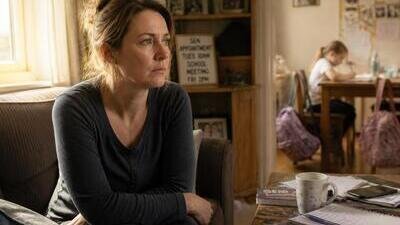
My eight-year-old daughter has been struggling with symptoms of ADHD, such as frequent anger, outbursts, and meltdowns, particularly at home. Unfortunately, despite these clear signs, she was unable to receive a formal diagnosis because her school reports that she behaves "well" during class hours. This results in her being unable to access the medication she so desperately needs.
Living as a single parent without local support, managing her unrecognized symptoms drains me physically, mentally, and emotionally. It's exhausting to see my child suffer and feel crippled by the system that's supposed to help her. I know this isn't just our story—many families are stuck in this gap where a child is visibly struggling but isn't acknowledged due to the necessity of reporting behavior across two separate settings, such as home and school.
ADHD masking is a well-documented phenomenon, especially in girls, where they subconsciously hide or minimize their symptoms to fit into environments with high social expectations, like classrooms. According to research published by the American Psychological Association, girls are often diagnosed with ADHD later than boys, partly because their symptoms are overlooked or interpreted differently. This masking should not be the reason children like my daughter don't receive the support and treatment they urgently require.
We need to re-evaluate our assessment practices to better serve children displaying ADHD symptoms. Diagnosing based on multiple settings ignores the complexity of ADHD and how it can manifest differently in varied environments. We urge the Department of Health and Social Care to update their diagnostic criteria, allowing symptoms present in a single, consistent environment to serve as sufficient evidence for diagnosis and subsequent treatment.
Adjusting these standards could unlock access to crucial resources and medications for thousands of children who are currently slipping through the cracks. Your support by signing this petition can be the catalyst for a much-needed change to ensure children like my daughter receive the care and diagnosis they need to flourish. Please sign this petition to make a difference in the lives of many children and their families.

55
The Issue
My eight-year-old daughter has been struggling with symptoms of ADHD, such as frequent anger, outbursts, and meltdowns, particularly at home. Unfortunately, despite these clear signs, she was unable to receive a formal diagnosis because her school reports that she behaves "well" during class hours. This results in her being unable to access the medication she so desperately needs.
Living as a single parent without local support, managing her unrecognized symptoms drains me physically, mentally, and emotionally. It's exhausting to see my child suffer and feel crippled by the system that's supposed to help her. I know this isn't just our story—many families are stuck in this gap where a child is visibly struggling but isn't acknowledged due to the necessity of reporting behavior across two separate settings, such as home and school.
ADHD masking is a well-documented phenomenon, especially in girls, where they subconsciously hide or minimize their symptoms to fit into environments with high social expectations, like classrooms. According to research published by the American Psychological Association, girls are often diagnosed with ADHD later than boys, partly because their symptoms are overlooked or interpreted differently. This masking should not be the reason children like my daughter don't receive the support and treatment they urgently require.
We need to re-evaluate our assessment practices to better serve children displaying ADHD symptoms. Diagnosing based on multiple settings ignores the complexity of ADHD and how it can manifest differently in varied environments. We urge the Department of Health and Social Care to update their diagnostic criteria, allowing symptoms present in a single, consistent environment to serve as sufficient evidence for diagnosis and subsequent treatment.
Adjusting these standards could unlock access to crucial resources and medications for thousands of children who are currently slipping through the cracks. Your support by signing this petition can be the catalyst for a much-needed change to ensure children like my daughter receive the care and diagnosis they need to flourish. Please sign this petition to make a difference in the lives of many children and their families.
The Decision Makers

Petition Updates
Share this petition
Petition created on 13 August 2026