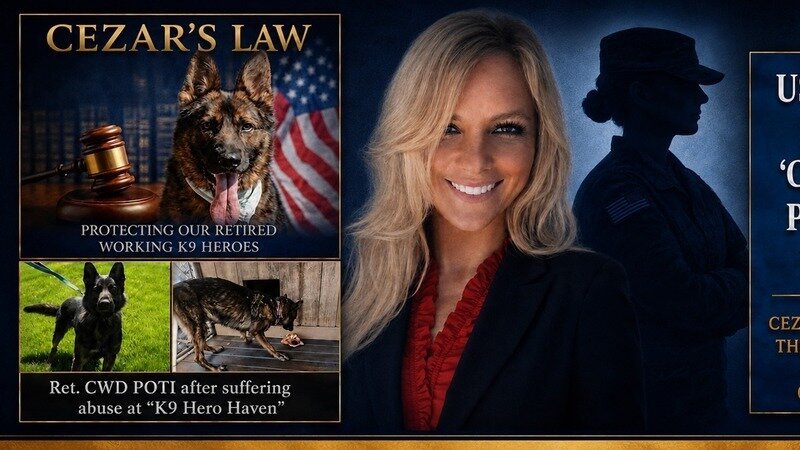
CEZAR'S LAW - PROTECTING RETIRED WORKING K9s
The Issue
CEZAR'S LAW was created by Julia Valenti, Captain in the United States Army (Military Police), who has worked in the K9 field since she was 17 years old in the Military, Federal Law Enforcement, and Private Detection/Security Services.
In 2024, Anne Gibbs, owner of 'K9 Hero Haven', a supposed 'retirement and rehoming sanctuary for working K9s', was originally charged with 41 counts of Animal Neglect & Cruelty. PSPCA seized 28 Retired Working K9s from her property.
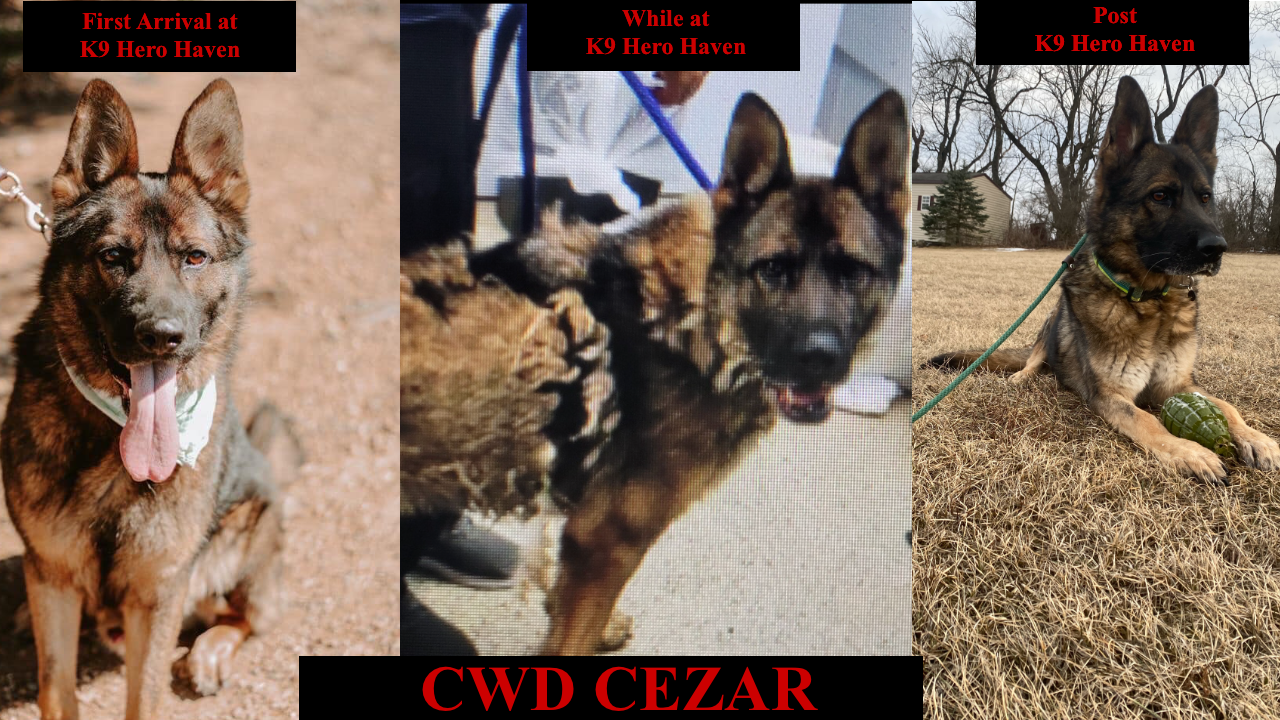
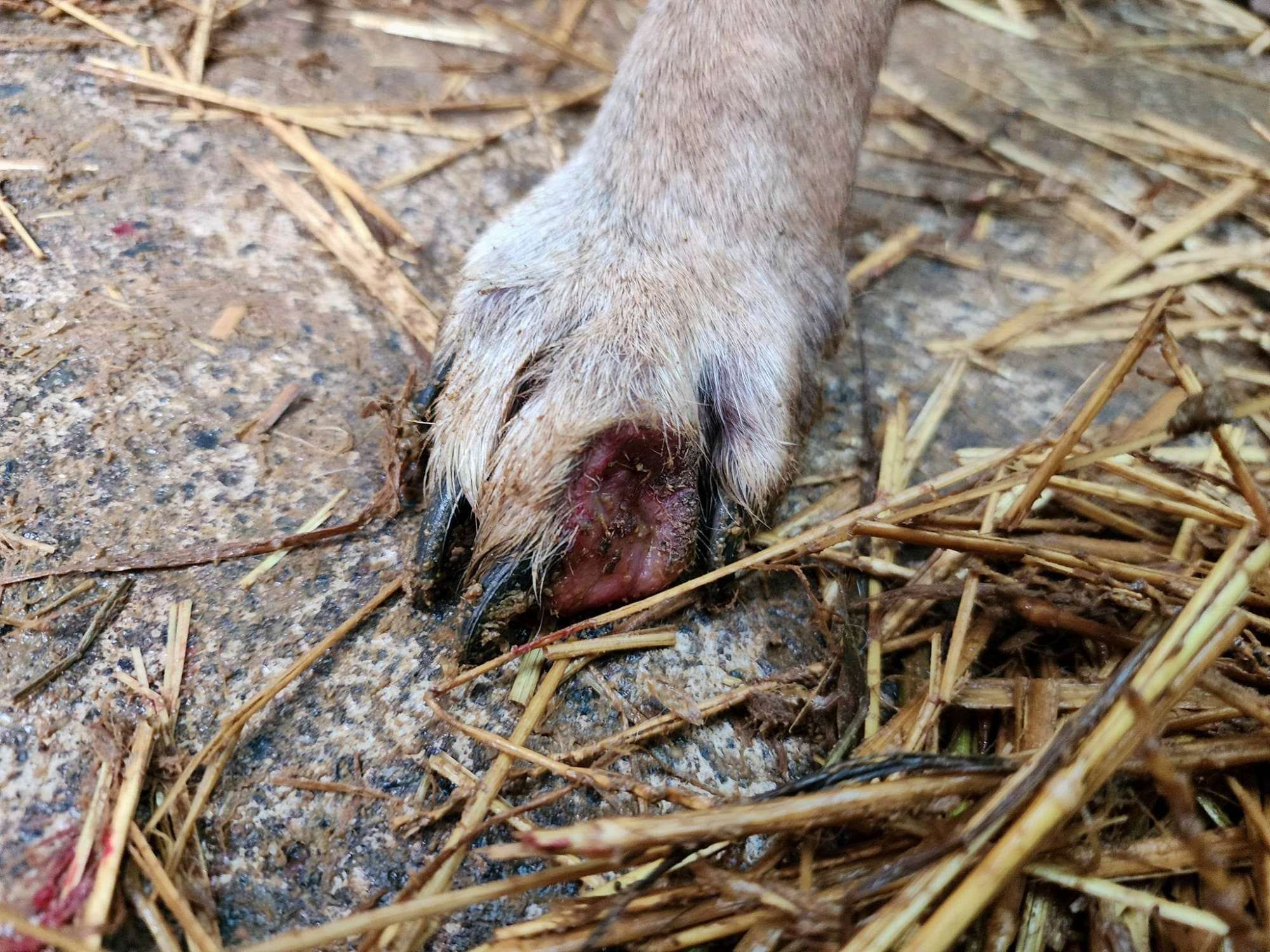
One of the K9s that was seized from her property, was CWD CEZAR. CWD CEZAR was in one of the worst conditions of all the Retired K9s saved by PSCPA. Following his short stay with PSPCA, he was adopted by Julia, and he spent the rest of his days being spoiled with toys, blankets and given all the love he was denied for years under Anne's care.
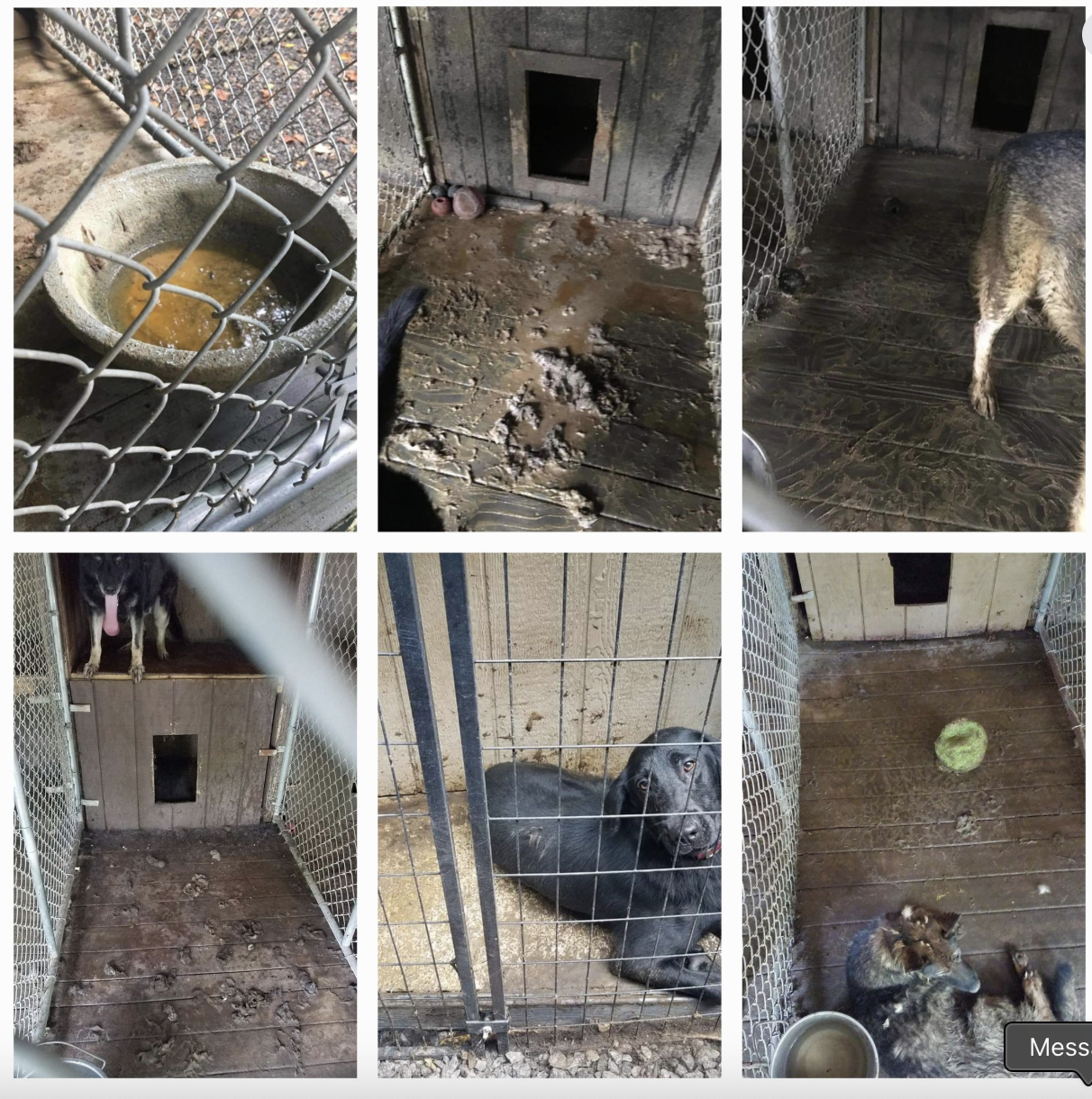
Per a 'Right to Know' Records Request, these are some of the comments from the Pennsylvania Dog Warden's reports:
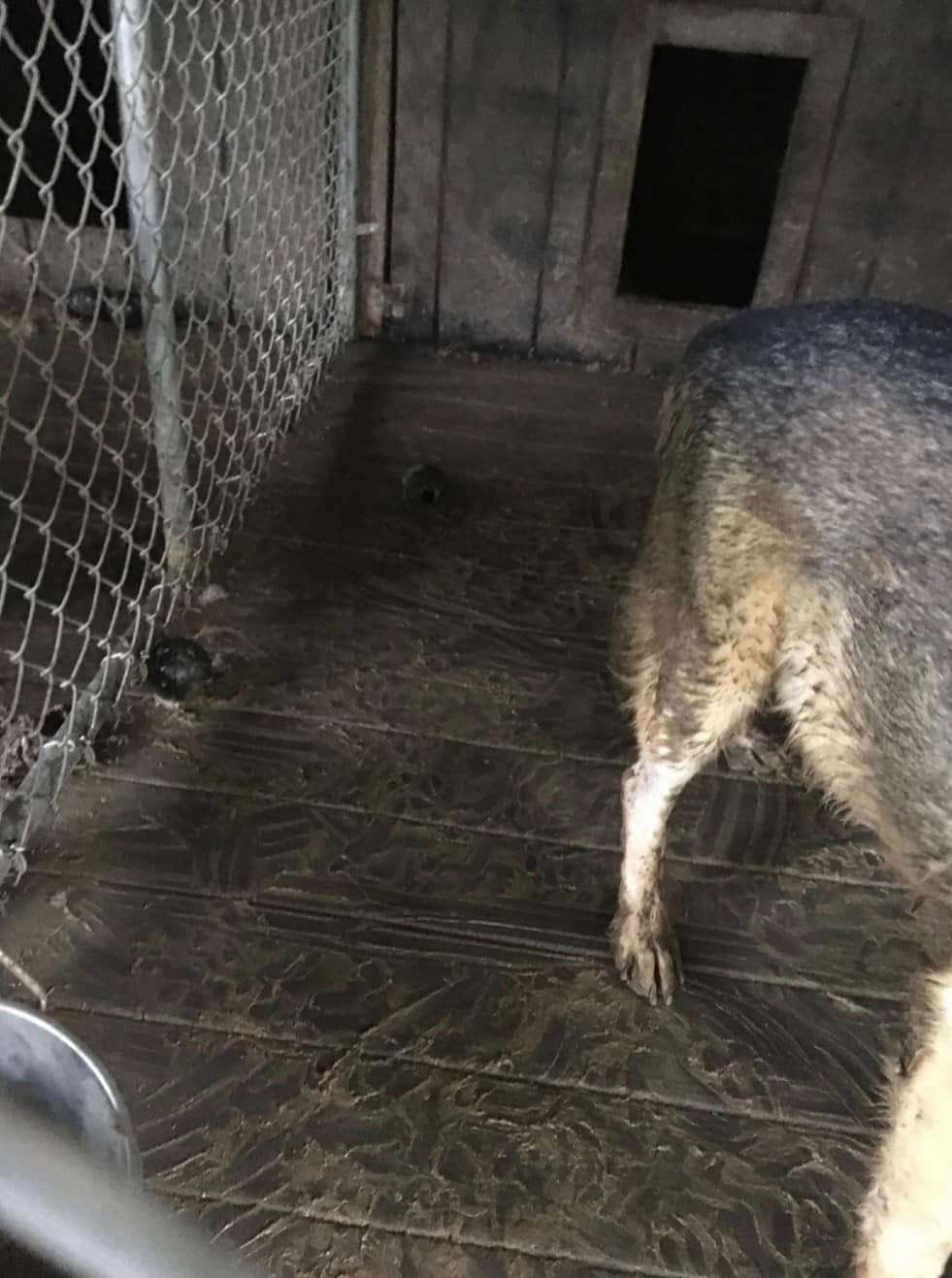
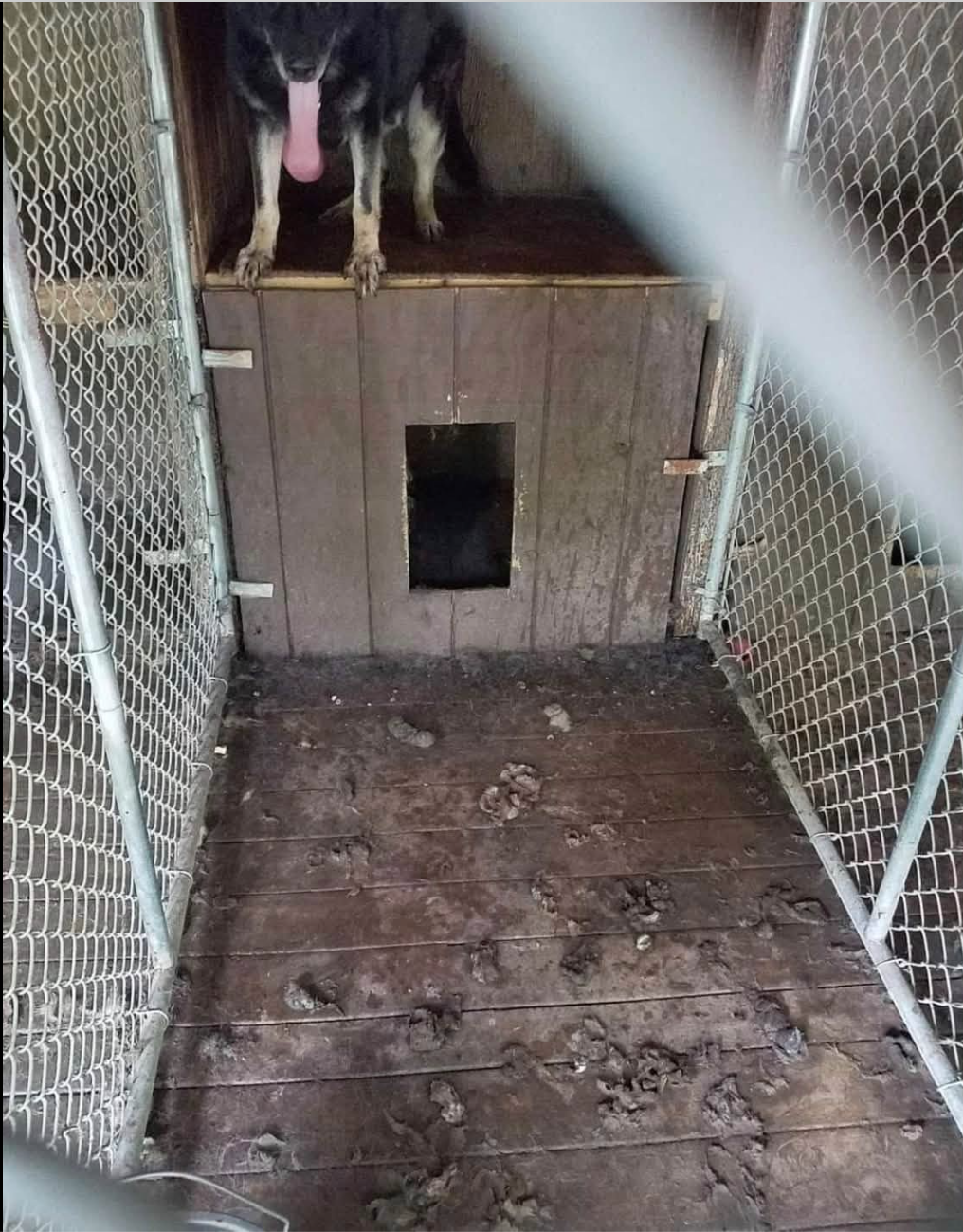
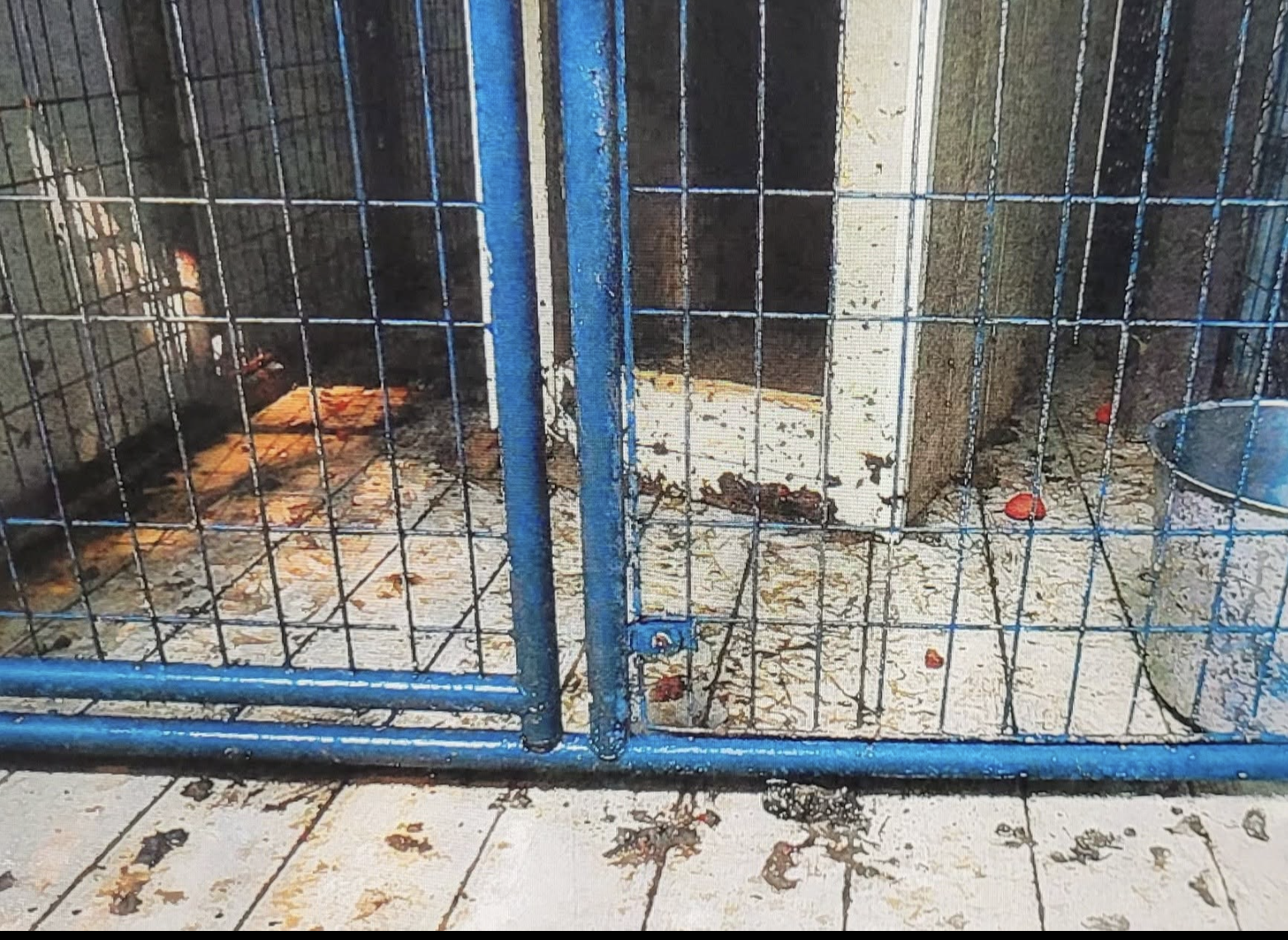
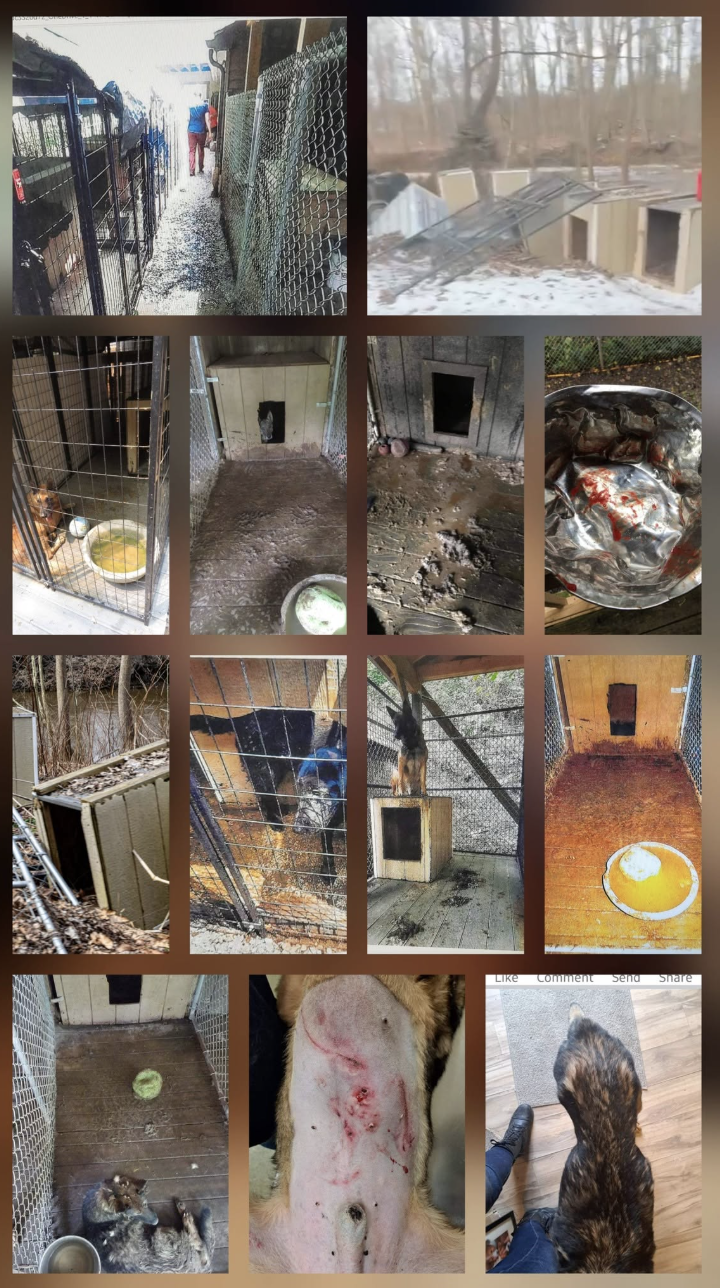
- Wardens viewed excreta all throughout the kennel. There was fecal matter smeared about and impacted in stones and decking boards throughout the kennel facility.
- Under the decking of enclosures there was a build up of excreta that had been washed down from above and not removed.
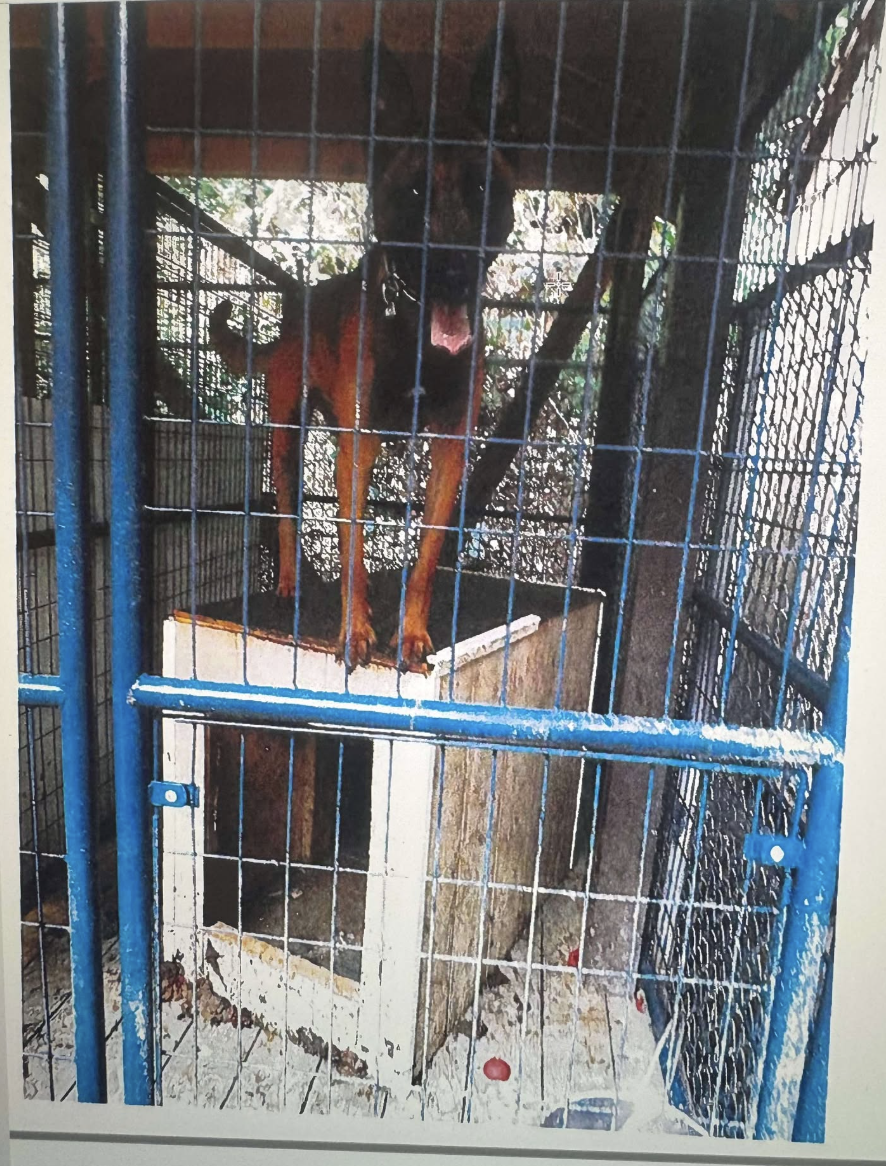
- There were numerous piles of excreta viewed in the boxes/shelter for the dogs to go into to get out of the weather extremes.
- Wardens viewed numerous dogs throughout the kennel that had matted fur and/or covered with feces.
- There were numerous dogs viewed excessively spinning inside their enclosures and aggressively flipping/tumbling their water buckets.
- There was one (1) particular dog viewed that was visually underweight and limping on front quarter.
- Wardens viewed dogs in enclosures with large holes in the floor that open to the ground beneath. These holes are large enough for an adult dogs leg to drop down through them.
- There were numerous piles of excreta viewed in the boxes/shelter for the dogs to go into to get out of the weather extremes.
- Wardens viewed water receptacles for dogs that were green in color from algae build-up and others that were chewed or pulled apart and now had sharp holes or broken pieces of metal sticking out of them.
- There was a very large number of flies that were viewed throughout the kennel flying around these areas of excessive waste build up indicating an ineffective program and unsanitary environmental sanitation in the kennel.
- There were large rats viewed running throughout the kennel grounds trying to hide under enclosures housing dogs, further evidence of conditions that encourage pest infestation in the kennel.
These are only a few comments annotated by the Dog Warden during the multiple kennel inspections.
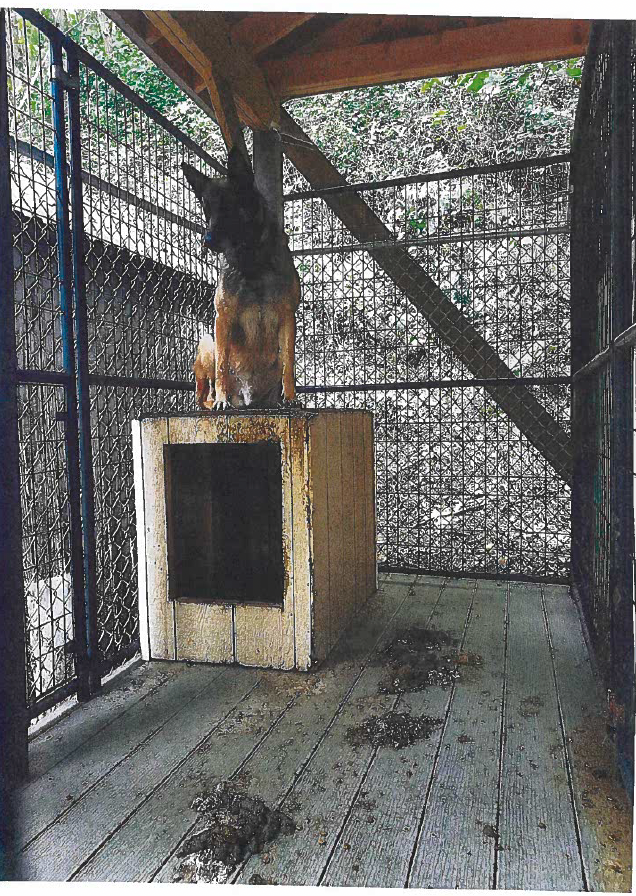
Anne Gibbs took a plea deal, pleading guilty to just ONE count of Animal Neglect/Abuse and surrendered her Kennel License for 10 Years.
In the state of Pennsylvania, A Kennel License means that you can own up to 26 dogs in a Calendar Year. That means currently, Anne Gibbs is authorized to own 25 Dogs in a Calendar year.
These K9s deserve better. Many people have turned a blind eye to what Anne has done, and forgotten the trauma and neglect she inflicted upon these retired heroes.
CEZAR'S LAW is dedicated to protecting retired working K9s by establishing rigorous standards of care, accountability, and oversight. The legislation promotes responsible placement and long-term welfare through mandatory inspections, independent behavioral evaluations, qualified custodianship, and meaningful legal enforcement, ensuring that retired working dogs are afforded the dignity, protection, and lifetime care commensurate with their service and sacrifice.
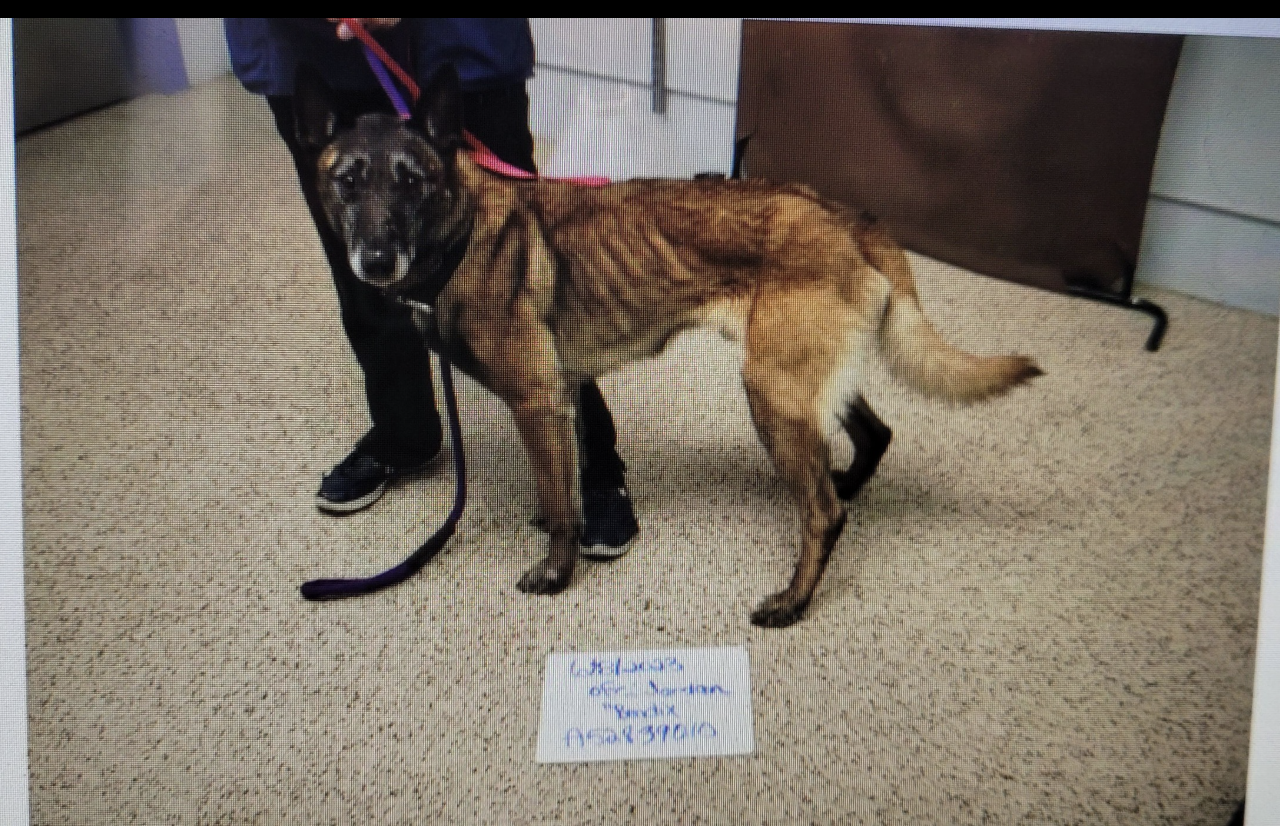
Here is a breakdown of the Individual Articles in 'CEZAR'S LAW':
Pursuant to the findings in Commonwealth of Pennsylvania v. Gibbs, Anne M., all kennels, rescue organizations, 501(c) (3) entities, and "temporary retirement homes" housing retired working canines shall be subject to mandatory quarterly inspections and unannounced inspections by the Pennsylvania Department of Agriculture:
ARTICLE I:
Upon a determination by the Department of Agriculture and the County Dog Warden that neglect, abuse, or maltreatment has occurred, the facility's kennel license shall be permanently revoked. The responsible owner or operator shall additionally be subject to a mandatory civil penalty of Fifty Thousand Dollars ($50,000) and a minimum term of six (6) months' imprisonment.
ARTICLE II:
An individual who has a criminal record, shall be prohibited from exercising custody, control, supervision, or oversight over retired working dogs-including, but not limited to, Military Working Dogs (MWDs), K9s, Contract Working Dogs (CWDs), and Multi-Purpose Canines (MPCs). This prohibition shall apply regardless of whether such care, custody, or supervision is characterized as temporary, foster-based, or conducted in a "hosting" capacity pending adoption or permanent placement.
ARTICLE III:
In any instance where the behavioral condition of a retired working canine is at issue, including but not limited to concerns involving aggression, anxiety, fear-based responses, or any other behavioral disorder or condition, the caretaker, custodian, or housing entity shall not conduct or rely upon a self-assessment of the animal's behavior.
Instead, the caretaker, custodian, or housing entity shall obtain independent evaluations from no fewer than two (2) licensed animal behaviorists possessing demonstrable experience in the assessment and management of working canines. Such evaluations shall be conducted prior to the implementation of any material behavioral determination, recommendation, or disposition concerning the animal.
For purposes of compliance with this policy, evaluations performed by the caretaker's regularly retained veterinarian, regardless of licensure status, years of professional experience, or familiarity with the animal, shall not satisfy the foregoing requirement unless such veterinarian is specifically approved under the criteria established herein. Likewise, assessments conducted by personal acquaintances, friends, volunteers, or other individuals lacking the requisite qualifications and approval shall not be considered valid for compliance purposes.
An approved list of licensed veterinarians and animal behaviorists qualified to perform such evaluations shall be maintained by the governing authority. Said list shall be reviewed and updated annually, and professionals may be added to or removed from the list based upon qualifications, experience, performance, or other relevant considerations.
ARTICLE IV:
Shall comply with the provisions of 10 U.S.C. § 2583, Military Animals: Transfer and Adoption, commonly known as "Robby's Law."
Any retired working canine eligible for transfer or adoption shall be placed in accordance with the order of preference established under applicable law and policy. All transfers and adoptions conducted pursuant to this provision shall be undertaken in a manner consistent with the welfare, safety, and best interests of the retired working K9s. Priority consideration shall be afforded as follows:
- The former handler or handlers of the retired working canine
- Other qualified individuals, organizations, or entities demonstrably capable of providing humane and appropriate care for the animal, provided such individuals or responsible parties have not been convicted of any offense involving animal cruelty, neglect, abuse, or any felony offense that would reasonably impair their suitability as custodians of the animal.
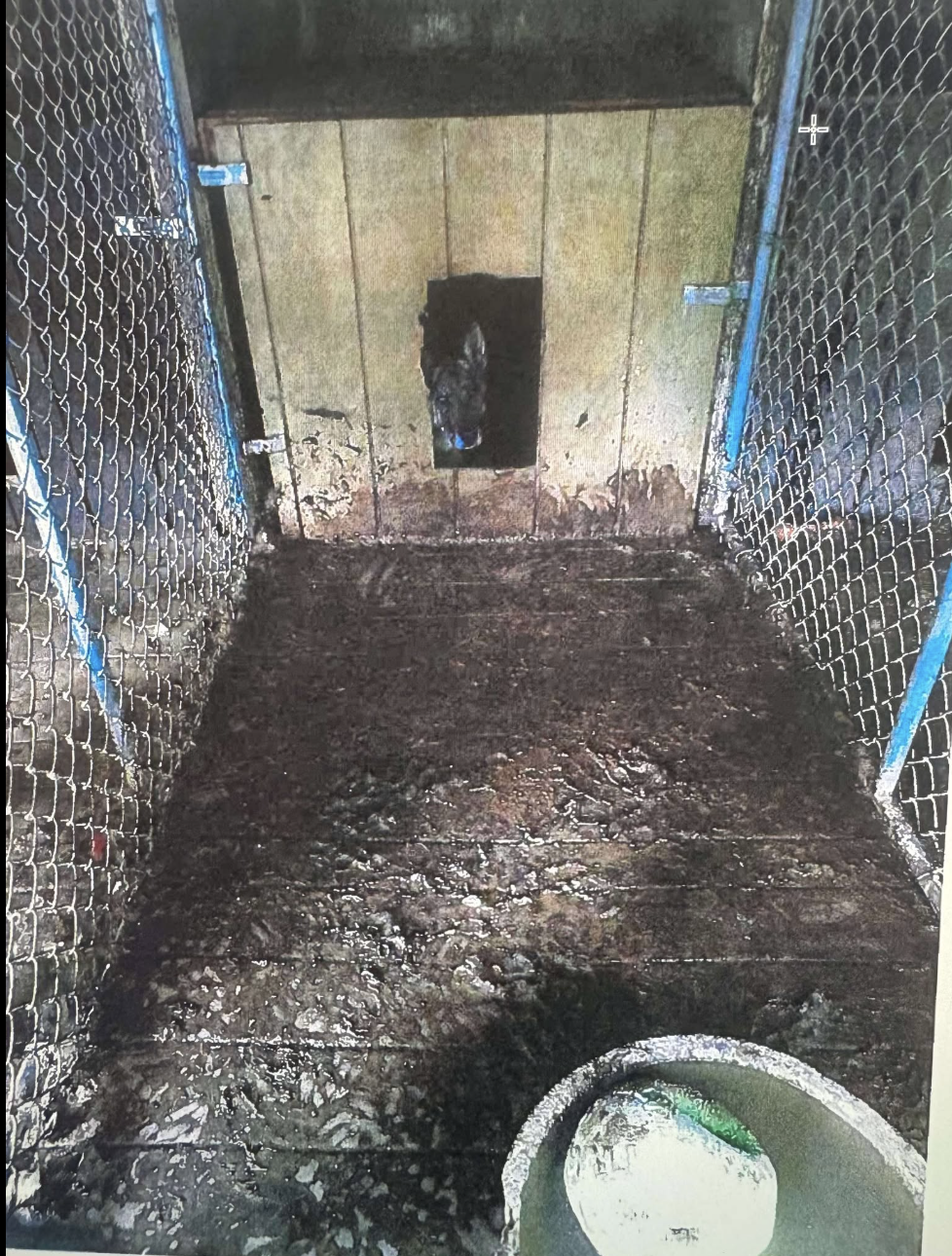
ARTICLE V:
Shall maintain complete financial transparency regarding all funds received, solicited, or raised on behalf of such canines.
Upon reasonable request by a member of the public, the organization or individual shall provide an accounting of all funds obtained through fundraising activities, whether conducted at public or private events, including, but not limited to, proceeds derived from the sale of merchandise such as clothing, drinkware, magnets, keychains, and similar items.
In instances where donated or raised funds are utilized for veterinary or medical expenses, supporting documentation shall consist of an itemized invoice or statement issued directly by the licensed veterinary provider in PDF format or another verifiable form of original documentation.
Screenshots, photographs, or images of invoices posted to social media by an owner, caretaker, or representative shall not constitute sufficient proof of expenditure, due to the increasing availability of artificial intelligence and other software capable of generating, altering, or misrepresenting financial records and receipts.
The purpose of this transparency requirement is to ensure accountability and responsible stewardship by organizations and individuals entrusted with the care of retired working canines. Furthermore, it provides donors and members of the public with clear and accurate information regarding the use of contributed funds, thereby promoting public trust and helping to safeguard the health, safety, welfare, and quality of life of retired working canines.
ARTICLE VI:
Prior to the collection of any Adoption Fee, the owner, president, director, manager, or other authorized representative of the organization shall establish direct communication with the prospective adopter, either through a telephone conversation or an in-person meeting, for the purpose of acknowledging receipt of the adoption application and discussing the adoption process. No Adoption Fee shall be solicited, requested, or collected until such communication has occurred.
At the time any Adoption Fee is requested or collected, the organization shall provide a clear and detailed accounting of the purpose of the fee, including a description of the costs, services, or expenses the fee is intended to cover: Such information shall be provided in a manner that ensures full transparency and allows the prospective adopter to make an informed decision.
The deliberate disregard, concealment, or abandonment of a submitted adoption application without reasonable notice to the applicant is prohibited. Furthermore, any individual responsible for administering the adoption process who ceases communication with a prospective adopter, fails to provide material information, or refuses to disclose the purpose and disposition of Adoption Fees shall be deemed to have engaged in conduct inconsistent with the duties and obligations of a licensed kennel, rescue organization, or charitable entity.
Upon receipt of a credible complaint alleging deceptive practices, misrepresentation, misuse of funds, or other violations of this Article, the appropriate regulatory or enforcement authority may initiate an investigation. If violations are substantiated, such findings may serve as grounds for administrative sanctions, including suspension or revocation of licenses, dissolution of the organization, referral to state or federal authorities, and any other remedies authorized by law.
Any person or entity found to have knowingly engaged in fraud, theft by deception, misappropriation of funds, or other criminal conduct related to the adoption or placement of retired working canines shall be subject to all applicable civil, administrative, and criminal penalties provided under the laws of the Commonwealth of Pennsylvania and the United States. Such penalties may include the permanent denial or revocation of kennel licensing privileges, monetary penalties, restitution, imprisonment, or other sanctions imposed by a court of competent jurisdiction.
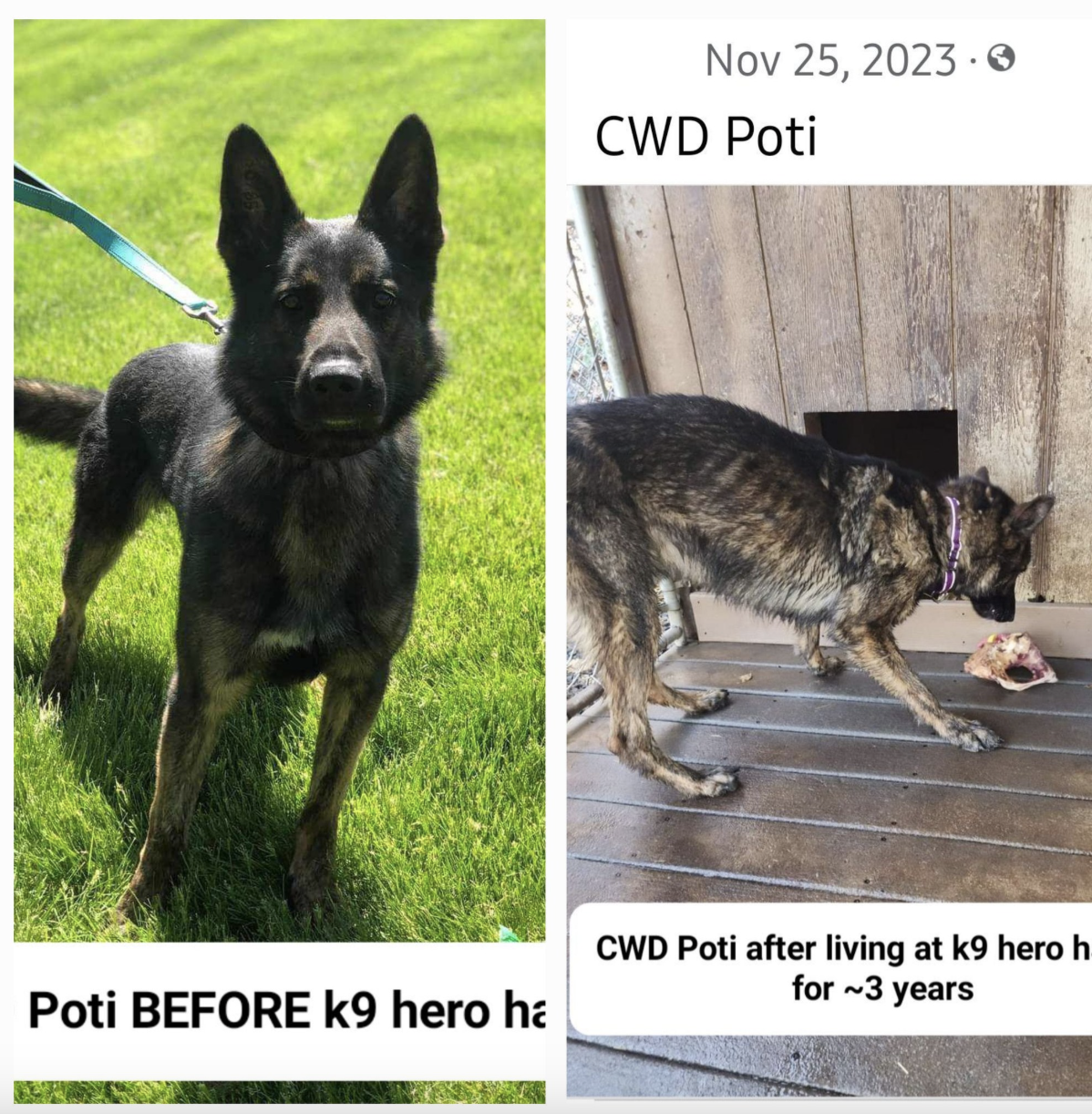
ARTICLE VII:
shall ensure that any person representing the organization at public or private events for the purpose of educating the public regarding the duties, training, deployment, behavior, health, welfare, or operational history of working canines shall be a Qualified Individual as defined herein.
For purposes of this Article, a Qualified Individual shall mean a person who has personally served in an official capacity as:
1) A Working K9 Handler within a Military, Law Enforcement, Governmental, or Contracted Working Dog Program.
2) A Working K9 Officer assigned to the handling, training, deployment, or supervision of Working Canines.
3) A Working K9 Supervisor responsible for the oversight, management, training, or operational deployment of Working Canine Teams.
4) Any other substantially equivalent professional position involving direct operational responsibility for Working Canines in a Law & Order Capacity.
Individuals shall not be deemed Qualified Individuals solely by virtue of their status as volunteers of an organization, family members of current or former K9 handlers, officers, or supervisors, owners of working-breed or bully-breed dogs, animal enthusiasts, or any other affiliation that does not include personal service in one of the capacities described above. Such individuals may only qualify if they have independently satisfied the professional experience requirements set forth herein.
The purpose of this qualification requirement is to promote public safety, ensure the accuracy and reliability of information presented to the public, provide transparency regarding the operational functions of working canines, and safeguard the welfare of retired working dogs participating in educational demonstrations or public
The dissemination of inaccurate, misleading, or unsubstantiated information by unqualified individuals may create a substantial risk to public health and safety, foster misconceptions regarding working canine operations, and place retired working canines in potentially hazardous or compromised situations through improper handling, representation, or management.
Any individual serving as a Qualified Individual under this Article shall, upon reasonable request by a member of the public, governmental authority, prospective adopter, donor, sponsor, or event organizer, provide documentation or other verifiable evidence demonstrating compliance with the qualification requirements set forth herein. Failure or refusal to provide such documentation upon request may constitute grounds for investigation and may result in suspension of the organization's authority to conduct educational programming involving retired working canines until compliance has been established.
ARTICLE VIII:
Shall be prohibited from using, exploiting, or permitting the use of any retired working canine, or the canine's law enforcement, military, or public service status, for the personal financial benefit of any individual, officer, director, employee, volunteer, or affiliated person.
Any public event, fundraiser, exhibition, demonstration, or promotional activity involving a retired working canine conducted by an organization described in this Article shall provide clear, accurate, and conspicuous disclosure to prospective donors regarding the intended purpose and use of all donations, proceeds, sponsorships, and other funds received in connection with the event.
All funds received shall be used solely in furtherance of the organization's stated charitable mission and exempt purposes. Records sufficient to account for the receipt and expenditure of such funds shall be maintained and made available as required by applicable law.
Compliance with the disclosure requirements set forth herein is intended to promote transparency, accountability, and public confidence in organizations entrusted with the care, retirement, and welfare of retired working canines.
ARTICLE IX:
Shall, upon accepting custody or ownership of such retired working canine, disclose to any prospective adopter the identity of the governmental department, agency, or organization, whether federal, state, or local, from which the retired working canine originated, including the canine's original working name and any officially assigned identification, if applicable.
Prior to the execution of any adoption, transfer, or placement agreement, the organization or individual shall provide the prospective adopter with the current contact information for the originating department, agency, or organization to permit the adopter to make independent inquiries regarding the retired working canine's service history, behavioral characteristics, medical condition, training, retirement circumstances, and any other information lawfully available.
At the time of adoption or transfer of ownership, the adopting individual shall be provided, without limitation, complete and records pertaining to the retired working canine, including:
1.) All available veterinary and medical records
2) Complete service and deployment history
3.) Training and certification records
4.) Behavioral evaluations, incident reports, and documented temperament assessments; Retirement documentation and any restrictions or recommendations concerning future placement, care, or handling
5.) Any other records maintained by the originating department, agency, organization, or placement entity that are material to the health, welfare, temperament, or history of the retired working canine.
No organization or individual subject to this Article shall knowingly withhold, conceal, misrepresent, disclose material information concerning the identity, health, behavioral history, service record, or prior ownership of a retired working canine when such information is reasonably necessary to permit an informed adoption decision or to protect the health, safety, and welfare of the adopter or the retired working canine.
The disclosure requirements set forth in this Article are intended to promote transparency, preserve the documented history of retired working canines, and ensure that prospective adopters are provided with sufficient information to make informed decisions regarding the care, placement, and long-term welfare of such animals.
ARTICLE X:
Shall maintain complete transparency in all public communications conducted through internet websites, digital platforms, and social media accounts operated, controlled, or maintained by such organization or individual.
For purposes of this Article,
"social media platform" shall include, but not be limited to, Facebook, Instagram, YouTube, Snapchat, Threads, Truth Social, Rumble, Kick, Twitch, X (formerly Twitter), TikTok, Tumblr, Pinterest, LinkedIn, Google-operated platforms, and any successor or substantially similar digital communication platform utilized for public outreach, fundraising, advertising, or dissemination of organizational information.
Every organization or individual subject to this Article shall prominently display on each publicly accessible social media account or internet website:
1) The organization's current mission statement
2) A direct and functional hyperlink to the organization's official website, adoption application, or equivalent public application portal, where applicable
3) Current contact information sufficient to permit members of the public to communicate with the organization regarding its operations, programs, or retired working canines
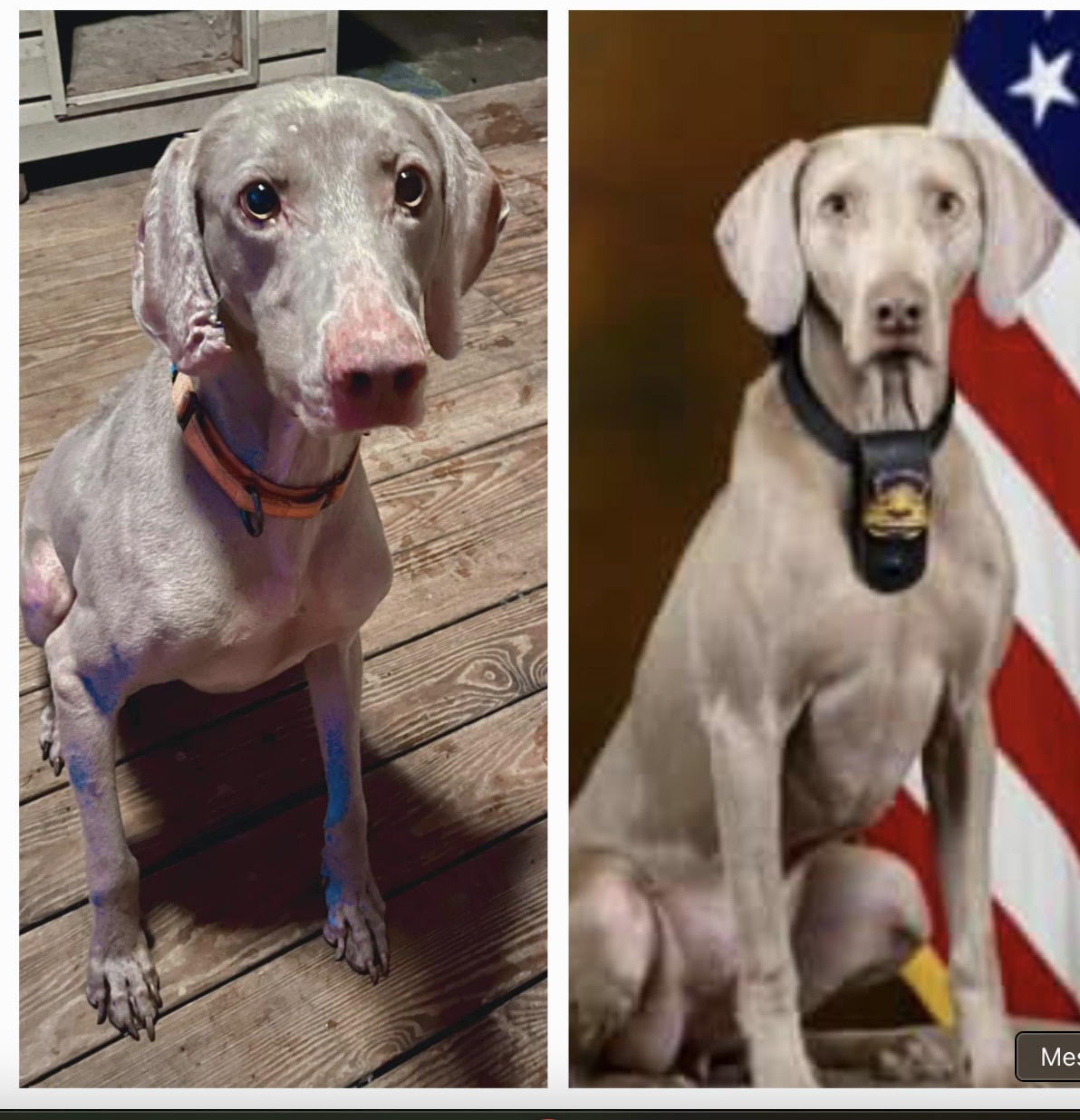
Any organization or individual maintaining custody, possession, or care of one or more retired working canines shall publish, at intervals not exceeding fourteen (14) calendar days, a current photographic image of each retired working canine residing within its custody or care.
Each photograph shall accurately depict the canine's current physical condition and general well-being.
Photographs required under this subsection shall not be materially altered, manipulated, digitally enhanced, cropped, filtered, or otherwise modified for the purpose of concealing, misrepresenting, or deceiving the public regarding the canine's health, physical condition, living environment, or identity.
**Nothing in this subsection shall prohibit routine image adjustments for brightness, contrast, or resolution, provided such adjustments do not materially alter the factual appearance or condition of the retired working canine.**
An organization or individual subject to this Article that knowingly fails to comply with the transparency requirements established herein, or knowingly publishes false, misleading, or deceptive representations concerning a retired working canine under its custody or care, shall be deemed in violation of this Act and shall be subject to any civil, administrative, or equitable remedies otherwise authorized by law.
ARTICLE XI:
Shall utilize all organizational assets solely for the lawful charitable, operational, and programmatic purposes for which the organization was established.
(A) No vehicle, equipment, apparatus, or other tangible property owned, leased, rented, donated to, or otherwise under the custody or control of an organization subject to this Article shall be used, directly or indirectly, for the personal benefit, private gain, or non-organizational advantage of any officer, director, trustee, employec, volunteer, contractor, member, or other affiliated individual.
For purposes of this Article, the term "vehicle" shall include:
1) Passenger motor vehicles
2) Motorcycles
3) Commercial motor vehicles
4) Utility and off-road vehicles
5) Trailers
6) Aircraft, helicopters, unmanned aerial systems, and any other airborne conveyance;
7) Boats, ships, personal watercraft, and all other waterborne
8) Any successor or substantially similar mode of transportation owned, leased, rented, or otherwise controlled by the organization.
Vehicles and equipment described herein shall be utilized exclusively for purposes directly related to the organization's charitable mission, including, but not limited to:
1) The transportation of retired working canines
2) The transportation of veterinary supplies, food, medical equipment, training equipment, kennels, or other organizational property
3)Veterinary, emergency, rescue, rehabilitation, adoption, retirement, educational, or administrative activities directly associated with the organization's mission
4) Other activities reasonably necessary to carry out the organization's exempt charitable purposes.
No vehicle or equipment governed by this Article shall be used for commuting, recreational activities, personal errands, vacation travel, or any other purpose unrelated to the organization's authorized charitable operations, regardless of whether such use occurs during or outside normal operating hours.
Upon receipt of credible evidence establishing reasonable grounds to believe that an organization or affiliated individual has knowingly utilized organizational property in violation of this Article, the matter may be referred to the appropriate governmental authorities for investigation, including, where jurisdiction exists:
1) The Department of Agriculture
2) The Department of Transportation
3) The Department of Homeland Security
4) Any other federal, state, or local agency possessing statutory or regulatory enforcement authority over the alleged conduct.
Where an organization exempt from federal income taxation pursuant to Section 501 (c) (3) of the Internal Revenue Code is found to have knowingly engaged in a pattern or practice of misuse organizational assets for private benefit or personal gain, such findings may be referred to the appropriate federal and state authorities for review of the organization's compliance with applicable charitable, tax-exempt, nonprofit, and fiduciary obligations, including consideration of administrative sanctions, suspension or revocation of tax-exempt status where authorized by law.
The remedies and enforcement provisions contained in this Article shall be cumulative and shall not preclude the imposition of any additional civil, criminal, administrative or equitable remedies otherwise authorized under federal or state law.
ARTICLE XII:
Every individual or entity serving as a temporary or permanent retirement placement for retired working canines shall ensure that all owners, officers, directors, trustees, employees, volunteers, contractors, foster caretakers, and any other individual with direct responsibility for the care, custody, control, transportation, or placement of retired working canines, successfully complete a comprehensive annual background investigation.
The required background investigation shall include, at a minimum:
1) A criminal history records check
2) A review of civil court records
3) A review of driving and traffic violation records
4) Any additional state or federal records deemed necessary by the appropriate regulatory or licensing authority to determine an individual's suitability to care for retired working canines
Because the care and placement of retired working canines constitutes a position of public trust and fiduciary responsibility, every organization and individual subject to this Article shall maintain standards of honesty, integrity, and fitness sufficient to protect the health, safety, and welfare of retired working canines.
Any owner, officer, director, trustee, employee, volunteer, contractor, foster caretaker, or affiliated individual who knowingly:
1) Refuses or fails to cooperate with a lawful investigation
2) Obstructs, delays, or interferes with an investigation conducted by a governmental agency or authorized regulatory authority
3) Knowingly provides false, misleading, incomplete, or fraudulent information
4) Conceals material facts or records
5) Engages in any act of fraud, misrepresentation, or deception related to the operation of the organization or the care of retired working canines, shall be subject to an immediate administrative investigation and any applicable civil or criminal enforcement proceedings.
Upon a finding of a violation of this Article, the responsible individual and, where applicable, the organization may be subject to one or more of the following sanctions:
1) Civil monetary penalties
2) Suspension or revocation of any state license, registration, or permit
3) Referral for criminal prosecution where authorized by law
4) Review by the Internal Revenue Service regarding continued qualification under Section 501(c)(3) of the Internal Revenue Code, where applicable; and any other administrative or judicial remedy authorized under federal or state law
ARTICLE XIII:
Shall operate in a manner that promotes transparency, accountability, and public confidence.
Upon the request of a prospective adopter or prospective donor, every entity subject to this Article shall provide a reasonable opportunity for an in-person, guided inspection of all retired working canines that are available for adoption.
Such inspection shall include access to the areas in which the adoptable retired working canines are housed, maintained, or exercised, except where temporary restrictions are reasonably necessary to protect the health or safety of the canine or the requesting individual.
Prospective adopters and prospective donors shall be permitted to photograph or otherwise document the housing, kennel, exercise, and living areas occupied by retired working canines that are available for adoption, provided that such documentation does not compromise the safety, security, or privacy interests of other individuals or animals lawfully present on the premises.
If a retired working canine is not available for public adoption due to documented medical, behavioral, or safety concerns, as determined through an evaluation conducted by a qualified and credentialed professional in accordance with the requirements of this Act, such canine may be excluded from public viewing. The basis for such exclusion shall be documented and maintained as part of the canine's permanent records.
Any retired working canine housed within a facility, regardless of adoptability status, shall be made immediately available for inspection by any duly authorized Animal Law Enforcement Officer, State Dog Warden, licensed veterinarian acting in an official capacity, public health official, humane society police officer where authorized by law, or any other federal, state, or local official possessing statutory authority to inspect animal welfare conditions.
No organization or individual subject to this Article shall deny, obstruct, delay, or otherwise interfere with any inspection conducted by an authorized governmental official or regulatory authority acting within the scope of their lawful duties. Any refusal to permit access, concealment of a retired working canine, falsification of records, or intentional misrepresentation concerning the condition or location of a retired working canine shall constitute a violation of this Act and may subject the responsible individual or entity to administrative sanctions, civil penalties, suspension or revocation of applicable licenses or registrations, and any other remedies authorized by law:
The provisions of this Article are intended to ensure the continued health, safety, humane treatment, and welfare of retired working canines through transparency, public accountability, and meaningful governmental oversight.
PASS CEZAR'S LAW IN PENNSYLVANIA!!
2,595
The Issue
CEZAR'S LAW was created by Julia Valenti, Captain in the United States Army (Military Police), who has worked in the K9 field since she was 17 years old in the Military, Federal Law Enforcement, and Private Detection/Security Services.
In 2024, Anne Gibbs, owner of 'K9 Hero Haven', a supposed 'retirement and rehoming sanctuary for working K9s', was originally charged with 41 counts of Animal Neglect & Cruelty. PSPCA seized 28 Retired Working K9s from her property.
One of the K9s that was seized from her property, was CWD CEZAR. CWD CEZAR was in one of the worst conditions of all the Retired K9s saved by PSCPA. Following his short stay with PSPCA, he was adopted by Julia, and he spent the rest of his days being spoiled with toys, blankets and given all the love he was denied for years under Anne's care.
Per a 'Right to Know' Records Request, these are some of the comments from the Pennsylvania Dog Warden's reports:
- Wardens viewed excreta all throughout the kennel. There was fecal matter smeared about and impacted in stones and decking boards throughout the kennel facility.
- Under the decking of enclosures there was a build up of excreta that had been washed down from above and not removed.
- There were numerous piles of excreta viewed in the boxes/shelter for the dogs to go into to get out of the weather extremes.
- Wardens viewed numerous dogs throughout the kennel that had matted fur and/or covered with feces.
- There were numerous dogs viewed excessively spinning inside their enclosures and aggressively flipping/tumbling their water buckets.
- There was one (1) particular dog viewed that was visually underweight and limping on front quarter.
- Wardens viewed dogs in enclosures with large holes in the floor that open to the ground beneath. These holes are large enough for an adult dogs leg to drop down through them.
- There were numerous piles of excreta viewed in the boxes/shelter for the dogs to go into to get out of the weather extremes.
- Wardens viewed water receptacles for dogs that were green in color from algae build-up and others that were chewed or pulled apart and now had sharp holes or broken pieces of metal sticking out of them.
- There was a very large number of flies that were viewed throughout the kennel flying around these areas of excessive waste build up indicating an ineffective program and unsanitary environmental sanitation in the kennel.
- There were large rats viewed running throughout the kennel grounds trying to hide under enclosures housing dogs, further evidence of conditions that encourage pest infestation in the kennel.
These are only a few comments annotated by the Dog Warden during the multiple kennel inspections.
Anne Gibbs took a plea deal, pleading guilty to just ONE count of Animal Neglect/Abuse and surrendered her Kennel License for 10 Years.
In the state of Pennsylvania, A Kennel License means that you can own up to 26 dogs in a Calendar Year. That means currently, Anne Gibbs is authorized to own 25 Dogs in a Calendar year.
These K9s deserve better. Many people have turned a blind eye to what Anne has done, and forgotten the trauma and neglect she inflicted upon these retired heroes.
CEZAR'S LAW is dedicated to protecting retired working K9s by establishing rigorous standards of care, accountability, and oversight. The legislation promotes responsible placement and long-term welfare through mandatory inspections, independent behavioral evaluations, qualified custodianship, and meaningful legal enforcement, ensuring that retired working dogs are afforded the dignity, protection, and lifetime care commensurate with their service and sacrifice.
Here is a breakdown of the Individual Articles in 'CEZAR'S LAW':
Pursuant to the findings in Commonwealth of Pennsylvania v. Gibbs, Anne M., all kennels, rescue organizations, 501(c) (3) entities, and "temporary retirement homes" housing retired working canines shall be subject to mandatory quarterly inspections and unannounced inspections by the Pennsylvania Department of Agriculture:
ARTICLE I:
Upon a determination by the Department of Agriculture and the County Dog Warden that neglect, abuse, or maltreatment has occurred, the facility's kennel license shall be permanently revoked. The responsible owner or operator shall additionally be subject to a mandatory civil penalty of Fifty Thousand Dollars ($50,000) and a minimum term of six (6) months' imprisonment.
ARTICLE II:
An individual who has a criminal record, shall be prohibited from exercising custody, control, supervision, or oversight over retired working dogs-including, but not limited to, Military Working Dogs (MWDs), K9s, Contract Working Dogs (CWDs), and Multi-Purpose Canines (MPCs). This prohibition shall apply regardless of whether such care, custody, or supervision is characterized as temporary, foster-based, or conducted in a "hosting" capacity pending adoption or permanent placement.
ARTICLE III:
In any instance where the behavioral condition of a retired working canine is at issue, including but not limited to concerns involving aggression, anxiety, fear-based responses, or any other behavioral disorder or condition, the caretaker, custodian, or housing entity shall not conduct or rely upon a self-assessment of the animal's behavior.
Instead, the caretaker, custodian, or housing entity shall obtain independent evaluations from no fewer than two (2) licensed animal behaviorists possessing demonstrable experience in the assessment and management of working canines. Such evaluations shall be conducted prior to the implementation of any material behavioral determination, recommendation, or disposition concerning the animal.
For purposes of compliance with this policy, evaluations performed by the caretaker's regularly retained veterinarian, regardless of licensure status, years of professional experience, or familiarity with the animal, shall not satisfy the foregoing requirement unless such veterinarian is specifically approved under the criteria established herein. Likewise, assessments conducted by personal acquaintances, friends, volunteers, or other individuals lacking the requisite qualifications and approval shall not be considered valid for compliance purposes.
An approved list of licensed veterinarians and animal behaviorists qualified to perform such evaluations shall be maintained by the governing authority. Said list shall be reviewed and updated annually, and professionals may be added to or removed from the list based upon qualifications, experience, performance, or other relevant considerations.
ARTICLE IV:
Shall comply with the provisions of 10 U.S.C. § 2583, Military Animals: Transfer and Adoption, commonly known as "Robby's Law."
Any retired working canine eligible for transfer or adoption shall be placed in accordance with the order of preference established under applicable law and policy. All transfers and adoptions conducted pursuant to this provision shall be undertaken in a manner consistent with the welfare, safety, and best interests of the retired working K9s. Priority consideration shall be afforded as follows:
- The former handler or handlers of the retired working canine
- Other qualified individuals, organizations, or entities demonstrably capable of providing humane and appropriate care for the animal, provided such individuals or responsible parties have not been convicted of any offense involving animal cruelty, neglect, abuse, or any felony offense that would reasonably impair their suitability as custodians of the animal.
ARTICLE V:
Shall maintain complete financial transparency regarding all funds received, solicited, or raised on behalf of such canines.
Upon reasonable request by a member of the public, the organization or individual shall provide an accounting of all funds obtained through fundraising activities, whether conducted at public or private events, including, but not limited to, proceeds derived from the sale of merchandise such as clothing, drinkware, magnets, keychains, and similar items.
In instances where donated or raised funds are utilized for veterinary or medical expenses, supporting documentation shall consist of an itemized invoice or statement issued directly by the licensed veterinary provider in PDF format or another verifiable form of original documentation.
Screenshots, photographs, or images of invoices posted to social media by an owner, caretaker, or representative shall not constitute sufficient proof of expenditure, due to the increasing availability of artificial intelligence and other software capable of generating, altering, or misrepresenting financial records and receipts.
The purpose of this transparency requirement is to ensure accountability and responsible stewardship by organizations and individuals entrusted with the care of retired working canines. Furthermore, it provides donors and members of the public with clear and accurate information regarding the use of contributed funds, thereby promoting public trust and helping to safeguard the health, safety, welfare, and quality of life of retired working canines.
ARTICLE VI:
Prior to the collection of any Adoption Fee, the owner, president, director, manager, or other authorized representative of the organization shall establish direct communication with the prospective adopter, either through a telephone conversation or an in-person meeting, for the purpose of acknowledging receipt of the adoption application and discussing the adoption process. No Adoption Fee shall be solicited, requested, or collected until such communication has occurred.
At the time any Adoption Fee is requested or collected, the organization shall provide a clear and detailed accounting of the purpose of the fee, including a description of the costs, services, or expenses the fee is intended to cover: Such information shall be provided in a manner that ensures full transparency and allows the prospective adopter to make an informed decision.
The deliberate disregard, concealment, or abandonment of a submitted adoption application without reasonable notice to the applicant is prohibited. Furthermore, any individual responsible for administering the adoption process who ceases communication with a prospective adopter, fails to provide material information, or refuses to disclose the purpose and disposition of Adoption Fees shall be deemed to have engaged in conduct inconsistent with the duties and obligations of a licensed kennel, rescue organization, or charitable entity.
Upon receipt of a credible complaint alleging deceptive practices, misrepresentation, misuse of funds, or other violations of this Article, the appropriate regulatory or enforcement authority may initiate an investigation. If violations are substantiated, such findings may serve as grounds for administrative sanctions, including suspension or revocation of licenses, dissolution of the organization, referral to state or federal authorities, and any other remedies authorized by law.
Any person or entity found to have knowingly engaged in fraud, theft by deception, misappropriation of funds, or other criminal conduct related to the adoption or placement of retired working canines shall be subject to all applicable civil, administrative, and criminal penalties provided under the laws of the Commonwealth of Pennsylvania and the United States. Such penalties may include the permanent denial or revocation of kennel licensing privileges, monetary penalties, restitution, imprisonment, or other sanctions imposed by a court of competent jurisdiction.
ARTICLE VII:
shall ensure that any person representing the organization at public or private events for the purpose of educating the public regarding the duties, training, deployment, behavior, health, welfare, or operational history of working canines shall be a Qualified Individual as defined herein.
For purposes of this Article, a Qualified Individual shall mean a person who has personally served in an official capacity as:
1) A Working K9 Handler within a Military, Law Enforcement, Governmental, or Contracted Working Dog Program.
2) A Working K9 Officer assigned to the handling, training, deployment, or supervision of Working Canines.
3) A Working K9 Supervisor responsible for the oversight, management, training, or operational deployment of Working Canine Teams.
4) Any other substantially equivalent professional position involving direct operational responsibility for Working Canines in a Law & Order Capacity.
Individuals shall not be deemed Qualified Individuals solely by virtue of their status as volunteers of an organization, family members of current or former K9 handlers, officers, or supervisors, owners of working-breed or bully-breed dogs, animal enthusiasts, or any other affiliation that does not include personal service in one of the capacities described above. Such individuals may only qualify if they have independently satisfied the professional experience requirements set forth herein.
The purpose of this qualification requirement is to promote public safety, ensure the accuracy and reliability of information presented to the public, provide transparency regarding the operational functions of working canines, and safeguard the welfare of retired working dogs participating in educational demonstrations or public
The dissemination of inaccurate, misleading, or unsubstantiated information by unqualified individuals may create a substantial risk to public health and safety, foster misconceptions regarding working canine operations, and place retired working canines in potentially hazardous or compromised situations through improper handling, representation, or management.
Any individual serving as a Qualified Individual under this Article shall, upon reasonable request by a member of the public, governmental authority, prospective adopter, donor, sponsor, or event organizer, provide documentation or other verifiable evidence demonstrating compliance with the qualification requirements set forth herein. Failure or refusal to provide such documentation upon request may constitute grounds for investigation and may result in suspension of the organization's authority to conduct educational programming involving retired working canines until compliance has been established.
ARTICLE VIII:
Shall be prohibited from using, exploiting, or permitting the use of any retired working canine, or the canine's law enforcement, military, or public service status, for the personal financial benefit of any individual, officer, director, employee, volunteer, or affiliated person.
Any public event, fundraiser, exhibition, demonstration, or promotional activity involving a retired working canine conducted by an organization described in this Article shall provide clear, accurate, and conspicuous disclosure to prospective donors regarding the intended purpose and use of all donations, proceeds, sponsorships, and other funds received in connection with the event.
All funds received shall be used solely in furtherance of the organization's stated charitable mission and exempt purposes. Records sufficient to account for the receipt and expenditure of such funds shall be maintained and made available as required by applicable law.
Compliance with the disclosure requirements set forth herein is intended to promote transparency, accountability, and public confidence in organizations entrusted with the care, retirement, and welfare of retired working canines.
ARTICLE IX:
Shall, upon accepting custody or ownership of such retired working canine, disclose to any prospective adopter the identity of the governmental department, agency, or organization, whether federal, state, or local, from which the retired working canine originated, including the canine's original working name and any officially assigned identification, if applicable.
Prior to the execution of any adoption, transfer, or placement agreement, the organization or individual shall provide the prospective adopter with the current contact information for the originating department, agency, or organization to permit the adopter to make independent inquiries regarding the retired working canine's service history, behavioral characteristics, medical condition, training, retirement circumstances, and any other information lawfully available.
At the time of adoption or transfer of ownership, the adopting individual shall be provided, without limitation, complete and records pertaining to the retired working canine, including:
1.) All available veterinary and medical records
2) Complete service and deployment history
3.) Training and certification records
4.) Behavioral evaluations, incident reports, and documented temperament assessments; Retirement documentation and any restrictions or recommendations concerning future placement, care, or handling
5.) Any other records maintained by the originating department, agency, organization, or placement entity that are material to the health, welfare, temperament, or history of the retired working canine.
No organization or individual subject to this Article shall knowingly withhold, conceal, misrepresent, disclose material information concerning the identity, health, behavioral history, service record, or prior ownership of a retired working canine when such information is reasonably necessary to permit an informed adoption decision or to protect the health, safety, and welfare of the adopter or the retired working canine.
The disclosure requirements set forth in this Article are intended to promote transparency, preserve the documented history of retired working canines, and ensure that prospective adopters are provided with sufficient information to make informed decisions regarding the care, placement, and long-term welfare of such animals.
ARTICLE X:
Shall maintain complete transparency in all public communications conducted through internet websites, digital platforms, and social media accounts operated, controlled, or maintained by such organization or individual.
For purposes of this Article,
"social media platform" shall include, but not be limited to, Facebook, Instagram, YouTube, Snapchat, Threads, Truth Social, Rumble, Kick, Twitch, X (formerly Twitter), TikTok, Tumblr, Pinterest, LinkedIn, Google-operated platforms, and any successor or substantially similar digital communication platform utilized for public outreach, fundraising, advertising, or dissemination of organizational information.
Every organization or individual subject to this Article shall prominently display on each publicly accessible social media account or internet website:
1) The organization's current mission statement
2) A direct and functional hyperlink to the organization's official website, adoption application, or equivalent public application portal, where applicable
3) Current contact information sufficient to permit members of the public to communicate with the organization regarding its operations, programs, or retired working canines
Any organization or individual maintaining custody, possession, or care of one or more retired working canines shall publish, at intervals not exceeding fourteen (14) calendar days, a current photographic image of each retired working canine residing within its custody or care.
Each photograph shall accurately depict the canine's current physical condition and general well-being.
Photographs required under this subsection shall not be materially altered, manipulated, digitally enhanced, cropped, filtered, or otherwise modified for the purpose of concealing, misrepresenting, or deceiving the public regarding the canine's health, physical condition, living environment, or identity.
**Nothing in this subsection shall prohibit routine image adjustments for brightness, contrast, or resolution, provided such adjustments do not materially alter the factual appearance or condition of the retired working canine.**
An organization or individual subject to this Article that knowingly fails to comply with the transparency requirements established herein, or knowingly publishes false, misleading, or deceptive representations concerning a retired working canine under its custody or care, shall be deemed in violation of this Act and shall be subject to any civil, administrative, or equitable remedies otherwise authorized by law.
ARTICLE XI:
Shall utilize all organizational assets solely for the lawful charitable, operational, and programmatic purposes for which the organization was established.
(A) No vehicle, equipment, apparatus, or other tangible property owned, leased, rented, donated to, or otherwise under the custody or control of an organization subject to this Article shall be used, directly or indirectly, for the personal benefit, private gain, or non-organizational advantage of any officer, director, trustee, employec, volunteer, contractor, member, or other affiliated individual.
For purposes of this Article, the term "vehicle" shall include:
1) Passenger motor vehicles
2) Motorcycles
3) Commercial motor vehicles
4) Utility and off-road vehicles
5) Trailers
6) Aircraft, helicopters, unmanned aerial systems, and any other airborne conveyance;
7) Boats, ships, personal watercraft, and all other waterborne
8) Any successor or substantially similar mode of transportation owned, leased, rented, or otherwise controlled by the organization.
Vehicles and equipment described herein shall be utilized exclusively for purposes directly related to the organization's charitable mission, including, but not limited to:
1) The transportation of retired working canines
2) The transportation of veterinary supplies, food, medical equipment, training equipment, kennels, or other organizational property
3)Veterinary, emergency, rescue, rehabilitation, adoption, retirement, educational, or administrative activities directly associated with the organization's mission
4) Other activities reasonably necessary to carry out the organization's exempt charitable purposes.
No vehicle or equipment governed by this Article shall be used for commuting, recreational activities, personal errands, vacation travel, or any other purpose unrelated to the organization's authorized charitable operations, regardless of whether such use occurs during or outside normal operating hours.
Upon receipt of credible evidence establishing reasonable grounds to believe that an organization or affiliated individual has knowingly utilized organizational property in violation of this Article, the matter may be referred to the appropriate governmental authorities for investigation, including, where jurisdiction exists:
1) The Department of Agriculture
2) The Department of Transportation
3) The Department of Homeland Security
4) Any other federal, state, or local agency possessing statutory or regulatory enforcement authority over the alleged conduct.
Where an organization exempt from federal income taxation pursuant to Section 501 (c) (3) of the Internal Revenue Code is found to have knowingly engaged in a pattern or practice of misuse organizational assets for private benefit or personal gain, such findings may be referred to the appropriate federal and state authorities for review of the organization's compliance with applicable charitable, tax-exempt, nonprofit, and fiduciary obligations, including consideration of administrative sanctions, suspension or revocation of tax-exempt status where authorized by law.
The remedies and enforcement provisions contained in this Article shall be cumulative and shall not preclude the imposition of any additional civil, criminal, administrative or equitable remedies otherwise authorized under federal or state law.
ARTICLE XII:
Every individual or entity serving as a temporary or permanent retirement placement for retired working canines shall ensure that all owners, officers, directors, trustees, employees, volunteers, contractors, foster caretakers, and any other individual with direct responsibility for the care, custody, control, transportation, or placement of retired working canines, successfully complete a comprehensive annual background investigation.
The required background investigation shall include, at a minimum:
1) A criminal history records check
2) A review of civil court records
3) A review of driving and traffic violation records
4) Any additional state or federal records deemed necessary by the appropriate regulatory or licensing authority to determine an individual's suitability to care for retired working canines
Because the care and placement of retired working canines constitutes a position of public trust and fiduciary responsibility, every organization and individual subject to this Article shall maintain standards of honesty, integrity, and fitness sufficient to protect the health, safety, and welfare of retired working canines.
Any owner, officer, director, trustee, employee, volunteer, contractor, foster caretaker, or affiliated individual who knowingly:
1) Refuses or fails to cooperate with a lawful investigation
2) Obstructs, delays, or interferes with an investigation conducted by a governmental agency or authorized regulatory authority
3) Knowingly provides false, misleading, incomplete, or fraudulent information
4) Conceals material facts or records
5) Engages in any act of fraud, misrepresentation, or deception related to the operation of the organization or the care of retired working canines, shall be subject to an immediate administrative investigation and any applicable civil or criminal enforcement proceedings.
Upon a finding of a violation of this Article, the responsible individual and, where applicable, the organization may be subject to one or more of the following sanctions:
1) Civil monetary penalties
2) Suspension or revocation of any state license, registration, or permit
3) Referral for criminal prosecution where authorized by law
4) Review by the Internal Revenue Service regarding continued qualification under Section 501(c)(3) of the Internal Revenue Code, where applicable; and any other administrative or judicial remedy authorized under federal or state law
ARTICLE XIII:
Shall operate in a manner that promotes transparency, accountability, and public confidence.
Upon the request of a prospective adopter or prospective donor, every entity subject to this Article shall provide a reasonable opportunity for an in-person, guided inspection of all retired working canines that are available for adoption.
Such inspection shall include access to the areas in which the adoptable retired working canines are housed, maintained, or exercised, except where temporary restrictions are reasonably necessary to protect the health or safety of the canine or the requesting individual.
Prospective adopters and prospective donors shall be permitted to photograph or otherwise document the housing, kennel, exercise, and living areas occupied by retired working canines that are available for adoption, provided that such documentation does not compromise the safety, security, or privacy interests of other individuals or animals lawfully present on the premises.
If a retired working canine is not available for public adoption due to documented medical, behavioral, or safety concerns, as determined through an evaluation conducted by a qualified and credentialed professional in accordance with the requirements of this Act, such canine may be excluded from public viewing. The basis for such exclusion shall be documented and maintained as part of the canine's permanent records.
Any retired working canine housed within a facility, regardless of adoptability status, shall be made immediately available for inspection by any duly authorized Animal Law Enforcement Officer, State Dog Warden, licensed veterinarian acting in an official capacity, public health official, humane society police officer where authorized by law, or any other federal, state, or local official possessing statutory authority to inspect animal welfare conditions.
No organization or individual subject to this Article shall deny, obstruct, delay, or otherwise interfere with any inspection conducted by an authorized governmental official or regulatory authority acting within the scope of their lawful duties. Any refusal to permit access, concealment of a retired working canine, falsification of records, or intentional misrepresentation concerning the condition or location of a retired working canine shall constitute a violation of this Act and may subject the responsible individual or entity to administrative sanctions, civil penalties, suspension or revocation of applicable licenses or registrations, and any other remedies authorized by law:
The provisions of this Article are intended to ensure the continued health, safety, humane treatment, and welfare of retired working canines through transparency, public accountability, and meaningful governmental oversight.
PASS CEZAR'S LAW IN PENNSYLVANIA!!
Supporter Voices
Petition Updates
Share this petition
Petition created on July 29, 2026