

Care for Coral Reefs: Start with Our Schools!
The Issue
Colorful Reefs, Healthy Oceans: Take a Stand Against Coral Bleaching: Start from our Schools:
Dear World Leaders and Ocean Protectors,
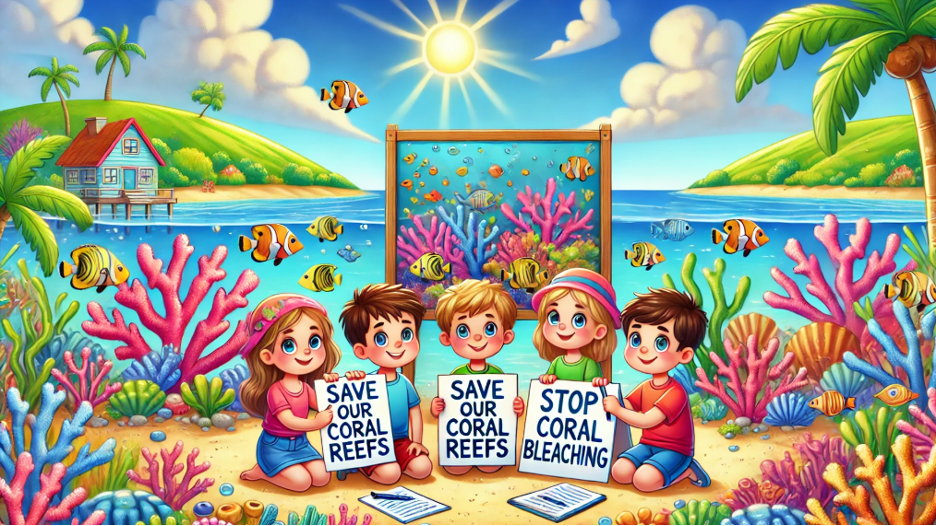
We are a group of kids who dream of a future where coral reefs flourish, filling our oceans with color, life, and wonder. Coral reefs are like underwater cities where fish and sea creatures live. But something bad is happening to them, they are turning white and dying because of coral bleaching.
Coral bleaching happens when the water gets too warm or polluted, largely due to global warming and human activities, highlighting the urgent need for sustainability initiatives. It hurts the corals and all the animals that live there. If we don’t act now, we could lose these beautiful magical underwater cities forever.
Why does it matter?
Scientists have predicted that by 2050, coral reefs could become extinct. By safeguarding coral reefs, we ensure a thriving planet for current and future generations.
Coral reefs are not just pretty—they help the planet by:
- Providing habitat for 25% of marine life. There are roughly around 1 million different species that rely on coral reefs for food and shelter.
- Protecting shorelines from big waves.
- Helping people by supporting fishing (38 million people worldwide) and tourism.
- Contributing to billions of dollars in global economies.
- Supporting marine biodiversity.
- Providing valuable resources to the medicine industry.
See Our Awareness Campaign!
Check out our video cast to understand the impact of coral bleaching and what we can do to protect our reefs: https://youtu.be/UBXSnT7Qex8?si=6kME9xf8Kf4VV4Ju
What do we want?
We, the undersigned, recognize the importance of education and proactive efforts to secure our planet’s future. Coral reef degradation is a global issue, but we aim to take meaningful steps starting in our schools. We call on our schools to implement sustainable practices and include coral conservation education in the curriculum.
How can you help?
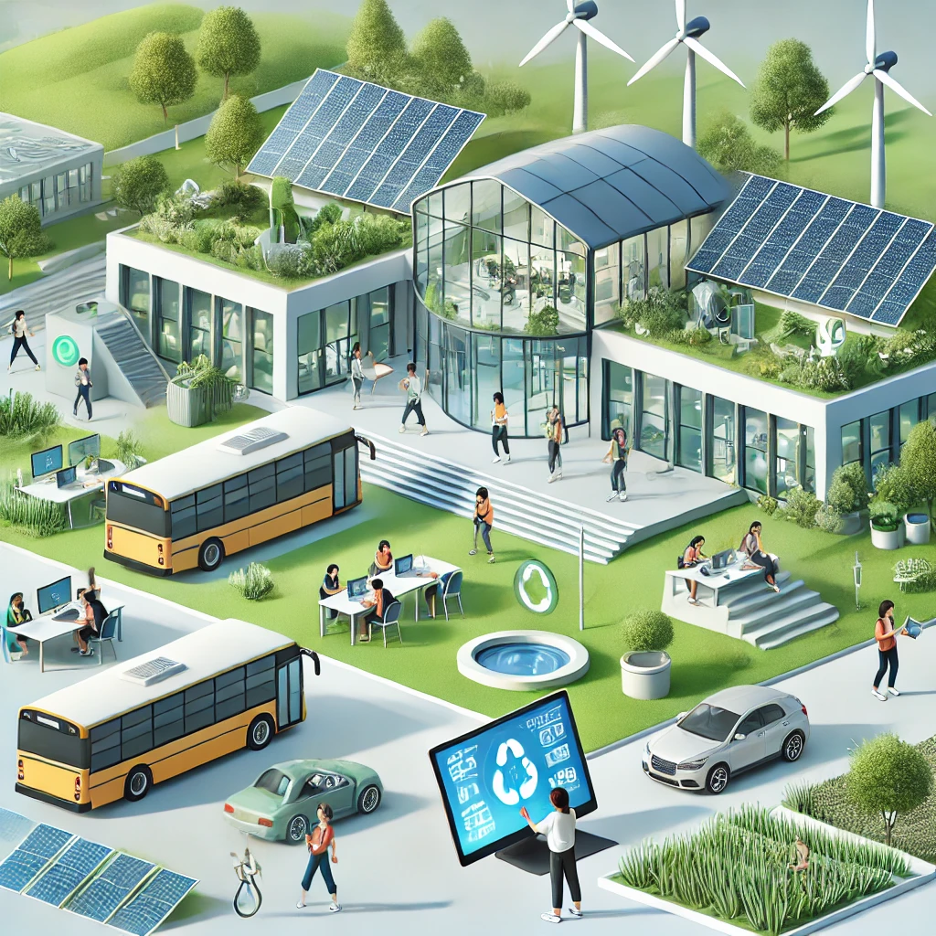
Integrating sustainable practices and coral conservation education into the school curriculum
a) Coral Reef Education in Curriculum:
Coral Reef Education: Introduce coral reef education as part of the curriculum to raise awareness about the importance of coral ecosystems, their connection to climate change and pollution, and the critical role they play in maintaining marine biodiversity.
b) Waste Reduction Programs:
Zero Waste Policies: Encourage recycling and composting, minimize single-use plastics, and set up designated bins for paper, plastics, and organic waste.
Reusable Materials: Promote the use of reusable containers, utensils, and water bottles to reduce plastic waste. We call for schools to implement eco-friendly initiatives. These practices not only help reduce the school’s carbon footprint but also inspire students to become responsible stewards of the environment.
c) Energy Conservation:
Solar Panels: Install solar panels on the school roof to reduce reliance on non-renewable energy sources.
Energy-efficient Lighting: Replace incandescent bulbs with LED lights to cut down on energy consumption.
Energy-saving Campaigns: Educate students and staff about turning off lights, electronics, and heating/cooling when not in use.
Smart Climate Control Systems: Install smart thermostats to efficiently manage heating and cooling in classrooms.
d) Sustainable Transportation:
Walking/Biking Programs: Encourage walking or biking to school through safe routes and bike racks weather permitting.
Carpooling Incentives: Create carpool programs to reduce the number of cars on the road.
Electric Vehicle Charging Stations: Install EV charging stations to encourage the use of electric cars among staff and students.
e) Green Spaces, Gardening, Sustainable Food Practices:
School Garden Projects: Create vegetable or herb gardens where students can learn about sustainable food production, composting, and biodiversity.
Outdoor Classrooms: Set up outdoor spaces where students can learn in nature, enhancing both their environmental awareness and well-being.
Locally Sourced Meals: Serve locally grown or organic food in the school cafeteria to reduce the carbon footprint of transportation.
Meatless Mondays: Introduce plant-based meal options one day a week to reduce the environmental impact of meat production.
Food Waste Reduction: Implement strategies to minimize food waste by offering portion controls, donating excess food, or composting scraps.
f) Water Conservation:
Rainwater Harvesting: Install rainwater collection systems to water gardens and green spaces.
Water-efficient Fixtures: Install low-flow toilets, faucets, and irrigation systems to reduce water usage.
Water Conservation Awareness Campaigns: Educate students about the importance of water conservation through workshops and projects.
g) Sustainability Curriculum Integration:
Environmental Education: Incorporate sustainability topics into the regular curriculum, from climate change to renewable energy.
Eco-friendly School Projects: Encourage student projects focused on sustainability, like designing eco-friendly products or creating environmental awareness campaigns.
Guest Speakers and Field Trips: Invite environmental experts to speak and organize field trips to local recycling centers, green buildings, or nature reserves.
Encouraging Student-led Initiatives: We strongly encourage the creation of student-led environmental clubs and organizations within schools, where students can take the lead on sustainability projects like recycling drives, energy audits, or tree planting events and coral reef conservation efforts.
h) Community Engagement:
Parent and Community Involvement: Organize community events, like eco fairs or clean-up days, to involve parents and local residents in the school's sustainability efforts.
Collaborations with Local Businesses: Partner with eco-friendly businesses or local farms for sustainability projects or educational resources.
i) Green Certification:
Eco-Schools Program: Enroll the school in an eco-certification program, like the Green Schools Program or Green Flag Award, to track and showcase sustainability efforts.
Sustainability Awards: Hold annual awards or recognition programs to celebrate the most sustainable classes, teachers, or student-led initiatives.
Green Building Certifications: Work towards getting the school certified as a "green" building by meeting standards like LEED (Leadership in Energy and Environmental Design).
Signatures:
Kids from around the world are signing this petition because we want to grow up in a world where coral reefs are colorful and full of life, not empty and dead. By signing this petition, you’re joining the fight to preserve the incredible biodiversity of coral reefs for future generations. Let’s protect these underwater wonders before it’s too late!
Closing:
Schools are an ideal platform to foster a sense of environmental responsibility in young people, who can drive lasting change in their communities.
We call on school boards, administrators, and students to take immediate steps towards these initiatives. Together, we can make a lasting impact in protecting our planet’s ecosystems and building a more sustainable future.
Please hear our voices and help us save the coral reefs! We believe that together, we can make a difference. Join us in this vital effort to protect our Earth’s most precious and endangered treasures.
Looking forward for all your help and Support,
Team TURBO
FIRST Robotics team of 5th and 4th Graders from Bemis Elementary and Wattles Elementary in Troy, MI, USA
- Aadi Patel
- Anandi Karshan
- Dheeya Gopalakrishnan
- Durga Chemuduri
- Saras Vunyala
- Shilpa Manni

262
The Issue
Colorful Reefs, Healthy Oceans: Take a Stand Against Coral Bleaching: Start from our Schools:
Dear World Leaders and Ocean Protectors,
We are a group of kids who dream of a future where coral reefs flourish, filling our oceans with color, life, and wonder. Coral reefs are like underwater cities where fish and sea creatures live. But something bad is happening to them, they are turning white and dying because of coral bleaching.
Coral bleaching happens when the water gets too warm or polluted, largely due to global warming and human activities, highlighting the urgent need for sustainability initiatives. It hurts the corals and all the animals that live there. If we don’t act now, we could lose these beautiful magical underwater cities forever.
Why does it matter?
Scientists have predicted that by 2050, coral reefs could become extinct. By safeguarding coral reefs, we ensure a thriving planet for current and future generations.
Coral reefs are not just pretty—they help the planet by:
- Providing habitat for 25% of marine life. There are roughly around 1 million different species that rely on coral reefs for food and shelter.
- Protecting shorelines from big waves.
- Helping people by supporting fishing (38 million people worldwide) and tourism.
- Contributing to billions of dollars in global economies.
- Supporting marine biodiversity.
- Providing valuable resources to the medicine industry.
See Our Awareness Campaign!
Check out our video cast to understand the impact of coral bleaching and what we can do to protect our reefs: https://youtu.be/UBXSnT7Qex8?si=6kME9xf8Kf4VV4Ju
What do we want?
We, the undersigned, recognize the importance of education and proactive efforts to secure our planet’s future. Coral reef degradation is a global issue, but we aim to take meaningful steps starting in our schools. We call on our schools to implement sustainable practices and include coral conservation education in the curriculum.
How can you help?
Integrating sustainable practices and coral conservation education into the school curriculum
a) Coral Reef Education in Curriculum:
Coral Reef Education: Introduce coral reef education as part of the curriculum to raise awareness about the importance of coral ecosystems, their connection to climate change and pollution, and the critical role they play in maintaining marine biodiversity.
b) Waste Reduction Programs:
Zero Waste Policies: Encourage recycling and composting, minimize single-use plastics, and set up designated bins for paper, plastics, and organic waste.
Reusable Materials: Promote the use of reusable containers, utensils, and water bottles to reduce plastic waste. We call for schools to implement eco-friendly initiatives. These practices not only help reduce the school’s carbon footprint but also inspire students to become responsible stewards of the environment.
c) Energy Conservation:
Solar Panels: Install solar panels on the school roof to reduce reliance on non-renewable energy sources.
Energy-efficient Lighting: Replace incandescent bulbs with LED lights to cut down on energy consumption.
Energy-saving Campaigns: Educate students and staff about turning off lights, electronics, and heating/cooling when not in use.
Smart Climate Control Systems: Install smart thermostats to efficiently manage heating and cooling in classrooms.
d) Sustainable Transportation:
Walking/Biking Programs: Encourage walking or biking to school through safe routes and bike racks weather permitting.
Carpooling Incentives: Create carpool programs to reduce the number of cars on the road.
Electric Vehicle Charging Stations: Install EV charging stations to encourage the use of electric cars among staff and students.
e) Green Spaces, Gardening, Sustainable Food Practices:
School Garden Projects: Create vegetable or herb gardens where students can learn about sustainable food production, composting, and biodiversity.
Outdoor Classrooms: Set up outdoor spaces where students can learn in nature, enhancing both their environmental awareness and well-being.
Locally Sourced Meals: Serve locally grown or organic food in the school cafeteria to reduce the carbon footprint of transportation.
Meatless Mondays: Introduce plant-based meal options one day a week to reduce the environmental impact of meat production.
Food Waste Reduction: Implement strategies to minimize food waste by offering portion controls, donating excess food, or composting scraps.
f) Water Conservation:
Rainwater Harvesting: Install rainwater collection systems to water gardens and green spaces.
Water-efficient Fixtures: Install low-flow toilets, faucets, and irrigation systems to reduce water usage.
Water Conservation Awareness Campaigns: Educate students about the importance of water conservation through workshops and projects.
g) Sustainability Curriculum Integration:
Environmental Education: Incorporate sustainability topics into the regular curriculum, from climate change to renewable energy.
Eco-friendly School Projects: Encourage student projects focused on sustainability, like designing eco-friendly products or creating environmental awareness campaigns.
Guest Speakers and Field Trips: Invite environmental experts to speak and organize field trips to local recycling centers, green buildings, or nature reserves.
Encouraging Student-led Initiatives: We strongly encourage the creation of student-led environmental clubs and organizations within schools, where students can take the lead on sustainability projects like recycling drives, energy audits, or tree planting events and coral reef conservation efforts.
h) Community Engagement:
Parent and Community Involvement: Organize community events, like eco fairs or clean-up days, to involve parents and local residents in the school's sustainability efforts.
Collaborations with Local Businesses: Partner with eco-friendly businesses or local farms for sustainability projects or educational resources.
i) Green Certification:
Eco-Schools Program: Enroll the school in an eco-certification program, like the Green Schools Program or Green Flag Award, to track and showcase sustainability efforts.
Sustainability Awards: Hold annual awards or recognition programs to celebrate the most sustainable classes, teachers, or student-led initiatives.
Green Building Certifications: Work towards getting the school certified as a "green" building by meeting standards like LEED (Leadership in Energy and Environmental Design).
Signatures:
Kids from around the world are signing this petition because we want to grow up in a world where coral reefs are colorful and full of life, not empty and dead. By signing this petition, you’re joining the fight to preserve the incredible biodiversity of coral reefs for future generations. Let’s protect these underwater wonders before it’s too late!
Closing:
Schools are an ideal platform to foster a sense of environmental responsibility in young people, who can drive lasting change in their communities.
We call on school boards, administrators, and students to take immediate steps towards these initiatives. Together, we can make a lasting impact in protecting our planet’s ecosystems and building a more sustainable future.
Please hear our voices and help us save the coral reefs! We believe that together, we can make a difference. Join us in this vital effort to protect our Earth’s most precious and endangered treasures.
Looking forward for all your help and Support,
Team TURBO
FIRST Robotics team of 5th and 4th Graders from Bemis Elementary and Wattles Elementary in Troy, MI, USA
- Aadi Patel
- Anandi Karshan
- Dheeya Gopalakrishnan
- Durga Chemuduri
- Saras Vunyala
- Shilpa Manni
Supporter Voices
Petition Updates
Share this petition
Petition created on January 5, 2025