

Calling for the British Museum to return Sacred Moai Hoa Hakananai’a back to his homeland
The Issue
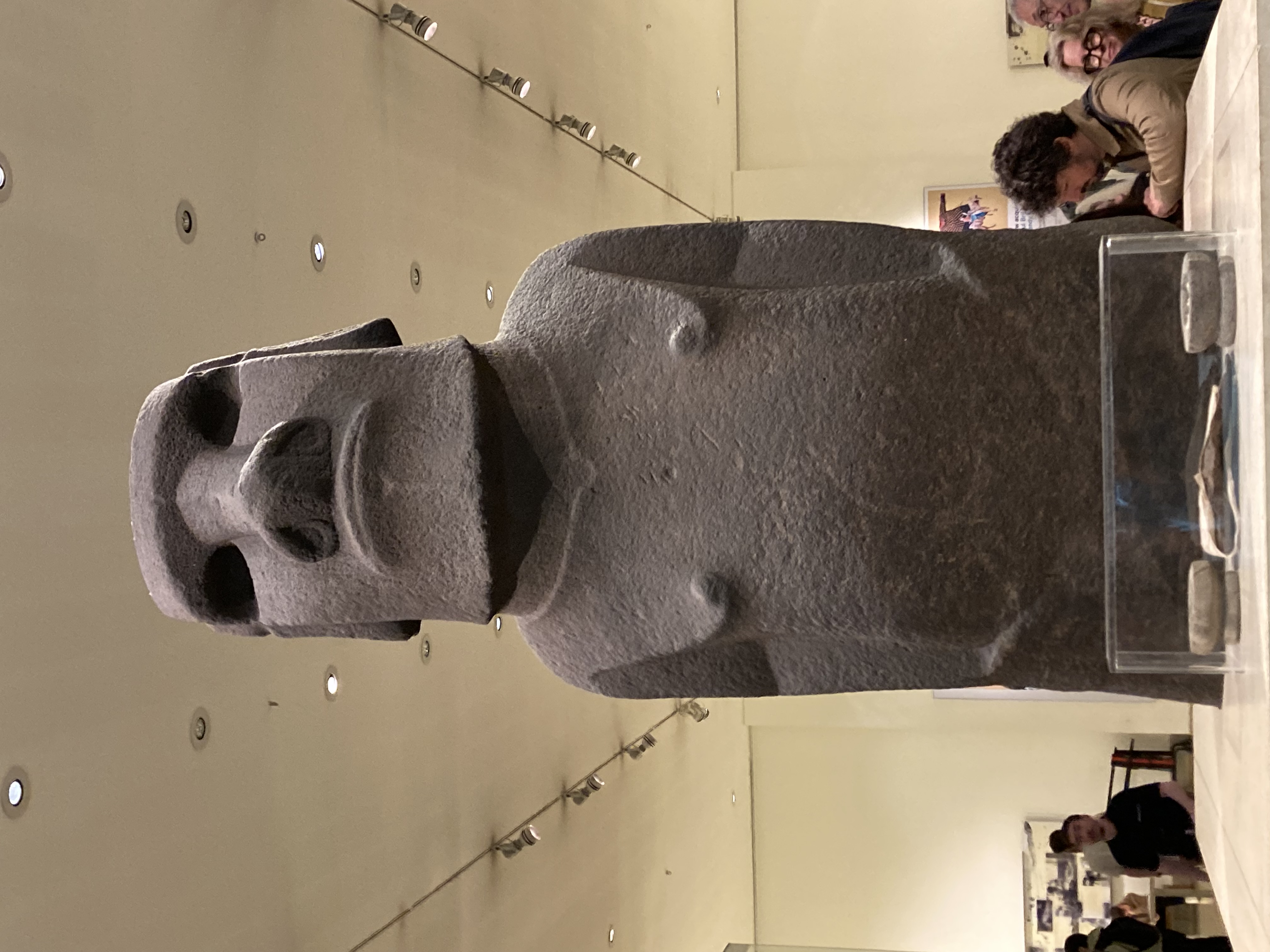
We are calling for the return home of Moai Hoa Hakananai'a, a sacred statue from the island of Rapa Nui (Easter Island) held in the British Museum, London.
We are adding our voices to the many who have asked for his return over the past 150 years or more.
We're at a point in history where the taking of sacred artifacts must cease, where the wrongs of the past are only perpetuated and condoned by the keeping of these items. Those in the British Museum, in museums the world over and in Government cannot plead ignorance to the fact that the majority of these sacred treasures were taken by questionable means or just outright stolen from their people and land of origin.
For the purposes of this petition we are focusing on Moai Hoa Hakananai'a, we hold the hope and vision that ALL Moai (including Moai Hava, also in the care of The British Museum) and ALL sacred artifacts that have been taken throughout history and are still held by museums's will be returned to their original lands over the coming months and years.
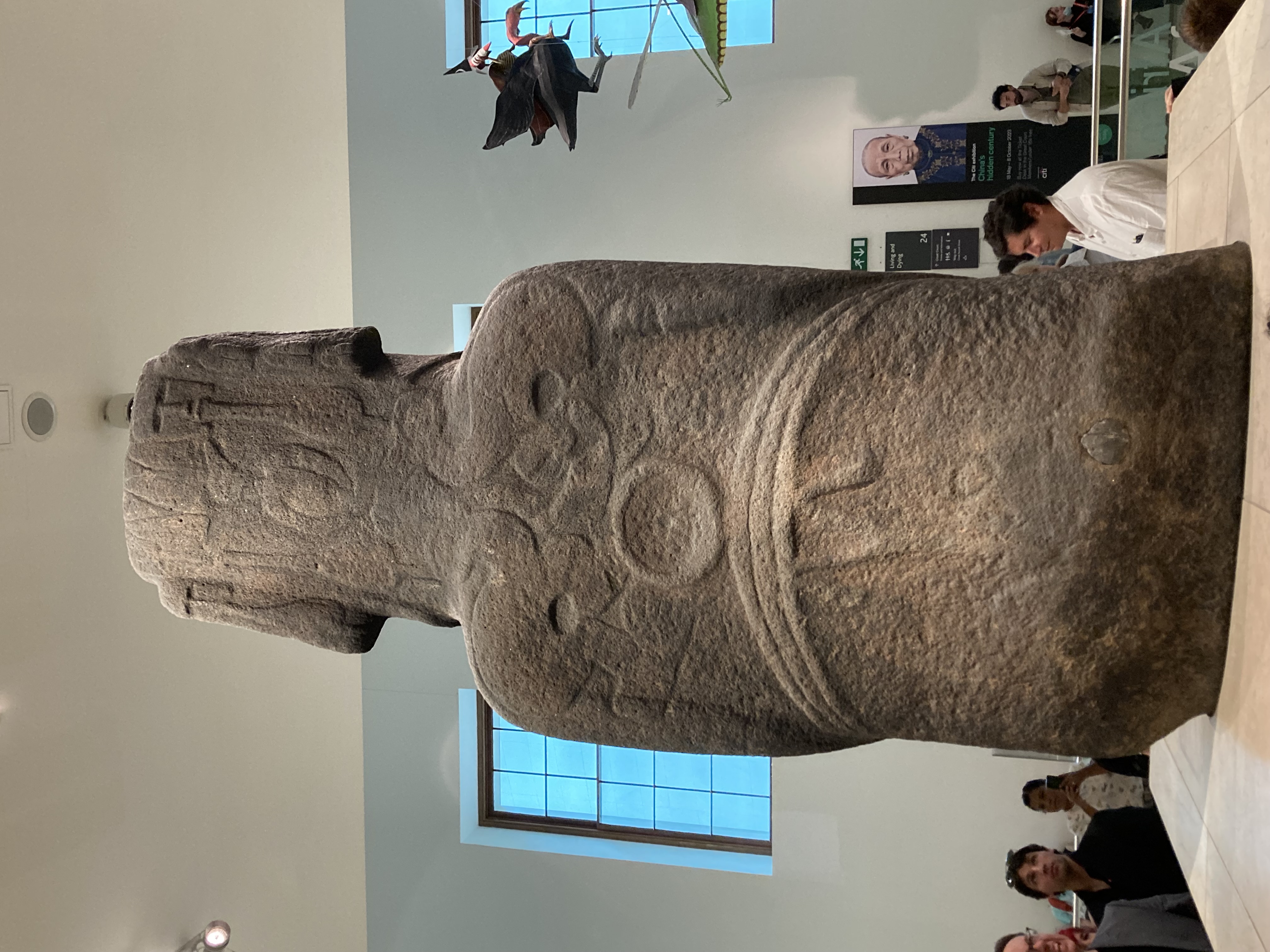
Hoa Hakananai'a means 'lost, hidden, or stolen friend', he is one of approximately ten Moai known to have been carved from volcanic rock, and dates from about 1000–1200. The back of the statue features intricate petroglyphs associated with the tangata manu, or birdman religion. He is on permanent display in the British Museum in Room 24, as part of their Living and Dying exhibition.
How did he come to be so far from home? The following is an extract from the British Museum website:
'In 1868, the crew of a British survey ship, HMS Topaze, visited Rapa Nui. The crew was led to the location of Moai Hava at Mataveri, and collected this first moai on 2 November 1868. Soon after, Hoa Hakananai'a was discovered in the house at Orongo by two crew members searching the village. Commodore Richard Powell decided to unearth this second moai, with the intent of bringing them both to Britain. The stone house was dismantled, and Hoa Hakananai'a transported on a sledge to shore. A Rapanui man, known as Tepano, subsequently recalled that the crew, followed by a Rapanui chief, dragged Hoa Hakananai'a down to the beach, before floating it out to the ship on a raft. Later, he had the scene tattooed on his arm.
Upon the return of HMS Topaze to England in 1869, Hoa Hakananai'a was offered to Queen Victoria by the Admiralty, which had been made aware of his existence by Commodore Powell. Queen Victoria subsequently donated Hoa Hakananai'a to the British Museum. On 6 October 1869, the arrival of the statue at the Museum was officially reported to the Trustees, marking the beginning of a new chapter in the complex history of Hoa Hakananai'a. With him was also Moai Hava, who was donated directly to the Museum by the Admiralty.
What has been requested?
A written request for the return of Hoa Hakananai'a and Moai Hava was made on behalf of Rapa Nui in July 2018. Following this request, a
delegation from Rapa Nui was invited to the Museum. This official visit by representatives of the Rapanui community took place in
November 2018.'
During the visit the governor of the island, Tarita Alarcon Rapu, said, "We are just a body. You, the British people, have our soul."
She added her grandmother who passed away at the age of 90 years, never had the chance to see her ancestor.
“This is no rock,” said Carlos Edmunds, the president of the Council of Elders, of Hoa Hakananai’a, a four-tonne lava rock sculpture carved by the ancient inhabitants of Easter Island that has been kept in the British Museum for the last century and a half. “It embodies the spirit of an ancestor, almost like a grandfather. This is what we want returned to our island – not just a statue.”
In 2019, a Norwegian museum agreed to return thousands of artifacts and human remains to Easter Island, after they were taken by explorer Thor Heyerdahl during two expeditions in the 20th century. The explorer’s son, Thor Heyerdahl Jr., signed an agreement with Consuelo Valdes, Chile’s minister of culture, arts and heritage for the repatriation of the collection at a ceremony in Santiago.
A precedent has been set! Let us follow our friends in Norway and so:
We call on any relatives of Commodore Richard Powell, who originally took Moai Hoa Hakananai'a and Moai Hava from Rapa Nui in the 1800's, to join us in demanding the return of these sacred statues. Working together, in harmony to right the wrongs of the past. The British people have had the privilege of him on our soil for long enough, it is time to bring him back home.

1,591
The Issue
We are calling for the return home of Moai Hoa Hakananai'a, a sacred statue from the island of Rapa Nui (Easter Island) held in the British Museum, London.
We are adding our voices to the many who have asked for his return over the past 150 years or more.
We're at a point in history where the taking of sacred artifacts must cease, where the wrongs of the past are only perpetuated and condoned by the keeping of these items. Those in the British Museum, in museums the world over and in Government cannot plead ignorance to the fact that the majority of these sacred treasures were taken by questionable means or just outright stolen from their people and land of origin.
For the purposes of this petition we are focusing on Moai Hoa Hakananai'a, we hold the hope and vision that ALL Moai (including Moai Hava, also in the care of The British Museum) and ALL sacred artifacts that have been taken throughout history and are still held by museums's will be returned to their original lands over the coming months and years.
Hoa Hakananai'a means 'lost, hidden, or stolen friend', he is one of approximately ten Moai known to have been carved from volcanic rock, and dates from about 1000–1200. The back of the statue features intricate petroglyphs associated with the tangata manu, or birdman religion. He is on permanent display in the British Museum in Room 24, as part of their Living and Dying exhibition.
How did he come to be so far from home? The following is an extract from the British Museum website:
'In 1868, the crew of a British survey ship, HMS Topaze, visited Rapa Nui. The crew was led to the location of Moai Hava at Mataveri, and collected this first moai on 2 November 1868. Soon after, Hoa Hakananai'a was discovered in the house at Orongo by two crew members searching the village. Commodore Richard Powell decided to unearth this second moai, with the intent of bringing them both to Britain. The stone house was dismantled, and Hoa Hakananai'a transported on a sledge to shore. A Rapanui man, known as Tepano, subsequently recalled that the crew, followed by a Rapanui chief, dragged Hoa Hakananai'a down to the beach, before floating it out to the ship on a raft. Later, he had the scene tattooed on his arm.
Upon the return of HMS Topaze to England in 1869, Hoa Hakananai'a was offered to Queen Victoria by the Admiralty, which had been made aware of his existence by Commodore Powell. Queen Victoria subsequently donated Hoa Hakananai'a to the British Museum. On 6 October 1869, the arrival of the statue at the Museum was officially reported to the Trustees, marking the beginning of a new chapter in the complex history of Hoa Hakananai'a. With him was also Moai Hava, who was donated directly to the Museum by the Admiralty.
What has been requested?
A written request for the return of Hoa Hakananai'a and Moai Hava was made on behalf of Rapa Nui in July 2018. Following this request, a
delegation from Rapa Nui was invited to the Museum. This official visit by representatives of the Rapanui community took place in
November 2018.'
During the visit the governor of the island, Tarita Alarcon Rapu, said, "We are just a body. You, the British people, have our soul."
She added her grandmother who passed away at the age of 90 years, never had the chance to see her ancestor.
“This is no rock,” said Carlos Edmunds, the president of the Council of Elders, of Hoa Hakananai’a, a four-tonne lava rock sculpture carved by the ancient inhabitants of Easter Island that has been kept in the British Museum for the last century and a half. “It embodies the spirit of an ancestor, almost like a grandfather. This is what we want returned to our island – not just a statue.”
In 2019, a Norwegian museum agreed to return thousands of artifacts and human remains to Easter Island, after they were taken by explorer Thor Heyerdahl during two expeditions in the 20th century. The explorer’s son, Thor Heyerdahl Jr., signed an agreement with Consuelo Valdes, Chile’s minister of culture, arts and heritage for the repatriation of the collection at a ceremony in Santiago.
A precedent has been set! Let us follow our friends in Norway and so:
We call on any relatives of Commodore Richard Powell, who originally took Moai Hoa Hakananai'a and Moai Hava from Rapa Nui in the 1800's, to join us in demanding the return of these sacred statues. Working together, in harmony to right the wrongs of the past. The British people have had the privilege of him on our soil for long enough, it is time to bring him back home.
The Decision Makers

Supporter Voices
Petition Updates
Share this petition
Petition created on 12 February 2024