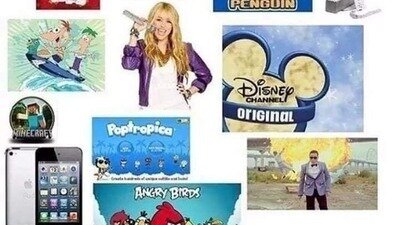

Bring Back the Vibrant Atmosphere of the 2000s and 2010s Decade
The Issue
As someone who personally adored the 2000s and 2010s, I can attest to the special vibe these eras had. The 2010s were a time of bright colors, fun gadgets like Snackeez, and silly YouTube trends. We also had the golden age of memes, the creativity of Vine, the early days of Instagram, and the old Nickelodeon and Disney Channel shows. It was a time that felt more carefree and unrestrained. In contrast, recent times seem to lack this joyful spontaneity and creativity.
These decades were not just about fun and laughter; they helped shape an entire generation's perception of humor, interaction, and culture. As per a report by the Pew Research Center, the Internet saw a 567% increase in adults' use between 2000 and 2010, drastically changing patterns of communication and cultural intake (Pew Research Center, 2010).
Mobile Gaming:
Mobile games in the 2010s were a huge part of daily life, with titles like Angry Birds becoming cultural icons. Whether it was the original game, Angry Birds Rio, or Angry Birds Star Wars, these games were simple yet addictive, and everyone—from kids to adults—was flinging birds at pigs during class breaks, car rides, or late at night under the covers. They had massive popularity for years and brought people together in a way few mobile games have since. Sadly, by 2019, many of these beloved spin-offs were quietly delisted from app stores, making it harder for fans to relive those moments of fun and nostalgia. These games weren't just apps—they were part of growing up in the 2010s. Longtime fans of Angry Birds Friends will remember when the game looked completely different, using what were known as the "Chrome sprites"—sleeker versions of the birds and pigs that gave the game a unique look compared to the main series. It gave characters their own personality and made playing feel fresh and exciting. Back then, the Power Potion was originally called Super Seeds, a power-up that felt like a secret weapon as it made your birds grow huge and smash through everything in sight. These little details might seem small, but they were a big part of what made Angry Birds Friends so fun and special during the golden age of mobile gaming.
Fast Food:
Even fast food in the 2010s had its own unforgettable charm—Burger King rocked its iconic 1999 logo all the way until 2021, a look that instantly brings back memories. The menu was full of fun and bold items that defined the era: the Angry and Angriest Whopper with its spicy kick, the black-bunned Halloween Whopper that went viral, the cheesy, gooey Whopperito, and the beloved Crown Nuggets that kids went wild for between 2006 and 2011 (with a brief comeback in 2021). Back in 2002, Burger King introduced one of its most fun and creative sides ever—Shake 'em Up Fries. They came with a packet of cheese powder and a bag so you could pour, shake, and flavor your fries yourself. It was interactive, messy, and totally awesome—a simple idea that turned ordinary fries into a mini adventure. It’s one of those long-gone fast food items that people still remember and wish would return. They even had wild snack mashups like Mac and Cheetos, the infamous Bacon Sundae and the legendary 4 Cheese Whopper. Burger King absolutely needs to bring back the Yumbo Hot Ham & Cheese sandwich and make it a permanent item on the menu. Originally introduced in the 1970s and briefly brought back in 2014, the Yumbo was a warm, comforting classic—stacked with slices of savory ham, melted cheese, and served on a soft hoagie bun. It had a simple, nostalgic flavor that stood out from the usual fast food options and gave fans something cozy and satisfying. With so many people craving retro menu items and comfort food, permanently reviving the Yumbo would not only tap into that nostalgia but also give Burger King a unique sandwich option that no other chain offers today. These weren’t just meals—they were pop culture moments that made fast food exciting, weird, and totally unforgettable. In the 2010s, Little Caesars went all out with some of the boldest and most unforgettable pizza creations ever—especially the Bacon Wrapped and Smokehouse pizzas. The Bacon Wrapped Deep! Deep! Dish Pizza was a game-changer, with crispy bacon lining the crust and every bite oozing with cheesy, meaty goodness. Then came the Smokehouse Pizza, piled high with pulled pork, brisket, and smoky BBQ sauce, bringing real BBQ flavor straight to a pizza box. These weren’t your average pies—they were wild, crave-worthy inventions that had everyone talking. They didn’t last forever, but the hype and taste left a serious mark on fast food history. Little Caesar's had such a retro logo from 2000-2017 which is still used in most locations but definitely needs a comeback. One of the most unforgettable drink trends of the 2010s was the legendary Unicorn Frappuccino from Starbucks. Released for a limited time in 2017, it instantly became a viral sensation thanks to its vibrant pink, blue, and purple swirls and its sweet-and-sour flavor combo. People rushed to get their hands on it, posting selfies and reviews all over social media. It wasn’t just a drink—it was a pop culture moment that captured the fun, unpredictable energy of the decade. The Unicorn Frappuccino may have only been around for a few days, but its impact is still remembered by those who were lucky enough to try it. McDonald’s had some seriously iconic menu items throughout the 2000s and 2010s that deserve a comeback. Who could forget the Rolo McFlurry, with its smooth caramel and chocolatey goodness swirled into creamy soft serve? The Cheesy Bacon Fries were another hit—gooey, salty, and perfect for sharing (or not!). Classics like the Big N’ Tasty and the Arch Deluxe were once seen as McDonald’s answer to gourmet fast food, offering bold flavors in a simple wrapper. These items weren’t just meals—they were part of the golden era of fun, creative fast food that made every visit to McDonald's feel like a treat. It's time to bring those flavors back! There was something comforting about the classic red roof design McDonald’s used to have—bright, bold, and instantly recognizable. These iconic buildings, often with a PlayPlace attached, were more than just restaurants—they were childhood landmarks where families made memories over Happy Meals and birthday parties. The red roof was a symbol of fun and simplicity before the modern redesigns took over.
TV:
Nick Jr. truly felt like a magical place in the 2010s, especially during the era when the channel proudly used the slogan “The Smart Place to Play.” It wasn’t just a phrase—it was a whole vibe. The network was filled with colorful, silly, wacky 3D animated bumpers that danced between shows and made everything feel alive and playful. The lineup was just as amazing, with reruns and airings of classic Nick Jr. favorites like Blue’s Clues, Yo Gabba Gabba!, Max & Ruby, Wallykazam!, Tickety Toc, Little Bear, Franklin and Friends, Ni Hao Ki Lan, Mike the Knight, Wow Wow Wubbzy, The Backyardigans, Dora the Explorer (2000-2019), Go Diego Go, The Fresh Beat Band, etc. These shows weren’t just educational—they were warm, imaginative, and comforting, creating a generation of kids who grew up learning and laughing at the same time. Back in the 2010s, TV channels felt magical—Nickelodeon and Nick Jr. had their own separate websites filled with interactive games, colorful designs, and exclusive clips that made logging on after school something to look forward to. Paramount-based apps like Nick Jr, Nick, Comedy Central, MTV, and Paramount Network, gave us access to shows, clips, and games in a way that still felt special before 2024 when they shut down due to Paramount Plus. In the 2010s, many parents turned to Nick Jr.—especially its Beyond the Backpack initiative—as a trusted resource to prepare their kids for Pre-K and Kindergarten. This program was more than just educational entertainment; it offered interactive tools, videos, printables, and tips that helped families build early learning skills at home. With familiar characters like Dora the Explorer and Blue making the experience fun and engaging, Beyond the Backpack focused on critical areas like early literacy, social-emotional development, and healthy habits. It played a big role in easing the transition into school, giving both kids and parents confidence as they stepped into that exciting new chapter. I really miss when kids’ TV channels used to feel interactive and exciting in the 2000s and 2010s, especially Disney Junior (back when it was Playhouse Disney) and Nick Jr. Back then, channels didn’t just air shows—they hosted special events, countdowns, themed weeks, and online activities that made kids feel like they were part of something bigger. Disney Junior would promote seasonal events, premieres, and games on their website, while Nick Jr. had dedicated online worlds with games, videos, and event tie-ins that matched what was on TV. Those experiences made watching feel magical and personal, not just like passive screen time. Today, it feels like a lot of that creativity and effort has been replaced by simple streaming and social media posts, and the sense of fun, community, and anticipation that once defined kids’ programming is really missed.
Music and Pop Culture:
Fall Out Boy's songs were blasting everywhere, from radio stations to AMVs on YouTube, with huge hits like Uma Thurman and My Songs Know What You Did In The Dark.
Entertainment:
Local gems like Joker's Family Fun and Games in Maine gave kids and families a place to laugh and play—before it sadly shut down in 2020 during the COVID-19 pandemic.
Online:
Social media was booming then too, fun and exciting before it turned into a place where many teens now feel unsafe due to bullying and harassment.
Before Roku took over:
And before everything moved to streaming, watching TV live or recording it on DVR actually felt like an event, especially the informercials, commercials, and coming up next, next and now bumpers. It was a one-of-a-kind era that deserves to be remembered—and brought back in spirit. Back in the 2000s and 2010s, DVDs and Blu-rays were still a huge part of how we watched movies before, you know, streaming. Collecting physical copies of your favorite films felt special—especially when they came with fun bonus features, games, or exclusive artwork.
Before Disney+ took over with it’s “perks”:
For Disney fans, there was nothing like entering those magical codes into Disney Movie Rewards, a program that let you earn points for cool stuff like posters, toys, and even exclusive pins just for buying Disney movies. It eventually rebranded as Disney Movie Insiders, but sadly, the magic came to an end when the program officially shut down in 2024. For many fans, it marked the end of an era when owning movies physically—and being rewarded for it—was a huge part of the experience.
Toy Stores:
As for the toy world, Toys R Us was the place to go before it sadly went out of business in 2018. For kids, it was more than a store—it was an entire experience, complete and packed with aisles of toys like LEGOs, Barbie dolls, Hot Wheels, and a giant giraffe mascot that made every visit feel like a celebration. Sure, we have them within Macy’s and with flagship stores, but they don’t hit the same as they used to.
For those who didn’t have cable but still wanted live television without the hassle of streaming:
PBS Kids had such a unique charm in the 2010s, especially when it was still rocking its older logo with Dash, the energetic green character. It felt like the heart of childhood, and the channel was full of beloved shows that taught kids valuable lessons. Even more iconic was PBS Kids Go!, a block of programming that featured shows like Cyberchase, Postcards from Buster, and Wild Kratts—all of which made learning feel like an adventure. I miss so many of the great shows that used to air on PBS Kids before the shutdown of the CfPB, like Sid the Science Kid, WordWorld, Splash and Bubbles, Martha Speaks, Peep and the Big Wide World, and even Caillou. These shows weren’t just entertainment—they were educational, creative, and comforting, helping kids understand the world around them in such a fun way. It was always a treat when these shows reran, bringing them into our homes day after day. These classic shows deserve a comeback, as they provided a warm, welcoming environment for young viewers and taught lessons that are still valuable today. Whether it was exploring science with Sid, learning new words in WordWorld, or diving into the underwater adventures of Splash and Bubbles, these shows hold a special place in our hearts and should be brought back to inspire a new generation, especially the funding bumpers they had.
I also miss what many consider the peak era of PBS KIDS, when the network felt joyful, well-funded, and truly built around children’s growth and curiosity. This was the era of Dash and Dot, the PBS KIDS preschool block, and PBS KIDS GO!, which served as the original home for shows like Arthur and Wild Kratts. The bumpers and station IDs were full of warmth, creativity, and engaging happiness, and major sponsors such as Chuck E. Cheese, ABCmouse, Beaches Resorts, Rainforest Cafe, American Greetings, Orajel Spinbrush, and even fast-food brands helped support high-quality educational programming. During this time, PBS KIDS aired shows that were widely regarded as deserving of their place, including WordGirl, Martha Speaks, ZOOM, The Electric Company, FETCH! with Ruff Ruffman, Maya and Miguel, Cyberchase, and Dinosaur Train. While some of these programs still exist in limited form, the overall experience no longer feels the same. This era also included beloved acquired programs such as Barney, Thomas & Friends, Angelina Ballerina, and Bob the Builder, which further strengthened PBS KIDS as a trusted and complete children’s television destination.
Life before 2019:
The COVID-19 pandemic caused a heartbreaking wave of closures across the country, and Maine was no exception. Many beloved restaurants and locations that held deep memories for families and communities were forced to shut their doors for good. Among them were Krispy Kreme Doughnuts, Pizza Hut dine-in locations, and Denny’s—places where countless birthdays, late-night meals, and family outings took place. One especially personal loss was Tin Tin Buffet, the Asian buffet many of us in Maine grew up going to as kids. It was more than just a place to eat—it was a tradition. These weren’t just businesses; they were the background to our lives and special moments. It’s time we bring these places back, whether as full returns or modern revivals, to rebuild the joy, connection, and nostalgia that so many of us are still missing.
The point:
What we seek is not a return to outdated technology, but a revival of the ethos of these years - the vibrant outlook, the encouragement of creative expression and simple entertainment that these decades gifted us with. By reintroducing the focus on such elements into our media and lifestyles, we can perhaps recapture some of that warm, nostalgic ambiance that the 2010s were known for.
The 2010s were packed with so many unforgettable trends, gadgets, and memories that deserve to make a comeback. MP3 players and iPods were the ultimate way to listen to music—custom playlists, click wheels, and colorful designs made them feel so personal compared to today’s endless streaming.
Fidget Spinners took over for a time too, popping up everywhere from classrooms to malls, giving people something fun and calming to do with their hands, Froyo (frozen yogurt) shops were a massive craze, where you could create your own swirled masterpiece and pile it high with endless toppings, Silly Bandz became a must-have fashion accessory for kids and teens alike—wearable, colorful rubber bands in all sorts of fun shapes that everyone loved trading and showing off.
Even TV networks were different: Universal Kids still carried the spirit of Sprout, offering bright, kid-friendly shows that brought comfort and joy to younger viewers. All these little things created the vibrant, playful, and exciting energy that made the 2010s truly one of a kind—and it’s something we could definitely use again today.
Now lets discuss a few things people may recognize during growing up in the 2000s:
So many fun parts of the 2000s culture deserve a comeback. Mall arcades were once booming with life, filled with flashing lights, upbeat music, and the excitement of winning a handful of prize tickets after crushing it at Skee-Ball or racing games.
Snack culture was just as wild, with Heinz’s EZ Squirt Ketchup coming in crazy colors like green and purple, making every meal way more fun. Chips even felt more exciting with the return of 3D Doritos—those crunchy, puffed-up snacks that felt like a flavor explosion in every bite. School lunches were a highlight thanks to things like Lunchables Fun Snacks, where you could build your own tiny desserts with frosting and cookie pieces. Even fashion had its quirky trends that made the era feel unique—sweatbands became a huge fashion statement, worn as much for style as for sports, and low-rise jeans were the staple of every early 2000s wardrobe. These trends weren’t just fads—they were a lifestyle, giving the decade its colorful, energetic, and adventurous identity that today’s world feels like it’s missing.
Speaking of Lunchables, though this didn’t exist in the 2000s and came in the 2010s they used to have some of the coolest mascots—the Platypus and the Jackalope—who brought so much personality and fun to the brand. They made Lunchables feel like more than just a meal; it was an adventure packed into a little yellow box. Their playful, wacky energy made commercials way more memorable and made kids feel less bored. These iconic characters deserve a comeback to bring back that spark of imagination and fun.
Similar to Netflix DVD Mail and Blockbuster, Redbox was a huge part of movie nights in the 2000s and 2010s, with its bright red kiosks sitting outside grocery stores, pharmacies, and convenience stores. It made renting DVDs, Blu-rays, and even video games super easy and affordable, giving people a fun reason to browse physical movies again. Even though streaming has taken over, there was something exciting about picking up a Redbox rental on a Friday night. Redbox deserves a comeback to bring back that simple, spontaneous joy of grabbing a new movie to watch at home.
Teen Culture and Social:
Back in the 2000s and 2010s, teen culture had a wild, unfiltered energy that made it feel alive, unpredictable, and strangely entertaining. Teens were often portrayed—and sometimes really acted—as rebellious, dim-witted, bizarre, or just plain chaotic. Whether it was on YouTube, in viral videos, school hallways, or TV shows like Total Drama, Ned’s Declassified, or Zoey 101, there was a messy charm to how teens pushed boundaries, acted out, and just didn’t care what people thought. That era was full of weird inside jokes, reckless behavior, random pranks, and unexplainable trends that made teen life feel like a show in itself. But as time moved on, a shift happened. Teen culture became more cautious, sensitive, and overly self-aware—everyone watching what they say or do to avoid offending others, and much of the bizarre, loud, and goofy energy disappeared. While being kind and thoughtful is important, it also feels like a lot of the humor, unpredictability, and chaotic fun that once defined teen life has been watered down. That old era wasn’t perfect, but it was real, messy, and full of character—and many of us truly miss that boldness today. Let’s not forget the days when prank calling was a massive trend—kids loved to dial *67 before calling up random numbers (specifically stores, companies, and fast food restaurants), trying to make someone laugh, and leave hilarious voicemails, which was a rite of passage which was popular on social media.
Beverages:
Surge soda was the ultimate 1990s and early 2000s citrus-flavored blast of energy that had a loyal fanbase and a cult following. With its neon green color, bold logo, and extreme, in-your-face marketing, Surge wasn’t just a drink—it was a statement. It stood out in a sea of soft drinks and gave off the wild, rebellious energy that defined a generation. Though it made a brief comeback through limited online releases, it deserves more than that. Surge should return to store shelves nationwide as a permanent beverage option, bringing back the electric, throwback flavor that so many people still crave and remember fondly.
Video Chat:
Before Zoom and other platforms took over, Skype was the go-to app for video chatting, voice calls, and instant messaging. It was the original way to connect with friends, family, and even coworkers across the world, especially during the 2000s and early 2010s before sadly shutting down in 2025 and getting replaced by Microsoft teams. Skype had a clean, easy-to-use interface, fun call tones, and was one of the first apps to make long-distance communication feel simple and personal. It was everywhere—on computers, phones, even smart TVs—and felt like a part of everyday life. Sadly, with the rise of newer apps, Skype fell into the background, but it absolutely deserves a comeback with fresh updates and a spotlight, bringing back that reliable, nostalgic way to stay in touch. Before Zoom and other platforms took over, Skype was the go-to app for video chatting, voice calls, and instant messaging. It was the original way to connect with friends, family, and even coworkers across the world, especially during the 2000s and early 2010s. Skype had a clean, easy-to-use interface, fun call tones, and was one of the first apps to make long-distance communication feel simple and personal. It was everywhere—on computers, phones, even smart TVs—and felt like a part of everyday life. Sadly, with the rise of newer apps, Skype fell into the background, but it absolutely deserves a comeback with fresh updates and a spotlight, bringing back that reliable, nostalgic way to stay in touch.Before Zoom and other platforms took over, Skype was the go-to app for video chatting, voice calls, and instant messaging. It was the original way to connect with friends, family, and even coworkers across the world, especially during the 2000s and early 2010s. Skype had a clean, easy-to-use interface, fun call tones, and was one of the first apps to make long-distance communication feel simple and personal. It was everywhere—on computers, phones, even smart TVs—and felt like a part of everyday life. Sadly, with the rise of newer apps, Skype fell into the background, but it absolutely deserves a comeback with fresh updates and a spotlight, bringing back that reliable, nostalgic way to stay in touch.
Fast Food (..again)
From 2007 to 2010, Burger King ran its iconic Club BK commercials, turning kids’ meals into a full-blown experience that felt exclusive and exciting. Club BK was more than just a kid’s meal—it was a whole vibe, with themed toys from popular movies, TV shows, and video games that made every visit to Burger King feel like a mini adventure. The commercials were colorful, catchy, and full of fun energy, appealing to both kids and nostalgic older fans. It created a sense of community and hype that’s been missing from fast food promotions in recent years. Bringing back Club BK would tap into that magic and reignite the joy of collecting, imagination, and family outings.
Please sign our petition if you too yearn for a touch of the 2000s and 2010s spirit in our present day's culture and media. Let us work together to bring back some of the charm and exhilaration that defined these cherished periods.

2
The Issue
As someone who personally adored the 2000s and 2010s, I can attest to the special vibe these eras had. The 2010s were a time of bright colors, fun gadgets like Snackeez, and silly YouTube trends. We also had the golden age of memes, the creativity of Vine, the early days of Instagram, and the old Nickelodeon and Disney Channel shows. It was a time that felt more carefree and unrestrained. In contrast, recent times seem to lack this joyful spontaneity and creativity.
These decades were not just about fun and laughter; they helped shape an entire generation's perception of humor, interaction, and culture. As per a report by the Pew Research Center, the Internet saw a 567% increase in adults' use between 2000 and 2010, drastically changing patterns of communication and cultural intake (Pew Research Center, 2010).
Mobile Gaming:
Mobile games in the 2010s were a huge part of daily life, with titles like Angry Birds becoming cultural icons. Whether it was the original game, Angry Birds Rio, or Angry Birds Star Wars, these games were simple yet addictive, and everyone—from kids to adults—was flinging birds at pigs during class breaks, car rides, or late at night under the covers. They had massive popularity for years and brought people together in a way few mobile games have since. Sadly, by 2019, many of these beloved spin-offs were quietly delisted from app stores, making it harder for fans to relive those moments of fun and nostalgia. These games weren't just apps—they were part of growing up in the 2010s. Longtime fans of Angry Birds Friends will remember when the game looked completely different, using what were known as the "Chrome sprites"—sleeker versions of the birds and pigs that gave the game a unique look compared to the main series. It gave characters their own personality and made playing feel fresh and exciting. Back then, the Power Potion was originally called Super Seeds, a power-up that felt like a secret weapon as it made your birds grow huge and smash through everything in sight. These little details might seem small, but they were a big part of what made Angry Birds Friends so fun and special during the golden age of mobile gaming.
Fast Food:
Even fast food in the 2010s had its own unforgettable charm—Burger King rocked its iconic 1999 logo all the way until 2021, a look that instantly brings back memories. The menu was full of fun and bold items that defined the era: the Angry and Angriest Whopper with its spicy kick, the black-bunned Halloween Whopper that went viral, the cheesy, gooey Whopperito, and the beloved Crown Nuggets that kids went wild for between 2006 and 2011 (with a brief comeback in 2021). Back in 2002, Burger King introduced one of its most fun and creative sides ever—Shake 'em Up Fries. They came with a packet of cheese powder and a bag so you could pour, shake, and flavor your fries yourself. It was interactive, messy, and totally awesome—a simple idea that turned ordinary fries into a mini adventure. It’s one of those long-gone fast food items that people still remember and wish would return. They even had wild snack mashups like Mac and Cheetos, the infamous Bacon Sundae and the legendary 4 Cheese Whopper. Burger King absolutely needs to bring back the Yumbo Hot Ham & Cheese sandwich and make it a permanent item on the menu. Originally introduced in the 1970s and briefly brought back in 2014, the Yumbo was a warm, comforting classic—stacked with slices of savory ham, melted cheese, and served on a soft hoagie bun. It had a simple, nostalgic flavor that stood out from the usual fast food options and gave fans something cozy and satisfying. With so many people craving retro menu items and comfort food, permanently reviving the Yumbo would not only tap into that nostalgia but also give Burger King a unique sandwich option that no other chain offers today. These weren’t just meals—they were pop culture moments that made fast food exciting, weird, and totally unforgettable. In the 2010s, Little Caesars went all out with some of the boldest and most unforgettable pizza creations ever—especially the Bacon Wrapped and Smokehouse pizzas. The Bacon Wrapped Deep! Deep! Dish Pizza was a game-changer, with crispy bacon lining the crust and every bite oozing with cheesy, meaty goodness. Then came the Smokehouse Pizza, piled high with pulled pork, brisket, and smoky BBQ sauce, bringing real BBQ flavor straight to a pizza box. These weren’t your average pies—they were wild, crave-worthy inventions that had everyone talking. They didn’t last forever, but the hype and taste left a serious mark on fast food history. Little Caesar's had such a retro logo from 2000-2017 which is still used in most locations but definitely needs a comeback. One of the most unforgettable drink trends of the 2010s was the legendary Unicorn Frappuccino from Starbucks. Released for a limited time in 2017, it instantly became a viral sensation thanks to its vibrant pink, blue, and purple swirls and its sweet-and-sour flavor combo. People rushed to get their hands on it, posting selfies and reviews all over social media. It wasn’t just a drink—it was a pop culture moment that captured the fun, unpredictable energy of the decade. The Unicorn Frappuccino may have only been around for a few days, but its impact is still remembered by those who were lucky enough to try it. McDonald’s had some seriously iconic menu items throughout the 2000s and 2010s that deserve a comeback. Who could forget the Rolo McFlurry, with its smooth caramel and chocolatey goodness swirled into creamy soft serve? The Cheesy Bacon Fries were another hit—gooey, salty, and perfect for sharing (or not!). Classics like the Big N’ Tasty and the Arch Deluxe were once seen as McDonald’s answer to gourmet fast food, offering bold flavors in a simple wrapper. These items weren’t just meals—they were part of the golden era of fun, creative fast food that made every visit to McDonald's feel like a treat. It's time to bring those flavors back! There was something comforting about the classic red roof design McDonald’s used to have—bright, bold, and instantly recognizable. These iconic buildings, often with a PlayPlace attached, were more than just restaurants—they were childhood landmarks where families made memories over Happy Meals and birthday parties. The red roof was a symbol of fun and simplicity before the modern redesigns took over.
TV:
Nick Jr. truly felt like a magical place in the 2010s, especially during the era when the channel proudly used the slogan “The Smart Place to Play.” It wasn’t just a phrase—it was a whole vibe. The network was filled with colorful, silly, wacky 3D animated bumpers that danced between shows and made everything feel alive and playful. The lineup was just as amazing, with reruns and airings of classic Nick Jr. favorites like Blue’s Clues, Yo Gabba Gabba!, Max & Ruby, Wallykazam!, Tickety Toc, Little Bear, Franklin and Friends, Ni Hao Ki Lan, Mike the Knight, Wow Wow Wubbzy, The Backyardigans, Dora the Explorer (2000-2019), Go Diego Go, The Fresh Beat Band, etc. These shows weren’t just educational—they were warm, imaginative, and comforting, creating a generation of kids who grew up learning and laughing at the same time. Back in the 2010s, TV channels felt magical—Nickelodeon and Nick Jr. had their own separate websites filled with interactive games, colorful designs, and exclusive clips that made logging on after school something to look forward to. Paramount-based apps like Nick Jr, Nick, Comedy Central, MTV, and Paramount Network, gave us access to shows, clips, and games in a way that still felt special before 2024 when they shut down due to Paramount Plus. In the 2010s, many parents turned to Nick Jr.—especially its Beyond the Backpack initiative—as a trusted resource to prepare their kids for Pre-K and Kindergarten. This program was more than just educational entertainment; it offered interactive tools, videos, printables, and tips that helped families build early learning skills at home. With familiar characters like Dora the Explorer and Blue making the experience fun and engaging, Beyond the Backpack focused on critical areas like early literacy, social-emotional development, and healthy habits. It played a big role in easing the transition into school, giving both kids and parents confidence as they stepped into that exciting new chapter. I really miss when kids’ TV channels used to feel interactive and exciting in the 2000s and 2010s, especially Disney Junior (back when it was Playhouse Disney) and Nick Jr. Back then, channels didn’t just air shows—they hosted special events, countdowns, themed weeks, and online activities that made kids feel like they were part of something bigger. Disney Junior would promote seasonal events, premieres, and games on their website, while Nick Jr. had dedicated online worlds with games, videos, and event tie-ins that matched what was on TV. Those experiences made watching feel magical and personal, not just like passive screen time. Today, it feels like a lot of that creativity and effort has been replaced by simple streaming and social media posts, and the sense of fun, community, and anticipation that once defined kids’ programming is really missed.
Music and Pop Culture:
Fall Out Boy's songs were blasting everywhere, from radio stations to AMVs on YouTube, with huge hits like Uma Thurman and My Songs Know What You Did In The Dark.
Entertainment:
Local gems like Joker's Family Fun and Games in Maine gave kids and families a place to laugh and play—before it sadly shut down in 2020 during the COVID-19 pandemic.
Online:
Social media was booming then too, fun and exciting before it turned into a place where many teens now feel unsafe due to bullying and harassment.
Before Roku took over:
And before everything moved to streaming, watching TV live or recording it on DVR actually felt like an event, especially the informercials, commercials, and coming up next, next and now bumpers. It was a one-of-a-kind era that deserves to be remembered—and brought back in spirit. Back in the 2000s and 2010s, DVDs and Blu-rays were still a huge part of how we watched movies before, you know, streaming. Collecting physical copies of your favorite films felt special—especially when they came with fun bonus features, games, or exclusive artwork.
Before Disney+ took over with it’s “perks”:
For Disney fans, there was nothing like entering those magical codes into Disney Movie Rewards, a program that let you earn points for cool stuff like posters, toys, and even exclusive pins just for buying Disney movies. It eventually rebranded as Disney Movie Insiders, but sadly, the magic came to an end when the program officially shut down in 2024. For many fans, it marked the end of an era when owning movies physically—and being rewarded for it—was a huge part of the experience.
Toy Stores:
As for the toy world, Toys R Us was the place to go before it sadly went out of business in 2018. For kids, it was more than a store—it was an entire experience, complete and packed with aisles of toys like LEGOs, Barbie dolls, Hot Wheels, and a giant giraffe mascot that made every visit feel like a celebration. Sure, we have them within Macy’s and with flagship stores, but they don’t hit the same as they used to.
For those who didn’t have cable but still wanted live television without the hassle of streaming:
PBS Kids had such a unique charm in the 2010s, especially when it was still rocking its older logo with Dash, the energetic green character. It felt like the heart of childhood, and the channel was full of beloved shows that taught kids valuable lessons. Even more iconic was PBS Kids Go!, a block of programming that featured shows like Cyberchase, Postcards from Buster, and Wild Kratts—all of which made learning feel like an adventure. I miss so many of the great shows that used to air on PBS Kids before the shutdown of the CfPB, like Sid the Science Kid, WordWorld, Splash and Bubbles, Martha Speaks, Peep and the Big Wide World, and even Caillou. These shows weren’t just entertainment—they were educational, creative, and comforting, helping kids understand the world around them in such a fun way. It was always a treat when these shows reran, bringing them into our homes day after day. These classic shows deserve a comeback, as they provided a warm, welcoming environment for young viewers and taught lessons that are still valuable today. Whether it was exploring science with Sid, learning new words in WordWorld, or diving into the underwater adventures of Splash and Bubbles, these shows hold a special place in our hearts and should be brought back to inspire a new generation, especially the funding bumpers they had.
I also miss what many consider the peak era of PBS KIDS, when the network felt joyful, well-funded, and truly built around children’s growth and curiosity. This was the era of Dash and Dot, the PBS KIDS preschool block, and PBS KIDS GO!, which served as the original home for shows like Arthur and Wild Kratts. The bumpers and station IDs were full of warmth, creativity, and engaging happiness, and major sponsors such as Chuck E. Cheese, ABCmouse, Beaches Resorts, Rainforest Cafe, American Greetings, Orajel Spinbrush, and even fast-food brands helped support high-quality educational programming. During this time, PBS KIDS aired shows that were widely regarded as deserving of their place, including WordGirl, Martha Speaks, ZOOM, The Electric Company, FETCH! with Ruff Ruffman, Maya and Miguel, Cyberchase, and Dinosaur Train. While some of these programs still exist in limited form, the overall experience no longer feels the same. This era also included beloved acquired programs such as Barney, Thomas & Friends, Angelina Ballerina, and Bob the Builder, which further strengthened PBS KIDS as a trusted and complete children’s television destination.
Life before 2019:
The COVID-19 pandemic caused a heartbreaking wave of closures across the country, and Maine was no exception. Many beloved restaurants and locations that held deep memories for families and communities were forced to shut their doors for good. Among them were Krispy Kreme Doughnuts, Pizza Hut dine-in locations, and Denny’s—places where countless birthdays, late-night meals, and family outings took place. One especially personal loss was Tin Tin Buffet, the Asian buffet many of us in Maine grew up going to as kids. It was more than just a place to eat—it was a tradition. These weren’t just businesses; they were the background to our lives and special moments. It’s time we bring these places back, whether as full returns or modern revivals, to rebuild the joy, connection, and nostalgia that so many of us are still missing.
The point:
What we seek is not a return to outdated technology, but a revival of the ethos of these years - the vibrant outlook, the encouragement of creative expression and simple entertainment that these decades gifted us with. By reintroducing the focus on such elements into our media and lifestyles, we can perhaps recapture some of that warm, nostalgic ambiance that the 2010s were known for.
The 2010s were packed with so many unforgettable trends, gadgets, and memories that deserve to make a comeback. MP3 players and iPods were the ultimate way to listen to music—custom playlists, click wheels, and colorful designs made them feel so personal compared to today’s endless streaming.
Fidget Spinners took over for a time too, popping up everywhere from classrooms to malls, giving people something fun and calming to do with their hands, Froyo (frozen yogurt) shops were a massive craze, where you could create your own swirled masterpiece and pile it high with endless toppings, Silly Bandz became a must-have fashion accessory for kids and teens alike—wearable, colorful rubber bands in all sorts of fun shapes that everyone loved trading and showing off.
Even TV networks were different: Universal Kids still carried the spirit of Sprout, offering bright, kid-friendly shows that brought comfort and joy to younger viewers. All these little things created the vibrant, playful, and exciting energy that made the 2010s truly one of a kind—and it’s something we could definitely use again today.
Now lets discuss a few things people may recognize during growing up in the 2000s:
So many fun parts of the 2000s culture deserve a comeback. Mall arcades were once booming with life, filled with flashing lights, upbeat music, and the excitement of winning a handful of prize tickets after crushing it at Skee-Ball or racing games.
Snack culture was just as wild, with Heinz’s EZ Squirt Ketchup coming in crazy colors like green and purple, making every meal way more fun. Chips even felt more exciting with the return of 3D Doritos—those crunchy, puffed-up snacks that felt like a flavor explosion in every bite. School lunches were a highlight thanks to things like Lunchables Fun Snacks, where you could build your own tiny desserts with frosting and cookie pieces. Even fashion had its quirky trends that made the era feel unique—sweatbands became a huge fashion statement, worn as much for style as for sports, and low-rise jeans were the staple of every early 2000s wardrobe. These trends weren’t just fads—they were a lifestyle, giving the decade its colorful, energetic, and adventurous identity that today’s world feels like it’s missing.
Speaking of Lunchables, though this didn’t exist in the 2000s and came in the 2010s they used to have some of the coolest mascots—the Platypus and the Jackalope—who brought so much personality and fun to the brand. They made Lunchables feel like more than just a meal; it was an adventure packed into a little yellow box. Their playful, wacky energy made commercials way more memorable and made kids feel less bored. These iconic characters deserve a comeback to bring back that spark of imagination and fun.
Similar to Netflix DVD Mail and Blockbuster, Redbox was a huge part of movie nights in the 2000s and 2010s, with its bright red kiosks sitting outside grocery stores, pharmacies, and convenience stores. It made renting DVDs, Blu-rays, and even video games super easy and affordable, giving people a fun reason to browse physical movies again. Even though streaming has taken over, there was something exciting about picking up a Redbox rental on a Friday night. Redbox deserves a comeback to bring back that simple, spontaneous joy of grabbing a new movie to watch at home.
Teen Culture and Social:
Back in the 2000s and 2010s, teen culture had a wild, unfiltered energy that made it feel alive, unpredictable, and strangely entertaining. Teens were often portrayed—and sometimes really acted—as rebellious, dim-witted, bizarre, or just plain chaotic. Whether it was on YouTube, in viral videos, school hallways, or TV shows like Total Drama, Ned’s Declassified, or Zoey 101, there was a messy charm to how teens pushed boundaries, acted out, and just didn’t care what people thought. That era was full of weird inside jokes, reckless behavior, random pranks, and unexplainable trends that made teen life feel like a show in itself. But as time moved on, a shift happened. Teen culture became more cautious, sensitive, and overly self-aware—everyone watching what they say or do to avoid offending others, and much of the bizarre, loud, and goofy energy disappeared. While being kind and thoughtful is important, it also feels like a lot of the humor, unpredictability, and chaotic fun that once defined teen life has been watered down. That old era wasn’t perfect, but it was real, messy, and full of character—and many of us truly miss that boldness today. Let’s not forget the days when prank calling was a massive trend—kids loved to dial *67 before calling up random numbers (specifically stores, companies, and fast food restaurants), trying to make someone laugh, and leave hilarious voicemails, which was a rite of passage which was popular on social media.
Beverages:
Surge soda was the ultimate 1990s and early 2000s citrus-flavored blast of energy that had a loyal fanbase and a cult following. With its neon green color, bold logo, and extreme, in-your-face marketing, Surge wasn’t just a drink—it was a statement. It stood out in a sea of soft drinks and gave off the wild, rebellious energy that defined a generation. Though it made a brief comeback through limited online releases, it deserves more than that. Surge should return to store shelves nationwide as a permanent beverage option, bringing back the electric, throwback flavor that so many people still crave and remember fondly.
Video Chat:
Before Zoom and other platforms took over, Skype was the go-to app for video chatting, voice calls, and instant messaging. It was the original way to connect with friends, family, and even coworkers across the world, especially during the 2000s and early 2010s before sadly shutting down in 2025 and getting replaced by Microsoft teams. Skype had a clean, easy-to-use interface, fun call tones, and was one of the first apps to make long-distance communication feel simple and personal. It was everywhere—on computers, phones, even smart TVs—and felt like a part of everyday life. Sadly, with the rise of newer apps, Skype fell into the background, but it absolutely deserves a comeback with fresh updates and a spotlight, bringing back that reliable, nostalgic way to stay in touch. Before Zoom and other platforms took over, Skype was the go-to app for video chatting, voice calls, and instant messaging. It was the original way to connect with friends, family, and even coworkers across the world, especially during the 2000s and early 2010s. Skype had a clean, easy-to-use interface, fun call tones, and was one of the first apps to make long-distance communication feel simple and personal. It was everywhere—on computers, phones, even smart TVs—and felt like a part of everyday life. Sadly, with the rise of newer apps, Skype fell into the background, but it absolutely deserves a comeback with fresh updates and a spotlight, bringing back that reliable, nostalgic way to stay in touch.Before Zoom and other platforms took over, Skype was the go-to app for video chatting, voice calls, and instant messaging. It was the original way to connect with friends, family, and even coworkers across the world, especially during the 2000s and early 2010s. Skype had a clean, easy-to-use interface, fun call tones, and was one of the first apps to make long-distance communication feel simple and personal. It was everywhere—on computers, phones, even smart TVs—and felt like a part of everyday life. Sadly, with the rise of newer apps, Skype fell into the background, but it absolutely deserves a comeback with fresh updates and a spotlight, bringing back that reliable, nostalgic way to stay in touch.
Fast Food (..again)
From 2007 to 2010, Burger King ran its iconic Club BK commercials, turning kids’ meals into a full-blown experience that felt exclusive and exciting. Club BK was more than just a kid’s meal—it was a whole vibe, with themed toys from popular movies, TV shows, and video games that made every visit to Burger King feel like a mini adventure. The commercials were colorful, catchy, and full of fun energy, appealing to both kids and nostalgic older fans. It created a sense of community and hype that’s been missing from fast food promotions in recent years. Bringing back Club BK would tap into that magic and reignite the joy of collecting, imagination, and family outings.
Please sign our petition if you too yearn for a touch of the 2000s and 2010s spirit in our present day's culture and media. Let us work together to bring back some of the charm and exhilaration that defined these cherished periods.


Petition Updates
Share this petition
Petition created on April 25, 2025