Bonsai Tree

Bonsai Tree
The Issue
The Art of Bonsai: Cultivating Tranquility and Beauty
Introduction: In the world of gardening and horticulture, few practices embody the essence of patience, skill, and artistry quite like bonsai cultivation. Originating from ancient Asian traditions, bonsai trees have captivated enthusiasts worldwide with their miniature beauty and symbolic significance. Join us as we delve into the enchanting world of bonsai, exploring its history, techniques, and the timeless allure that continues to fascinate generations of admirers.
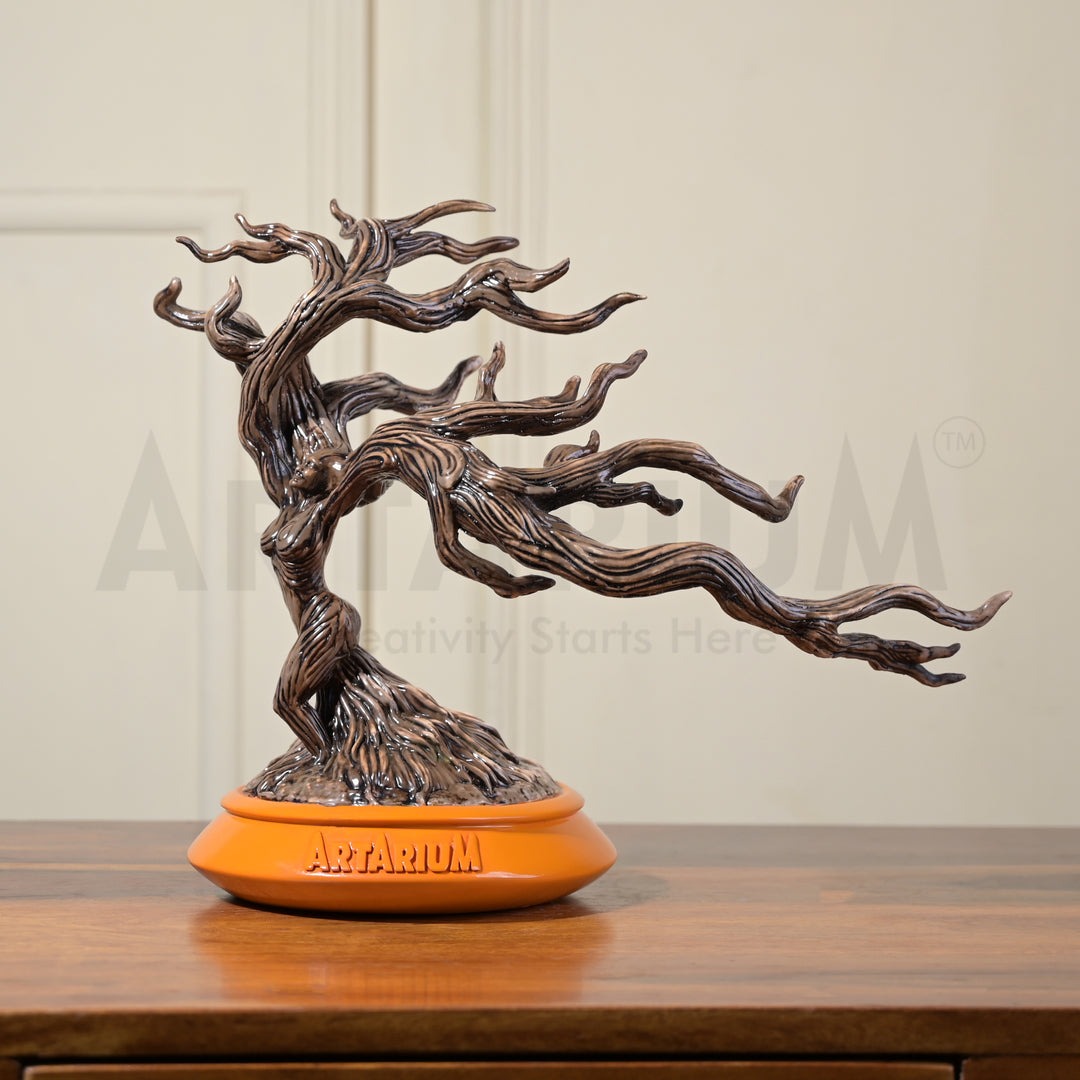
A Brief History of Bonsai
Bonsai, which translates to "tray planting" in Japanese, traces its roots back to ancient China, where miniature trees were cultivated in pots as early as the 6th century CE. Over time, the practice spread to Japan, where it evolved into the art form we know today. Bonsai trees were revered by Buddhist monks for their representation of harmony, balance, and the fleeting nature of life. Today, bonsai cultivation has become a global phenomenon, with enthusiasts around the world dedicating themselves to the meticulous care and cultivation of these living works of art.
Bonsai Tree:
The history of bonsai is as rich and diverse as the trees themselves, with each specimen telling a unique story of cultural significance and artistic expression.
Cultivating Bonsai:
Techniques and Practices Creating and maintaining a bonsai tree requires a delicate balance of horticultural knowledge, artistic vision, and patience. From selecting the right tree species to mastering pruning and shaping techniques, bonsai cultivation is a journey that requires dedication and commitment. Techniques such as wiring, pruning, and repotting are essential for shaping the tree's form and maintaining its miniature proportions. Moreover, understanding the tree's natural growth patterns and environmental needs is crucial for ensuring its long-term health and vitality.
Bonsai Tree:
Cultivating bonsai is a labor of love, requiring a deep appreciation for nature's beauty and a commitment to preserving it in miniature form.
Symbolism and Meaning
In addition to their aesthetic appeal, bonsai trees are imbued with profound symbolism and meaning. In Japanese culture, bonsai is often associated with harmony, balance, and the interconnectedness of all living things. The miniature size of bonsai trees symbolizes the vastness of nature encapsulated in a single, carefully cultivated specimen. Furthermore, the process of shaping and pruning bonsai trees reflects the Buddhist principles of patience, discipline, and acceptance of impermanence. Each bonsai tree is a living testament to the beauty of nature and the human capacity for creativity and stewardship.
Bonsai Tree:
Beyond their beauty, bonsai trees serve as powerful symbols of resilience, patience, and the interconnectedness of all living things.
The Joy of Bonsai:
Bringing Nature Indoors One of the most rewarding aspects of bonsai cultivation is the ability to bring a slice of nature indoors and create a serene oasis in any space. Whether displayed on a windowsill, tabletop, or bonsai stand, bonsai trees add a touch of tranquility and natural beauty to any environment. Watching a bonsai tree grow and evolve over time is a deeply fulfilling experience that fosters a sense of connection to the natural world and promotes mindfulness and relaxation.
Bonsai Tree: Embrace the joy of bonsai cultivation and discover the transformative power of bringing nature indoors.
Conclusion:
As we conclude our exploration of the enchanting world of bonsai, we invite you to embark on your own journey of discovery and creativity. Whether you're a seasoned bonsai enthusiast or a curious novice, there's always something new to learn and experience in the world of bonsai cultivation. Share your thoughts, experiences, or questions in the comments below and join our growing community of bonsai lovers. Together, let's continue to celebrate the timeless beauty and tranquility of bonsai trees.

The Issue
The Art of Bonsai: Cultivating Tranquility and Beauty
Introduction: In the world of gardening and horticulture, few practices embody the essence of patience, skill, and artistry quite like bonsai cultivation. Originating from ancient Asian traditions, bonsai trees have captivated enthusiasts worldwide with their miniature beauty and symbolic significance. Join us as we delve into the enchanting world of bonsai, exploring its history, techniques, and the timeless allure that continues to fascinate generations of admirers.
A Brief History of Bonsai
Bonsai, which translates to "tray planting" in Japanese, traces its roots back to ancient China, where miniature trees were cultivated in pots as early as the 6th century CE. Over time, the practice spread to Japan, where it evolved into the art form we know today. Bonsai trees were revered by Buddhist monks for their representation of harmony, balance, and the fleeting nature of life. Today, bonsai cultivation has become a global phenomenon, with enthusiasts around the world dedicating themselves to the meticulous care and cultivation of these living works of art.
Bonsai Tree:
The history of bonsai is as rich and diverse as the trees themselves, with each specimen telling a unique story of cultural significance and artistic expression.
Cultivating Bonsai:
Techniques and Practices Creating and maintaining a bonsai tree requires a delicate balance of horticultural knowledge, artistic vision, and patience. From selecting the right tree species to mastering pruning and shaping techniques, bonsai cultivation is a journey that requires dedication and commitment. Techniques such as wiring, pruning, and repotting are essential for shaping the tree's form and maintaining its miniature proportions. Moreover, understanding the tree's natural growth patterns and environmental needs is crucial for ensuring its long-term health and vitality.
Bonsai Tree:
Cultivating bonsai is a labor of love, requiring a deep appreciation for nature's beauty and a commitment to preserving it in miniature form.
Symbolism and Meaning
In addition to their aesthetic appeal, bonsai trees are imbued with profound symbolism and meaning. In Japanese culture, bonsai is often associated with harmony, balance, and the interconnectedness of all living things. The miniature size of bonsai trees symbolizes the vastness of nature encapsulated in a single, carefully cultivated specimen. Furthermore, the process of shaping and pruning bonsai trees reflects the Buddhist principles of patience, discipline, and acceptance of impermanence. Each bonsai tree is a living testament to the beauty of nature and the human capacity for creativity and stewardship.
Bonsai Tree:
Beyond their beauty, bonsai trees serve as powerful symbols of resilience, patience, and the interconnectedness of all living things.
The Joy of Bonsai:
Bringing Nature Indoors One of the most rewarding aspects of bonsai cultivation is the ability to bring a slice of nature indoors and create a serene oasis in any space. Whether displayed on a windowsill, tabletop, or bonsai stand, bonsai trees add a touch of tranquility and natural beauty to any environment. Watching a bonsai tree grow and evolve over time is a deeply fulfilling experience that fosters a sense of connection to the natural world and promotes mindfulness and relaxation.
Bonsai Tree: Embrace the joy of bonsai cultivation and discover the transformative power of bringing nature indoors.
Conclusion:
As we conclude our exploration of the enchanting world of bonsai, we invite you to embark on your own journey of discovery and creativity. Whether you're a seasoned bonsai enthusiast or a curious novice, there's always something new to learn and experience in the world of bonsai cultivation. Share your thoughts, experiences, or questions in the comments below and join our growing community of bonsai lovers. Together, let's continue to celebrate the timeless beauty and tranquility of bonsai trees.
Petition Closed
Share this petition
Petition Updates
Share this petition
Petition created on 6 April 2024