Ban unsafe hamster products and introduce welfare standards

Ban unsafe hamster products and introduce welfare standards
The Issue
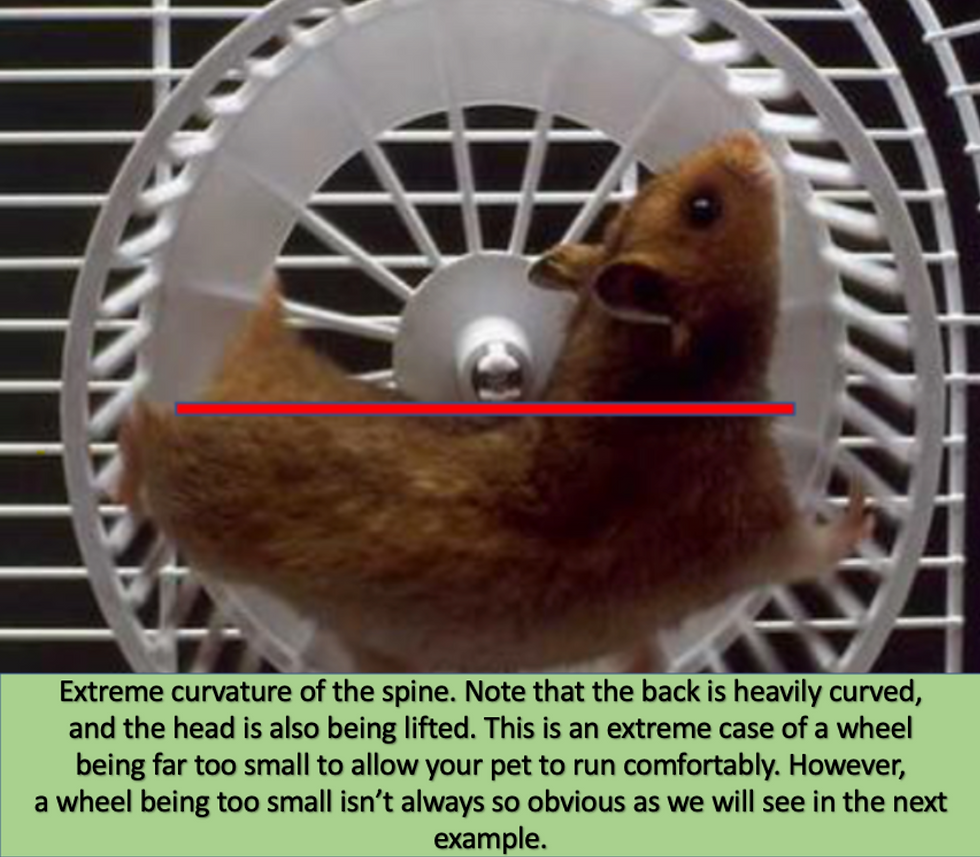
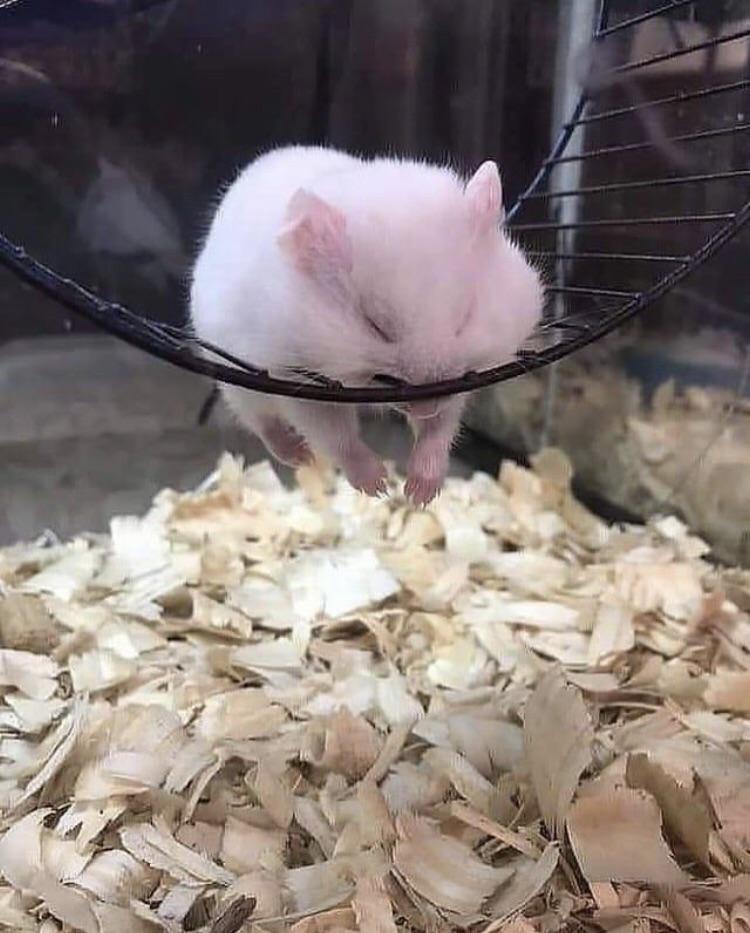
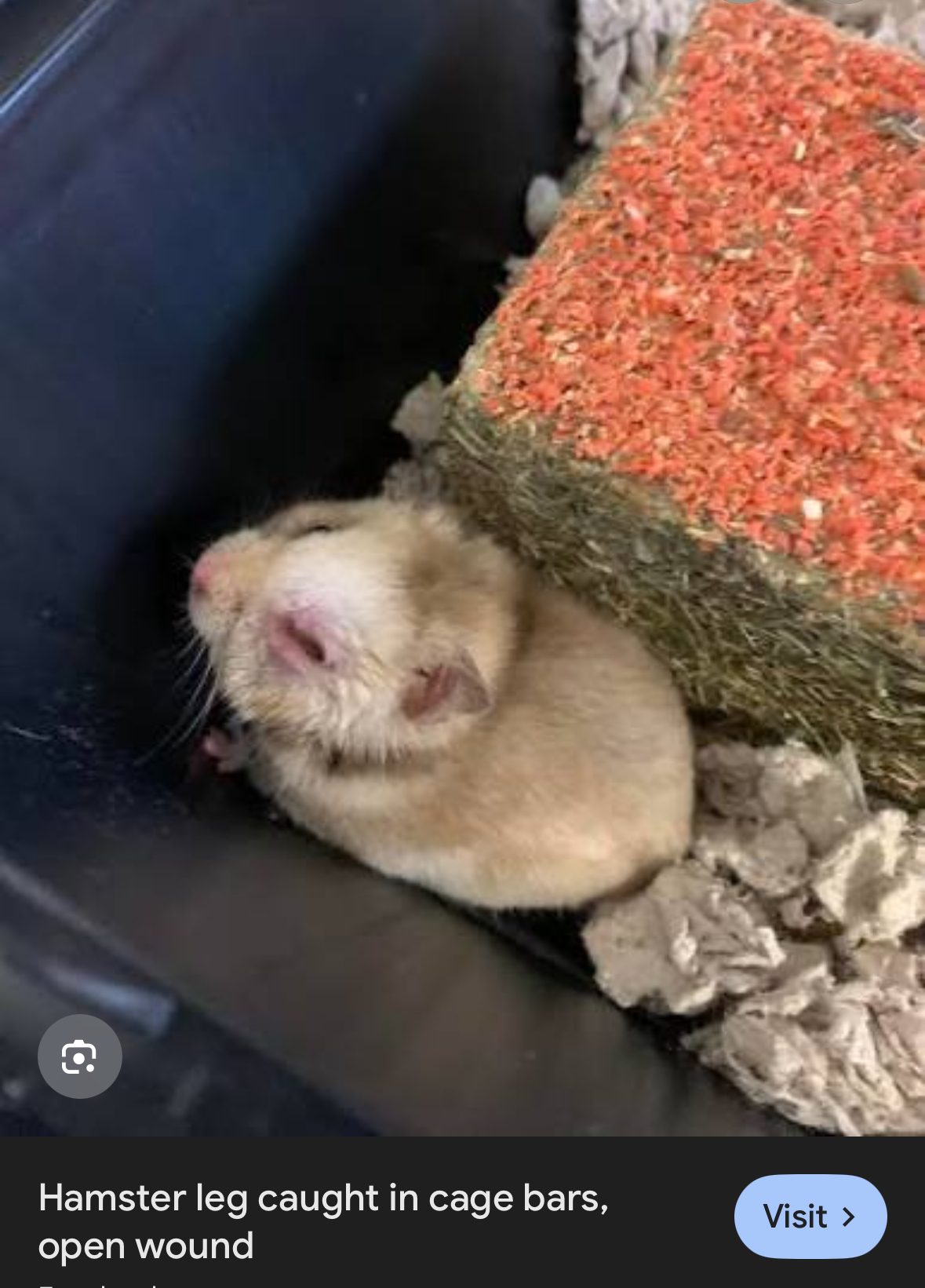
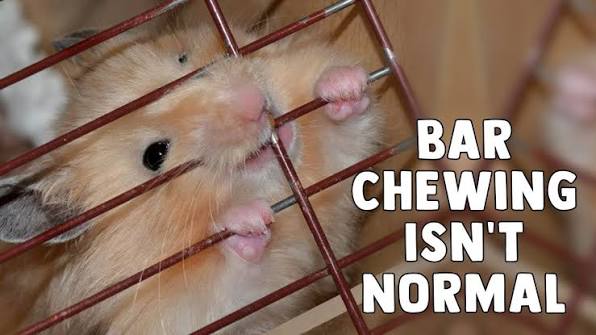
I have always had a deep love for hamsters. When I learned how they are often kept, I began to think about how it would feel if this were happening to a human being. If a person were forced to live their entire life in a space barely bigger than a cupboard, with no privacy, no freedom to move properly, and no way to feel safe, it would be recognised as cruel and neglectful.
This is the reality for many hamsters.
Hamsters are living beings that feel pain, fear, and stress just like we do. They are prey animals, so instead of crying out, they suffer quietly. When frightened or distressed, they freeze, hide, pace, chew bars, or shut down completely. Imagine a human showing these signs and being ignored because they were small or silent.
Pet shops continue to sell tiny cages, unsafe wheels that hurt their back, wire floors that hurt their paws, and harmful bedding. Research shows hamsters need at least 100 cm × 50 cm × 50 cm of continuous space and a solid wheel of at least 28 cm for Syrian hamsters or 20 to 21 cm for dwarf hamsters to live without pain. Denying this would never be acceptable for a human.
This is personal to me because I cannot accept suffering being normalised just because the victim is small. Hamsters deserve the same basic dignity, safety, and protection that we would demand for ourselves.
Too often, hamsters are treated as “starter pets” or decorations rather than complex animals with real needs. Their nocturnal nature, instinct to burrow, and need to explore are frequently ignored. Instead of being allowed to live in environments that reflect their natural behaviours, many are confined to plastic cages that prevent digging, running, or resting securely. This constant restriction leads to long-term stress and physical harm.
If a human were denied exercise, stimulation, and the ability to control their surroundings, the damage to their mental and physical health would be taken seriously. Yet when hamsters experience the same deprivation, it is dismissed as normal or unavoidable. Their short lifespans do not make their suffering less important; if anything, it makes the quality of their lives even more significant.
Caring for hamsters is not about treating them as something special or extravagant, but about giving them what they genuinely need to live well. Space, enrichment, and safe equipment are not luxuries; they are basic requirements for a healthy life. When we choose to keep an animal, we accept the responsibility to protect them from harm and unnecessary suffering.
When hamsters are viewed as living individuals rather than objects or toys, it becomes clear that their lives hold real value. Compassion should not depend on how small or quiet a being is. A hamster’s silence is not a sign of happiness, and their stillness is not proof that they are comfortable. Because they cannot speak for themselves, it is up to humans to advocate for their welfare and ensure their needs are not ignored.
the photos show proof of clear neglect and how bad most pet shops are for hamsters

538
The Issue
I have always had a deep love for hamsters. When I learned how they are often kept, I began to think about how it would feel if this were happening to a human being. If a person were forced to live their entire life in a space barely bigger than a cupboard, with no privacy, no freedom to move properly, and no way to feel safe, it would be recognised as cruel and neglectful.
This is the reality for many hamsters.
Hamsters are living beings that feel pain, fear, and stress just like we do. They are prey animals, so instead of crying out, they suffer quietly. When frightened or distressed, they freeze, hide, pace, chew bars, or shut down completely. Imagine a human showing these signs and being ignored because they were small or silent.
Pet shops continue to sell tiny cages, unsafe wheels that hurt their back, wire floors that hurt their paws, and harmful bedding. Research shows hamsters need at least 100 cm × 50 cm × 50 cm of continuous space and a solid wheel of at least 28 cm for Syrian hamsters or 20 to 21 cm for dwarf hamsters to live without pain. Denying this would never be acceptable for a human.
This is personal to me because I cannot accept suffering being normalised just because the victim is small. Hamsters deserve the same basic dignity, safety, and protection that we would demand for ourselves.
Too often, hamsters are treated as “starter pets” or decorations rather than complex animals with real needs. Their nocturnal nature, instinct to burrow, and need to explore are frequently ignored. Instead of being allowed to live in environments that reflect their natural behaviours, many are confined to plastic cages that prevent digging, running, or resting securely. This constant restriction leads to long-term stress and physical harm.
If a human were denied exercise, stimulation, and the ability to control their surroundings, the damage to their mental and physical health would be taken seriously. Yet when hamsters experience the same deprivation, it is dismissed as normal or unavoidable. Their short lifespans do not make their suffering less important; if anything, it makes the quality of their lives even more significant.
Caring for hamsters is not about treating them as something special or extravagant, but about giving them what they genuinely need to live well. Space, enrichment, and safe equipment are not luxuries; they are basic requirements for a healthy life. When we choose to keep an animal, we accept the responsibility to protect them from harm and unnecessary suffering.
When hamsters are viewed as living individuals rather than objects or toys, it becomes clear that their lives hold real value. Compassion should not depend on how small or quiet a being is. A hamster’s silence is not a sign of happiness, and their stillness is not proof that they are comfortable. Because they cannot speak for themselves, it is up to humans to advocate for their welfare and ensure their needs are not ignored.
the photos show proof of clear neglect and how bad most pet shops are for hamsters
538
Petition Updates
Share this petition
Petition created on 18 January 2026