

Ban Unqualified Individuals from Running for Political Office
Ban Unqualified Individuals from Running for Political Office
The Issue
The Philippines faces significant challenges due to the election of unqualified individuals in politics, often prioritizing popularity over competence. Many politicians win based on name recognition, celebrity status, or political dynasties rather than governance expertise, leading to weak policy-making, corruption, and mismanagement of public funds. Without proper qualifications, leaders struggle to address critical national issues such as poverty, healthcare, and infrastructure, further hindering national progress. Patronage politics and political dynasties perpetuate ineffective leadership, while some celebrity politicians rely more on their public image than actual governance skills. This results in a government that often lacks accountability, transparency, and the ability to implement well-planned policies, ultimately affecting the country’s economic growth and public welfare. Implementing stricter qualification requirements for candidates could help ensure more capable leadership and better governance.
Who are these unqualified individuals for political office?
They are the people who lacks education, experience, and knowledge about governance and policymaking. Example of these are:
- a celebrity without any political background
- a person with a history of corruption
- someone with no political knowledge
- someone who are accused or convicted of doing a crime
- a political dynasty member with no credentials
Banning unqualified individuals from running for political office is important for several reasons.
- Leadership position should be based on knowledge, skills, and experience rather than wealth, political connections and popularity.
- Our leaders make decisions for the sake of the whole country. Individuals without the necessary skills, knowledge, expertise, and education may lead to poor governance and negative societal outcomes.
- To prevent the abuse of power and corruption. Corruption and the abuse of power has been a long time issue of our country. A lack of qualifications can open the door to corruption, incompetence, and personal agendas taking precedence over public interest. Setting standards ensures that candidates are held accountable to ethical and professional expectations.
- When citizens see unqualified individuals in power, trust in government institutions declines. Implementing basic qualifications helps restore faith in leadership by ensuring that officeholders are capable and credible.
- Unqualified candidates may rely on charisma, misinformation, or emotional appeals rather than sound policies. Establishing minimum requirements helps prevent individuals from exploiting public sentiment without the ability to lead effectively.
- Politics involves complex issues like the economy, healthcare, and national security. Leaders with relevant education or experience are more likely to make informed, evidence-based decisions rather than acting on impulse or personal interest.
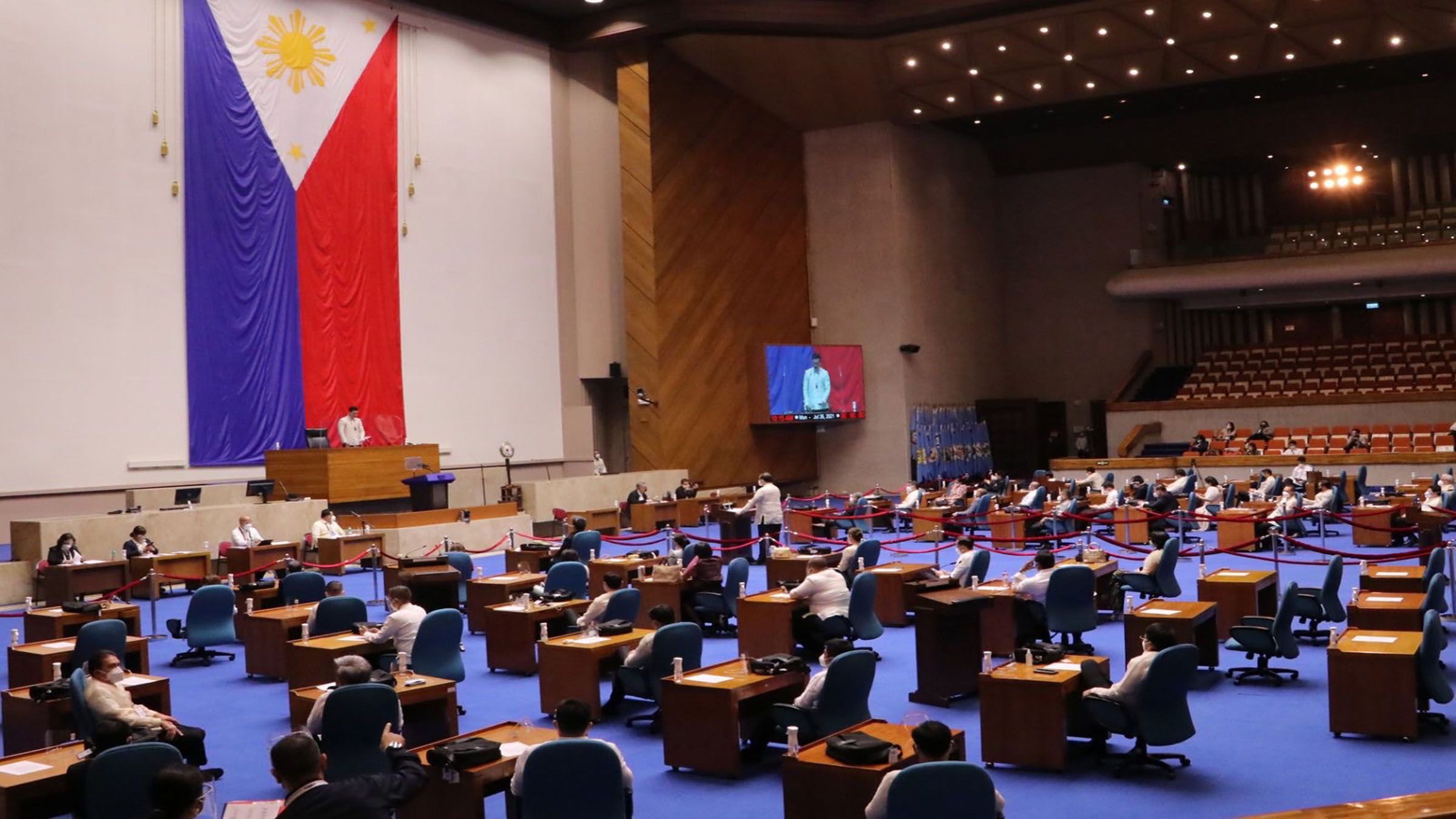
To ensure that our leaders possess the necessary knowledge, experience, and ethical standards to govern effectively, this propose implementing a set of minimum qualifications for individuals seeking elected office. These qualifications should include, but not be limited to:
- Educational Background – A minimum level of education relevant to the responsibilities of the office.
- Professional or Political Experience – Prior experience in leadership, public administration, or relevant fields.
- Ethical and Legal Standards – A clean record, free from serious criminal offenses or ethical violations.
- Civic Knowledge Assessment – A basic competency test to ensure candidates understand the constitution, governance, and civic responsibilities.
This petition urge the Philippine Government to establish and enforce these standards to prevent unqualified individuals from holding office, thereby protecting the interests of the people and ensuring competent governance.

49
The Issue
The Philippines faces significant challenges due to the election of unqualified individuals in politics, often prioritizing popularity over competence. Many politicians win based on name recognition, celebrity status, or political dynasties rather than governance expertise, leading to weak policy-making, corruption, and mismanagement of public funds. Without proper qualifications, leaders struggle to address critical national issues such as poverty, healthcare, and infrastructure, further hindering national progress. Patronage politics and political dynasties perpetuate ineffective leadership, while some celebrity politicians rely more on their public image than actual governance skills. This results in a government that often lacks accountability, transparency, and the ability to implement well-planned policies, ultimately affecting the country’s economic growth and public welfare. Implementing stricter qualification requirements for candidates could help ensure more capable leadership and better governance.
Who are these unqualified individuals for political office?
They are the people who lacks education, experience, and knowledge about governance and policymaking. Example of these are:
- a celebrity without any political background
- a person with a history of corruption
- someone with no political knowledge
- someone who are accused or convicted of doing a crime
- a political dynasty member with no credentials
Banning unqualified individuals from running for political office is important for several reasons.
- Leadership position should be based on knowledge, skills, and experience rather than wealth, political connections and popularity.
- Our leaders make decisions for the sake of the whole country. Individuals without the necessary skills, knowledge, expertise, and education may lead to poor governance and negative societal outcomes.
- To prevent the abuse of power and corruption. Corruption and the abuse of power has been a long time issue of our country. A lack of qualifications can open the door to corruption, incompetence, and personal agendas taking precedence over public interest. Setting standards ensures that candidates are held accountable to ethical and professional expectations.
- When citizens see unqualified individuals in power, trust in government institutions declines. Implementing basic qualifications helps restore faith in leadership by ensuring that officeholders are capable and credible.
- Unqualified candidates may rely on charisma, misinformation, or emotional appeals rather than sound policies. Establishing minimum requirements helps prevent individuals from exploiting public sentiment without the ability to lead effectively.
- Politics involves complex issues like the economy, healthcare, and national security. Leaders with relevant education or experience are more likely to make informed, evidence-based decisions rather than acting on impulse or personal interest.
To ensure that our leaders possess the necessary knowledge, experience, and ethical standards to govern effectively, this propose implementing a set of minimum qualifications for individuals seeking elected office. These qualifications should include, but not be limited to:
- Educational Background – A minimum level of education relevant to the responsibilities of the office.
- Professional or Political Experience – Prior experience in leadership, public administration, or relevant fields.
- Ethical and Legal Standards – A clean record, free from serious criminal offenses or ethical violations.
- Civic Knowledge Assessment – A basic competency test to ensure candidates understand the constitution, governance, and civic responsibilities.
This petition urge the Philippine Government to establish and enforce these standards to prevent unqualified individuals from holding office, thereby protecting the interests of the people and ensuring competent governance.
49
Petition Updates
Share this petition
Petition created on February 25, 2025