
Ban or Regulate Goldfish Prizes at Fairs and Other Events
The Issue
While these events are meant to be enjoyable for attendees, the practice of using live animals as prizes raises ethical, environment and animal welfare concerns that cannot be ignored.
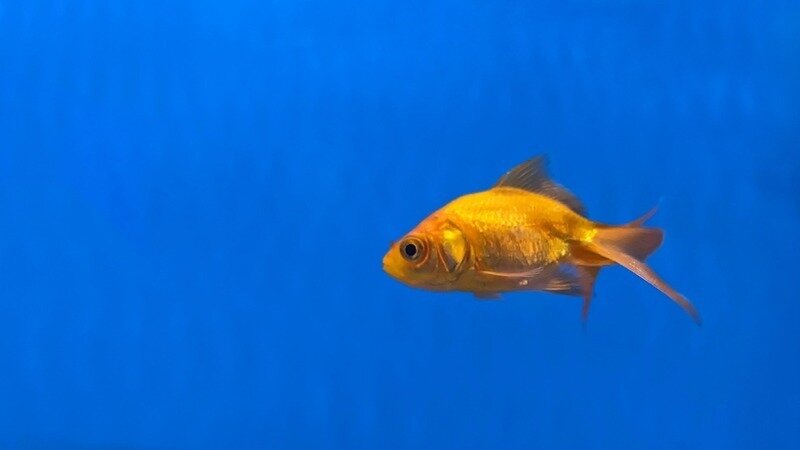
Goldfish are often given away in small, plastic bags filled with water, which provides inadequate living conditions for these delicate creatures. Many recipients of these fish lack the proper knowledge, resources, and equipment to care for them effectively, leading to poor living conditions and unnecessary suffering for the animals.
Moreover, the transient nature of these events means that the welfare of the goldfish is often an afterthought, as they may be seen as disposable commodities rather than living beings deserving of proper care and respect.
Consider the following:
1. Animal Welfare: Goldfish require appropriate care and living conditions to thrive. Most species require tanks or ponds well past 55 gallons in volume to allow them to grow. Most end up in a bowl, or in a container less than 10 gallons. This results in inadequate care, disease, and premature death for the animals.
"Goldfish grow to the size of their enclosure" - This is a myth and in fact means that they were stunted by subpar water conditions.
"My goldfish lived for 2 years, he lived a long happy life" - Goldfish living in the correct conditions can easily exceed 10 years.
2. Lack of Education: Many recipients are ill-equipped to care for goldfish. Tanks size and the need for filtration and aeration are not standard bits of knowledge that the event operators normally give out to those attending. This is up to the attendees to figure out on their own after receiving the animal. Many feel pressured due to the predatory practices that are on display during the events. Many parental figures will inevitably "give in" when confronted by a child "winning" a fish and not being able to bring it home. Some can be responsible and get supplies from their local pet shops, but often become irate and unreasonable when given more information on what transpired.
3. Environmental Impact: Improper disposal of goldfish can lead to invasive species being introduced in local ecosystems, disrupting native wildlife and ecosystems. Local pet shops can sometimes accept the donations, but not all of the time. The times that they cannot, can lead to owners abandoning the fish into public waterways. Goldfish being a part of the carp family can easily prey on and outcompete other species for food.
4. Ethical Concerns: Treating living beings as prizes perpetuates a culture that devalues the importance of responsible pet ownership and animal welfare. Simple as that.
Steps need to be taken to educate the public on these animals and their needs and to regulate or outright ban the practice of using live animals, specifically goldfish, as prizes at fairs and events.
346
The Issue
While these events are meant to be enjoyable for attendees, the practice of using live animals as prizes raises ethical, environment and animal welfare concerns that cannot be ignored.
Goldfish are often given away in small, plastic bags filled with water, which provides inadequate living conditions for these delicate creatures. Many recipients of these fish lack the proper knowledge, resources, and equipment to care for them effectively, leading to poor living conditions and unnecessary suffering for the animals.
Moreover, the transient nature of these events means that the welfare of the goldfish is often an afterthought, as they may be seen as disposable commodities rather than living beings deserving of proper care and respect.
Consider the following:
1. Animal Welfare: Goldfish require appropriate care and living conditions to thrive. Most species require tanks or ponds well past 55 gallons in volume to allow them to grow. Most end up in a bowl, or in a container less than 10 gallons. This results in inadequate care, disease, and premature death for the animals.
"Goldfish grow to the size of their enclosure" - This is a myth and in fact means that they were stunted by subpar water conditions.
"My goldfish lived for 2 years, he lived a long happy life" - Goldfish living in the correct conditions can easily exceed 10 years.
2. Lack of Education: Many recipients are ill-equipped to care for goldfish. Tanks size and the need for filtration and aeration are not standard bits of knowledge that the event operators normally give out to those attending. This is up to the attendees to figure out on their own after receiving the animal. Many feel pressured due to the predatory practices that are on display during the events. Many parental figures will inevitably "give in" when confronted by a child "winning" a fish and not being able to bring it home. Some can be responsible and get supplies from their local pet shops, but often become irate and unreasonable when given more information on what transpired.
3. Environmental Impact: Improper disposal of goldfish can lead to invasive species being introduced in local ecosystems, disrupting native wildlife and ecosystems. Local pet shops can sometimes accept the donations, but not all of the time. The times that they cannot, can lead to owners abandoning the fish into public waterways. Goldfish being a part of the carp family can easily prey on and outcompete other species for food.
4. Ethical Concerns: Treating living beings as prizes perpetuates a culture that devalues the importance of responsible pet ownership and animal welfare. Simple as that.
Steps need to be taken to educate the public on these animals and their needs and to regulate or outright ban the practice of using live animals, specifically goldfish, as prizes at fairs and events.
Petition Updates
Share this petition
Petition created on August 8, 2023