

BAN Laboratory Testing on Beagles in the UK!
The Issue
We demand for the use of dogs in lab experiments in the UK to be banned immediately.
Be their voice because they don't have one.
In 2021, 4,277 regulated experiments were carried out on dogs in Britain and of those, 4,016 of these being beagle testing. All of them were approved by the UK government.
The beagle is the most popular breed of dog for tests because they’re small, submissive and docile, so they’re relatively easy to manage.
These dogs wont ever smell the fresh air, see the sky, feel the grass beneath their paws or experience love and affection.
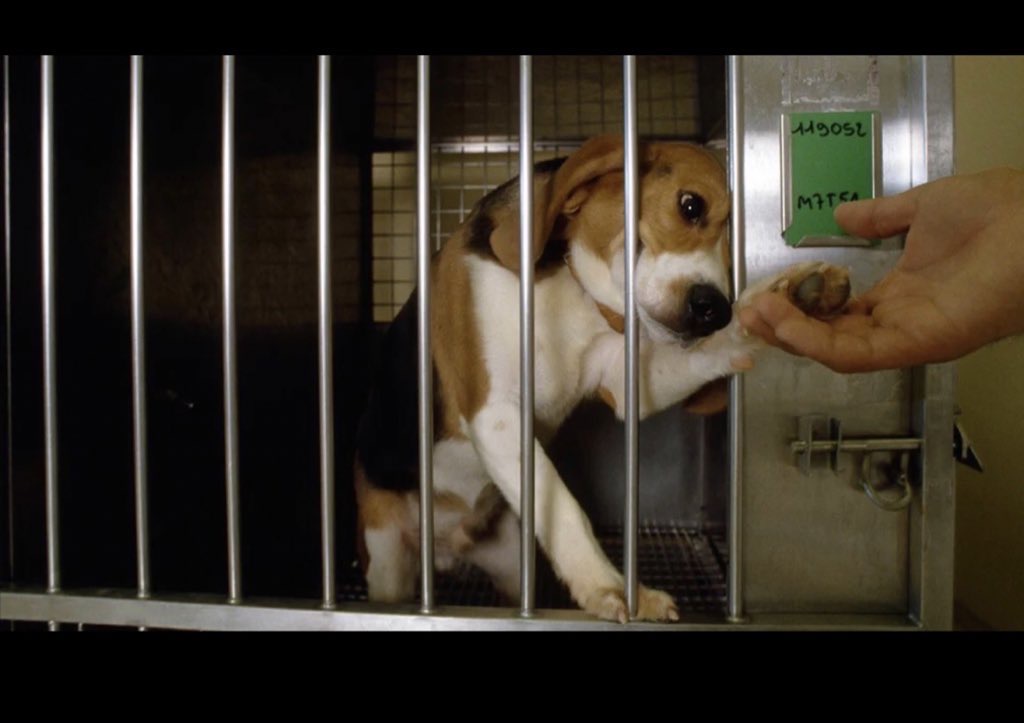
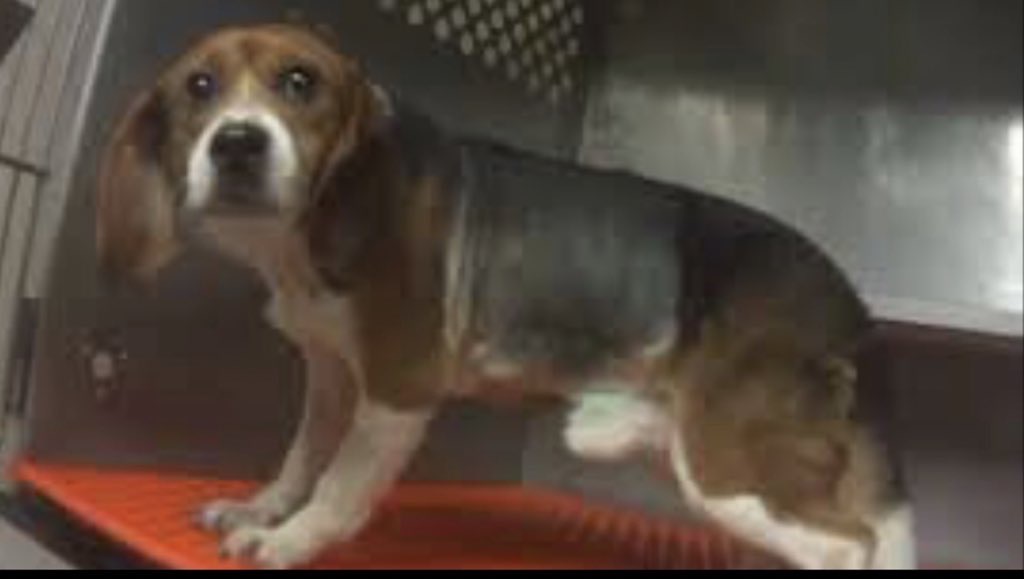
What is life like for dogs in laboratories?
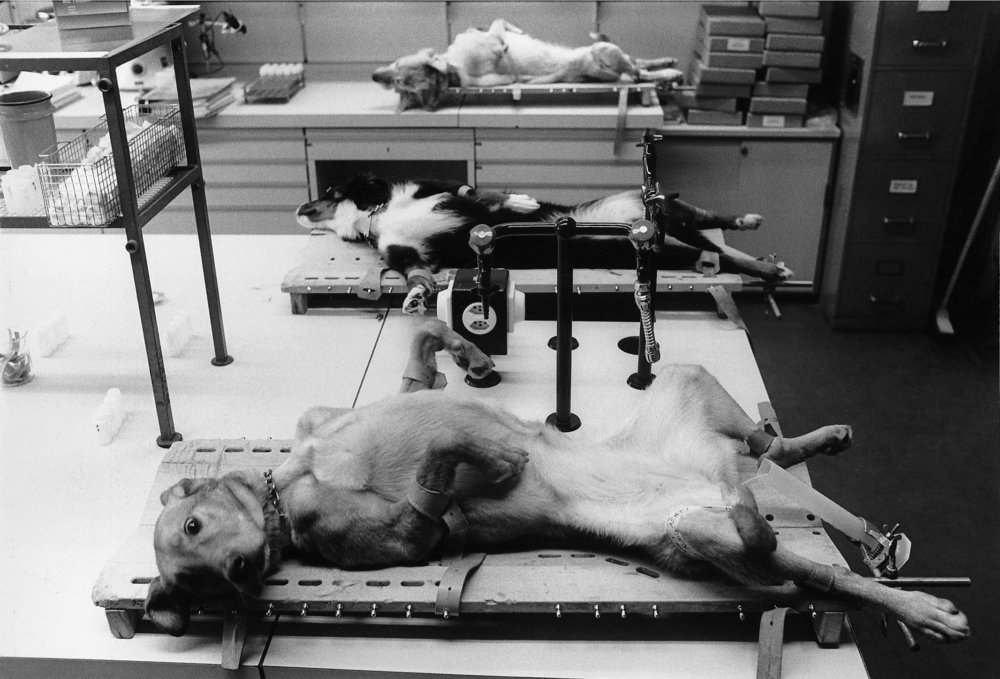
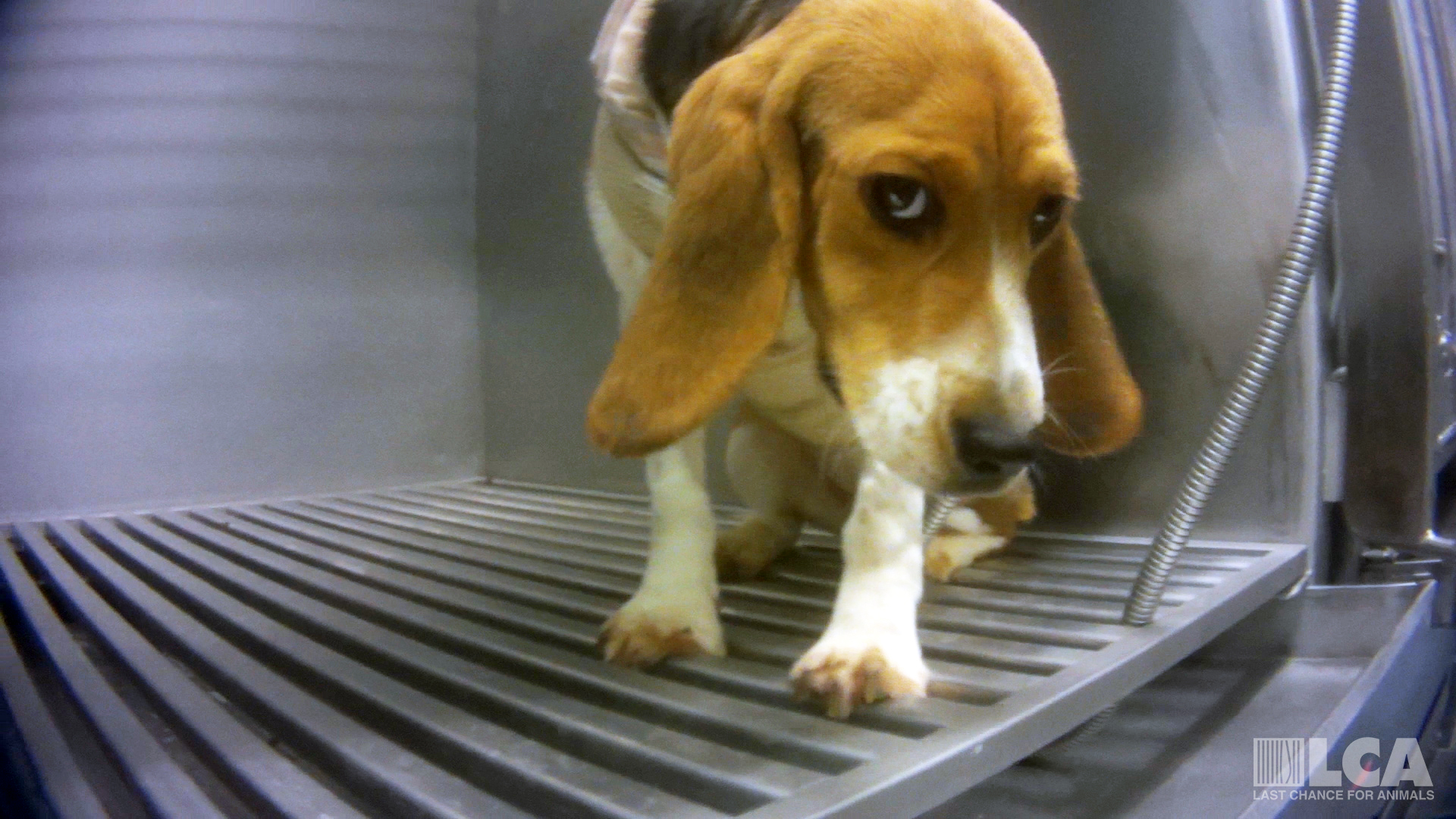
Dogs in laboratories suffer immensely. In addition to the painful experiments that the vast majority of dogs in laboratories experience over days, months, years or even decades, life in a laboratory is typically a miserable and terrifying experience.
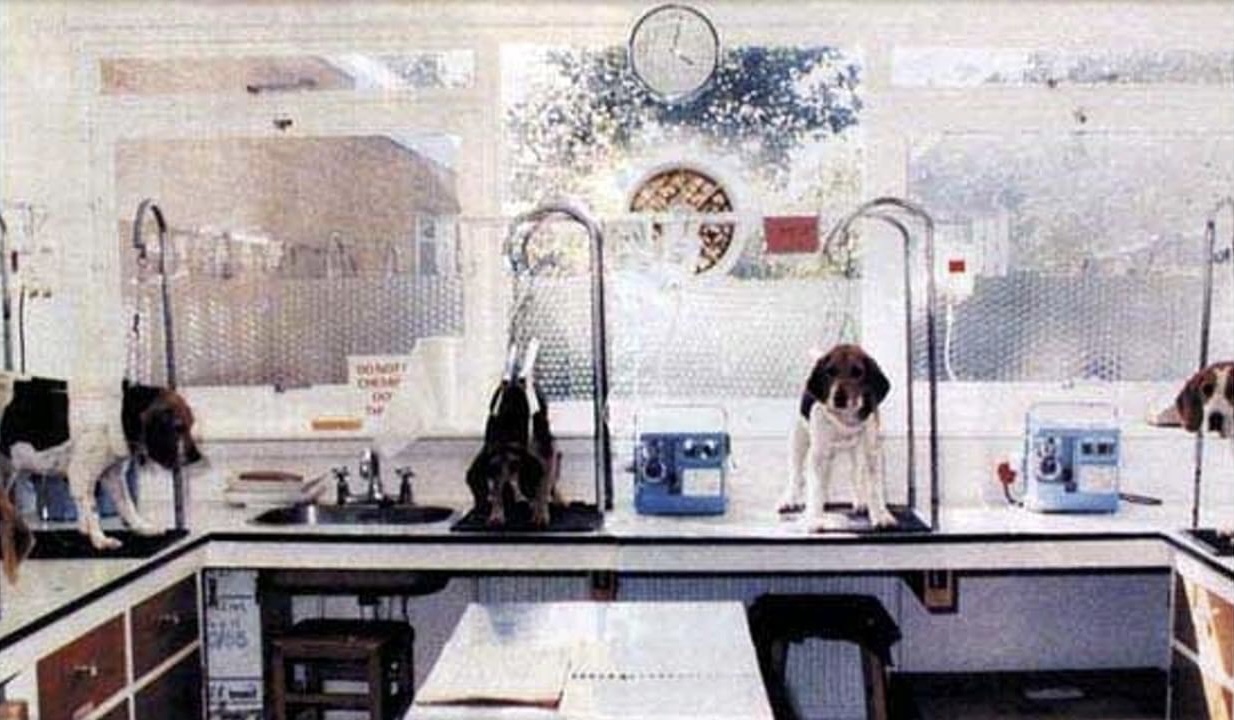
Typically kept alone in barren steel cages with little room to move around and few, if any, comforts, such as toys or soft bedding, dogs often become unbearably lonely and anxious, often devoid of the companionship of other dogs or the loving touch of a human. The painful—often excruciating—procedures that they experience include being intentionally injured, implanted with medical devices, infected with diseases, subjected to repeated surgeries, force-fed drugs, pesticides or other substances and observed for harmful effects such as heart failure, liver disease, signs of cancer or even death. They typically also watch (or hear) other animals suffering, including their own parents, siblings or babies. (humanesociety.org)
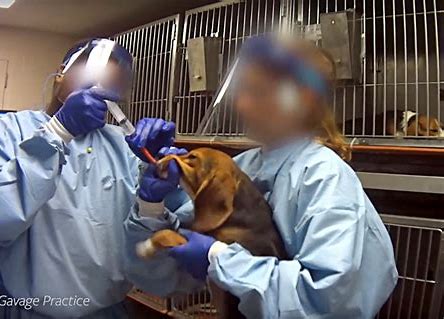
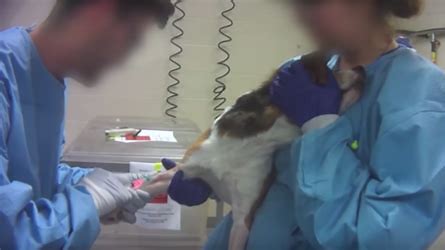
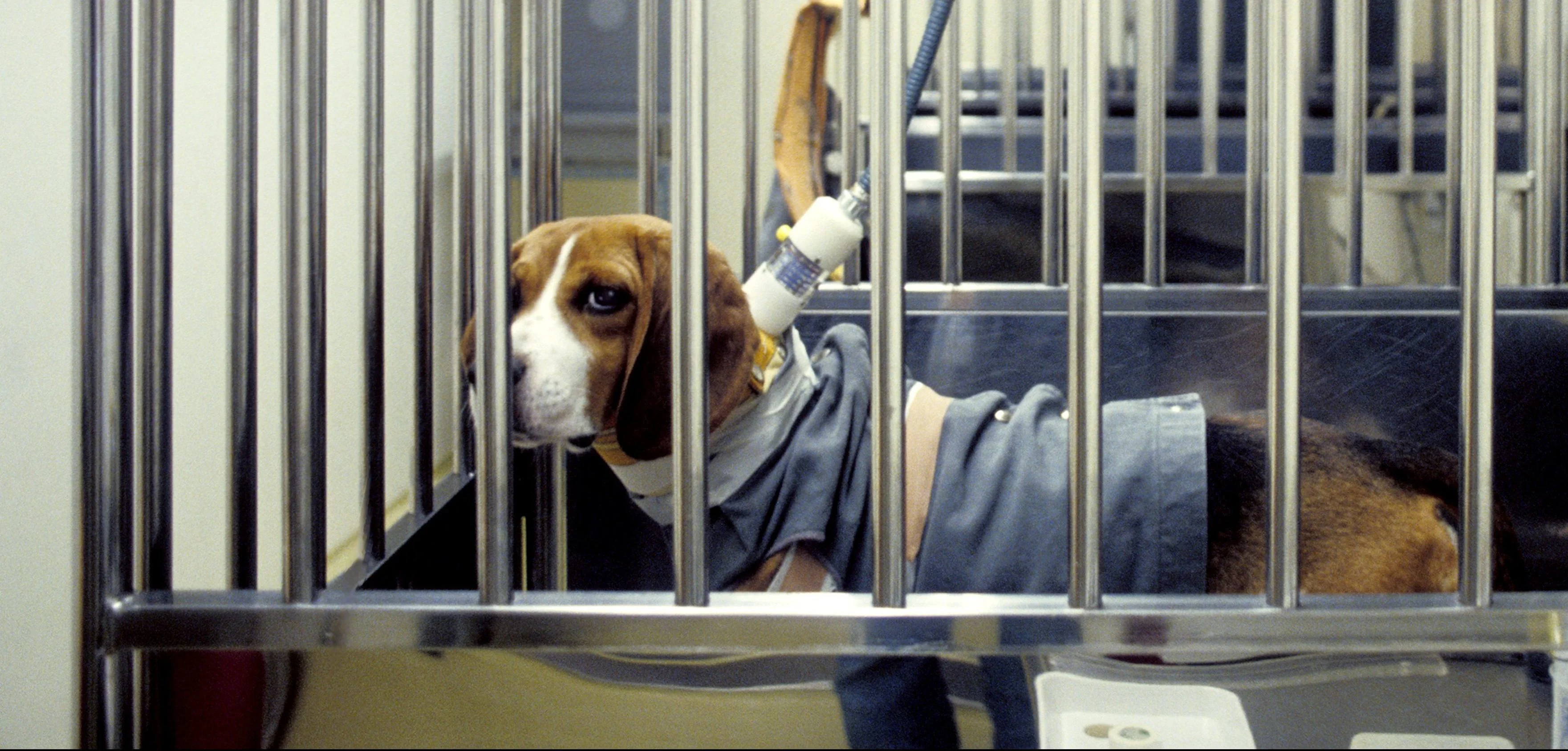
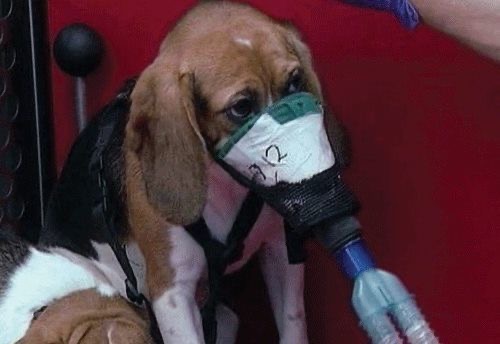
Peta video showing beagles being trained to wear masks
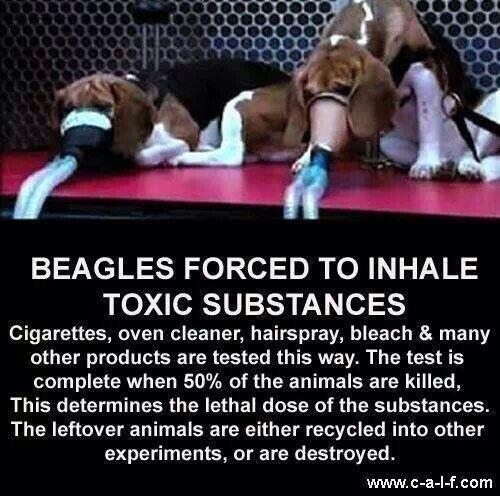
Dogs are forced to inhale pesticides, fed toxic chemicals, or deliberately given heart attacks.
Many of these horrific tests involve repeatedly force-feeding or forcing dogs to inhale substances for weeks, months, or even more than a year to measure the effects of repeat exposure on the liver, kidneys, lungs, heart, and nervous system. (peta.org.uk)
Experimenters often administer drugs, pesticides, or other toxic chemicals by gavage – this means they insert a force-feeding tube down the dog’s throat so chemicals can be pumped into the stomach every day, for up to 90 days, with no pain relief or anaesthetic. Shockingly, this gavage procedure is classified as 'mild suffering' by the Home Office. The Facts — HOUNDED (houndedcampaign.co.uk)
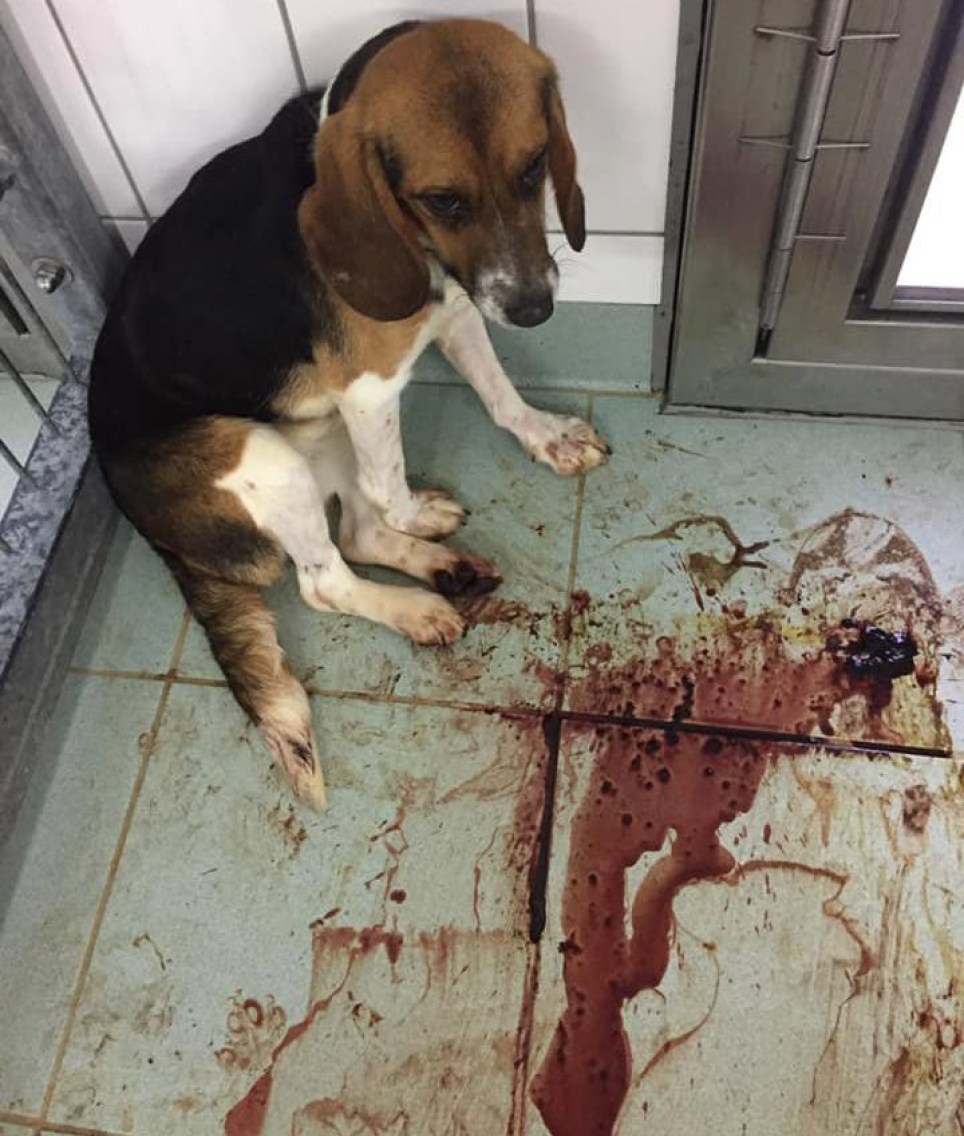
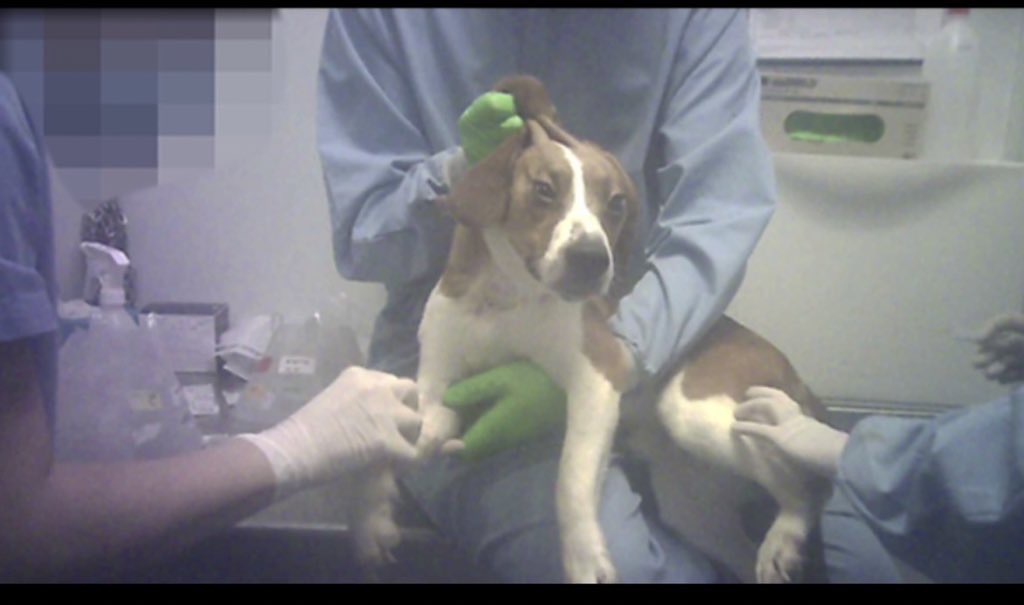
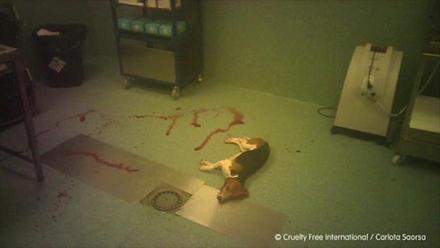
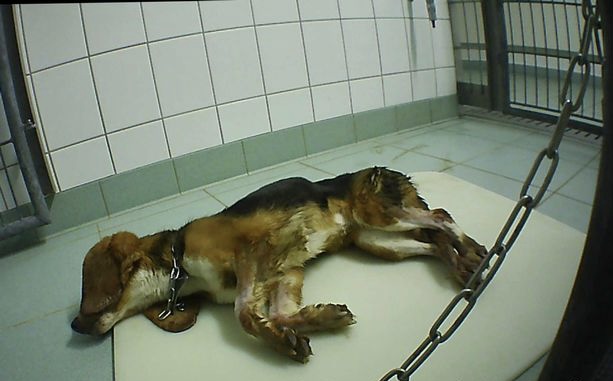
Instead of receiving love and affection, these dogs will experience side effects such as vomiting, tremors, raised temperatures, hypersalivating, undercover footage has shown the dogs moaning on the floor and unable to stand. Link to footage
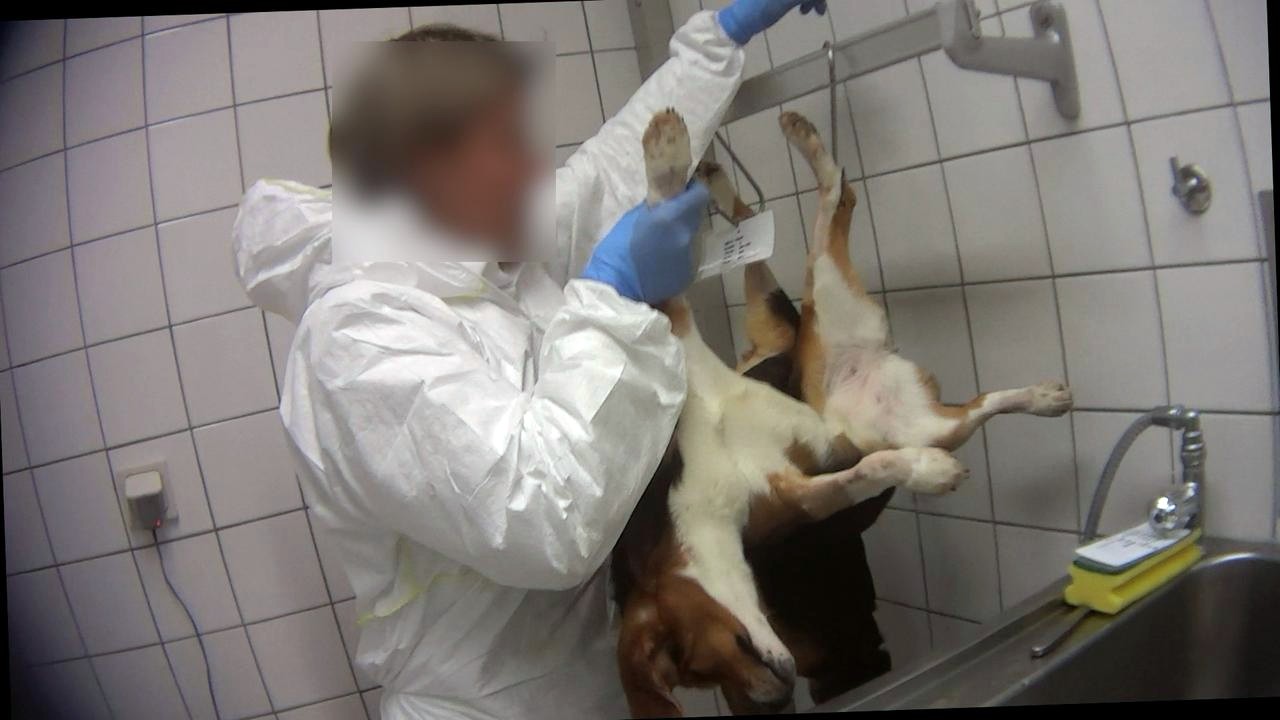
At the end of the test, experimenters will kill and dissect the dogs.
Watch undercover footage inside a lab FULL of beagles https://youtu.be/MYBAnbKkozQ?si=-TUm-hshdtsXTdoi
How are the dogs euthanised?
According to [About Animal Research] there are a wide variety of ways including the dog being put in a gas chamber to inhale a gas, physical force such as decapitation or breaking the spine, gunshots, electrocution, brain irradiation (if the brain tissue needs to be preserved) or a sedative or anaesthetic… feeling as devastated as we are?


Where do the experiments take place?
Chemical, pesticide and drug companies use dogs in testing, as well as public and private universities, medical schools, public health laboratories and commercial organisations [Home Office].
Where do the dogs bound for experiments come from?
Most of the beagles used in experiments in British laboratories are bred in the UK.
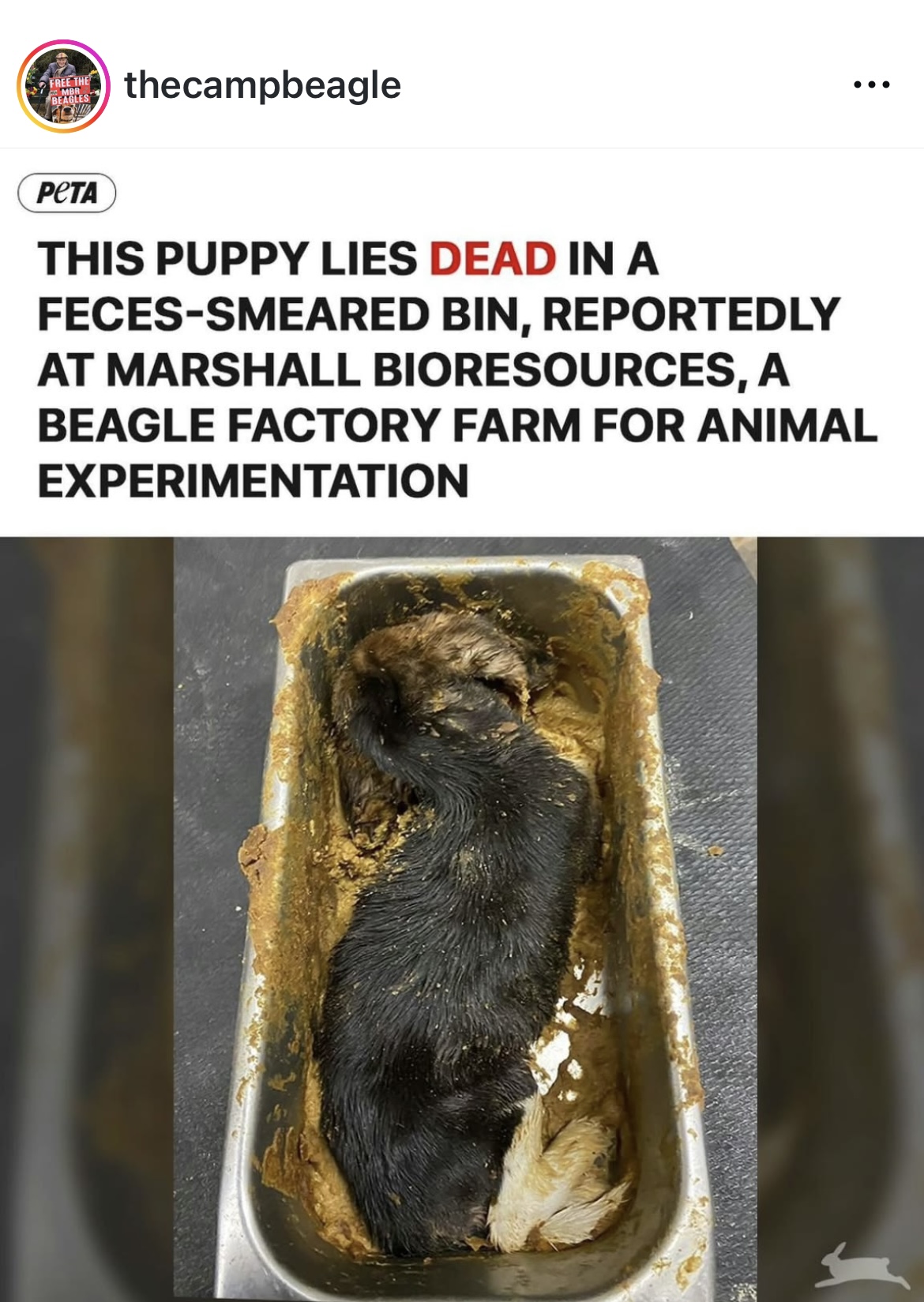
There are two approved factory farms in the UK that supply beagle puppies to the various institutions for testing. These are owned by global company Marshall BioResources. The two sites are located in Grimston, Hull and Huntingdon, Cambridge.
Take a LOOK:
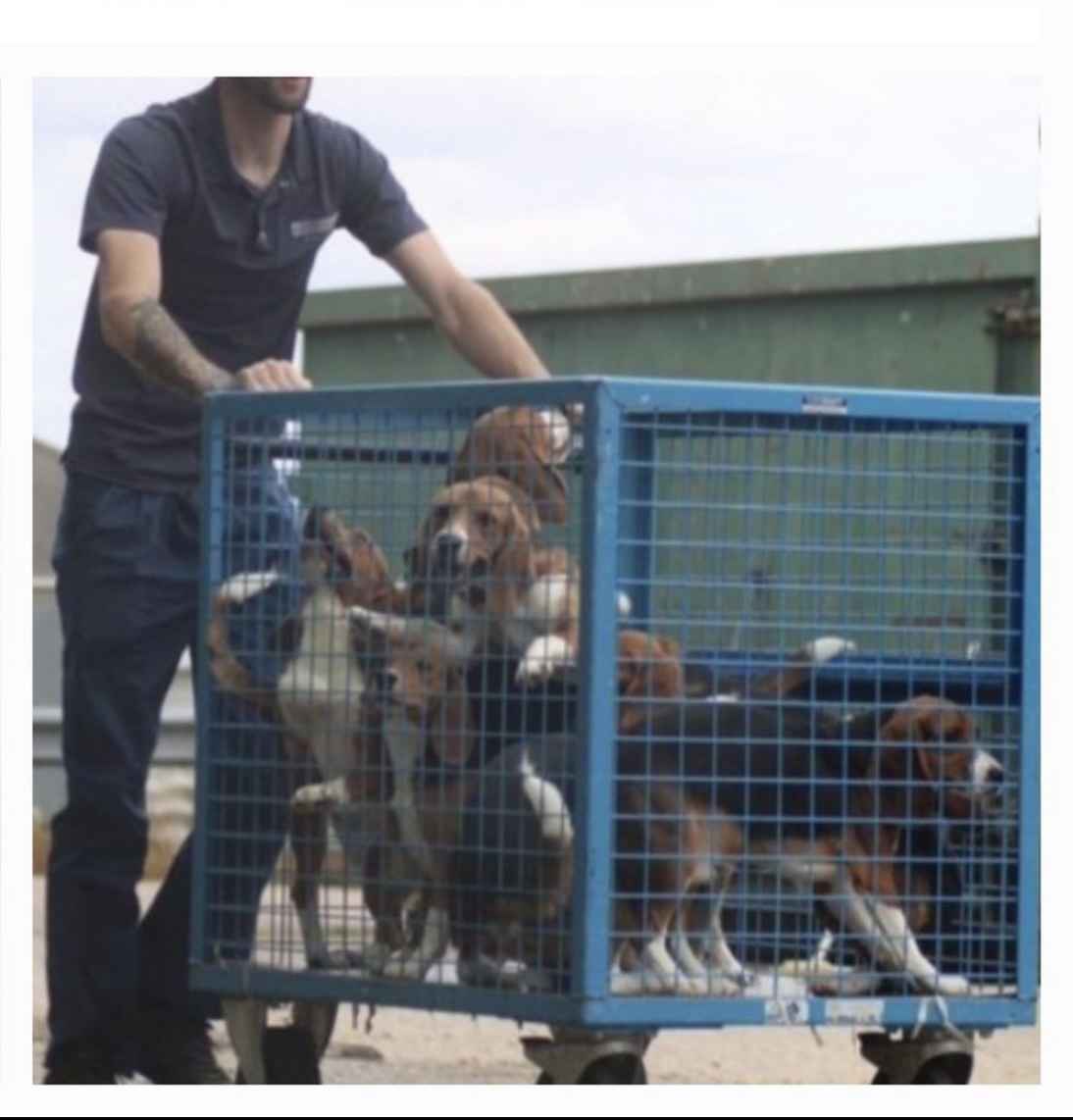
The beagles may be born in captivity but they are no different to the loving, playful puppies you would be thrilled to welcome into your family. (hounded campaign)
The puppies spend all their time in enclosures until they are sold to labs around the country from 16 weeks old.
Harrowing footage showing the shocking fact that dogs are factory farmed, right here in the UK.
How many experiments are conducted on dogs each year in the UK?
The number of experiments range from around 3500 to 5000 per year. 2014 there were 4600 experiments on dogs, 4643 in 2015, 4932 in 2016, 3847 in 2017, 4481 in 2018, 4314 in 2019 and 4340 in 2020. (hounded campiagn)
Public reaction
There is national outrage. However MOST of the population are unaware.
Animal Rising recently rescued 18 beagles from MBR Acres:
The Camp Beagle have a permanent protest outside MBR Acres.
Actor Ricky Gervais, 61, said: “It is absolutely heartbreaking to see the sadness in these beagles’ eyes. I’m appalled that this prison torment for dogs is legal in the UK.”
Will Young recently chained himself to the gates at MBR Acres.

Reasons to stop testing on animals:
The UK Government is ignoring studies that show dogs’ psychological and physical needs go out the window when they’re treated as nothing more than test tubes with paws.
There are Non-Animal, Human-Relevant Methods of Testing Available
Experiments on dogs need to be abandoned immediately, on ethical and scientific grounds, as they are not only shockingly cruel but today widely reported to be entirely failing their claimed purpose: to find human treatments and cures. The Facts — HOUNDED (houndedcampaign.co.uk)
Unlike dog torture, human-relevant approaches such as human cell cultures, high-speed computer simulations, and organs-on-chips increase our understanding of human disease, can accelerate drug development, and benefit humans and animals alike.
In the UK, 99% of all experiments on dogs are falsely claimed able to predict the responses of human patients, in safety testing and disease research. (houndedcampaign.co.uk)
PETA scientists have researched the utter failure of the animal experimentation paradigm to help humans suffering from disease, and they have a plan: the Research Modernisation Deal. PETA is calling on the government to embrace this new plan and direct its resources away from ineffective methods and towards better ones. However a recent parliamentary petition signed by over 100k members of the public was dismissed by MP Sarah Dines.
“Animal model systems not only kill animals, they also kill humans.” — Dr Irwin Bross, former Director of Sloan-Kettering the largest cancer research institute in the world.
“Traditional animal testing is expensive, time-consuming, uses a lot of animals and from a scientific perspective the results do not necessarily translate to humans.” - Dr. Christopher Austin, the former director of the National Institutes of Health (N I H) Chemical Genomics Centre
Dr Katy Taylor, its director of science and regulatory affairs:
"With the advancement of more humane alternatives, the time has come for us to rethink the use of animal experiments.
"Non-animal testing methods are more human-relevant, and often more accurate and less costly, than increasingly outdated and inhumane research using animals.
"As a society we should be doing everything we can to move away from cruel animal research and turning to scientifically superior non-animal methods that are increasingly available."
Charles River - Clinical Laboratories -
9 out of 10 drug candidates fail to be approved. One key barrier is the translatability of the animal models used to determine if a compound is effective and safe enough to move into the clinic. Many times they fail to predict the human response because, lets face it, their bodies and biological processes are not identical to humans.
We demand for the use of dogs to be banned immediately.
53,000
The Issue
We demand for the use of dogs in lab experiments in the UK to be banned immediately.
Be their voice because they don't have one.
In 2021, 4,277 regulated experiments were carried out on dogs in Britain and of those, 4,016 of these being beagle testing. All of them were approved by the UK government.
The beagle is the most popular breed of dog for tests because they’re small, submissive and docile, so they’re relatively easy to manage.
These dogs wont ever smell the fresh air, see the sky, feel the grass beneath their paws or experience love and affection.
What is life like for dogs in laboratories?
Dogs in laboratories suffer immensely. In addition to the painful experiments that the vast majority of dogs in laboratories experience over days, months, years or even decades, life in a laboratory is typically a miserable and terrifying experience.
Typically kept alone in barren steel cages with little room to move around and few, if any, comforts, such as toys or soft bedding, dogs often become unbearably lonely and anxious, often devoid of the companionship of other dogs or the loving touch of a human. The painful—often excruciating—procedures that they experience include being intentionally injured, implanted with medical devices, infected with diseases, subjected to repeated surgeries, force-fed drugs, pesticides or other substances and observed for harmful effects such as heart failure, liver disease, signs of cancer or even death. They typically also watch (or hear) other animals suffering, including their own parents, siblings or babies. (humanesociety.org)
Peta video showing beagles being trained to wear masks
Dogs are forced to inhale pesticides, fed toxic chemicals, or deliberately given heart attacks.
Many of these horrific tests involve repeatedly force-feeding or forcing dogs to inhale substances for weeks, months, or even more than a year to measure the effects of repeat exposure on the liver, kidneys, lungs, heart, and nervous system. (peta.org.uk)
Experimenters often administer drugs, pesticides, or other toxic chemicals by gavage – this means they insert a force-feeding tube down the dog’s throat so chemicals can be pumped into the stomach every day, for up to 90 days, with no pain relief or anaesthetic. Shockingly, this gavage procedure is classified as 'mild suffering' by the Home Office. The Facts — HOUNDED (houndedcampaign.co.uk)
Instead of receiving love and affection, these dogs will experience side effects such as vomiting, tremors, raised temperatures, hypersalivating, undercover footage has shown the dogs moaning on the floor and unable to stand. Link to footage
At the end of the test, experimenters will kill and dissect the dogs.
Watch undercover footage inside a lab FULL of beagles https://youtu.be/MYBAnbKkozQ?si=-TUm-hshdtsXTdoi
How are the dogs euthanised?
According to [About Animal Research] there are a wide variety of ways including the dog being put in a gas chamber to inhale a gas, physical force such as decapitation or breaking the spine, gunshots, electrocution, brain irradiation (if the brain tissue needs to be preserved) or a sedative or anaesthetic… feeling as devastated as we are?
Where do the experiments take place?
Chemical, pesticide and drug companies use dogs in testing, as well as public and private universities, medical schools, public health laboratories and commercial organisations [Home Office].
Where do the dogs bound for experiments come from?
Most of the beagles used in experiments in British laboratories are bred in the UK.
There are two approved factory farms in the UK that supply beagle puppies to the various institutions for testing. These are owned by global company Marshall BioResources. The two sites are located in Grimston, Hull and Huntingdon, Cambridge.
Take a LOOK:
The beagles may be born in captivity but they are no different to the loving, playful puppies you would be thrilled to welcome into your family. (hounded campaign)
The puppies spend all their time in enclosures until they are sold to labs around the country from 16 weeks old.
Harrowing footage showing the shocking fact that dogs are factory farmed, right here in the UK.
How many experiments are conducted on dogs each year in the UK?
The number of experiments range from around 3500 to 5000 per year. 2014 there were 4600 experiments on dogs, 4643 in 2015, 4932 in 2016, 3847 in 2017, 4481 in 2018, 4314 in 2019 and 4340 in 2020. (hounded campiagn)
Public reaction
There is national outrage. However MOST of the population are unaware.
Animal Rising recently rescued 18 beagles from MBR Acres:
The Camp Beagle have a permanent protest outside MBR Acres.
Actor Ricky Gervais, 61, said: “It is absolutely heartbreaking to see the sadness in these beagles’ eyes. I’m appalled that this prison torment for dogs is legal in the UK.”
Will Young recently chained himself to the gates at MBR Acres.
Reasons to stop testing on animals:
The UK Government is ignoring studies that show dogs’ psychological and physical needs go out the window when they’re treated as nothing more than test tubes with paws.
There are Non-Animal, Human-Relevant Methods of Testing Available
Experiments on dogs need to be abandoned immediately, on ethical and scientific grounds, as they are not only shockingly cruel but today widely reported to be entirely failing their claimed purpose: to find human treatments and cures. The Facts — HOUNDED (houndedcampaign.co.uk)
Unlike dog torture, human-relevant approaches such as human cell cultures, high-speed computer simulations, and organs-on-chips increase our understanding of human disease, can accelerate drug development, and benefit humans and animals alike.
In the UK, 99% of all experiments on dogs are falsely claimed able to predict the responses of human patients, in safety testing and disease research. (houndedcampaign.co.uk)
PETA scientists have researched the utter failure of the animal experimentation paradigm to help humans suffering from disease, and they have a plan: the Research Modernisation Deal. PETA is calling on the government to embrace this new plan and direct its resources away from ineffective methods and towards better ones. However a recent parliamentary petition signed by over 100k members of the public was dismissed by MP Sarah Dines.
“Animal model systems not only kill animals, they also kill humans.” — Dr Irwin Bross, former Director of Sloan-Kettering the largest cancer research institute in the world.
“Traditional animal testing is expensive, time-consuming, uses a lot of animals and from a scientific perspective the results do not necessarily translate to humans.” - Dr. Christopher Austin, the former director of the National Institutes of Health (N I H) Chemical Genomics Centre
Dr Katy Taylor, its director of science and regulatory affairs:
"With the advancement of more humane alternatives, the time has come for us to rethink the use of animal experiments.
"Non-animal testing methods are more human-relevant, and often more accurate and less costly, than increasingly outdated and inhumane research using animals.
"As a society we should be doing everything we can to move away from cruel animal research and turning to scientifically superior non-animal methods that are increasingly available."
Charles River - Clinical Laboratories -
9 out of 10 drug candidates fail to be approved. One key barrier is the translatability of the animal models used to determine if a compound is effective and safe enough to move into the clinic. Many times they fail to predict the human response because, lets face it, their bodies and biological processes are not identical to humans.
We demand for the use of dogs to be banned immediately.
Supporter Voices
Petition Updates
Share this petition
Petition created on 17 May 2023