Ban Foie Gras in Philadelphia Restaurants
The Issue
Dear Members of the Philadelphia City Council,
We, the undersigned residents and concerned citizens of Philadelphia and beyond, urge you to take a stand against the inhumane practice associated with foie gras production by implementing a ban on its sale in restaurants within our city.
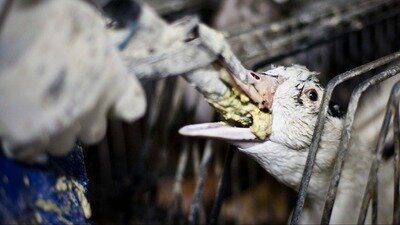
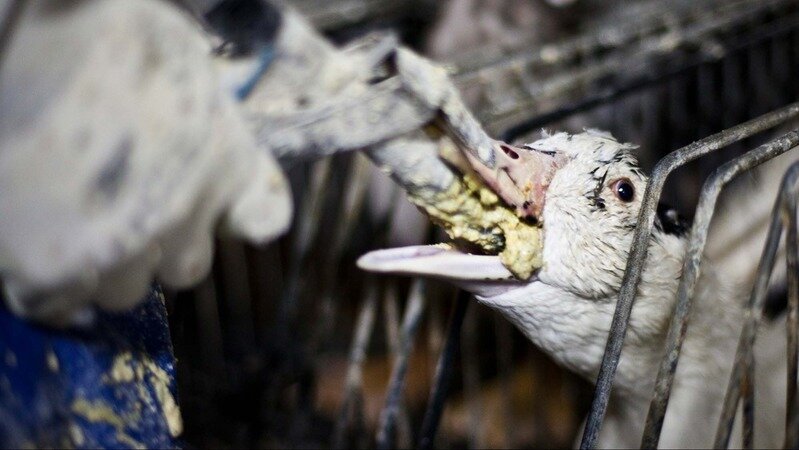
Foie gras, produced through force-feeding ducks or geese to enlarge their livers, raises ethical and animal welfare concerns. The methods employed in its production have been widely criticized for causing unnecessary suffering to these animals. By prohibiting the sale of foie gras in Philadelphia, we can align our city with ethical standards that prioritize the humane treatment of animals.
Numerous cities and regions worldwide have recognized the ethical implications of foie gras production and have taken steps to ban its sale. We believe that Philadelphia should join this movement and demonstrate our commitment to compassionate and responsible practices.
We understand the importance of balancing culinary traditions with ethical considerations, and we believe that alternatives to foie gras can be embraced without compromising our vibrant culinary scene. By enacting this ban, Philadelphia can take a significant step towards promoting animal welfare and fostering a more humane community.
We respectfully request your support in adopting legislation to ban the sale of foie gras in Philadelphia restaurants. Let us stand together to promote a city that values both culinary excellence and compassion towards animals.
More information from Animal Equality (https://animalequality.org/blog/2022/02/08/what-is-foie-gras/
Why Is Foie Gras Cruel?
The production of foie gras has drawn controversy around the world for its unnecessary and cruel production methods, including:
-Shoving long metal tubes down the throats of ducks and geese multiple times per day and pumping their stomachs full of calorie-dense food (also known as “gavage”)
-Continuing to force-feed these eight-week-old ducks and geese for up to a month and then slaughtering them
-Confining birds in cramped pens or wire cages that are too small for them to turn around in, resulting in foot and leg injuries
-Inflicting multiple organ failures, injuries to the birds’ beaks and throats, and pneumonia
-Inflicting psychological anguish on normally curious and sensitive animals
Health and Environmental Issues
Not only does foie gras violate animal welfare, but its environmental impact is cause for alarm. According to the US Environmental Protection Agency, foie gras operations have breached countless environmental laws.
Hudson Valley Foie Gras, the largest foie gras farm in the US, has violated multiple Clean Water Act obligations over the last decade and has faced numerous inspections with thousands of dollars in fines.
Foie gras also poses a significant risk to public health. Due to abuse and neglect, birds’ immune systems weaken, making them more susceptible to diseases such as avian influenza (bird flu). Avian influenza is also contagious to humans.
The most recent – and most deadly – avian flu outbreak in the U.S. took place in 2022. In 2021, France’s avian flu outbreak largely occurred on foie gras farms.
As the world continues to grapple with the Covid-19 virus, it has become apparent how quickly these zoonotic diseases can become a global pandemic.

766
The Issue
Dear Members of the Philadelphia City Council,
We, the undersigned residents and concerned citizens of Philadelphia and beyond, urge you to take a stand against the inhumane practice associated with foie gras production by implementing a ban on its sale in restaurants within our city.
Foie gras, produced through force-feeding ducks or geese to enlarge their livers, raises ethical and animal welfare concerns. The methods employed in its production have been widely criticized for causing unnecessary suffering to these animals. By prohibiting the sale of foie gras in Philadelphia, we can align our city with ethical standards that prioritize the humane treatment of animals.
Numerous cities and regions worldwide have recognized the ethical implications of foie gras production and have taken steps to ban its sale. We believe that Philadelphia should join this movement and demonstrate our commitment to compassionate and responsible practices.
We understand the importance of balancing culinary traditions with ethical considerations, and we believe that alternatives to foie gras can be embraced without compromising our vibrant culinary scene. By enacting this ban, Philadelphia can take a significant step towards promoting animal welfare and fostering a more humane community.
We respectfully request your support in adopting legislation to ban the sale of foie gras in Philadelphia restaurants. Let us stand together to promote a city that values both culinary excellence and compassion towards animals.
More information from Animal Equality (https://animalequality.org/blog/2022/02/08/what-is-foie-gras/
Why Is Foie Gras Cruel?
The production of foie gras has drawn controversy around the world for its unnecessary and cruel production methods, including:
-Shoving long metal tubes down the throats of ducks and geese multiple times per day and pumping their stomachs full of calorie-dense food (also known as “gavage”)
-Continuing to force-feed these eight-week-old ducks and geese for up to a month and then slaughtering them
-Confining birds in cramped pens or wire cages that are too small for them to turn around in, resulting in foot and leg injuries
-Inflicting multiple organ failures, injuries to the birds’ beaks and throats, and pneumonia
-Inflicting psychological anguish on normally curious and sensitive animals
Health and Environmental Issues
Not only does foie gras violate animal welfare, but its environmental impact is cause for alarm. According to the US Environmental Protection Agency, foie gras operations have breached countless environmental laws.
Hudson Valley Foie Gras, the largest foie gras farm in the US, has violated multiple Clean Water Act obligations over the last decade and has faced numerous inspections with thousands of dollars in fines.
Foie gras also poses a significant risk to public health. Due to abuse and neglect, birds’ immune systems weaken, making them more susceptible to diseases such as avian influenza (bird flu). Avian influenza is also contagious to humans.
The most recent – and most deadly – avian flu outbreak in the U.S. took place in 2022. In 2021, France’s avian flu outbreak largely occurred on foie gras farms.
As the world continues to grapple with the Covid-19 virus, it has become apparent how quickly these zoonotic diseases can become a global pandemic.
The Decision Makers


Supporter Voices
Petition Updates
Share this petition
Petition created on December 20, 2023