
Add Mini Donkeys/Hinnies/Mules to the ADA
The Issue
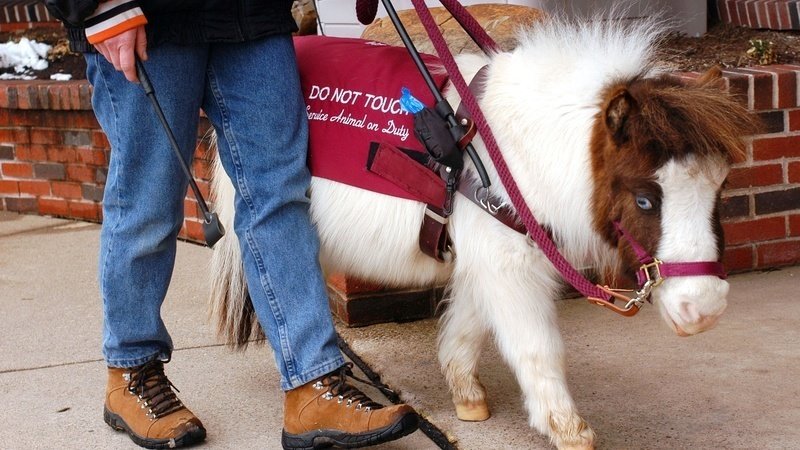
Currently, the Americans with Disabilities Act covers only dogs and miniature horses as service animals. It does not include miniature donkeys, miniature mules (the offspring of a male horse and female donkey), or miniature hinnies (the offspring of a female horse and a male donkey).
This should be changed because donkeys on average live up to 15 years longer than the average miniature horse which means the disabled individual would not have to replace the animal as often. Donkeys also require much less forage so having them be covered by the ADA would open up the possibility of having a service equine to those who do not live somewhere with adequate grass for a mini horse. Additionally, the donkey is known for being “stubborn” because when they see a threat they are more likely to stand still instead of panicking, making them a better candidate for service work than a mini horse who would rather run away from the perceived danger. Donkeys were known for being used by Latin American leaders in battle instead of horses because they were less skittish and were more aware of their surroundings. Donkeys are so calm in nature that they are often put in the same field as a very anxious horse as a comfort animal.
Donkeys are also more powerful than miniature horses of the same size, so people who need extreme assistance mobility-wise would be more drawn to them. For years, the donkey's job, in general, was carrying heavy things back and forth across deserts and this has resulted in their backs being stronger and flatter than the average miniature horse. This makes them ideal for mobility service work because they can carry more weight and are less likely to have long term damage to their back because of extended service work. They also drink less water, are better equipped for hot weather and have smaller hooves which allows them to go on cliffs and other areas the average mini horse does not. Donkeys are also very smart and can remember places and people from years before, which would make them fantastic candidates as service animals for those who are blind.
Donkey and horse hybrids (mules and hinnies) would be the best of both worlds for some service animal handlers. The hybrids are known to live slightly longer than the horse but not as long as the donkey, and often are less skittish than the mini horse. They are also more careful around danger and some say they are more healthy than the miniature horse.
it would be easy to include these animals in the ADA, simply change “miniature horses” into “miniature equines.” Donkeys, mules, and hinnies can be just as good (if not better) at being service animals than miniature horses. They can be task trained to mitigate different disabilities and potty trained just like a miniature horse. Americans with disabilities should be able to choose from the variety of animals instead of just dogs and miniature horses.

201
The Issue
Currently, the Americans with Disabilities Act covers only dogs and miniature horses as service animals. It does not include miniature donkeys, miniature mules (the offspring of a male horse and female donkey), or miniature hinnies (the offspring of a female horse and a male donkey).
This should be changed because donkeys on average live up to 15 years longer than the average miniature horse which means the disabled individual would not have to replace the animal as often. Donkeys also require much less forage so having them be covered by the ADA would open up the possibility of having a service equine to those who do not live somewhere with adequate grass for a mini horse. Additionally, the donkey is known for being “stubborn” because when they see a threat they are more likely to stand still instead of panicking, making them a better candidate for service work than a mini horse who would rather run away from the perceived danger. Donkeys were known for being used by Latin American leaders in battle instead of horses because they were less skittish and were more aware of their surroundings. Donkeys are so calm in nature that they are often put in the same field as a very anxious horse as a comfort animal.
Donkeys are also more powerful than miniature horses of the same size, so people who need extreme assistance mobility-wise would be more drawn to them. For years, the donkey's job, in general, was carrying heavy things back and forth across deserts and this has resulted in their backs being stronger and flatter than the average miniature horse. This makes them ideal for mobility service work because they can carry more weight and are less likely to have long term damage to their back because of extended service work. They also drink less water, are better equipped for hot weather and have smaller hooves which allows them to go on cliffs and other areas the average mini horse does not. Donkeys are also very smart and can remember places and people from years before, which would make them fantastic candidates as service animals for those who are blind.
Donkey and horse hybrids (mules and hinnies) would be the best of both worlds for some service animal handlers. The hybrids are known to live slightly longer than the horse but not as long as the donkey, and often are less skittish than the mini horse. They are also more careful around danger and some say they are more healthy than the miniature horse.
it would be easy to include these animals in the ADA, simply change “miniature horses” into “miniature equines.” Donkeys, mules, and hinnies can be just as good (if not better) at being service animals than miniature horses. They can be task trained to mitigate different disabilities and potty trained just like a miniature horse. Americans with disabilities should be able to choose from the variety of animals instead of just dogs and miniature horses.
Supporter Voices
Petition Updates
Share this petition
Petition created on December 26, 2020