A Fight to Ending Homelessness: Making Everyone Count
A Fight to Ending Homelessness: Making Everyone Count
The Issue
Petition for Improved Methodology in Conducting the Point-in-Time Count for Homelessness in Monroe County
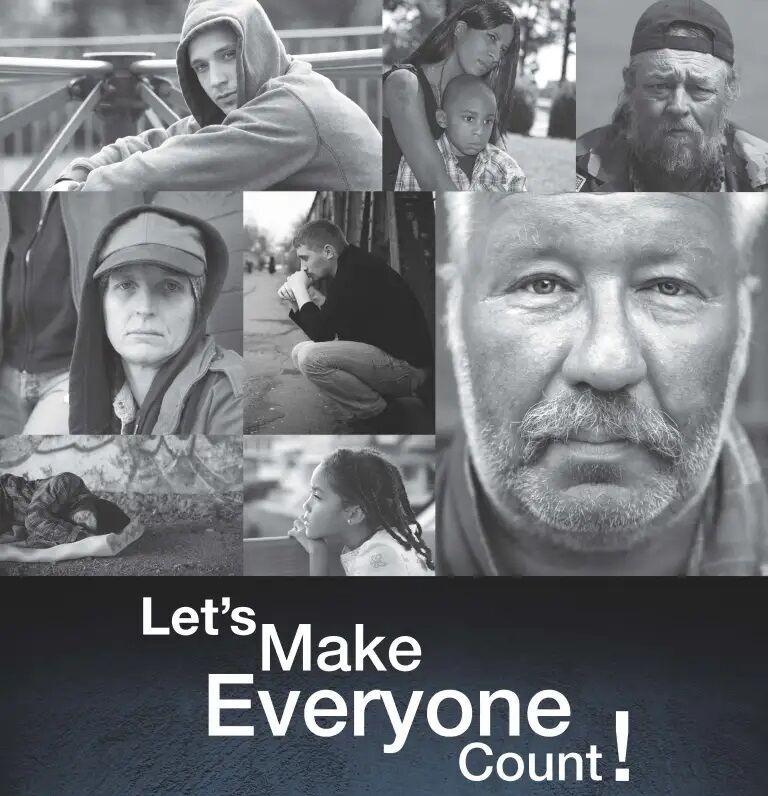
We, as concerned citizens of Monroe County, recognize the urgent need for accurate data to effectively address homelessness in our community. Currently, the Point-in-Time (PIT) count, conducted annually on a single night in January, falls short of providing a comprehensive assessment of homelessness. We call for significant reforms to the PIT count methodology to ensure a more accurate representation of individuals experiencing homelessness and to facilitate better allocation of resources.
The PIT count, administered by volunteers, aims to tally every person experiencing homelessness in Monroe County, whether sheltered or unsheltered (US Department of Housing and Urban Development, 2024). However, its reliance on a single-night snapshot fails to capture the dynamic and complex nature of homelessness throughout the year. Additionally, the count overlooks individuals in hospitals, psychiatric facilities, rehabilitation centers, correctional facilities, and those temporarily residing with others due to economic hardship, resulting in a gross underestimation of the true extent of homelessness in our community.
Compounding the issue, the biennial count of unsheltered individuals further exacerbates the inaccuracies by neglecting to provide a comprehensive assessment of homelessness in rural and suburban areas. This flawed methodology not only undermines our ability to accurately gauge the scope of homelessness but also impedes our efforts to secure adequate funding and implement effective interventions.
According to the United States Census Bureau in 2023, the total population of Monroe County was 748,482 (US Census Bureau Monroe County, 2023). In 2023, the point in time count showed the total number of people experiencing homelessness was 803. That would mean that 0.1% of people are experiencing homelessness in Monroe County. In Seattle, King County Regional Homelessness Authority tracks people experiencing homelessness throughout the year and found that the count is actually four times higher than what the PIT count found (Kofsky, Rosenfeld & Lee, 2024). These numbers are especially significant considering the similar population size between Monroe County (748,482) and Seattle (749,256) (US Census Bureau Seattle).
Similarly, In a study using administrative data collected from homeless service providers estimated that the annual number of homeless individuals is 2.5 to 10.2 times greater than can be obtained using a point in time count (National Law Center on Homelessness & Poverty, 2017). These findings highlight the inadequacy of the PIT count, revealing discrepancies of up to ten times the reported numbers.
Given these glaring deficiencies, we petition for the following reforms to the PIT count methodology:
1. Conduct the PIT count throughout the year over an extended period, rather than on a single night annually or biennially. This approach would enable outreach teams to cover a wider geographic area and reach individuals who may not be present during a single-day count, as well as accommodate those who become homeless at different times throughout the year.
2. Implement a multiplier to adjust the PIT count for underrepresented populations, including individuals in hospitals, psychiatric care, prisons, hotels, and those temporarily residing with others. A multiplier of 10, based on the findings mentioned above, would more accurately reflect the true number of individuals experiencing homelessness in Monroe County.
We recognize the need for ongoing evaluation and refinement of the proposed multiplier to ensure its accuracy and effectiveness in securing proper funding and support for the homeless population in our county.
We urge the Department of Housing and Urban Development (HUD), Monroe County, and relevant authorities to recognize the critical importance of this issue and to heed our petition and enact these reforms to the PIT count methodology. By doing so, we can obtain a more accurate understanding of homelessness, enhance resource allocation, and ultimately, work towards ending homelessness in our community.
References
Kofsky, J., Rosenfeld, M., & Lee, J. (2024, February 3). “You can’t be accurate”: Annual count of US homeless population misses large numbers of people, experts warn. ABC News. https://abcnews.go.com/US/accurate-annual-count-us-homeless-population-misses-large/story?id=106671876
U.S. Census Bureau quickfacts: Monroe County, New York. (2023, July 1). https://www.census.gov/quickfacts/fact/table/monroecountynewyork
U.S. Census Bureau quickfacts: Seattle City, Washington (2022, July 1). https://www.census.gov/quickfacts/fact/table/seattlecitywashington/PST045222
US Department of Housing and Urban Development (2024) Point-in-Time Count and Housing Inventory Count. https://www.hudexchange.info/programs/hdx/pit-hic/#archive-of-pit-count-and-hic-guidance-and-training
National Law Center on Homelessness & Poverty. (2017) Don’t Count On It: How the HUD Point-in-Time Count Underestimates the Homelessness Crisis in America. National Law Center on Homelessness & Poverty. https://homelesslaw.org/wp-content/uploads/2018/10/HUD-PIT-report2017.pdf

195
The Issue
Petition for Improved Methodology in Conducting the Point-in-Time Count for Homelessness in Monroe County
We, as concerned citizens of Monroe County, recognize the urgent need for accurate data to effectively address homelessness in our community. Currently, the Point-in-Time (PIT) count, conducted annually on a single night in January, falls short of providing a comprehensive assessment of homelessness. We call for significant reforms to the PIT count methodology to ensure a more accurate representation of individuals experiencing homelessness and to facilitate better allocation of resources.
The PIT count, administered by volunteers, aims to tally every person experiencing homelessness in Monroe County, whether sheltered or unsheltered (US Department of Housing and Urban Development, 2024). However, its reliance on a single-night snapshot fails to capture the dynamic and complex nature of homelessness throughout the year. Additionally, the count overlooks individuals in hospitals, psychiatric facilities, rehabilitation centers, correctional facilities, and those temporarily residing with others due to economic hardship, resulting in a gross underestimation of the true extent of homelessness in our community.
Compounding the issue, the biennial count of unsheltered individuals further exacerbates the inaccuracies by neglecting to provide a comprehensive assessment of homelessness in rural and suburban areas. This flawed methodology not only undermines our ability to accurately gauge the scope of homelessness but also impedes our efforts to secure adequate funding and implement effective interventions.
According to the United States Census Bureau in 2023, the total population of Monroe County was 748,482 (US Census Bureau Monroe County, 2023). In 2023, the point in time count showed the total number of people experiencing homelessness was 803. That would mean that 0.1% of people are experiencing homelessness in Monroe County. In Seattle, King County Regional Homelessness Authority tracks people experiencing homelessness throughout the year and found that the count is actually four times higher than what the PIT count found (Kofsky, Rosenfeld & Lee, 2024). These numbers are especially significant considering the similar population size between Monroe County (748,482) and Seattle (749,256) (US Census Bureau Seattle).
Similarly, In a study using administrative data collected from homeless service providers estimated that the annual number of homeless individuals is 2.5 to 10.2 times greater than can be obtained using a point in time count (National Law Center on Homelessness & Poverty, 2017). These findings highlight the inadequacy of the PIT count, revealing discrepancies of up to ten times the reported numbers.
Given these glaring deficiencies, we petition for the following reforms to the PIT count methodology:
1. Conduct the PIT count throughout the year over an extended period, rather than on a single night annually or biennially. This approach would enable outreach teams to cover a wider geographic area and reach individuals who may not be present during a single-day count, as well as accommodate those who become homeless at different times throughout the year.
2. Implement a multiplier to adjust the PIT count for underrepresented populations, including individuals in hospitals, psychiatric care, prisons, hotels, and those temporarily residing with others. A multiplier of 10, based on the findings mentioned above, would more accurately reflect the true number of individuals experiencing homelessness in Monroe County.
We recognize the need for ongoing evaluation and refinement of the proposed multiplier to ensure its accuracy and effectiveness in securing proper funding and support for the homeless population in our county.
We urge the Department of Housing and Urban Development (HUD), Monroe County, and relevant authorities to recognize the critical importance of this issue and to heed our petition and enact these reforms to the PIT count methodology. By doing so, we can obtain a more accurate understanding of homelessness, enhance resource allocation, and ultimately, work towards ending homelessness in our community.
References
Kofsky, J., Rosenfeld, M., & Lee, J. (2024, February 3). “You can’t be accurate”: Annual count of US homeless population misses large numbers of people, experts warn. ABC News. https://abcnews.go.com/US/accurate-annual-count-us-homeless-population-misses-large/story?id=106671876
U.S. Census Bureau quickfacts: Monroe County, New York. (2023, July 1). https://www.census.gov/quickfacts/fact/table/monroecountynewyork
U.S. Census Bureau quickfacts: Seattle City, Washington (2022, July 1). https://www.census.gov/quickfacts/fact/table/seattlecitywashington/PST045222
US Department of Housing and Urban Development (2024) Point-in-Time Count and Housing Inventory Count. https://www.hudexchange.info/programs/hdx/pit-hic/#archive-of-pit-count-and-hic-guidance-and-training
National Law Center on Homelessness & Poverty. (2017) Don’t Count On It: How the HUD Point-in-Time Count Underestimates the Homelessness Crisis in America. National Law Center on Homelessness & Poverty. https://homelesslaw.org/wp-content/uploads/2018/10/HUD-PIT-report2017.pdf
195
Petition Updates
Share this petition
Petition created on April 19, 2024